

We may earn a commission when you buy through links on this page, at no extra cost to you. Learn more.
Do vacuum wine stoppers work? Yes, vacuum wine stoppers can slow oxidation and help opened still wine retain its freshness, aroma, and flavor for longer. They remove some of the air from the bottle before creating a seal, reducing the amount of oxygen available to interact with the wine. However, they cannot remove every trace of oxygen, guarantee a specific number of extra days, or completely stop wine from changing after opening.
Opening a bottle does not mean you have to finish it that evening. A reliable preservation method makes it easier to enjoy a glass of Cabernet Sauvignon on Friday and return to the same bottle on Saturday or Sunday without losing all its original character. Vacuum stoppers offer a practical solution for many everyday wines, but their performance depends on the wine, the amount remaining, the quality of the seal, and how the bottle is stored. Understanding their strengths and limitations helps you decide whether a simple hand pump is enough or whether another preservation method makes more sense.
How Vacuum Wine Stoppers Work
A vacuum wine stopper works by removing some of the air from an opened bottle before sealing its neck. The reduced amount of oxygen in the headspace can slow oxidation, helping preserve the wine’s original fruit character and freshness for a longer period.
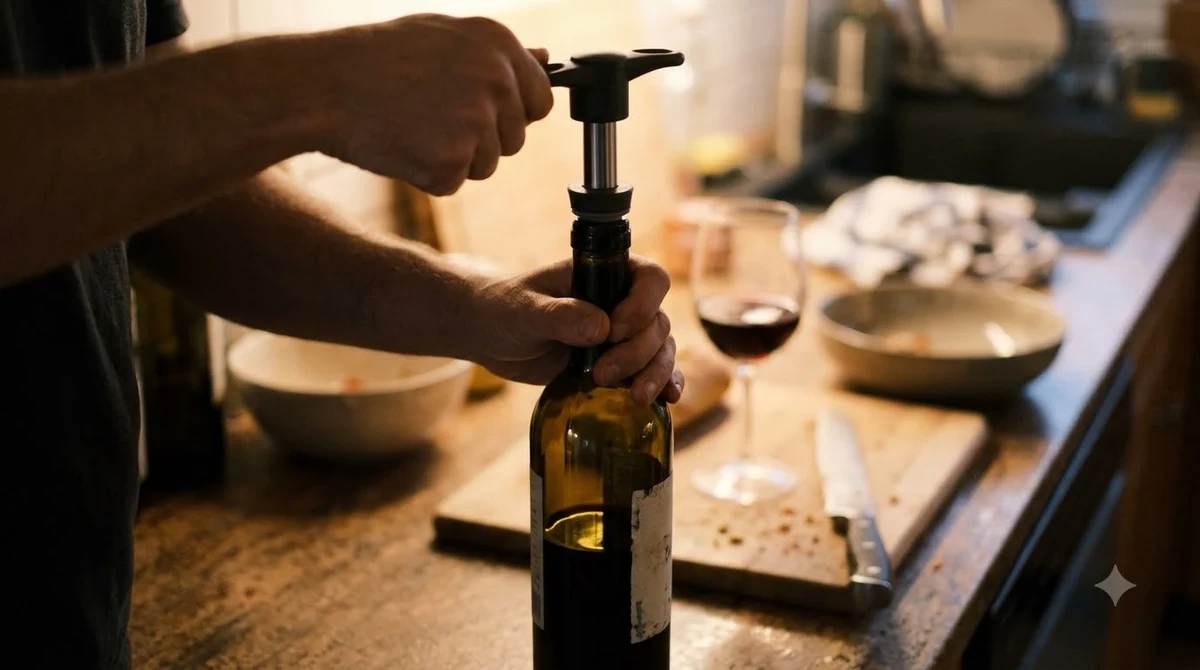
A typical system consists of two parts: a reusable rubber or silicone stopper and a manual or electric vacuum pump. You insert the stopper into the bottle opening, attach the pump, and remove air until the device reaches its intended stopping point. Some manual pumps provide a clicking sound or resistance to indicate that the seal has reached its operating level. Electric versions usually stop automatically.
The science behind the device involves oxygen exposure. Wine contains compounds that react with oxygen, and those reactions gradually change its aromas, flavors, and color. A small amount of oxygen can help a young red wine open up when poured into a glass, but prolonged exposure after opening eventually causes unwanted oxidation.
Oxidation can make fresh fruit aromas less noticeable. A crisp Sauvignon Blanc may lose its lively citrus and green fruit character, while a Pinot Noir can become less expressive and develop duller fruit notes. More advanced oxidation may produce bruised-apple aromas, flat flavors, and an unpleasant stale character.
A vacuum pump reduces the amount of air above the remaining wine. This is different from an ordinary stopper, which simply closes the bottle and prevents additional air from entering. A standard stopper does not remove the oxygen already trapped in the headspace.
However, vacuum sealing is not the same as creating a perfectly oxygen-free environment. Some oxygen remains dissolved in the wine, and a household pump cannot eliminate every gas molecule from the bottle. The purpose is to reduce exposure rather than make the wine chemically unchanged.
The seal also matters. A poorly fitted stopper can allow outside air to enter, reducing the benefit of pumping. Bottle openings can vary slightly, and damaged or stretched rubber components may not maintain a reliable seal. A stopper that fits firmly and remains securely in place is more useful than a pump with impressive-looking features but an unreliable closure.
Vacuum preservation also differs from commercial wine bottling. Professional equipment can manage oxygen levels and inert-gas conditions with greater precision. A household vacuum stopper is a convenient preservation accessory, not a substitute for winery equipment.
How Much Longer Vacuum Stoppers Keep Wine Fresh
Vacuum stoppers can help opened still wine retain its quality for several days, but there is no universal preservation period. A lightly aromatic white, a young red, and a mature bottle may respond differently to exactly the same preservation method.
Wine Enthusiast describes vacuum stoppers as capable of preserving wine for up to a week, while WSET discusses vacuum pumps as a common preservation option. These figures should be understood as potential performance claims or general guidance, not guarantees that every bottle will taste freshly opened after seven days.
One useful comparison comes from Decanter, which examined three vacuum-style stoppers, two inert-gas preservation systems, and original bottle closures. The comparison included three different wines: Wither Hills Sauvignon Blanc from Marlborough, Bouchard Père et Fils Fleurie from Beaujolais, and Clos de los Siete from Mendoza.
The wines were assessed after 24, 48, 72, and 96 hours. The results showed that preservation performance depended on the wine and the system used. Commercial preservation products generally performed better than simply replacing the original closure. The inert-gas option performed particularly well across the three wines, although some vacuum systems also produced good results.
The Sauvignon Blanc showed noticeable differences in aromatic character after just 24 hours. The inert-gas-preserved version retained delicate floral aromas, while the vacuum-preserved versions showed some different aromatic development. The Beaujolais remained enjoyable under several preservation methods, while the Argentine blend retained some of its original flavor better with selected preservation systems.
This comparison is useful because it shows why a single advertised preservation number cannot describe every bottle. Wine composition, initial freshness, alcohol level, acidity, tannin, and aromatic intensity all influence how a wine develops after opening.
For practical household planning, consider the following general storage periods. These are typical reference ranges for different wine categories, not guaranteed extensions delivered by a vacuum pump.
| Wine or storage method | Typical freshness period | Important consideration |
|---|---|---|
| Opened sparkling wine | 1–3 days | Use a dedicated sparkling stopper, not a vacuum pump. |
| Opened still wine | 3–5 days | Reclose and refrigerate promptly. |
| Opened fortified wine | Several weeks | Depends on the style and alcohol content. |
| Bag-in-box wine | 4–6 weeks | The dispensing system limits incoming air. |
These ranges describe general preservation expectations, not an assurance of identical quality throughout the period. A vacuum stopper can be useful within the still-wine category, particularly when a bottle is opened regularly and several glasses remain. Nevertheless, the wine may gradually lose some of its original character even when the pump and stopper are working correctly.
For example, an opened bottle of fresh Pinot Grigio may lose its delicate pear and citrus aromas before a structured Cabernet Sauvignon shows equally noticeable changes. The Cabernet’s tannin and fuller structure can make some changes less immediately obvious, but that does not mean oxidation has stopped.
What Affects Vacuum Stopper Performance
The amount of wine remaining, the quality of the stopper, the pump’s operation, and the storage temperature all influence preservation results. A vacuum system is most useful when it is combined with good storage habits rather than treated as a complete solution on its own.
The amount of wine left in the bottle
Headspace is the empty area between the wine’s surface and the stopper. As more wine is poured, this space becomes larger. A half-full bottle therefore contains considerably more air above the wine than a bottle with only one glass missing.
This matters because a vacuum pump must deal with the air occupying that space. Removing some of it reduces oxygen exposure, but a bottle with very little wine remaining presents a more difficult preservation situation. Even a good stopper cannot restore the original condition of wine that has already undergone oxidation.
If you regularly leave only a small quantity behind, transferring the remaining wine into a clean, appropriately sized bottle can help. A smaller container reduces the amount of headspace, making it easier to limit contact with oxygen. Use a clean bottle with a secure screw cap and avoid unnecessary splashing during transfer.
The quality of the stopper and seal
The stopper must fit the bottle opening securely. A loose stopper can allow outside air to enter, while a damaged rubber seal may prevent the pump from maintaining the intended vacuum.
Check the stopper for cracks, hardened rubber, deformation, and accumulated wine residue. Clean reusable components according to the manufacturer’s instructions, and allow them to dry before storage. A stopper that has become loose after repeated use may need replacement.
Also consider bottle compatibility. Some systems work with standard wine bottle openings but may not fit every unusual bottle design. A secure fit matters more than the appearance or complexity of the pump.
Temperature and light exposure
Temperature has a major influence on how quickly wine develops after opening. Warm conditions accelerate chemical reactions, including oxidation, while refrigeration slows many of these processes.
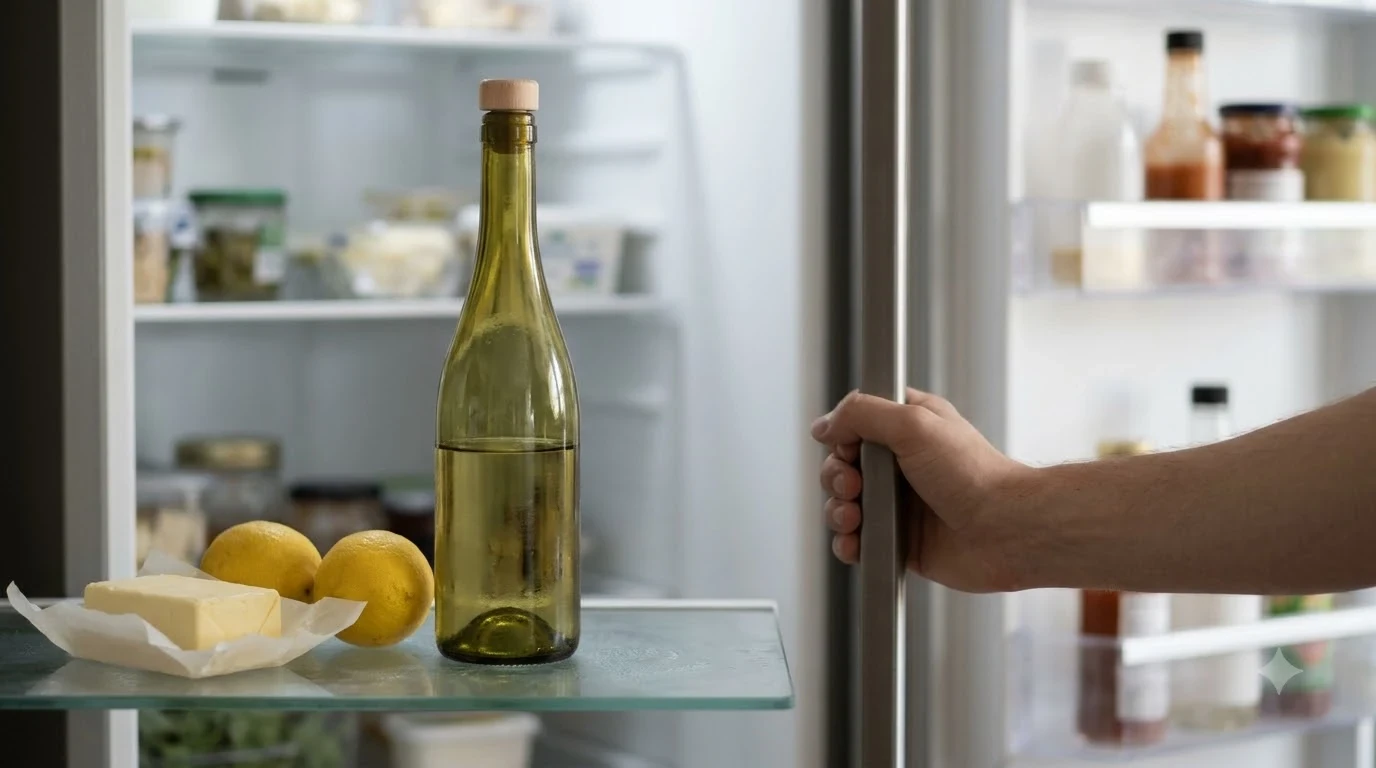
Refrigeration is useful for both red and white wines after opening. A sealed bottle of Cabernet Sauvignon does not need to remain at room temperature simply because it is a red wine. Store it upright in the refrigerator and allow it to warm slightly before serving again if necessary.
Light also affects wine quality. Direct sunlight and strong artificial light can contribute to unwanted changes in aroma and color. A closed bottle should therefore remain in a dark, stable environment rather than on a sunny kitchen counter.
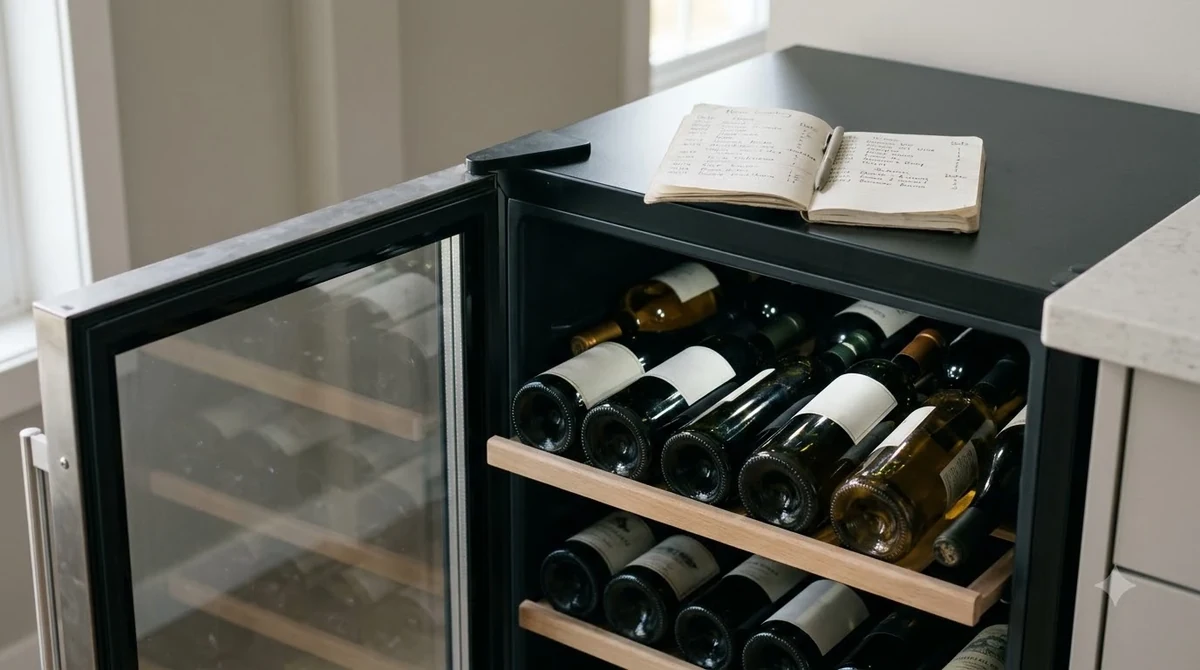
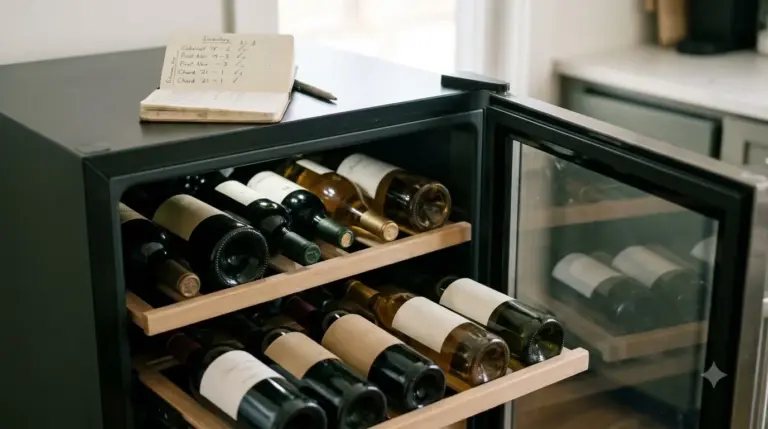
For longer-term household storage, a dedicated wine refrigerator can provide more consistent conditions than a frequently opened kitchen refrigerator. Learn more about how long do wine fridges last before deciding whether a dedicated unit is suitable for your collection.
Tip: Use your vacuum stopper immediately after pouring, then place the bottle upright in the refrigerator. Do not leave an opened bottle on the counter for several hours before sealing it. Reducing the time exposed to air is just as important as choosing a preservation device.
How to Use a Vacuum Wine Stopper Correctly
Correct operation helps a vacuum stopper achieve a reliable seal and reduces unnecessary exposure to oxygen. The best routine is simple: close the bottle promptly, pump according to the device instructions, and refrigerate the wine.
Step 1: Finish pouring and prepare the bottle
Pour the wine you want into your glass before preparing the stopper. Avoid leaving the bottle open while preparing food, washing glasses, or completing other kitchen tasks.
Inspect the bottle neck and remove any wine residue. Liquid around the opening can interfere with a secure fit, particularly if the stopper uses a rubber sealing surface. Wipe the neck with a clean cloth if necessary.
Step 2: Insert the stopper
Position the stopper straight over the bottle opening and press it into place. Make sure it sits securely rather than leaning to one side. An uneven fit can compromise the seal and make the pump less effective.
Do not force a stopper into an opening if it is clearly incompatible with the bottle. Doing so may damage the stopper or make it difficult to remove later.
Step 3: Operate the pump
Attach the hand pump to the stopper and begin removing air. Follow the manufacturer’s instructions about pumping frequency, stopping resistance, or audible clicks. Different systems use different mechanisms, so there is no universal number of pumps that applies to every device.
If the system has a built-in stopping signal, use it rather than continuing to pump repeatedly. More pumping does not automatically mean better preservation. Excessive vacuum treatment can affect volatile aromatic compounds, which contribute to the wine’s recognizable smell and flavor.
Electric models may stop automatically when their programmed vacuum level is reached. Manual systems require attention from the user, so learn how the particular device indicates that the process is complete.
Step 4: Check the seal
After pumping, gently check that the stopper remains secure. It should not slide out easily or show signs of an incomplete fit. If the device does not maintain its seal, remove it, inspect the stopper, and repeat the process with a clean, properly positioned component.
Repeatedly pumping a bottle that cannot maintain a seal will not solve a damaged or incompatible stopper. Replace worn components when necessary.
Step 5: Refrigerate and record the opening date
Place the sealed bottle upright in the refrigerator. Upright storage reduces the surface area of wine exposed to the air inside the bottle, while the cooler temperature slows oxidation.
It can also help to mark the date the bottle was opened. Some vacuum stoppers have date indicators, while a simple removable label works just as well. This makes it easier to remember whether the wine was opened yesterday or several days ago.
When you return to the bottle, remove the stopper carefully, smell the wine, and pour a small amount to assess its condition. Fresh fruit aromas, clean flavors, and a balanced finish are positive signs. Dull fruit, bruised-apple aromas, and stale flavors indicate that the wine has developed beyond its best drinking condition.
Which Wines Benefit Most From Vacuum Preservation?
Vacuum stoppers are generally most useful for everyday still wines that you expect to finish within several days. Fresh whites, rosés, and younger reds can all benefit, although their individual aromatic characteristics influence how well they retain their original personality.
White wines
Fresh white wines can be particularly sensitive to changes in aromatic expression. Sauvignon Blanc, Pinot Grigio, and unoaked Chardonnay often rely on fresh fruit, citrus, floral, or mineral characteristics.
Limiting oxygen exposure can help preserve these qualities. However, highly aromatic wines may show noticeable changes even when a vacuum stopper has been used correctly. For this reason, a vacuum system is a useful preservation aid rather than a guarantee that every delicate aroma will remain unchanged.
Acidity also influences the way a wine tastes as it develops. A crisp Riesling may retain a lively impression for longer than a softer, less acidic white, although acidity alone does not determine its preservation period.
Rosé wines
Dry rosé wines are commonly enjoyed for their fresh strawberry, raspberry, citrus, and floral notes. These characteristics can become less expressive as oxygen exposure continues.
A vacuum stopper is useful for an unfinished bottle of Provence-style rosé or a fruit-forward California rosé. Refrigerate the bottle immediately after sealing and avoid leaving it open during extended meals or outdoor gatherings.
Red wines
Young red wines such as Pinot Noir, Merlot, Cabernet Sauvignon, and Syrah can also benefit from vacuum preservation. However, their tannin levels, acidity, alcohol, and overall structure influence how their aromas and flavors change.
Pinot Noir typically has lower to medium tannin and relatively high acidity. Its delicate red-fruit character may become less expressive with extended exposure to oxygen. Merlot usually has softer, medium tannin, while Cabernet Sauvignon has higher tannin and a firmer structure.
Syrah can have medium-plus to high tannin and concentrated dark-fruit flavors. Although its structure may make some changes less immediately apparent, the wine still needs appropriate preservation.
Do not assume that a powerful red will remain fresh indefinitely simply because it has more tannin. A vacuum stopper can slow changes, but it cannot reverse oxidation or restore aromas that have already disappeared.
Fortified wines and dessert wines
Fortified wines such as Port and certain styles of Sherry often have different preservation characteristics from ordinary table wines. Their alcohol levels and production methods can contribute to longer periods of freshness after opening.
Some fortified wines remain enjoyable for several weeks, depending on the style and storage conditions. A vacuum stopper may still be useful for resealing the bottle, but it is not always necessary for products that are already relatively stable after opening.
Sweet wines also require attention to their individual style. A delicate Moscato and a more concentrated dessert wine should not automatically be assigned the same preservation period. Keep opened bottles cool and protected from light, and assess their aromas before serving.
Sparkling wine is the exception
Champagne, Cava, Prosecco, and other sparkling wines should not be sealed with an ordinary vacuum wine stopper. Pumping air out of these bottles can also remove carbon dioxide, reducing the bubbles and leaving the wine noticeably flat.
Use a dedicated sparkling wine stopper that locks securely over the bottle neck and helps retain pressure. This is especially important for traditional-method wines such as Champagne and Cava, as well as tank-method Prosecco.
For a closer look at how pressure-retaining closures perform, Decanter’s comparison of sparkling wine stoppers examines several designs over a seven-day test, including differences in bubble retention and freshness.
Vacuum Stoppers Compared With Other Wine Preservation Methods
Vacuum pumps are convenient, but they are not the only way to preserve an opened bottle. Ordinary stoppers, inert-gas systems, smaller containers, and dedicated sparkling closures each address different preservation needs.
Vacuum pumps versus ordinary stoppers
An ordinary rubber, silicone, or reusable wine stopper closes the bottle opening without actively removing air. It is inexpensive, simple, and useful when you intend to drink the remaining wine relatively soon.
A vacuum stopper adds another step by reducing the amount of air inside the bottle. This can provide an advantage over a simple closure, especially when several days of storage are expected. However, neither method completely prevents oxidation.
Wine Enthusiast notes that a regular stopper can work well when the wine will be consumed the next day, while a vacuum-sealed bottle offers additional protection against interaction with air.
Vacuum pumps versus inert-gas systems
Inert-gas systems take a different approach. Rather than primarily removing air, they introduce a gas such as argon or nitrogen into the bottle to reduce oxygen contact with the wine.
Argon is commonly used because it is chemically inert under normal wine-preservation conditions. The gas occupies space above the wine and helps reduce direct oxygen exposure. Some systems use a combination of gases rather than argon alone.
In Decanter’s comparison, the Private Preserve gas system performed particularly well across the three wines examined. Its results suggest that gas preservation can be useful for wines whose delicate aromatic character is important. However, this was a limited comparison involving specific wines and devices, not proof that every inert-gas product will outperform every vacuum pump.
WSET also identifies inert-gas preservation as an option for people who want to preserve opened bottles for longer periods. The method can be especially useful for wine enthusiasts who regularly open several bottles without finishing them. Its article, The Best Ways to Preserve Wine After Opening, also explains why refrigeration and smaller containers are useful parts of an effective storage routine.
Vacuum pumps versus smaller bottles
Transferring leftover wine into a smaller, clean container is another practical approach. The goal is to reduce the amount of air above the wine rather than relying entirely on a pump.
For example, if a 750 ml bottle contains only 250 ml of wine, moving that wine into a suitably sized smaller bottle can reduce the headspace considerably. Use a container that closes securely, avoid vigorous pouring, and refrigerate it promptly.
This approach is especially useful for people who frequently drink only one glass at a time. It requires an extra container and careful cleaning, but it can complement an ordinary stopper or vacuum system.
Choosing the right preservation method
The best method depends on how often you open wine, how much remains, and how long you expect to keep it. A basic stopper is sufficient for short-term storage, while a vacuum pump offers additional convenience for everyday still wines. An inert-gas system may be preferable when preserving delicate or special bottles is a higher priority.
For sparkling wine, use a dedicated pressure-retaining closure rather than an ordinary vacuum pump or a still-wine gas system. The preservation method must suit the type of wine, not simply the shape of the bottle.
For more practical storage advice, see our guide on how to store wine at home. If your dedicated refrigerator is not maintaining the correct temperature, our article about Allavino wine fridge not cooling can help you understand possible storage problems.
Frequently Asked Questions
Can a vacuum wine stopper damage an opened bottle?
A properly used vacuum stopper should not physically damage a standard still-wine bottle. However, excessive pumping may affect volatile aromatic compounds, which contribute to the wine’s smell and flavor. Follow the manufacturer’s stopping instructions rather than continuing to pump after the device indicates completion.
Can you use a vacuum wine stopper on a screw-cap bottle?
Yes, provided the bottle has been opened and the stopper is compatible with its neck. A screw cap is designed to close the original bottle, but it cannot remove the headspace air after opening. A compatible vacuum stopper can provide an additional preservation step.
Does a vacuum stopper preserve wine without refrigeration?
A vacuum stopper reduces air exposure but does not replace temperature control. Warm storage can accelerate chemical changes even when a bottle is sealed. Refrigeration is the better choice for opened still wines, regardless of whether they are red, white, or rosé.
Can you reuse vacuum wine stoppers?
Most household vacuum wine stoppers are designed for repeated use. Their reusable components should be cleaned and inspected regularly, particularly around the rubber sealing surfaces. Replace a stopper if it becomes cracked, deformed, or unable to maintain a reliable seal.
Why does vacuum-sealed wine sometimes smell different the next day?
Wine can continue changing even after air has been removed from the headspace. Some aromatic compounds are volatile and can shift between the liquid and the air above it. Differences in serving temperature, time since opening, and the wine’s original aromatic profile can also influence what you smell in the glass.
Vacuum wine stoppers are a useful, affordable way to slow oxidation in opened still wines, particularly when you regularly leave part of a bottle unfinished. They work best when used promptly, fitted securely, and combined with upright refrigerator storage. Choose a dedicated sparkling stopper for Champagne or Prosecco, and remember that no household preservation system can keep every wine tasting exactly as it did immediately after opening.
More in Storage & Fridge Care
 How Long Can You Store Wine in a Wine Fridge? Protect Bottle QualityUpdated Nov 20, 2026
 Can You Store Beer in a Wine Fridge? Keep Both Drinks FreshUpdated Nov 20, 2026
 Is It Worth Repairing a Wine Fridge? Spot the Cheap Fixes Before You ReplaceUpdated Nov 20, 2026
 Wine Fridge Condensation: Identify Causes and Fix Moisture ProblemsUpdated Nov 20, 2026
 Wine Fridge Too Cold: Protect Your Wine and Fix the TemperatureUpdated Nov 20, 2026
 How to Reset Wine Fridge: Restore Cooling and SettingsUpdated Nov 20, 2026