

We may earn a commission when you buy through links on this page, at no extra cost to you. Learn more.
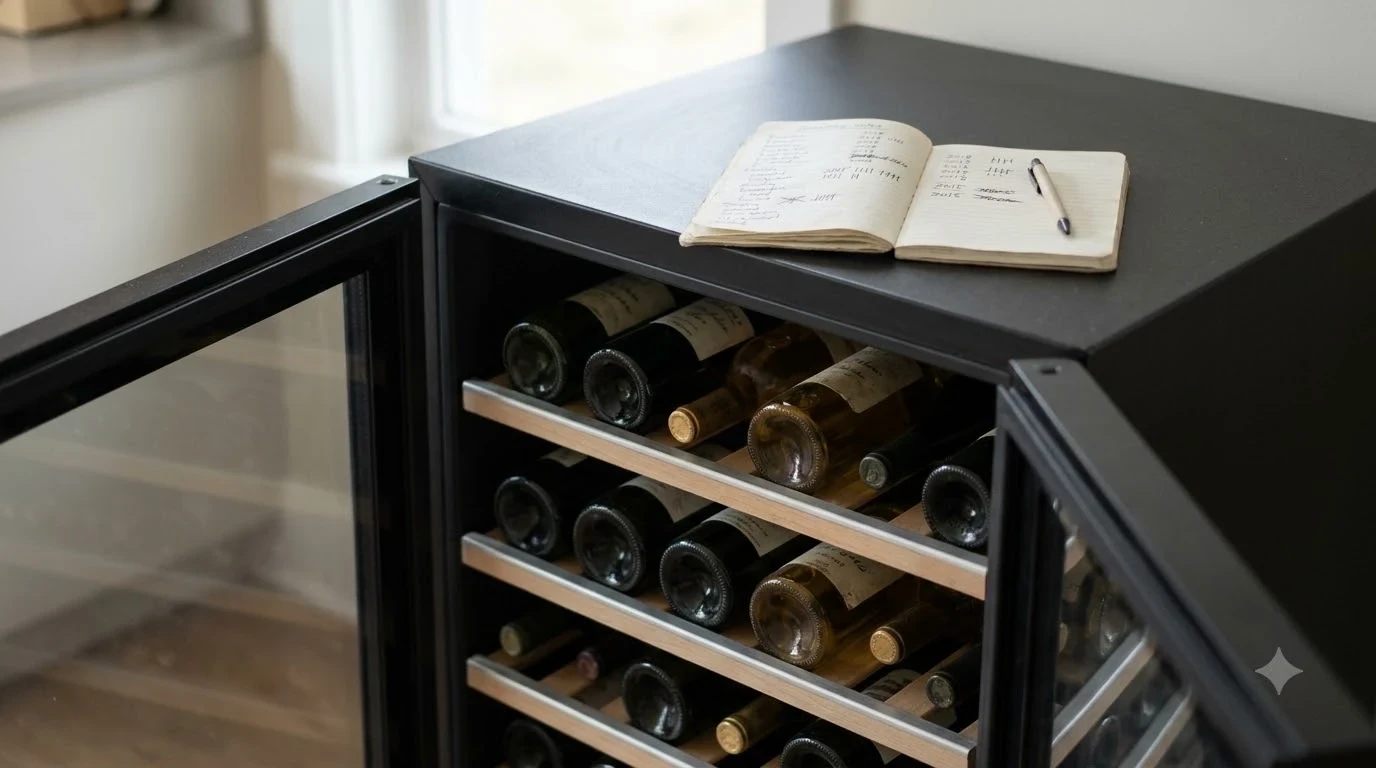
A sub zero wine fridge not cooling properly is most often caused by a dirty condenser, incorrect temperature settings, restricted airflow, or a door that does not seal completely. A malfunctioning fan, temperature sensor, thermostat, or compressor can also prevent the cabinet from reaching its target temperature. Start with the checks you can safely perform yourself, then allow up to 24 hours for the unit to recover before deciding whether professional service is necessary.
A Sub-Zero wine refrigerator is designed to maintain stable storage conditions for a wine collection, but even a well-maintained appliance can develop cooling problems. Sometimes the issue is as simple as dust covering the condenser or a bottle preventing the door from closing. In other cases, the refrigeration system needs attention from a qualified technician.
The important thing is to distinguish between a temporary temperature increase and a mechanical problem. This guide explains how to check the settings, inspect the door, clean the condenser, recognize warning indicators, and determine when a repair appointment makes sense.
Why a Sub-Zero Wine Refrigerator Stops Cooling
A Sub-Zero wine refrigerator can stop maintaining its target temperature for several reasons, but restricted condenser airflow and problems with the door seal are sensible places to start. Fan failures, thermostat problems, and sealed-system faults are other possibilities that require more specialized diagnosis.
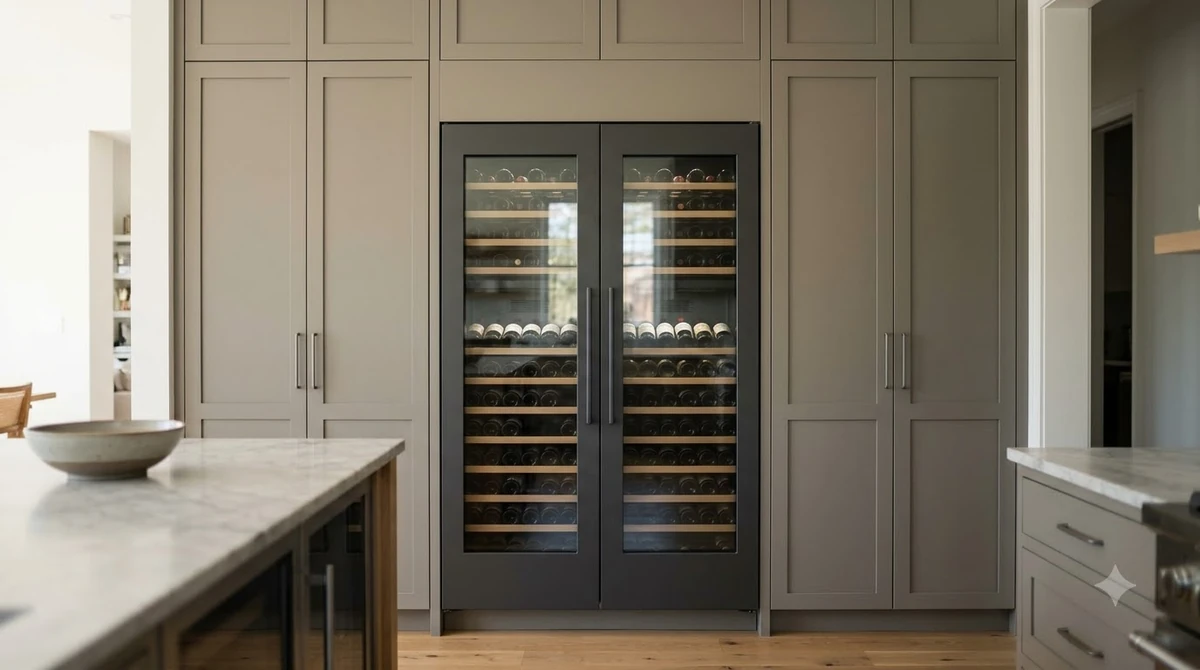
The condenser releases heat removed from the cabinet. When dust and lint accumulate around it, heat transfer becomes less effective. The refrigerator may run longer than usual while the interior remains warmer than the selected temperature. This can also increase the strain on refrigeration components.
Door problems create a different kind of cooling difficulty. A door left slightly open allows warmer, humid air to enter the cabinet. The cooling system then has to work harder to bring the interior back to its target temperature. A bottle that sticks out from a rack, an improperly positioned shelf, or a damaged gasket can contribute to the problem.
Sub-Zero also identifies several mechanical possibilities, including malfunctioning fans, temperature sensors, thermostats, and sealed-system components. The sealed system includes major refrigeration parts such as the compressor, evaporator, and condenser. A homeowner cannot reliably identify every fault by listening to the appliance or looking at the temperature display.
Consider the symptoms before deciding what to inspect. If both wine compartments are warming, a shared cooling component or airflow problem may be involved. If only one compartment is affected, its individual temperature control, sensor, or cooling components may deserve closer attention. These are useful diagnostic clues rather than definitive diagnoses.
There is also a difference between a refrigerator that runs continuously and one that does not run at all. A unit that runs frequently may be struggling with heat removal, a poor door seal, or warm room conditions. A unit with no lights and no cooling may have an electrical supply problem or may have been switched off.
Check Temperature Settings, Power, and Control Indicators
Before removing panels or arranging a service visit, confirm that the refrigerator has power, the cooling function is enabled, and the selected temperature is appropriate. Sub-Zero electronic wine-storage controls support settings between 34°F and 65°F on the models covered by its troubleshooting guidance, while dial-controlled models use a different scale.
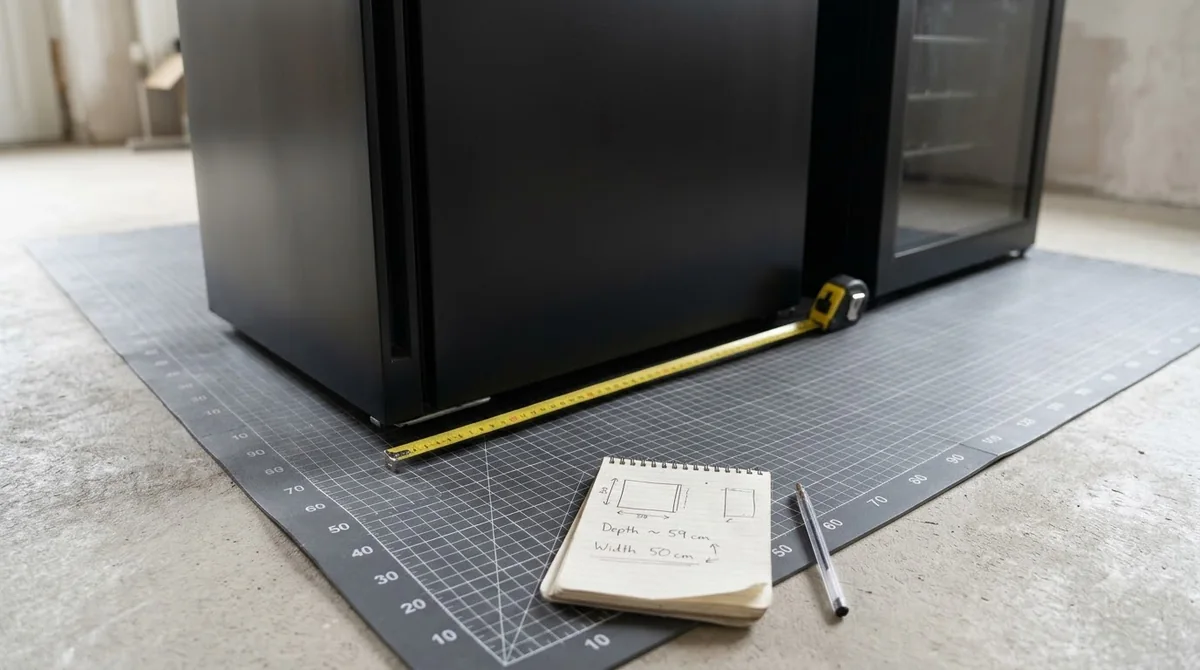
Start at the control panel. Confirm that the appliance is switched on and that the displayed settings have not been changed accidentally. A power interruption, an unintended button press, or a change made during cleaning can leave the unit operating at an unsuitable temperature.
For a dial-controlled model, Sub-Zero recommends starting with a setting between 4 and 6. On this scale, 1 is the warmest setting and 10 is the coldest. Avoid immediately turning the dial to its coldest position simply because the cabinet feels warm. Make a reasonable adjustment and give the appliance time to respond.
Electronic controls provide more direct temperature information. Check each compartment separately if the refrigerator has two independently controlled zones. A setting that is appropriate for the upper compartment does not necessarily mean the lower compartment is configured correctly.
Next, inspect the control panel for a flashing indicator, wrench symbol, or other service message. These warnings can provide important clues about why the appliance is not cooling. Record the exact message before resetting anything. Different Sub-Zero generations use different control systems, so an indicator should be interpreted according to the specific model.
Another possibility on certain models is Showroom Mode. This operating mode is intended for product demonstrations rather than normal wine storage. The lights and display may operate even though the refrigeration system is not actively cooling. Some Sub-Zero models can display temperature values while in this mode, so an illuminated control panel does not necessarily mean the cooling system is functioning.
Also check the household electrical supply. Look at the circuit breaker and determine whether other equipment on the same circuit has lost power. If the breaker trips repeatedly, do not keep resetting it. An electrical fault should be evaluated by a qualified professional.
For more troubleshooting examples involving other appliances, see our guides to Allavino wine fridge not cooling and Magic Chef wine fridge not cooling. Their controls and construction differ from Sub-Zero models, but the distinction between an incorrect setting and a refrigeration failure is useful across brands.
Clean the Condenser and Restore Airflow
A dirty condenser is one of the first maintenance issues to investigate when a Sub-Zero wine refrigerator runs frequently or cannot maintain its temperature. Sub-Zero recommends cleaning the condenser every 6–12 months, with more frequent attention when pets are present.
Dust, lint, and pet hair can collect around the condenser and interfere with heat removal. When airflow is restricted, the refrigeration system may run for extended periods without producing the expected cooling performance. Cleaning this area is a practical maintenance step, although it will not correct a failed fan, compressor, or sealed-system component.
Find the condenser before cleaning
The condenser location depends on the wine refrigerator’s product line. On certain Designer Wine Storage models, the condenser is accessed behind the louvered kickplate. On some Classic models, it is located behind a grille that lifts upward. Undercounter models can have a different access arrangement.
Consult the owner’s manual for your exact model before removing any panel. Do not assume that every Sub-Zero wine refrigerator opens in the same way. If the panel is difficult to remove or you cannot identify the correct access point, ask a qualified service professional for assistance.
Clean the condenser carefully
Follow these general steps, provided they match the cleaning instructions for your model:
- Check the control panel and record any error messages before starting.
- Switch the refrigerator off using its designated power control.
- Open or remove the appropriate grille or kickplate according to the owner’s manual.
- Use a soft-bristle brush attachment and vacuum to remove dust and lint from the condenser area.
- Work gently around the condenser fins. Do not bend, crush, or scrape them.
- Replace the grille or access panel correctly.
- Switch the refrigerator back on and monitor the compartment temperatures.
Sub-Zero advises against using chemical condenser cleaners and degreasers because they are unnecessary for routine cleaning. A soft brush and vacuum are generally sufficient for ordinary dust and lint. Compressed air may be appropriate for certain models when used according to the manufacturer’s instructions.
Tip: Switch the unit off before cleaning, and never force a grille or kickplate out of position. The condenser fins can be damaged by rough handling. If the condenser is difficult to reach, use the model-specific cleaning instructions rather than attempting to dismantle the cabinet.
After cleaning, give the appliance time to stabilize. Sub-Zero states that temperatures may take up to 24 hours to return to normal following condenser cleaning. If the temperature remains above the selected setting after that period, or a service warning returns, arrange a professional inspection.
For model-specific instructions, consult Sub-Zero’s Designer Wine Storage condenser cleaning guide. It explains the access procedure, recommended cleaning tools, and recovery period for the applicable product line.
Inspect the Door Gasket, Racks, and Cabinet Ventilation
A door that does not close completely can allow warm air into a Sub-Zero wine refrigerator and prevent it from maintaining a consistent temperature. Inspect the gasket, bottle arrangement, hinges, and surrounding ventilation before assuming that the compressor or thermostat has failed.
Begin by opening the door and examining the rubber gasket around its perimeter. Look for visible cracks, tears, flattened areas, or sections that have pulled away from their normal position. A damaged seal can allow outside air to enter even when the door appears nearly closed.
Pay attention to the corners and lower edge of the gasket. These areas can be harder to inspect and may collect dirt or residue. Clean ordinary surface dirt using a method approved in the owner’s manual, then dry the seal before closing the door.
Next, examine the wine racks. A bottle that extends beyond its intended position can interfere with the door. Check that sliding racks are fully seated and that no bottle neck or oversized container is obstructing closure. Even a small obstruction can prevent the gasket from making complete contact with the cabinet.
Hinges also deserve attention. A door that appears uneven or needs unusual pressure to close may have an alignment issue. Do not attempt complicated hinge adjustments without checking the model-specific instructions. Incorrect adjustments can make the sealing problem worse.
Check for condensation and moisture
Condensation can provide another clue about the condition of the door seal. Some moisture inside the cabinet is normal after the door has remained open, particularly in warm or humid surroundings. However, persistent moisture, wet bottle labels, or repeated condensation may indicate an airflow or sealing problem.
Check whether the moisture appears near the door opening or across several interior surfaces. Inspect the gasket for visible damage and confirm that the door closes without resistance. If the seal is torn or badly distorted, it may need replacement by an authorized parts provider or service technician.
Room conditions matter too. A wine refrigerator exposed to direct sunlight or positioned in a particularly warm space may need to operate for longer periods. Make sure the installation provides the ventilation clearance specified for the model.
Sub-Zero’s troubleshooting information for the 315W model identifies room temperatures between 60°F and 90°F as its preferred operating range. This range should not be applied automatically to every product line, because installation requirements differ between models.
Do not push furniture, storage containers, or other objects against ventilation openings. Restricted airflow around the appliance can interfere with heat removal and contribute to longer operating cycles.
Understand Temperature Recovery and Normal Operating Times
A wine refrigerator does not always return to its target temperature immediately after a setting change, power interruption, or large addition of warm bottles. Sub-Zero recommends allowing up to 24 hours for recovery after several common troubleshooting steps, so judging performance after only a short period can lead to an unnecessary service call.
One common situation occurs when a collection is loaded with bottles that have been stored at room temperature. The cabinet must remove heat from the newly added wine as well as maintain the temperature of the existing collection. The larger the addition, the more time recovery may require.
Another situation occurs after condenser cleaning. The appliance may need several hours to stabilize after it is switched back on. Sub-Zero specifically advises monitoring temperatures for up to 24 hours following the cleaning procedure.
Use a separate refrigerator thermometer to compare actual cabinet conditions with the control-panel display. Place it in the relevant compartment without blocking vents or interfering with the racks. Check the temperature at consistent intervals rather than opening the door repeatedly.
If the unit has two zones, record both readings. A refrigerator with an upper compartment operating normally and a lower compartment remaining warm may have a different problem from a unit in which both zones are affected.
Typical troubleshooting timeframes
The following figures summarize the practical intervals and settings provided in Sub-Zero’s published troubleshooting guidance. They are reference points, not guarantees that every model will recover in exactly the same amount of time.
| Item | Typical figure | What it means |
|---|---|---|
| Electronic temperature setting | 34°F–65°F | Available setting range on models covered by the guidance |
| Dial setting | 4–6 | Recommended starting range for applicable dial controls |
| Condenser cleaning interval | 6–12 months | Routine maintenance recommendation |
| Initial cooling period | Up to 24 hours | Allow time for a newly started unit to cool |
| Post-cleaning recovery | Up to 24 hours | Monitor temperatures after condenser cleaning |
These intervals help establish when a temperature problem deserves further attention. If the cabinet is gradually cooling and the readings are moving toward the selected settings, allow the recovery period to finish. If temperatures continue rising, the appliance stops cooling altogether, or a warning indicator returns, do not simply extend the waiting period indefinitely.
Wine storage temperatures also deserve attention while troubleshooting is underway. A wine refrigerator is intended to provide stable conditions rather than rapid chilling. For many collections, approximately 55°F is a useful long-term storage target, although individual serving preferences and wine styles vary.
Keep the door closed as much as possible during recovery. Frequent opening allows warm air to enter and makes it harder to determine whether the cooling system is improving. Avoid adding more room-temperature bottles until the cabinet has returned to a stable operating temperature.
Recognize Fan, Thermostat, Sensor, and Compressor Problems
If the power supply, temperature controls, door seal, and condenser are all in good condition, the problem may involve an internal refrigeration component. Fan motors, temperature sensors, thermostats, and compressors require proper testing rather than guesswork or repeated adjustments to the controls.
The condenser fan helps move air through the heat-removal system. If the fan motor fails, becomes obstructed, or develops an electrical fault, the condenser may not release heat effectively. This can cause longer operating cycles and inadequate cooling.
Some fan noise is normal during operation. A running fan does not automatically mean that the component is faulty, and the absence of an obvious sound does not establish that it has failed. Fan operation varies by model and operating conditions.
The evaporator fan has a different role. It helps circulate cooled air through the storage compartment. If this fan stops operating correctly, the cabinet may develop uneven temperatures even when other parts of the refrigeration system are functioning.
Temperature sensor and thermostat faults
A temperature sensor provides information that helps the control system determine when cooling is needed. If the sensor sends an inaccurate reading, the refrigerator may not respond correctly to the actual temperature inside the cabinet.
A thermostat problem can create similar symptoms. The control system may fail to start cooling when needed or may not regulate the refrigeration cycle correctly. These components require model-specific testing and should not be replaced based only on a warm temperature reading.
On certain older models, the thermostat and control arrangements differ considerably from those on newer electronic wine storage units. This is one reason why identifying the exact model number is important before discussing parts or repairs.
Compressor and sealed-system failures
The compressor circulates refrigerant through the cooling system. If it fails electrically or mechanically, the appliance may run without producing sufficient cooling. A compressor that repeatedly starts and stops, unusual electrical noises, or a cabinet that remains warm despite a clean condenser can justify professional diagnosis.
Sealed-system problems may also involve refrigerant leaks or restrictions. These faults are not suitable for ordinary homeowner repairs. They require appropriate equipment, technical training, and knowledge of the appliance’s refrigeration design.
Do not remove refrigerant lines, attempt to recharge the system, or bypass electrical components. These actions can create additional damage and may make an otherwise manageable repair more complicated.
Sub-Zero explains that only a Factory Certified Service technician can determine the exact cause of a cooling problem involving these components. If the basic checks do not restore normal operation, a qualified technician should inspect the appliance.
Know When to Arrange Professional Sub-Zero Service
Professional service is appropriate when the refrigerator remains warm after basic maintenance, displays recurring service warnings, or shows signs of a fan, thermostat, compressor, or sealed-system failure. Some faults can be diagnosed only through electrical measurements and model-specific service procedures.
Pay particular attention to flashing Service indicators. On certain Sub-Zero 400 Series wine-storage models, a flashing Service message can disable cooling. The manufacturer’s troubleshooting instructions recommend switching the unit off, cleaning the condenser, checking for door obstructions, and restarting it.
If the warning returns or the refrigerator begins warming again, Sub-Zero directs owners to Factory Certified Service. Repeatedly restarting the appliance without addressing the underlying issue is unlikely to solve the problem.
There is also a difference between a temporary warning and a persistent failure. A service indicator that disappears after the recommended maintenance may not require the same response as one that returns immediately. Record the exact message and describe what happened before it appeared.
Information to prepare before calling
Having the right information ready can make the service appointment more productive. Locate the model and serial numbers on the appliance’s identification plate. The location varies according to the product line and configuration, so consult the owner’s manual if you cannot find it.
Prepare the following details:
- The exact model and serial numbers.
- The current temperature in each wine compartment.
- The temperature settings selected on the control panel.
- Any flashing lights, wrench symbols, or error messages.
- Whether the condenser has been cleaned recently.
- Whether the appliance runs continuously, cycles repeatedly, or does not appear to run.
- Whether the door gasket has visible damage or the door has trouble closing.
- Whether the cooling problem affects one compartment or both.
These observations help a technician narrow down the possible causes before testing the appliance. They are especially useful when a refrigerator has intermittent symptoms that are difficult to reproduce during a service visit.
For additional appliance maintenance information, visit our Brand Troubleshooting section. Owners comparing different wine refrigerator designs can also read our guide to Haier wine fridge not cooling.
Protect the wine collection during repairs
While arranging service, avoid unnecessary door openings and keep the bottles away from direct sunlight or other heat sources. If the refrigerator cannot maintain a suitable temperature, consider transferring the collection to another temperature-controlled storage location.
Do not place wine in a household freezer as a substitute for wine storage. Freezing temperatures are unsuitable for normal bottle storage and can create additional problems. A stable, cool environment is preferable while the appliance is being repaired.
Keep track of the temperature during the waiting period. A single reading may not show the full extent of a problem, particularly if the cabinet is still recovering from a recent power interruption. Consistent measurements provide a clearer picture of whether the wine collection is remaining in acceptable storage conditions.
After the repair, ask the technician to explain the cause of the failure and any maintenance steps that can help prevent a recurrence. Follow the cleaning schedule and ventilation requirements for your particular model rather than applying instructions intended for another Sub-Zero product line.
Frequently Asked Questions
Can a Sub-Zero wine refrigerator cool only one compartment?
Yes. Some Sub-Zero wine-storage models use independently controlled compartments, and a cooling problem can affect one zone without immediately affecting the other. On certain newly started units, cooling one zone before the second is normal during the initial recovery period. Persistent differences after normal operation require model-specific diagnosis.
Does a Sub-Zero wine fridge have a reset button?
Reset procedures depend on the model and its control system. Many models use a designated POWER or UNIT ON/OFF control rather than a separate universal reset button. The correct procedure is found in the model’s operating instructions, and a recurring service warning should be investigated instead of repeatedly reset.
Can a Sub-Zero wine refrigerator operate in a garage?
Garage installation depends on the appliance’s approved ambient-temperature range and installation specifications. Some older 315W documentation identifies an operating environment of 60°F to 90°F, which illustrates why the intended installation conditions matter. Check the documentation for the exact model before placing it in an unconditioned garage.
Why does my Sub-Zero wine refrigerator make a clicking sound?
A clicking sound can come from electrical switching components, a control relay, or a compressor starting attempt. The sound alone cannot identify the failed part. Repeated clicking accompanied by rising temperatures, failed cooling cycles, or unusual electrical behavior warrants professional inspection.
Can a Sub-Zero wine refrigerator lose its factory temperature calibration?
Some older models use adjustable control systems that require model-specific service procedures when temperature readings are inaccurate. A difference between the displayed temperature and a separate thermometer does not automatically establish a calibration fault. Sensor placement, measurement conditions, and actual compartment temperature should be evaluated before any control adjustment is attempted.
A Sub-Zero wine refrigerator that is not cooling should be checked systematically, starting with power, temperature settings, condenser cleanliness, and the door seal. Allow up to 24 hours for recovery after appropriate maintenance, and monitor the actual temperatures in each compartment. If the problem continues or a Service indicator returns, arrange Factory Certified Service to protect the appliance and your wine collection.
More in Storage & Fridge Care
 How Long Can You Store Wine in a Wine Fridge? Protect Bottle QualityUpdated Nov 20, 2026
 Can You Store Beer in a Wine Fridge? Keep Both Drinks FreshUpdated Nov 20, 2026
 Is It Worth Repairing a Wine Fridge? Spot the Cheap Fixes Before You ReplaceUpdated Nov 20, 2026
 Wine Fridge Condensation: Identify Causes and Fix Moisture ProblemsUpdated Nov 20, 2026
 Wine Fridge Too Cold: Protect Your Wine and Fix the TemperatureUpdated Nov 20, 2026
 How to Reset Wine Fridge: Restore Cooling and SettingsUpdated Nov 20, 2026