

We may earn a commission when you buy through links on this page, at no extra cost to you. Learn more.
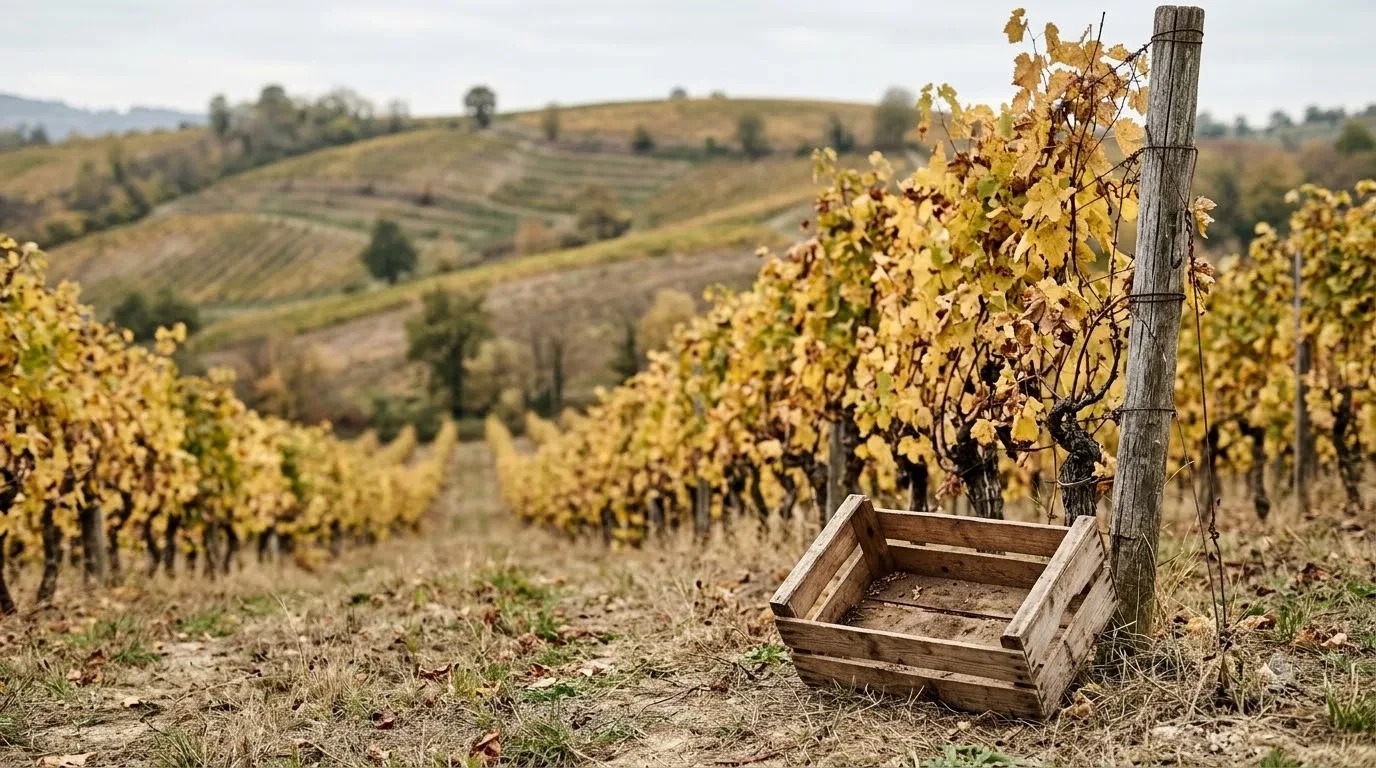
Alabama vineyards are concentrated in the northeast part of the state, close to the Appalachian Mountains, where a humid climate shapes which grapes can thrive. Most growers plant French hybrid grapes and native muscadines rather than classic European vines, and the state’s wineries have grown steadily since the early 2000s. Roughly 12 to 15 wineries operate in Alabama, depending on how they are counted.
This guide covers where Alabama’s vineyards are, how the region’s history shaped the industry, which grapes do well in the humid Southeast, and what visitors can expect when they tour the state’s wine country. It is written for travelers, curious wine drinkers, and anyone comparing Alabama with better-known wine regions.
Where Alabama’s Vineyards Are Located
Most of Alabama’s wineries sit in the northeastern corner of the state, near the Appalachian foothills. The higher ground and cooler nights there give vineyards a little more relief from summer heat than the flat southern part of the state. That area is the core of the industry, and it is where most tasting rooms and wine trails are clustered.
Alabama has no designated American Viticultural Areas, the federal appellations that define wine regions in the United States. Labels from Alabama wineries therefore tend to show the state or the winery’s own name rather than a formal regional appellation. For visitors, that means the best way to understand the local character is to visit the wineries themselves and ask about the grapes and growing conditions.
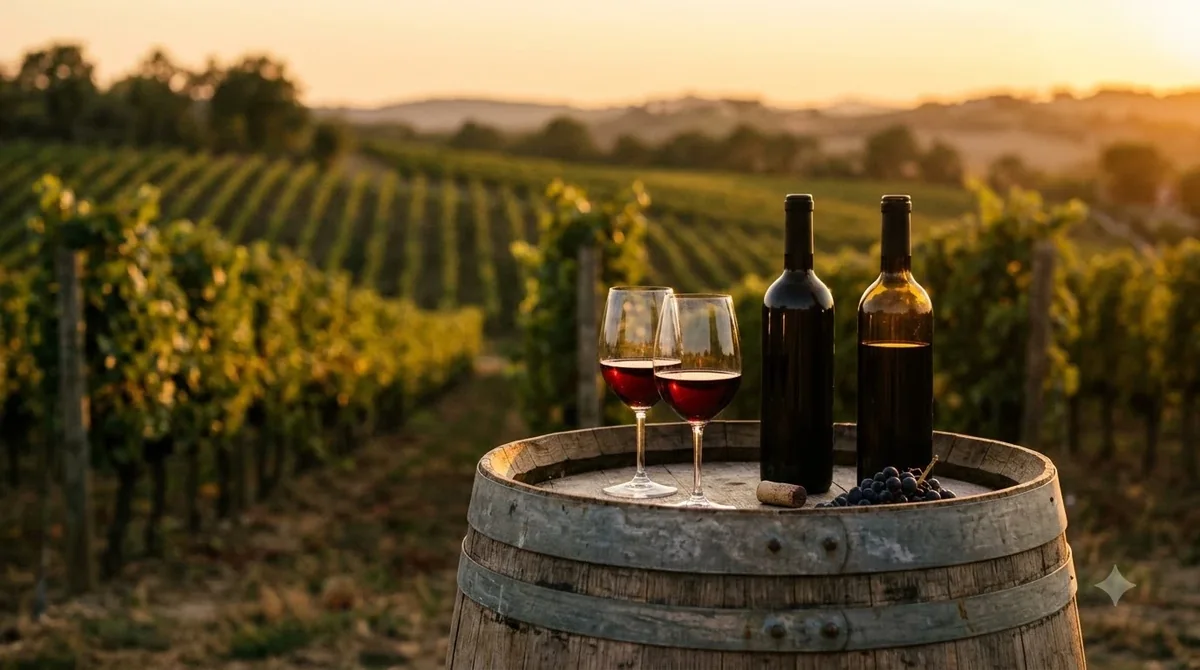
The state’s wine trails link several wineries in the north, which makes a day trip practical. Because the warm climate allows many tasting rooms to stay open through much of the year, visitors can plan trips in cooler months as well as spring and fall. Check each winery’s hours before you travel, since schedules can change with the season.
A Short History of Alabama Wine
Winemaking in Alabama goes back to the early nineteenth century. French settlers founded the Vine and Olive Colony near the confluence of the Tombigbee and Black Warrior rivers. Congress approved the settlement, which received 92,000 acres and 14 years to establish grape and olive production before repaying the land. The full timeline is laid out in this overview of Alabama wine.
The venture did not succeed. The imported European vines failed, and the blight that killed them was later identified as Pierce’s disease, a bacterial problem that still affects vinifera grapes in the Southeast today. By the 1830s, most of the old vineyard land had been converted to cotton plantations, and the state’s wine industry faded for generations.
Growth returned in the early 2000s. Agricultural reforms lifted restrictions on wineries, and a new generation of growers began planting varieties suited to the humid climate. Alabama became a state in 1819, and its modern wine industry is much younger, but it has built steadily on the lessons from those early failures.
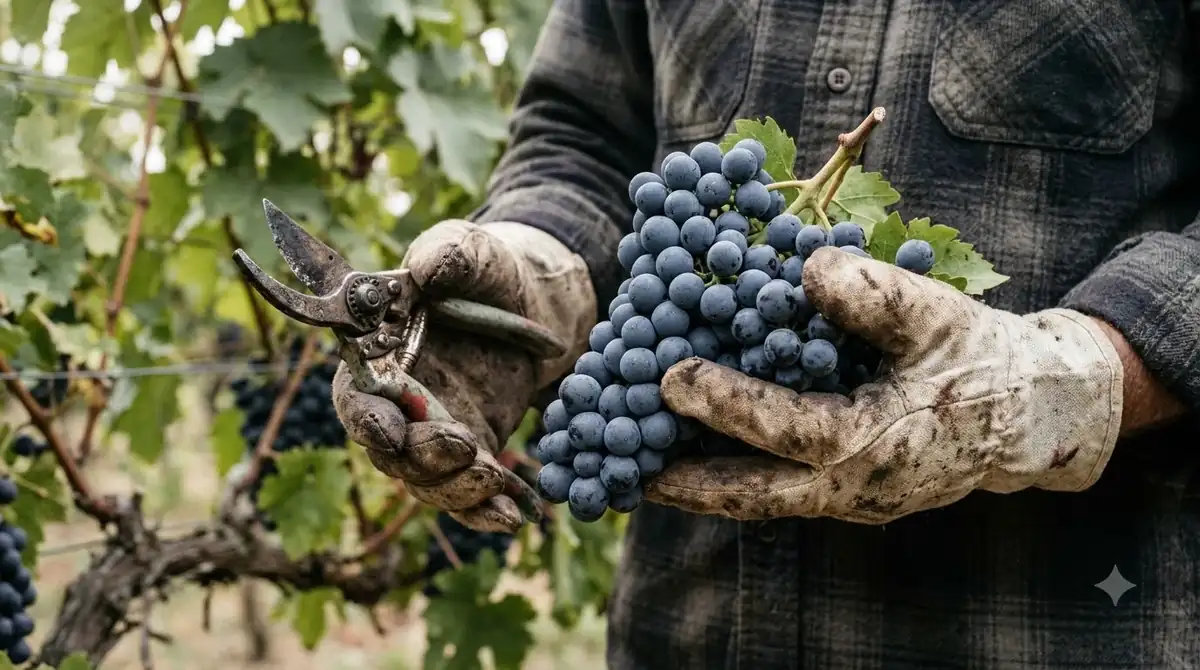
The state’s modern industry is best understood as a story of adaptation. Growers learned that Europe’s classic vines struggle with disease and humidity, and they shifted toward hardier grapes. That shift is what gives Alabama wine its distinctive character, with wines that reflect the local climate rather than a European model.
The Grapes That Grow in Alabama
Most Alabama producers grow French hybrid grapes and Muscadine grapes, which suit the humid Southeast. French hybrids such as Vidal blanc, Chambourcin, Norton, and Chardonel have better disease resistance than classic European varieties, which helps growers keep vines healthy through wet summers. Muscadine grapes are native to the region and have thick skins that resist rot and insects.
Some wineries also plant Vitis vinifera varieties such as Chardonnay, Merlot, Cabernet Sauvignon, and Cabernet Franc. These grapes are more vulnerable to Pierce’s disease, so they require careful site selection and management. When they are grown well, they can produce wines with clear varietal character, although they are a smaller part of the state’s output than hybrids.
Muscadine and fruit wines are among the most distinctive products. Muscadine wine tastes bold and sweet with a musky character unlike most grape wines, and fruit wines made from local produce show up on many tasting menus. Visitors who want to try something unfamiliar should start with a muscadine.
| Grape group | Examples grown in Alabama | Why growers plant it |
|---|---|---|
| French hybrids | Vidal blanc, Chambourcin, Norton, Chardonel | Better disease resistance in humid summers |
| Muscadine | Native muscadine varieties | Native to the region and resistant to rot |
| Vinifera | Chardonnay, Merlot, Cabernet Sauvignon, Cabernet Franc | Classic styles, but more exposed to Pierce’s disease |
What to Expect When You Visit
Most Alabama wineries offer tastings in a relaxed, rural setting. Many have outdoor seating and host events through the year. Because the number of wineries is small, a visit can focus on learning about the grapes and the people who grow them rather than rushing through a long list of tastings.
Plan to ask questions. Owners and staff often know which grapes they grow on their own land and how the vintage has gone. Ask about the difference between a hybrid and a vinifera wine, and taste both if the winery offers them. That comparison explains a lot about the state’s approach to viticulture.
If you are traveling from out of state, combine the trip with other local attractions in the northeast. The mountain scenery and small towns make a good backdrop for a slow afternoon. Arrange a designated driver or a ride service, since tasting rooms can serve several samples in a short visit.
How Alabama Vineyards Compare to Other Regions
Alabama’s vineyards differ sharply from those in the best-known American wine regions. California’s coastal valleys enjoy dry, sunny summers and cool fog, while Alabama’s growing season is hot and humid, with heavy rainfall that encourages fungal disease. The grapes and techniques therefore look different, and so do the wines.
For a regional contrast, see our guide to Arizona vineyards, where a dry, high-desert climate supports a different set of grapes and winemaking methods. Comparing a humid Southeast region with a desert one shows how much climate shapes what ends up in the glass. A California comparison is also useful, so take a look at Calistoga vineyards and Chalk Hill vineyards for a sense of how a classic coastal-style region operates.
Alabama’s wines are smaller in volume and less widely distributed than those from the big regions. That scale is part of their appeal for travelers, since most of the state’s wineries are small operations with a direct connection to the grapes they grow.
Frequently Asked Questions
Where are most Alabama vineyards located?
Most Alabama vineyards and wineries are in the northeastern part of the state, near the Appalachian Mountains. That area has cooler conditions and more rolling terrain than the southern counties, and it is where the state’s wine trails are concentrated.
How many wineries are in Alabama?
Estimates vary, but Alabama has roughly 12 to 15 wineries. The number has grown since the industry revived in the early 2000s, so check current listings before planning a trip.
Why do Alabama wineries grow hybrid grapes?
Hybrids and native muscadines handle the humid climate and disease pressure better than classic European vines. Pierce’s disease killed the first European vines planted in the region, so hybrids and muscadines have become the practical choice for most growers.
Is Alabama a good place for a wine tour?
It can be, especially for visitors who enjoy small, rural wineries and unusual grapes. Tasting rooms are often a short drive apart in the northeast, and the mix of hybrids and muscadine wines offers something different from more famous regions.
Alabama vineyards reward visitors who want a story as much as a glass of wine. Start with the northeast, taste both hybrid and muscadine wines, and then compare what you learned with other regions through our Wine Regions guides.
More in Wine Regions
 Willcox Wine Trail: Discover Arizona’s High-Elevation Wine CountryUpdated Nov 20, 2026
 Yakima Valley Wine Region: Find the Best Styles to TryUpdated Nov 20, 2026
 Vosne Romanee Wine Tasting: Identify Aromas and Choose Better PairingsUpdated Nov 20, 2026
 Yakima Valley Wine Festival: Find the Best Seasonal Wine EventsUpdated Nov 20, 2026
 Wales Vineyards: Discover Cool-Climate Wines and Where to VisitUpdated Nov 20, 2026
 Yountville Wine Festival: Discover Napa Wines and Local FoodUpdated Nov 20, 2026