

We may earn a commission when you buy through links on this page, at no extra cost to you. Learn more.
The answer to what is falanghina is a white wine grape most closely associated with Campania, the southern region around Naples. It typically makes dry, fresh, aromatic wines with citrus, apple, pear, floral, and sometimes tropical notes. Most bottles are light to medium in body, with lively acidity that suits seafood, vegetables, and many simple Mediterranean dishes.
Falanghina is a useful name to know if you enjoy expressive Italian whites but want something beyond the familiar choices of Pinot Grigio and Sauvignon Blanc. The grape has a long local history, several regional expressions, and enough range to appear as a still white, a sparkling wine, or a sweet passito. Its character changes with the place it grows and the decisions made in the winery, so the label can tell you quite a bit about the style in the bottle.
What Falanghina Is and Where the Name Comes From
Falanghina is a white wine grape rather than a single fixed wine recipe, and Campania is its most important home. Most bottles are dry and refreshing, but the grape also appears in sparkling and sweet wines, so the name covers more than one style.
Wine references commonly distinguish two varieties that are both called Falanghina: Falanghina Flegrea and Falanghina Beneventana. Both are cultivated mainly in Campania, although some production also occurs in neighboring parts of Italy. The names point toward different local traditions: Flegrea is associated with the Campi Flegrei area near Naples, while Beneventana is tied to the inland province of Benevento. The distinction matters because the wines can express different fruit, herbal, and mineral accents even though they share the Falanghina name. In the glass, Falanghina is usually a dry white with little to no tannin. Its body is often light to medium, while acidity ranges from medium to high, depending on the vineyard, ripeness, and winemaking. Fruit aromas should not be mistaken for residual sugar.
The Sannio wine consortium says the name may come from “falanga,” a pole used to support vine stocks. This is a proposed origin, not a settled linguistic fact. For readers learning the term, the guide to how to pronounce falanghina can make ordering a glass less intimidating.
Campania’s Vineyards and Historical Roots
Campania is the essential reference point for Falanghina, from the volcanic coastal vineyards around Naples to the hills of Benevento farther inland. The Sannio consortium describes the grape as present in all five Campania provinces and identifies Benevento as its largest concentration.
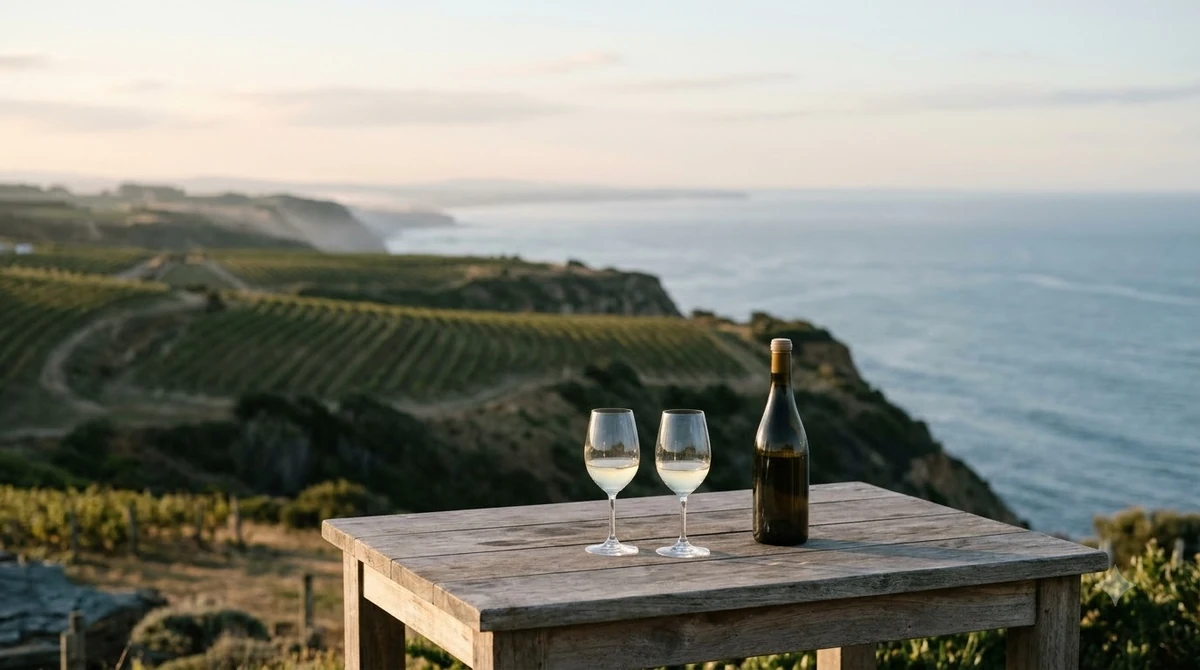
According to Sannio Consorzio Tutela Vini, Falanghina covers about 3,000 hectares in Campania, or roughly 15% of the region’s vineyard area. The same consortium reports about 2,261 hectares in Benevento, representing approximately 80% of Campania’s Falanghina plantings. Those figures help explain why Falanghina del Sannio is such an important regional expression: the grape is not simply a coastal specialty around Naples; it is also a defining variety of the inland Sannio district. The Sannio Consorzio Tutela Vini profile offers the consortium’s regional overview.
The consortium traces the grape’s rediscovery and renewed spread in Benevento to the 1970s, particularly around Sant’Agata dei Goti. It describes the variety as centuries old, but its modern reputation grew as producers brought it back into focus and began bottling it on its own. Wine Enthusiast links the improvement in Falanghina’s reputation from the mid-1990s to modern fermentation methods, especially stainless-steel vessels that help preserve delicate aromas; its Falanghina overview also distinguishes the two commonly named varieties.
Campi Flegrei offers a different point of reference. This volcanic area includes places such as Pozzuoli, Bacoli, Monte di Procida, Quarto, and Procida, and the regional agriculture authority describes its DOC Falanghina as straw yellow, sometimes with greenish reflections, and dry, harmonious, and soft in flavor. These coastal wines often make a compelling contrast with the Benevento examples: the former are associated with a volcanic landscape close to the sea, while the latter come from inland hills and a broader range of growing conditions. Falanghina Flegrea is sometimes linked to Falernian, the celebrated wine of ancient Rome. Wine Enthusiast says the exact relationship is uncertain, so this is best described as a possible historical connection, not a claim that a modern bottle reproduces the Roman wine.
Flavor, Aroma, Acidity, and Body
Falanghina is usually aromatic without being heavy, offering fresh fruit, floral notes, and a clean finish. Expect citrus and orchard-fruit character first, with more distinctive bottles adding herbs, tropical fruit, or a subtle stony impression.
Common aromas include lemon, orange peel, apple, pear, and white flowers. The Sannio consortium specifically describes apple and exotic-fruit notes alongside broom and hawthorn blossom. Wine Enthusiast highlights bitter orange, tangerine, candied citrus, floral, herbal, and tropical notes in Falanghina Beneventana. No bottle needs to show every descriptor; climate, harvest timing, and cellar choices affect the aromas.
On the palate, most examples are dry and refreshing. Acidity is commonly medium to high, giving the wine enough lift to work with seafood, tomato-free vegetable dishes, and foods with lemon or herbs. Some bottlings feel rounder and softer, while others are more sharply citrus-driven. A gentle bitter-almond or citrus-pith impression can appear toward the finish, adding definition without making the wine taste harsh. Body is generally light to medium, although fuller examples exist. Falanghina has little tannin. Alcohol levels vary; the Campi Flegrei DOC sets a minimum of 11% for its still Falanghina, while individual bottles may be higher.
Oak is not a defining requirement. Many producers use stainless steel to retain freshness and aromatic clarity, while a producer may choose other techniques to build texture or complexity. A stainless-steel version is an easy introduction; a more layered bottle may show ripe fruit, a broader mid-palate, or a mineral edge. For a closer look at the aromas and structure, see these Falanghina tasting notes.
Styles, Appellations, and Winemaking Choices
Falanghina appears under several regional names, and those names can help identify where the grapes were grown and what kind of wine was made. Falanghina del Sannio and Campi Flegrei DOC are two useful starting points, while broader Campania IGT bottlings can offer a more flexible regional expression.
Falanghina del Sannio DOC is centered on Benevento and includes the subzones Taburno, Sant’Agata dei Goti, Solopaca, and Guardiolo. The Sannio consortium lists still wine, late-harvest wine, quality sparkling wine, and sweet passito among the recognized types. That range shows why the grape should not be reduced to one narrow taste profile. A straightforward still bottling is the style many drinkers encounter first, but sparkling and dessert expressions are part of the region’s established wine identity too.
Campi Flegrei DOC is linked to the Naples-area municipalities of Procida, Pozzuoli, Bacoli, Monte di Procida, and Quarto, as well as part of Marano di Napoli. For its Falanghina, the Campania regional agriculture authority specifies at least 90% Falanghina, with other grapes permitted up to 10%. The same specification allows a sparkling version identified as Brut or Extra Dry. Those details apply to the Campi Flegrei DOC designation; they should not be assumed to govern every bottle labeled simply Falanghina. Wine Enthusiast notes that Falanghina Beneventana wines are often labeled Falanghina Beneventano IGT, a spelling difference that can catch readers by surprise. A grape name and an appellation name do not always use exactly the same grammatical form, so look at the full designation to separate the variety from the place-based category.
| Label or style | Geographic cue | Useful detail |
|---|---|---|
| Falanghina del Sannio DOC | Benevento province | Includes 4 named subzones: Taburno, Sant’Agata dei Goti, Solopaca, and Guardiolo |
| Campi Flegrei DOC Falanghina | Naples-area volcanic district | At least 90% Falanghina; minimum alcohol 11% for the still wine |
| Campi Flegrei sparkling Falanghina | Campi Flegrei DOC | May be designated Brut or Extra Dry |
| Passito | Associated with Sannio production | A sweet style made from grapes dried after harvest |
Winemaking also shapes the result. Stainless-steel fermentation can retain fruit and floral aromas, while maturation choices affect texture. Earlier-picked grapes tend to taste brisker and more citrus-driven; riper fruit can bring softer texture and yellow-fruit notes. When choosing a bottle, start with the occasion. A dry still bottle suits an aperitif or seafood dinner; sparkling Falanghina works for a celebratory pour, while passito belongs with dessert.
How to Serve and Store Falanghina
Serve most still Falanghina cool, around 45–50°F, so its citrus, orchard-fruit, and floral aromas remain clear without making the wine seem muted. Sparkling versions should be colder, while a fuller or more textured white can be allowed a little more warmth in the glass.
A useful target for a typical light-to-medium-bodied Falanghina is 45–50°F. Wine Enthusiast gives a wider range of 45–55°F for bottles with more body or concentration. If the wine is very cold, give it a few minutes in the glass so apple, pear, floral, and herbal notes can emerge.
Tip: Chill a still Falanghina in the refrigerator before serving, then pour a small first taste. If the aromas seem subdued, let the glass warm for 5–10 minutes rather than allowing the whole bottle to sit out.
Use a standard white-wine glass with a bowl that gathers the aromas while leaving room to swirl. A 5-ounce pour gives the wine room to open, and a 750-milliliter bottle provides about five servings. Store unopened bottles away from sunlight and temperature swings, ideally near 55°F; keep cork-finished bottles on their sides. Most fresh, unoaked Falanghina is best enjoyed young, when its fruit and floral notes are vivid. After opening, refrigerate the bottle with a stopper. A still white wine generally keeps for 3–5 days, though its aromas gradually fade; let it warm slightly before pouring.
Falanghina Food Pairings
Falanghina’s bright acidity, modest tannin, and fresh fruit make it particularly good with seafood, vegetables, and lighter foods. Its best matches tend to use lemon, herbs, olive oil, or gentle seasoning rather than heavy sweetness or aggressive chili heat.
Seafood is a natural starting point. Pair a crisp bottle with grilled shrimp, scallops, clams, mussels, or white fish served with lemon and parsley. The Campania regional authority specifically recommends seafood, including raw shellfish, as well as grilled or sauced fish and crustaceans for Campi Flegrei DOC Falanghina. The Sannio consortium also recommends fish, so this is a pairing with strong regional roots rather than a fashionable invention. Vegetarian dishes work well when the wine’s freshness meets similar ingredients on the plate. Try it with zucchini, artichokes, asparagus, green salads, vegetable soups, or pasta with a light white sauce. The Sannio consortium names pasta and rice dishes with white sauces, vegetable soups, and fresh, mild pasta-filata cheeses among suitable matches. Avoid piling on too much vinegar or a sharp citrus dressing: very acidic food can make a wine seem softer and less lively, so the dressing should be balanced rather than aggressively sour.
Chicken and other simply prepared white meats are also good options. Roast chicken with thyme, grilled turkey, or a chicken salad with herbs and olive oil gives the wine enough flavor to complement without overwhelming it. Fresh mozzarella and other young, mild cheeses are easier matches than very aged, salty cheeses. Salt and fat can soften tannin in red wines, but Falanghina has little tannin to soften; the key here is keeping the cheese’s intensity in balance with the wine’s freshness. Pizza is another regional possibility. The Sannio consortium calls Falanghina an ideal partner for traditional Neapolitan STG pizza, making it a useful choice for a margherita or a vegetable-topped pie. For richer toppings, look for a bottle with a little more body rather than the lightest, most delicate style. The wine’s acidity can refresh the palate between bites, while its fruit and floral character work with tomato, herbs, and mild cheese. For a simple menu, pair grilled prawns or clams with lemon-herb chicken and sautéed vegetables; a dry still Falanghina can accompany both courses. See the guide to Falanghina food pairing for more ideas. Sweet passito suits fruit tarts, pastries, or desserts with custard and yellow fruit. A dessert wine should generally be at least as sweet as the dish, so choose a dessert that will not make the passito taste thin or sour.
Frequently Asked Questions
These answers clarify pronunciation, regional naming, and the less common sweet and sparkling expressions alongside the dry wines most often poured at the table.
How do you pronounce Falanghina?
Say it “fah-lahn-geeh-nah,” with a hard “g” sound. The pronunciation is Italian, so keep the syllables even rather than stressing the final “na.”
Is Falanghina the same grape as Greco?
No. Falanghina and Greco are separate grape names, even though Falanghina is sometimes called Falanghina Greco in wine references. The shared naming can create confusion, so look for the full grape or appellation wording rather than treating the varieties as interchangeable.
Why do I see both Beneventana and Beneventano on labels?
Beneventana is used for the grape variety name, while Beneventano appears in the name of the Benevento IGT designation commonly used on these wines. The difference reflects the wording of the variety versus the geographic wine category, not necessarily a different grape in the bottle.
Can Falanghina be made into a sweet wine?
Yes. The Sannio tradition includes passito, a sweet wine made from grapes that are dried after picking so their sugars and flavors become more concentrated. This is a distinct style from the dry still Falanghina most often served with seafood or pasta.
Can Falanghina be sparkling?
Yes. Campi Flegrei DOC recognizes sparkling Falanghina in Brut and Extra Dry versions; on the standard sparkling-wine sweetness scale, Extra Dry is actually sweeter than Brut. Sannio also recognizes a quality sparkling expression, so bubbles are an established regional style rather than an unusual experiment.
Falanghina is a versatile Campania white that rewards attention to both grape and place. Choose a dry still bottle for seafood, vegetables, or pizza, explore Campi Flegrei and Sannio to compare regional character, and save passito or sparkling versions for the occasions they suit best.
More in Wine Types & Grapes
 Zinfandel Sugar Content: Dry Red vs. White Zinfandel GramsUpdated Nov 21, 2026
 Best Zinfandel Substitute Options for Sipping and CookingUpdated Nov 21, 2026
 Zweigelt Food Pairing: Best Dishes, Cheeses, and Serving TipsUpdated Nov 21, 2026
 Zinfandel Tannins Explained: How Structure Shapes Every BottleUpdated Nov 21, 2026
 Zinfandel Sweetness Level: Dry Red vs. Sweet White Zin ExplainedUpdated Nov 21, 2026
 Xinomavro Food Pairing: Best Dishes, Styles, and Serving TipsUpdated Nov 21, 2026