


We may earn a commission when you buy through links on this page, at no extra cost to you. Learn more.
Eger wine is Hungarian wine from the historic Eger region, best known for its spicy Egri Bikavér red blend and aromatic Egri Csillag white blend. Located in northeastern Hungary near the Bükk Mountains, Eger produces distinctive wines shaped by cool nights, varied vineyard elevations, and volcanic and sedimentary soils. Its combination of indigenous grapes, international varieties, and carefully defined wine classifications makes the region particularly interesting for anyone exploring Central European wine.
Hungary is internationally associated with Tokaj’s sweet wines, but Eger offers a different perspective on the country’s winemaking traditions. The region produces expressive dry reds, refreshing whites, and blends that reflect both historical grape-growing practices and contemporary winemaking. Understanding its signature wines, principal grapes, vineyard geography, and food traditions makes it easier to recognize what distinguishes an Eger bottle and which styles deserve a place at the table.
Where Eger Wine Comes From and What Makes It Distinctive
Eger’s identity comes from its position in northeastern Hungary, where the southern slopes of the Bükk Mountains create favorable conditions for growing both red and white grapes. The region combines a relatively cool climate with sunny growing conditions, resulting in wines that can offer ripe fruit without losing their characteristic freshness.
The wine district sits within the broader Upper Hungary wine-growing area. Its landscape includes rolling hills, elevated plateaus, gentle slopes, and distinctive geological formations. Vineyards around Eger, Noszvaj, Egerszalók, and Egerszólát demonstrate how much variation can exist within a relatively compact geographical area. Individual vineyard positions influence sunlight exposure, drainage, temperature, and the eventual character of the grapes.
The Hungarian wine organization Magyar Bor reports that the district has an average annual temperature of approximately 10-11 degrees Celsius, annual precipitation of around 600 millimeters, and nearly 2,000 sunshine hours. These figures help explain the balance between ripeness and freshness that characterizes many regional wines.
The nearby Bükk Mountains provide protection from severe winter conditions. During summer and autumn, mountain winds bring cooler air into the vineyards after warm daytime temperatures. This day-to-night temperature variation helps grapes retain acidity and primary fruit aromas as they mature.
Geology is another important part of Eger’s identity. Volcanic rhyolite tuff is widespread, but the district also contains limestone, clay marl, sandstone, slate, gravel, and sandy deposits. These geological differences mean that two wines made from similar grapes can have noticeably different structures and aromatic profiles.
For a broader geographical overview, explore our Eger wine region article, which examines the landscape and the area’s distinctive wine-growing traditions in greater detail. The official Eger Wine Region website also provides an introduction to the region’s geography, signature blends, and winemaking identity.
Egri Bikavér: Understanding Hungary’s Famous Bull’s Blood
Egri Bikavér, or Bull’s Blood of Eger, is the region’s signature red blend and one of Hungary’s most recognizable wine styles. Rather than emphasizing one grape variety, it combines several grapes to create a balanced wine with fruit, spice, structure, and regional character.
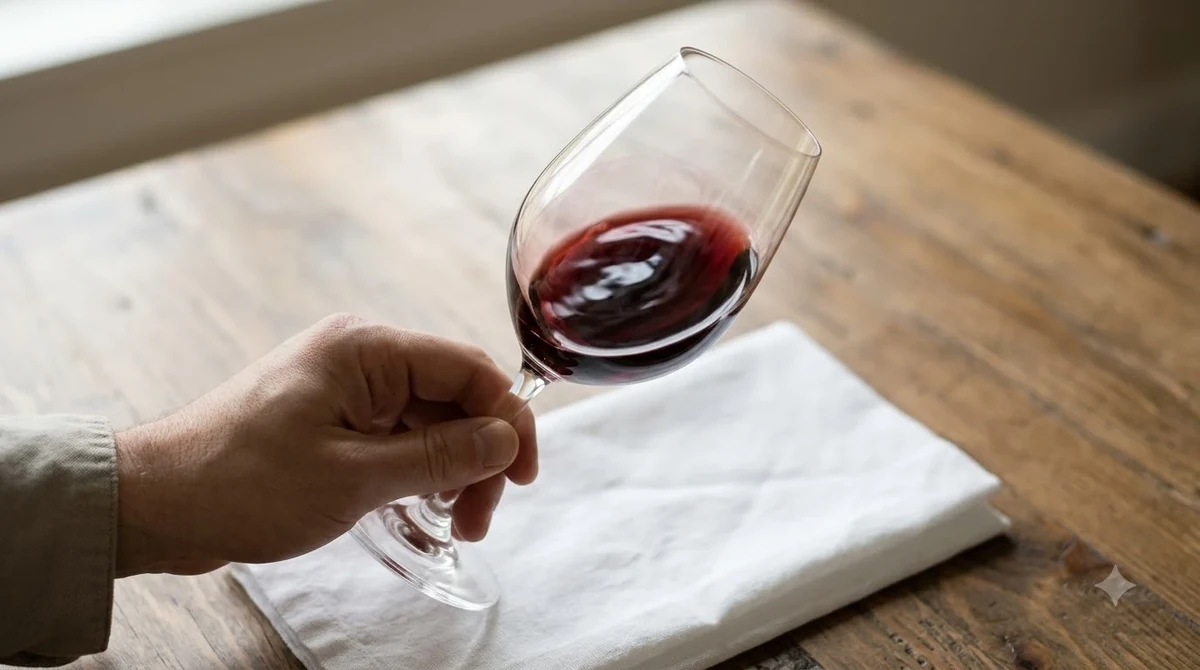
The name Bikavér has a long history, although the modern wine style developed during the early 20th century. Hungarian winemaker Jenő Grőber is credited with formulating the modern blend using French winemaking experience. The grape-growing structure of the region had changed considerably after phylloxera damaged vineyards between 1880 and 1910, creating the foundation for modern Eger wine production.
Kékfrankos, known internationally as Blaufränkisch, is the essential grape behind the modern Bikavér identity. It contributes acidity, red and dark fruit flavors, and a distinctive spicy character. Other permitted varieties can include Kadarka, Merlot, Cabernet Sauvignon, Cabernet Franc, Syrah, Pinot Noir, and Zweigelt, depending on the blend’s classification and producer choices.
The exact proportions differ between producers and classifications, so Bikavér is not a single fixed recipe. The purpose is to create a harmonious blend in which no individual grape overwhelms the others. Typical examples combine cherry, plum, black pepper, dried herbs, and earthy notes, with acidity supporting the fruit and helping the wine remain balanced.
Although the English translation sounds powerful, Bikavér does not necessarily mean a heavily tannic or excessively alcoholic wine. Many examples have moderate tannin, lively acidity, and a more restrained structure than some international Cabernet Sauvignon blends. Oak maturation can introduce additional spice, cedar, and toasted notes, particularly in more ambitious bottlings.
One important feature of Bikavér is its regulatory minimum of four grape varieties. The region’s rules emphasize blending rather than allowing a single variety to dominate the wine’s identity. This approach preserves the traditional character of the style while giving individual producers room to express different vineyard sites and winemaking preferences.
According to Hungary’s official tourism authority, Bikavér is typically a concentrated, spicy, and fruity red cuvée with a long history. For a reliable introduction, compare a younger, fruit-driven example with a more structured bottle from a higher classification. The difference can reveal how grape selection, vineyard location, and maturation influence the finished wine.
Egri Csillag and the White Wines of Eger
Egri Csillag, meaning Star of Eger, is the region’s signature white blend and the natural companion to Egri Bikavér. Introduced in 2011, it gives local producers a way to express Eger’s cool-climate freshness and indigenous white grape heritage through a distinctive regional wine.
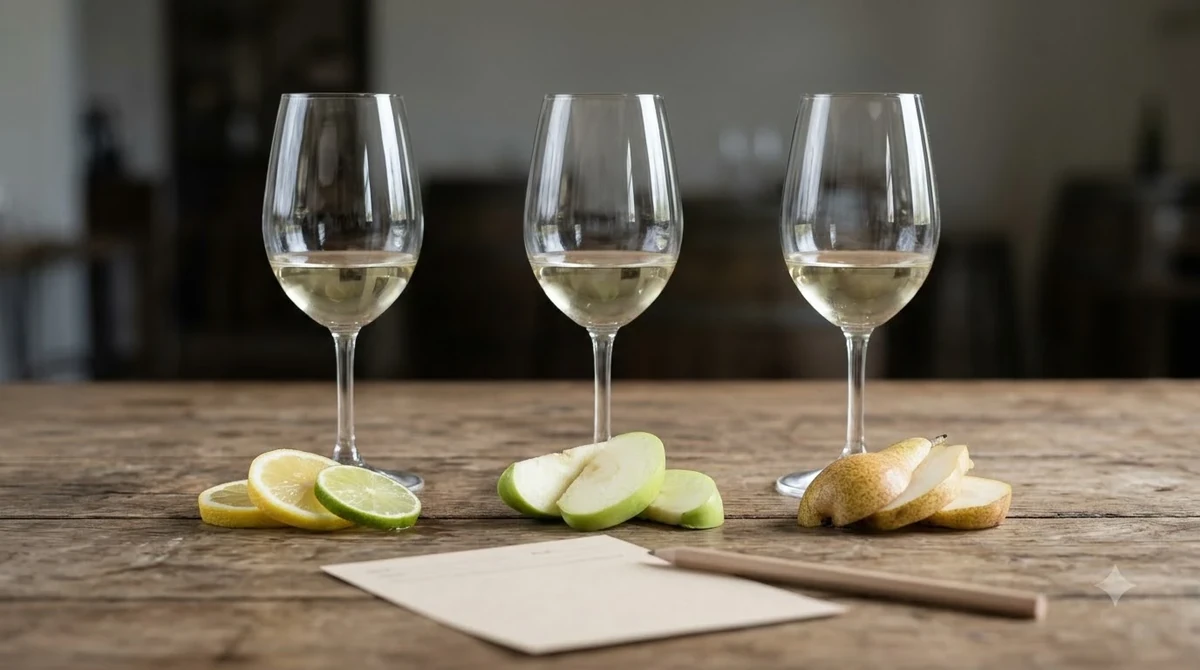
Unlike a single-variety Chardonnay or Sauvignon Blanc, Egri Csillag is built around the harmony of several grapes. Its composition emphasizes local varieties, although international grapes can also contribute depending on the classification and production rules. The intention is to produce a recognizable regional style rather than a wine dominated by one familiar international variety.
Classicus Egri Csillag generally emphasizes fresh fruit, floral aromas, and a lighter, more immediate drinking style. Aromas can include apple, pear, citrus, white flowers, and subtle herbal notes. The wine’s acidity provides freshness, making it suitable as an aperitif and a versatile companion for lighter meals.
Superior and Grand Superior versions can show greater depth, texture, and mineral character. Some examples receive maturation in small wooden barrels, which can add gentle spice and a broader mouthfeel. These wines may be more structured and concentrated while maintaining the freshness that distinguishes the region.
Beyond Egri Csillag, Eger produces several noteworthy varietal white wines. Olaszrizling, known as Welschriesling in some markets, is an important Central European variety that can offer apple, citrus, herbal notes, and refreshing acidity. Leányka is another traditional Hungarian grape, often associated with delicate floral aromas and approachable fruit.
Other white varieties grown in the district include Chardonnay, Sauvignon Blanc, Riesling, Hárslevelű, and Furmint. Their styles vary considerably, from crisp and aromatic wines to fuller-bodied examples with more texture. This diversity means Eger should not be viewed exclusively as a red-wine destination.
For American consumers unfamiliar with Hungarian white varieties, Egri Csillag is a particularly useful starting point. It introduces regional grapes and blending traditions without requiring detailed knowledge of each variety. A chilled bottle alongside grilled freshwater fish, roast chicken, or vegetable dishes provides a straightforward introduction to its character.
Grape Varieties, Vineyard Soils, and Regional Classifications
Eger’s wines reflect a broad collection of Hungarian and international grapes, together with vineyard sites that vary in elevation, exposure, and geology. Understanding these differences helps explain why a regional blend can taste different from one producer to another.
Kékfrankos is particularly important for red wines because of its acidity, red-fruit character, and ability to maintain freshness. Kadarka contributes aromatic spice and a lighter structure, while Merlot can add rounder fruit and softer tannins. Cabernet Franc, Cabernet Sauvignon, and Syrah can contribute additional body, color, and structure when used in appropriate proportions.
White grapes provide a similarly varied palette. Leányka brings floral aromas, Olaszrizling contributes freshness and versatility, and Chardonnay can add texture and a broader palate. Riesling and Sauvignon Blanc provide recognizable aromatic and acidic characteristics that appeal to consumers familiar with international white wines.
Soil is especially important because the district contains several geological formations. Volcanic rhyolite tuff is widespread, particularly in parts of the southern and western wine-growing areas. Other vineyards sit on limestone, clay marl, sandstone, and sandy sediments.
Nagy-Eged Hill is one of the region’s most interesting vineyard sites. It rises to approximately 537 meters and differs from many surrounding vineyards because its geology is associated with Triassic limestone and characteristic calcareous formations. According to Magyar Bor, the site receives approximately 550 millimeters of annual precipitation and around 2,100 sunshine hours.
Other notable vineyard names include Sík-hegy, Pajados, Tekenő-hát, Grőber, and Kántor-tag. Sík-hegy has southeastern to southwestern exposure and benefits from warmth reflected by the nearby Nagy-Eged massif. Pajados has relatively thin topsoil above rhyolite tuff, contributing to wines described as mineral and warm in character.
The regional classification system also helps buyers understand the intended style and production standards. The following comparison provides a practical starting point for reading the principal quality categories.
| Classification | Typical character | What to expect |
|---|---|---|
| Classicus | Fresh, approachable, fruit-driven | Emphasis on varietal harmony and immediate drinkability |
| Superior | Greater concentration and structure | More pronounced vineyard expression and maturation potential |
| Grand Superior | More site-specific and complex | Stricter vineyard-origin requirements and greater emphasis on individual sites |
These categories are not simply informal descriptions of flavor. They are connected to production specifications and geographical origin requirements. Grand Superior wines have particularly strong vineyard connections, with designated vineyard sites playing an important role in their identity.
The origin-protection system developed over several decades. Egri Bikavér production rules were adopted in 1997 and became official in 2002. A broader framework introduced Egri Csillag and the Grand Superior category in 2011. Subsequent regulatory changes standardized the minimum number of grape varieties in Bikavér blends.
In 2023, Egri Bikavér and Egri Csillag received separate PDO designations. Their established production specifications were retained, preserving the important standards associated with these two regional wine styles.
How to Taste, Serve, and Pair Eger Wines
The best way to appreciate Eger is to consider the wine’s acidity, tannin, body, and fruit character before selecting food. The region offers both refreshing whites and structured reds, so the ideal pairing depends on the particular blend rather than simply its Hungarian origin.
Egri Bikavér works particularly well with dishes that have enough flavor and richness to complement its fruit and spice. Hungarian cuisine offers natural examples, including beef goulash, roasted pork, grilled sausages, and paprika-seasoned meat dishes. The wine’s acidity cuts through richer preparations, while moderate tannins provide structure alongside protein and fat.
For lighter Bikavér bottlings, consider roast chicken, grilled mushrooms, herb-seasoned pork, or tomato-based pasta. More structured examples can accompany beef short ribs, slow-cooked lamb, and roasted game. If the wine has pronounced oak influence, dishes with browned or grilled surfaces can complement its toasted and savory characteristics.
Egri Csillag offers a different range of pairing possibilities. Its acidity and floral fruit make it suitable for freshwater fish, grilled chicken, vegetable risotto, salads, and mild cheeses. More concentrated versions can also work with roast turkey, pork tenderloin, and creamy mushroom dishes.
The following table provides useful starting points for matching common Eger styles with food and serving temperatures.
| Wine style | Serving temperature | Food pairing |
|---|---|---|
| Egri Csillag Classicus | 45-50°F | Freshwater fish, salads, goat cheese |
| Egri Csillag Superior | 50-55°F | Roast chicken, mushroom risotto |
| Light Egri Bikavér | 55-60°F | Grilled vegetables, pork, tomato pasta |
| Structured Egri Bikavér | 60-65°F | Beef goulash, lamb, grilled steak |
| Olaszrizling | 45-50°F | White fish, shellfish, mild cheeses |
| Leányka | 45-50°F | Light appetizers, chicken, vegetable dishes |
Serving temperature matters because excessive warmth can make alcohol feel more prominent, while excessive chilling can suppress aromas and flavor. A lighter red served at 55-60°F can feel fresher and more balanced than the same wine served at typical room temperature. Fuller reds generally benefit from slightly warmer conditions, around 60-65°F.
Young, structured Bikavér can benefit from decanting for approximately 30-60 minutes, especially if it has significant concentration or noticeable oak influence. This gives the wine time to open and makes its fruit and spice characteristics easier to appreciate. Lighter Classicus examples generally require less preparation.
Tip: For a simple Eger tasting, open one Classicus Egri Csillag and one Classicus Egri Bikavér. Serve the white at approximately 48°F and the red at approximately 58°F. Compare their acidity, fruit character, and texture alongside a plate of mild cheese, roast chicken, and Hungarian-style paprika-seasoned meat.
One useful principle is to match the intensity of the wine with the intensity of the dish. A delicate white blend can disappear beside heavily seasoned beef, while a more structured red may overwhelm a light fish preparation. Balance is more important than following a rigid regional pairing rule.
Exploring Eger Wineries, Cellars, and Wine Festivals
Visiting Eger provides an opportunity to experience the wines where their history and traditions developed. The city combines historic architecture, traditional cellar culture, regional food, and access to vineyards in nearby villages.
One of the area’s most recognizable wine destinations is Szépasszony Valley, often translated as the Valley of the Beautiful Woman. It is known for its traditional wine cellars, where visitors can encounter wines from different local producers. Its cellar-lined surroundings make it a convenient starting point for people who want to compare several regional styles in one visit.
Beyond the city, vineyard villages such as Noszvaj, Egerszalók, Egerszólát, Ostoros, and Demjén offer additional opportunities to understand the region’s diversity. These communities are associated with distinct vineyard environments, and some producers emphasize single-vineyard bottlings to demonstrate the differences between sites.
Small and medium-sized wineries form an important part of Eger’s modern wine culture. St. Andrea, Thummerer, Bolyki, and Bukolyi are among the producer names associated with the region. Their portfolios offer opportunities to explore different interpretations of the local grape varieties and regional blends.
Wine tourism is not limited to winery visits. The official Hungarian tourism authority highlights the Eger Wine Festival, Egri Bikavér Festival, and autumn Harvest Festival as important opportunities to experience local wines and traditions.
These events provide a useful way to compare producers without relying on a single bottle. Visitors can encounter multiple interpretations of Bikavér and Csillag, discover local food specialties, and learn about differences in blending and maturation.
The Hungarian tourism authority also reports that winery tasting programs are available throughout the year and that a fixed Saturday bus service facilitates visits to participating cellars. Travelers should confirm individual winery schedules and tasting arrangements before planning a visit. The official Hungary tourism guide to wine in Eger provides additional information about tasting opportunities and local celebrations.
For a closer look at the area’s wine-growing landscape, our Eger vineyards article explores the relationship between vineyard locations and wine styles. Travelers interested in seasonal celebrations can also consult our Eger wine festival coverage.
Visitors who want to broaden their Hungarian wine knowledge can explore our Wine Regions resources, which explain how geography, climate, grape varieties, and winemaking traditions influence wines from different parts of the country and beyond.
Frequently Asked Questions
Why is Egri Bikavér called Bull’s Blood?
The name is associated with a historical legend connected to the Ottoman siege of Eger in 1552. According to the popular story, Hungarian defenders appeared to have blood around their mouths after drinking red wine, leading Ottoman soldiers to believe they had consumed bull’s blood. The story is part of local wine folklore rather than a documented explanation of the modern blend’s production.
Is Eger wine always dry?
No. Although dry red blends and dry white wines are particularly prominent, the broader region also produces wines in different sweetness styles. Debrői Hárslevelű, associated with the Debrő area, can range from dry to sweet depending on the producer and classification. This makes it useful to distinguish the style of an individual bottle rather than assume every Hungarian wine has the same sweetness level.
What does the Hungarian grape Kékfrankos mean in international wine shops?
Kékfrankos is internationally known as Blaufränkisch, particularly in Austria and other Central European wine markets. The grape is also called Lemberger in some regions. Its different names refer to the same variety, which is valued for its acidity, dark berry flavors, and spicy character.
Can Eger wines age in the cellar?
Yes, particularly well-structured Superior and Grand Superior wines. Their acidity, fruit concentration, and balanced structure can support bottle development, although aging potential depends on the individual producer, vintage, and wine. Many lighter Classicus bottlings are better enjoyed while their fresh fruit character remains prominent.
How is Eger different from Hungary’s Tokaj wine region?
Eger is particularly recognized for red blends such as Egri Bikavér and white blends such as Egri Csillag. Tokaj, in northeastern Hungary, is internationally famous for its traditional sweet wines made from varieties including Furmint and Hárslevelű. Both regions produce dry wines as well, but their most recognizable historical wine identities are different.
Eger offers a compelling combination of Hungarian winemaking history, distinctive volcanic and limestone vineyards, indigenous grape varieties, and expressive regional blends. Start with Egri Bikavér and Egri Csillag to understand the region’s defining styles, then explore individual producers and vineyard classifications to discover its wider range. Whether enjoyed with traditional Hungarian food or introduced through a comparative tasting, Eger wines provide a rewarding way to explore one of Central Europe’s most distinctive wine regions.
More in Wine Regions
 Willcox Wine Trail: Discover Arizona’s High-Elevation Wine CountryUpdated Nov 20, 2026
 Yakima Valley Wine Region: Find the Best Styles to TryUpdated Nov 20, 2026
 Vosne Romanee Wine Tasting: Identify Aromas and Choose Better PairingsUpdated Nov 20, 2026
 Yakima Valley Wine Festival: Find the Best Seasonal Wine EventsUpdated Nov 20, 2026
 Wales Vineyards: Discover Cool-Climate Wines and Where to VisitUpdated Nov 20, 2026
 Yountville Wine Festival: Discover Napa Wines and Local FoodUpdated Nov 20, 2026