

We may earn a commission when you buy through links on this page, at no extra cost to you. Learn more.
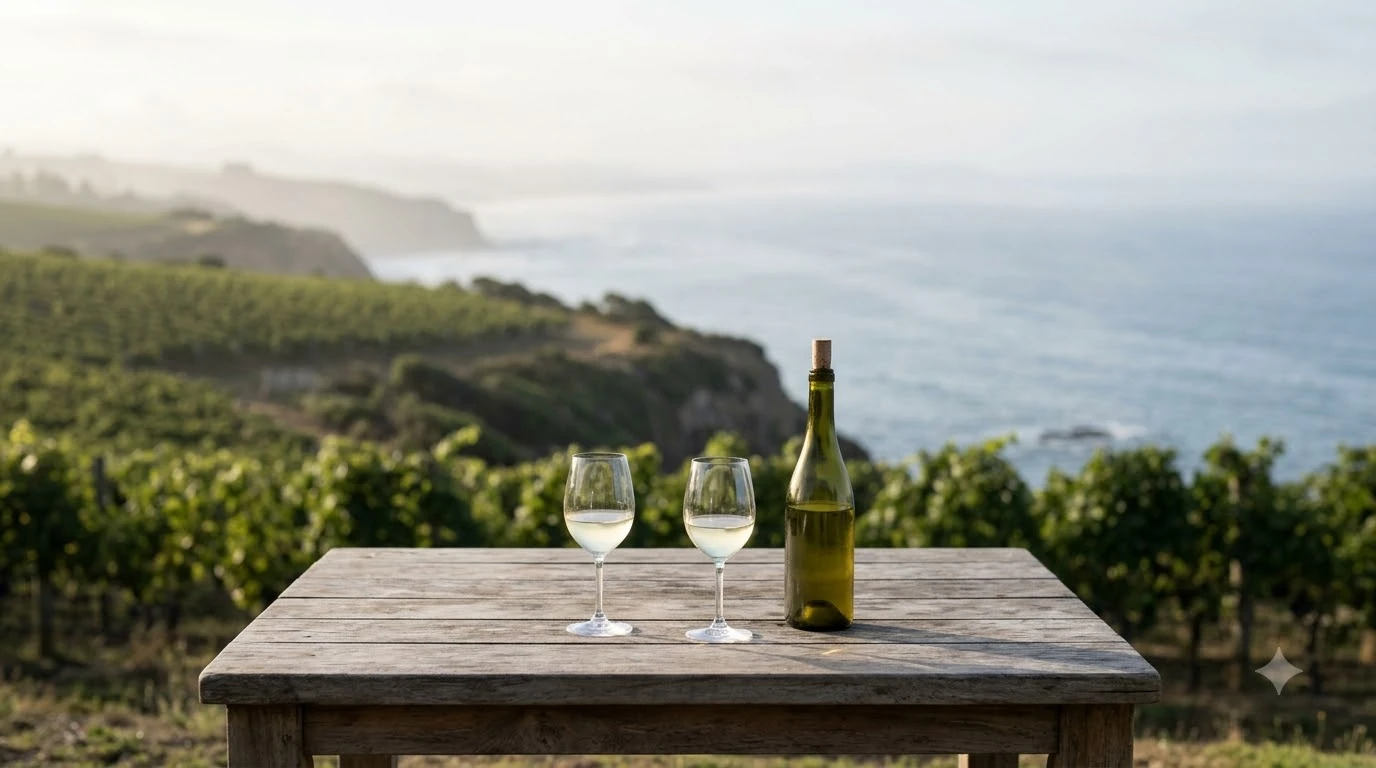
Cassis vineyards are a small coastal wine appellation in Provence, France, best known for dry white wines made primarily from Clairette and Marsanne. The vines grow within the commune of Cassis, where limestone hills, terraced slopes, and Mediterranean breezes shape the wines. Producers also make rosé and red wine, but white remains the region’s defining style.
Cassis sits on the Mediterranean coast east of Marseille, close to the limestone inlets of the Calanques. Its vineyards are compact and legally distinctive: AOC Cassis grapes must come from approved parcels in the commune itself. This guide explains the area’s climate, permitted grapes, wine styles, and local food traditions. For broader context, browse our guide to Wine Regions.
What Makes Cassis Wine Distinctive
Cassis is a small, coastal appellation whose best-known wines are dry whites rather than the pale rosés associated with much of Provence. Its narrow municipal boundary, maritime setting, and Clairette- and Marsanne-based blends give the name a clear identity.
The appellation lies in the Bouches-du-Rhône department, roughly 20 kilometers east of Marseille. Its protected name dates to 1936, when Cassis became one of France’s first wine appellations to receive AOC recognition. The growing area is not a loose collection of nearby villages: the grapes must come from approved parcels inside the commune of Cassis. A wine made a short drive away may belong to another Provence appellation even if its landscape looks similar.
Provence as a whole is widely associated with rosé, but Cassis built its reputation around white wine. Decanter describes it as the Provençal appellation that makes mostly white wine, with Clairette and Marsanne at the center. This is useful when choosing a bottle: shoppers seeking a coastal French white with more body than a very lean Sauvignon Blanc can start here, while those looking for a classic pale pink Provence rosé may want to compare other appellations. Cassis is also distinct from crème de cassis, the sweet blackcurrant liqueur associated with Burgundy; the two products have different ingredients and uses.
Landscape, Climate, and Coastal Terroir
The vineyards occupy a Mediterranean amphitheater: hills shelter the inland side while the open bay brings cooling sea air into the growing area. Roughly 3,000 hours of annual sunshine combine with maritime moderation to help grapes ripen without losing all of their freshness.
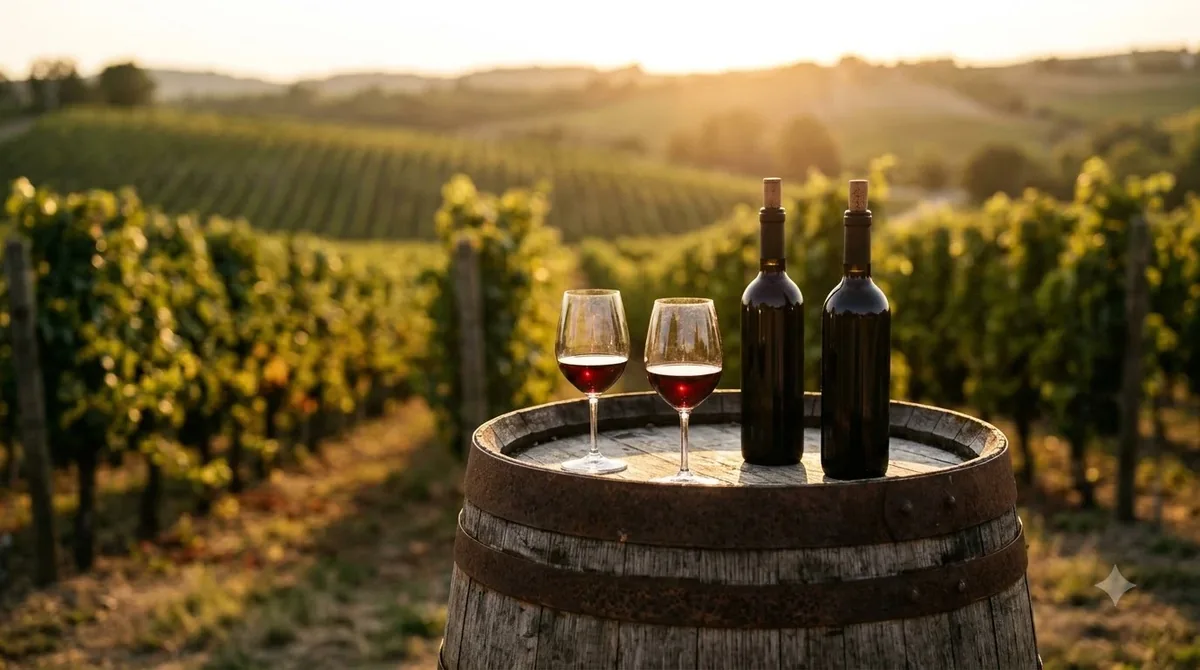
Cap Canaille rises to 416 meters above the sea, while the wider amphitheater is bordered by the Couronne de Charlemagne, Mont Carpiagne, and the Massif de la Gardiole. Vine parcels sit at approximately 10 to 150 meters above sea level, from the coast to about 3.5 kilometers inland. The appellation specification identifies three main slope systems: Le Plan to the west, Les Janots around a southwest-to-northeast valley, and the slopes running from Pignier and Revestel toward Les Janots.
Most parcels have well-drained clay-limestone soils, with limestone and dolomitic formations shaping the surrounding hills. Many vines grow on terraces called restanques, supported by stone walls on steeper slopes. The climate is warm and sunny: the official specification gives average temperatures of 23°C in summer, 17°C in autumn, and 11°C in winter, with annual rainfall averaging 670 millimeters. Rain arrives irregularly, but the amphitheater is relatively protected from the cold, dry Mistral; sea breezes temper summer heat and help preserve freshness.
The coastal setting is useful to compare with other maritime wine regions, though the climates are not interchangeable. Readers curious about a cooler island setting can compare Tasmania vineyards; Cassis is warmer, sunnier, and distinctly Mediterranean. “Coastal” alone does not explain a wine’s character: latitude, rainfall, topography, and prevailing winds all matter.
Grapes and Appellation Rules
Cassis wines may be white, rosé, or red, but the rules differ by color. Clairette and Marsanne anchor the whites, while Cinsault, Grenache, and Mourvèdre are the principal grapes for red and rosé wines.
For white wine, the appellation lists Clairette and Marsanne as principal varieties. Approved accessory grapes include Bourboulenc, locally called Doucillon Blanc, plus Pascal, Sauvignon Blanc, Terret Blanc, and Ugni Blanc. The two principal varieties must account for at least 60% of the relevant vineyard plantings, and Marsanne must represent 30% to 80%; Terret Blanc is limited to 5%. The planting rules are distinct from the proportions used in the final blend: Marsanne may make up 20% to 80% of the white blend, while the principal white grapes together must make up at least 60%.
For red and rosé, Cinsault, Grenache, and Mourvèdre must account for at least 70% of the vineyard plantings. The rosé rules allow a limited contribution from white grapes, capped at 20% for the specified group of accessory varieties, and Terret Noir is limited to 5% in both red and rosé plantings. The appellation specification also caps the base yield at 45 hectoliters per hectare and sets minimum natural potential alcohol at 11% for white and rosé and 11.5% for red. These thresholds create a framework for ripe, dry still wines without making every producer’s style identical.
| Rule in the AOC specification | Requirement | What it means |
|---|---|---|
| Principal white grapes in plantings | At least 60% | Clairette and Marsanne remain central to white Cassis. |
| Marsanne in white plantings | 30% to 80% | Growers can vary the balance of the white varieties. |
| Principal red or rosé grapes in plantings | At least 70% | Cinsault, Grenache, and Mourvèdre anchor these wines. |
| Maximum base yield | 45 hl/ha | The appellation has a defined production ceiling. |
| Minimum natural potential alcohol | 11% white and rosé; 11.5% red | Different minimums apply by wine color. |
For shoppers, the practical point is that AOC Cassis means a wine follows defined local rules, while individual bottles can still show different combinations of approved grapes. The planting percentages apply to the vineyard area used for the relevant color; the blend limits apply to the wine in the cellar. This explains why Marsanne’s permitted share of plantings and its permitted share of the finished white blend are not identical.
White, Rosé, and Red Wine Styles
Dry white wine is the clearest expression of Cassis, representing about 70% of production in the appellation specification. Expect wines that can feel both rounded and lively, with citrus, floral, fruit, and savory coastal notes rather than overt sweetness.
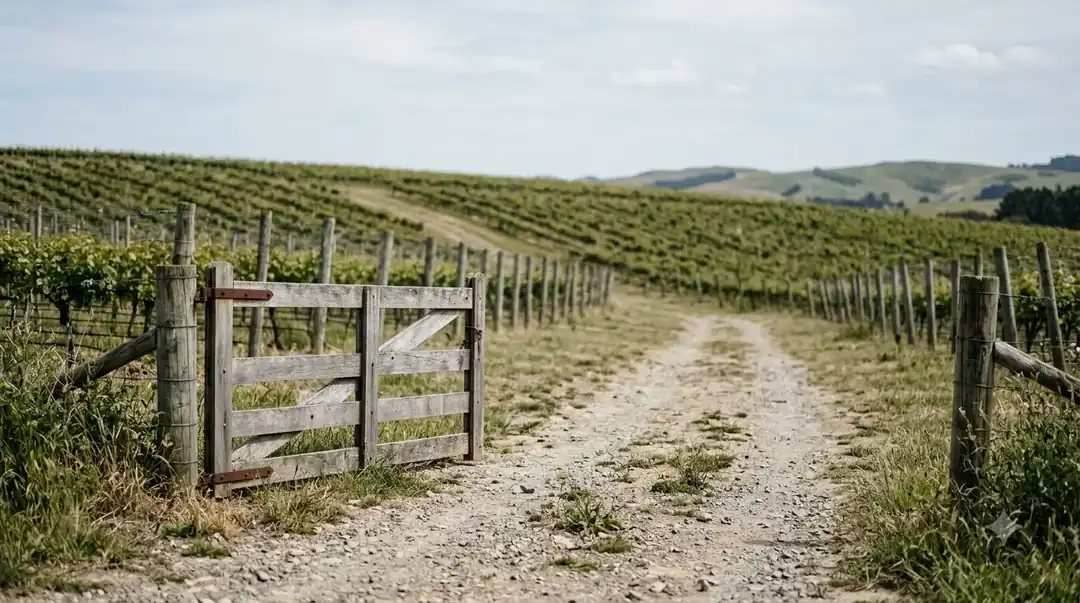
The official product description calls the whites dry and round, with floral, fruity, and balsamic aromas. It also identifies an iodine-like character and a freshness that can seem almost salty because of the sea’s influence. In the glass, that often suggests citrus peel, white flowers, orchard fruit, and a mineral or saline finish. The texture is usually more substantial than a very light aperitif white, while the coastal lift helps keep it from feeling flat. This balance makes the wines particularly useful at the table.
Clairette and Marsanne create the central contrast. Clairette is associated with freshness and aromatic clarity, while Marsanne can add weight and a broader mid-palate. Accessory grapes such as Ugni Blanc, Bourboulenc, and Sauvignon Blanc add variation from producer to producer. Do not assume every Cassis white tastes the same: harvest timing, vintage conditions, exact blend, and cellar choices all influence the final character.
Rosé is a smaller but established part of the appellation. Cinsault, Grenache, and Mourvèdre are its principal grapes, and the local description notes red-berry and citrus aromas. Those varieties can give the wine more Mediterranean fruit and structure than a neutral, very pale pink. Red Cassis is the least common color; the official description characterizes it as generous, with leather and underbrush notes and noticeable but integrated tannins. It is a natural choice for a meat-centered meal, but white remains the appellation’s calling card. For a quick comparison, think of Cassis white as a food-friendly coastal wine with more breadth than a very lean, high-acid style; Cassis rosé as a dry Mediterranean blend; and Cassis red as a less common, structured southern French red. In Decanter’s overview of Provence, Cassis is distinguished from the larger rosé-led appellations as a compact area with white blends built around Clairette and Marsanne.
How to Choose a Bottle of Cassis
Start with the AOC Cassis designation, then consider the producer and the wine’s color. Because the appellation covers a small area and a limited number of estates, producer identity can be more useful than relying on a broad Provence label alone.
Cassis Tourism describes about 215 hectares of vineyards, 10 estates, and 85% of vines either organically farmed or in conversion. Those figures convey the scale of the district: it is a compact vineyard community, not a vast production zone. The tourism office lists estates such as Château de Fontcreuse, Domaine du Paternel, Domaine du Bagnol, Domaine Cassis Bodin, and Domaine La Dona Tigana. Those names offer a starting point when researching producers or planning a visit.
For a first bottle, choose a white Cassis, the most representative style. Look for Clairette and Marsanne in the blend information, then consider the body you prefer: a wine emphasizing Marsanne may feel broader and rounder, while a stronger Clairette contribution can seem fresher and more lifted. Choose rosé for a fruitier warm-weather wine, or red for a more structured bottle with grilled meat or a slow-cooked dish. The appellation’s product description recommends enjoying whites young, so producer notes are useful when deciding whether a particular cuvée is suited to longer cellaring.
When researching a bottle, check the grape blend, alcohol level, vintage, and the producer’s notes on fermentation and aging. The AOC rules define permitted varieties, geographic origin, and production conditions; they do not make every cellar choice identical. Visitors can also build a producer search into a trip: the official Cassis Tourism vineyard overview describes local estates, terraces, and tasting activities facing the sea. Arrange appointments in advance, since small estates may have limited visitor hours during harvest or cellar work.
Food Pairings, Serving, and Storage
Cassis white is especially well suited to seafood because its dry profile, rounded texture, and coastal freshness can meet both delicate fish and richer local dishes. Serve it cool rather than ice-cold, and match the weight of the wine to the weight of the food.
Follow the local tradition and pour a white Cassis with bouillabaisse, fish soup, grilled sea bass, mussels, prawns, or shellfish. Its savory, almost saline impression can echo the sea, while enough body helps it stand up to broth or olive oil. Lemony seafood pasta, grilled squid, and simply prepared white fish are also good matches: the flavors are clear, but not so heavy that they overwhelm the wine.
Rosé pairs well with grilled fish, tomatoes, peppers, ratatouille, and chicken. Its red-fruit character suits charred vegetables and herbs, while its dry finish keeps the combination from seeming sweet. Red Cassis is better suited to grilled lamb, sausages, slow-cooked beef, or dishes with tomato, garlic, and herbs. Protein and fat can soften tannin, but delicate or oily fish is usually better with white or rosé because tannic red wine can clash with it.
Serve a fuller Cassis white at 50 to 55°F, rosé at 45 to 50°F, and red at 55 to 60°F. A very young, structured red can benefit from 30 to 60 minutes in a decanter, though many bottles can simply be opened and poured. A standard 5-ounce pour gives about five glasses from a 750-milliliter bottle. Store unopened bottles on their side near 55°F, away from temperature swings; refrigerate opened still wine and aim to finish it within three to five days. Build the pairing around weight: a fuller white can work with creamy fish stew or roast chicken, while a lighter white suits oysters. Chili heat can make alcohol and tannin seem more aggressive, so choose a fresher white or rosé for spicy food.
Tip: Chill a Cassis white, then pour a small taste before serving the meal. If it feels muted, let it warm for a few minutes in the glass; its floral, citrus, and savory notes often become clearer as the temperature rises.
Frequently Asked Questions
Cassis is a small appellation, but its rules answer several practical questions beyond the grape names on a label. The AOC covers three still wine colors, and its production calendar and cellar rules add useful detail for buyers and visitors.
Where can AOC Cassis wine be made?
The grapes must come from approved parcels within the commune of Cassis in the Bouches-du-Rhône department. The rules allow vinification, elaboration, and aging under a limited exception in neighboring Roquefort-la-Bédoule. That exception does not expand the vineyard area itself.
Does Cassis make sparkling wine?
No. The AOC specification reserves the name for still white, rosé, and red wines. A sparkling wine made in the area would not be covered by those three product categories.
When can a Cassis vintage be released?
The appellation specification requires the wines to be aged at least until January 15 of the year after harvest. Consumer sales can begin on February 1 of that following year, after the required aging period. This is a regulatory timetable, not a recommendation that every bottle must be held for years.
Do Cassis winemakers use oak?
The appellation rules prohibit the use of oak chips. That is different from aging wine in a barrel, so a producer’s cellar notes are the place to look for details about barrel use, vessel size, and time in wood. The grape blend and vintage can still have a strong influence on the final texture.
How long can a white Cassis wine age?
The appellation’s product description says its whites are generally enjoyed young but can be kept for about two to three years. That is a broad guide, not a guarantee for every bottle. Storage conditions and the producer’s approach make a difference, so follow an individual wine’s recommended window when one is provided.
Cassis offers a focused expression of coastal Provence: dry white blends, distinctive terraces, and a small set of red and rosé wines shaped by local rules. Start with a white made from Clairette and Marsanne, then explore the other colors to see how Cinsault, Grenache, and Mourvèdre express the same Mediterranean setting. Choose a bottle whose texture and freshness suit the meal you plan to serve.
More in Wine Regions
 Willcox Wine Trail: Discover Arizona’s High-Elevation Wine CountryUpdated Nov 20, 2026
 Yakima Valley Wine Region: Find the Best Styles to TryUpdated Nov 20, 2026
 Vosne Romanee Wine Tasting: Identify Aromas and Choose Better PairingsUpdated Nov 20, 2026
 Yakima Valley Wine Festival: Find the Best Seasonal Wine EventsUpdated Nov 20, 2026
 Wales Vineyards: Discover Cool-Climate Wines and Where to VisitUpdated Nov 20, 2026
 Yountville Wine Festival: Discover Napa Wines and Local FoodUpdated Nov 20, 2026