

We may earn a commission when you buy through links on this page, at no extra cost to you. Learn more.
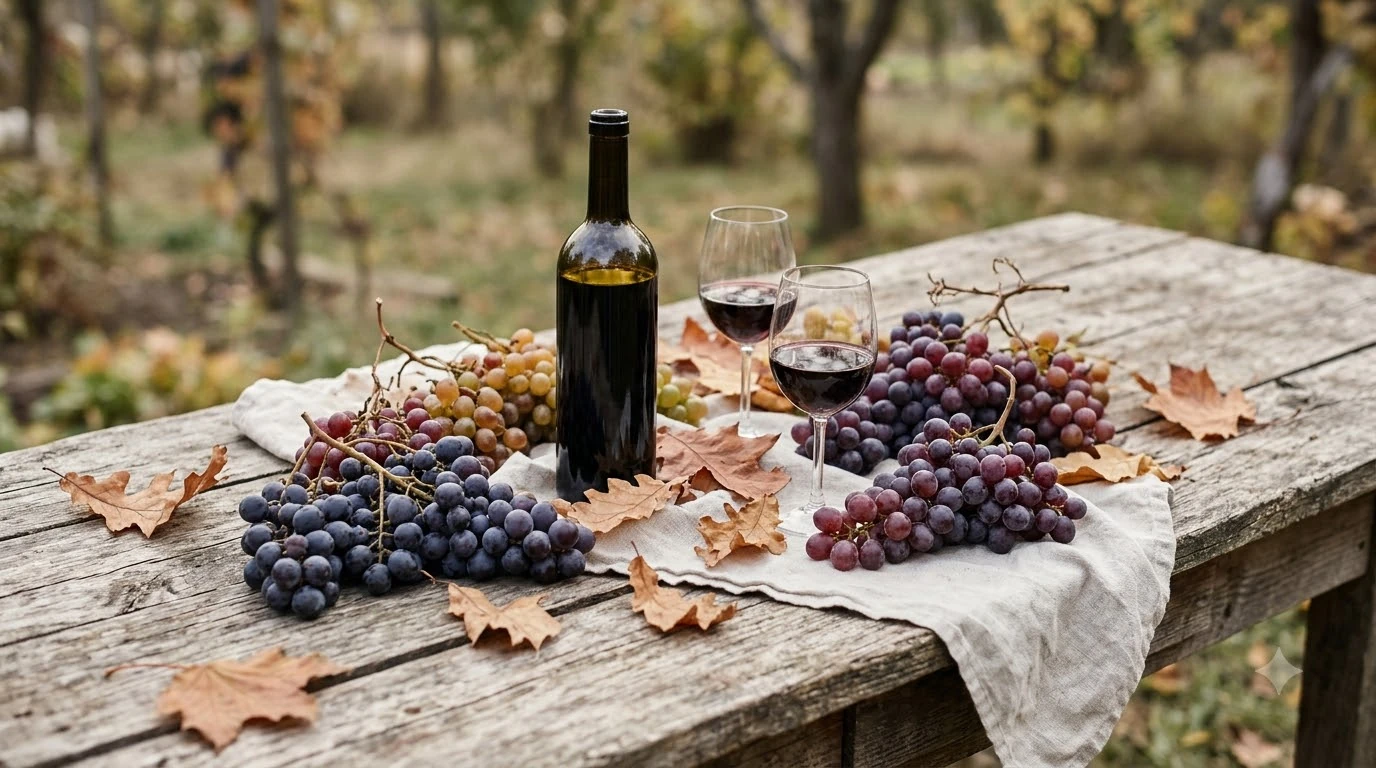
Organic Lambrusco is a sparkling red wine made from certified-organic Lambrusco grapes, most often in Italy’s Emilia-Romagna region. It can be pale or deeply colored, lightly fizzy or fully sparkling, and dry through sweet. The word “organic” describes verified farming and production standards; it does not tell you how sweet, bubbly, or tannic the wine will be. For a useful purchase, check both the organic claim and the wine’s grape, sweetness, and sparkling style.
Lambrusco is a family of red grape varieties rather than one uniform flavor profile. That range makes it possible to find a crisp aperitif, a savory dinner wine, or a softly sweet bottle for fruit and dessert. The best choice starts with knowing what the label can prove, then matching the style to the occasion.
What Organic Means on a Lambrusco Label
Organic Lambrusco begins with grapes grown under an approved organic standard, but a certified wine claim covers more than vineyard farming. In the United States, added sulfites disqualify a wine from the “organic” category, while “made with organic grapes” permits sulfur dioxide up to 100 parts per million. It does not automatically mean the wine is natural or biodynamic.
For a bottle sold in the United States, distinguish “organic” from “made with organic grapes.” The USDA allows the organic wine category only when the wine meets the applicable organic production rules, including no added sulfites. A wine made from certified-organic grapes may instead use the “made with organic grapes” category; the rules permit added sulfur dioxide within a maximum of 100 parts per million in the finished wine. That category cannot display the USDA organic seal.
This matters with imported Italian wine: a European organic claim can map to a different U.S. label category if sulfites are added. Look for the full claim and the certifier’s name on the information panel, not just a certification mark.
Organic status also says nothing about sweetness. A certified-organic Lambrusco can be secco (dry), amabile (medium-sweet), or dolce (sweet), and it can be frizzante (lightly sparkling) or spumante (fully sparkling). Decide whether you want a dry, brisk red for salumi or a softer, sweeter pour before choosing between bottles.
Tip: In a U.S. shop, read the exact wording rather than relying only on a green leaf, a vineyard statement, or the phrase “organically farmed.” “Organic” and “made with organic grapes” are separate wine-label categories, and added sulfites are the key difference for many bottles.
Lambrusco Grapes and Regional Styles
The grape name is one of the quickest ways to predict the wine’s color, weight, and acidity. Lambrusco di Sorbara tends to be pale, floral, and sharp with acidity; Lambrusco Grasparossa di Castelvetro is darker and more structured; Lambrusco Salamino often sits between those two profiles. These differences remain useful whether the wine is certified organic or conventionally farmed.
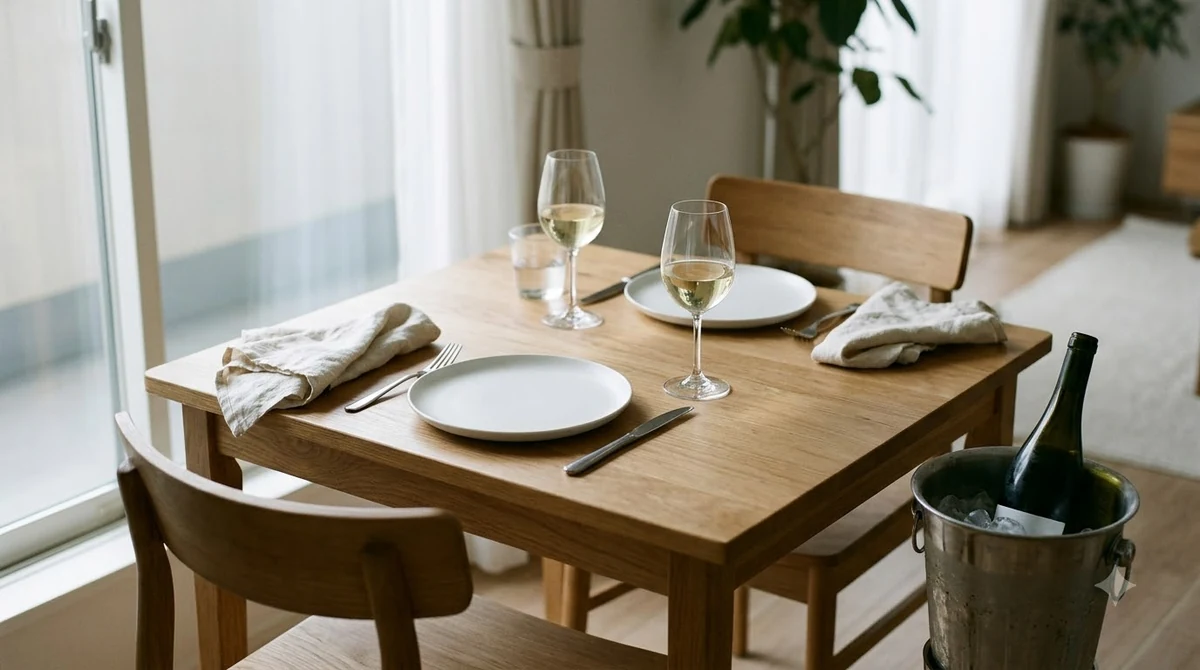
Lambrusco di Sorbara is the lightest and most delicate of the three familiar styles. Around Sorbara, north of Modena, the grape grows on sandy, fertile plains between the Secchia and Panaro rivers. Wines are often pale ruby or rose, with violet, wild strawberry, tart cherry, and a lively, mouthwatering finish. Choose Sorbara when you want a bright aperitif or a red that will not overwhelm delicate cured meats, tortellini in broth, or a simple plate of fresh cheese. Lambrusco Grasparossa di Castelvetro makes a deeper-colored, fuller-bodied wine with more tannic structure. Its traditional home is around Castelvetro, south of Modena, where the variety performs well on clay and silt soils and hillside sites. Expect dark cherry, blackberry, plum skin, and sometimes a pleasantly bitter finish. This is the style to consider with grilled sausage, braised pork, or richer dishes that can stand up to firmer structure.
Lambrusco Salamino gives a middle path: vivid dark color and ripe red or black fruit, but generally softer tannins than Grasparossa. It is associated with Lambrusco Salamino di Santa Croce and also appears in Reggiano blends. Its fruit and moderate structure can work with tomato-based pasta, pizza, roasted chicken, and mixed salumi. A blend may combine several Lambrusco grapes, so the named variety is a useful clue, not a guarantee of a single exact taste.
The region’s official denominations add another layer. The Emilia-Romagna regional agriculture authority lists Lambrusco di Sorbara as a DOC that can be made as red or rosé, in both spumante and frizzante forms. Other names to recognize include Lambrusco Grasparossa di Castelvetro DOC, Lambrusco Salamino di Santa Croce DOC, Reggiano DOC, and Modena DOC. A DOC defines a regulated place and production framework, not organic certification.
How Lambrusco Gets Its Bubbles
Lambrusco’s bubbles can come from more than one method, and the method affects texture as well as appearance. Many examples use the Charmat or tank method, while some producers use bottle fermentation or an ancestral approach.
In the Charmat method, a base wine undergoes its secondary fermentation in a sealed, pressurized stainless-steel tank. This preserves fresh fruit character and can create a light, even bead of bubbles; it is not automatically a sign of mass production or low quality. Wine Enthusiast describes producers extending tank fermentation to three months rather than three days to build aromatic complexity, showing that careful tank work can make expressive wines as well as simple, fruit-forward ones.
Some Lambrusco is refermented in the bottle. In the traditional method, the second fermentation takes place in the bottle; in the ancestral method, the wine is bottled before its first fermentation has fully finished, allowing it to complete fermentation there. Ancestral-method bottles can retain yeast sediment and appear hazy. Sediment is a normal part of that style, not proof that a bottle is defective.
Frizzante means lightly sparkling, while spumante means fully sparkling. The Emilia-Romagna authority lists both forms for red and rosé Lambrusco di Sorbara, so color and pressure are separate choices. A delicate Sorbara frizzante can feel spritzy and easygoing, while a spumante bottling may deliver a more persistent stream of bubbles. Read the producer’s description if you specifically want a soft fizz or a more exuberant sparkling wine.
How to Choose an Organic Bottle in the Store
Start with the certification claim, then match a DOC such as Sorbara or Grasparossa to the flavor you want. On a U.S. label, the difference between “organic” and “made with organic grapes” also turns on the rules for added sulfites.
First, locate the organic wording and certifier. For a U.S.-market bottle, “organic” means the wine meets the applicable organic category rules, while “made with organic grapes” means the grapes are certified organic but the finished wine follows a different allowance for cellar ingredients, including added sulfur dioxide. The USDA requires the certification body to be named on the information panel; a code alone does not replace that statement. Its organic wine labeling guidance explains why these label categories should not be treated as interchangeable.
Next, look for the grape or DOC. Sorbara is a strong starting point for pale color and high acidity; Grasparossa points toward darker fruit and firmer tannin; Salamino is a flexible middle ground. If the label names Modena DOC or Reggiano DOC rather than a single grape, the wine may be a blend. That is not a drawback: blending has long been part of Lambrusco production and can balance color, fruit, acidity, and tannin. Then check the sweetness term.
| U.S. label category | Grape requirement | Added sulfites | USDA seal |
|---|---|---|---|
| Organic wine | Only certified-organic grapes | Not allowed | Optional |
| Made with organic grapes | Only certified-organic grapes | Sulfur dioxide only, up to 100 ppm | Not allowed |
Secco is dry, amabile is medium-sweet, and dolce is sweet. “Dry” on the front label is not a substitute for the formal sweetness term, and a wine with a little residual sugar may still taste refreshing when its acidity is high. For a dinner bottle, secco is a sensible first choice; for a sweeter contrast with spicy food or fruit dessert, consider amabile or dolce. Finally, think about bottle condition and serving size. A 750-milliliter bottle provides about five 5-ounce pours. A cloudy wine with visible sediment may be made by an ancestral method, while a clear tank-method wine is often fruitier and more uniform. Appearance alone is not a quality score.
Sweetness, Acidity, and What to Expect in the Glass
Organic Lambrusco can taste crisp and bone-dry or round and sweet, so the organic claim should never be used as a shortcut for flavor. Acidity is a defining part of many Lambrusco styles, but tannin and body shift with the grape. Sorbara is generally the most delicate and high-acid; Grasparossa tends to feel fuller and more structured; Salamino commonly offers dark fruit with softer edges.
For a dry style, expect red cherry, raspberry, violet, and a fresh, savory finish, especially in Sorbara. Darker Grasparossa can bring black cherry, blackberry, plum, and an earthy or lightly bitter note. Some Lambrusco wines also show herbal, floral, or balsamic suggestions. Vineyard, harvest, fermentation, and sweetness all alter the profile.
Sweetness terms are especially useful because sparkling wine can seem drier than a still wine with a similar amount of sugar. Bubbles and acidity make the palate feel brisk, while a trace of residual sugar can soften tannin and round out the finish. If you normally drink dry red wine, begin with secco. If you enjoy a sweeter red or fruit-forward sparkling wine, amabile is a gentler entry point than dolce.
Alcohol level varies by producer and bottling, so do not assume that all Lambrusco is low in alcohol. Read the stated ABV and consider the wine’s body together with its sweetness. For comparisons with other organically produced styles, organic Merlot offers a still-red reference point, while organic Moscato is a useful contrast for a lighter-bodied, aromatic sweet wine. Readers seeking a sweeter red can also compare organic sweet red wine styles before deciding on a Lambrusco.
Food Pairings, Serving Temperature, and Storage
Lambrusco works especially well with the rich, salty foods common in Emilia-Romagna because acidity and carbonation refresh the palate. Serve sparkling styles around 40–50 degrees Fahrenheit in 5-ounce pours; choose delicate Sorbara for lighter plates and fuller Grasparossa for richer meats.
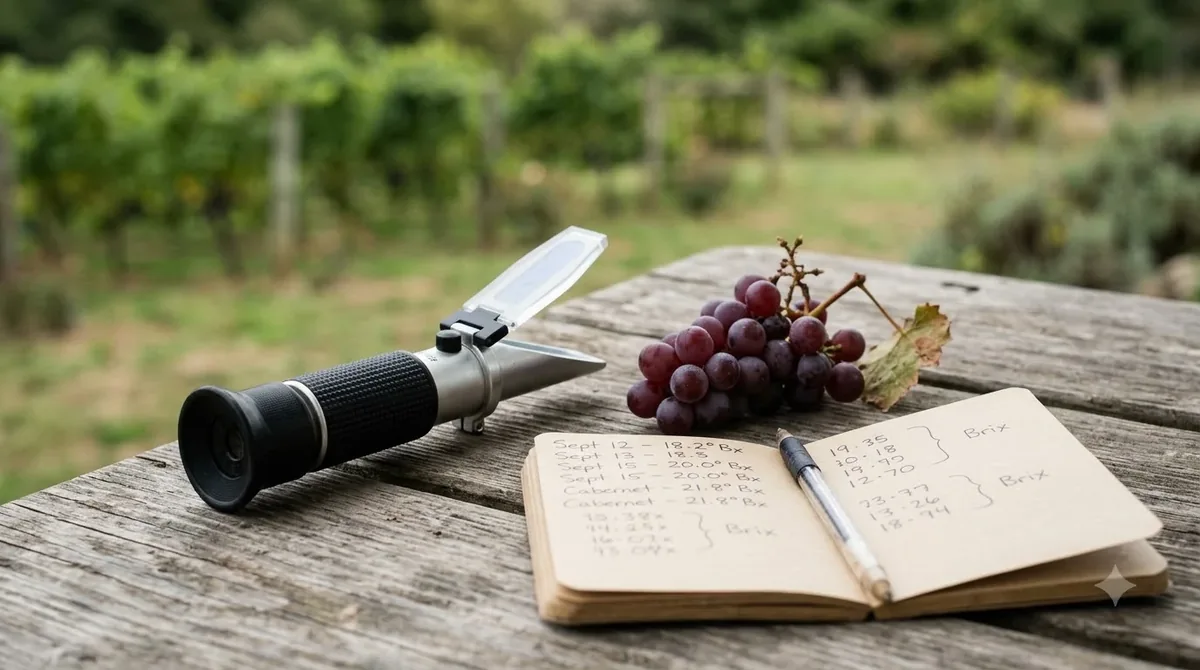
For an aperitivo, pair dry Sorbara with mortadella, prosciutto, salami, aged Parmigiano-Reggiano, or fried snacks. The wine’s acidity cuts through fat, while bubbles clear the palate between bites. A plate of tortellini in broth is another classic regional match for a lighter Lambrusco, since the wine adds freshness without burying the delicate filling. Decanter’s Lambrusco food-pairing overview discusses how the different grapes suit both local Emilia dishes and meals farther afield.
With pizza, tomato pasta, barbecue, or grilled sausage, try Salamino or Grasparossa. Tomato has high acidity, so the wine should have equal or higher acidity rather than tasting flat beside the sauce. Salt and fat soften tannin, making a structured Grasparossa easier to pair with cured meat, pork shoulder, or a cheeseburger. For oily fish, skip the more tannic red styles; a crisp white is usually a better match. For spicy food, do not assume that the sweetest bottle is always best. A little residual sugar can cool the impression of chili, but high alcohol and firm tannin can make heat feel stronger. Choose a moderate-alcohol amabile Lambrusco for spicy sausage or barbecue with a sweet glaze, and avoid pairing a powerful, tannic Grasparossa with very hot chili dishes. Match the wine to the dish’s actual heat and sweetness. Serve Lambrusco well chilled, around 40–50 degrees Fahrenheit, using the sparkling-wine range as a practical guide. A refrigerator chill followed by a brief rest at the table usually brings the fruit forward without allowing the wine to warm too much. Use a wine glass and pour roughly 5 ounces to release the fruit and bubbles.
Keep unopened bottles on their side in a cool, dark place near 55 degrees Fahrenheit, away from direct sunlight and temperature swings. Most everyday Lambrusco is intended to be enjoyed young rather than held for long cellaring. After opening, reseal the bottle with a sparkling-wine stopper and refrigerate it; sparkling wine generally keeps its best fizz for about 1–3 days. If the bubbles fade, the wine may still be usable in a sauce, but its lively texture will have changed.
Frequently Asked Questions
These five quick answers cover the Sorbara DOC boundary, the pressure difference between frizzante and spumante, a hillside growing site, and two milestones in Lambrusco production. They add practical detail for comparing bottles from Modena and nearby Castelvetro.
How many villages are included in the Lambrusco di Sorbara DOC?
The Sorbara DOC covers 12 villages in the plains around Modena. That defined area helps explain why a Sorbara label points to a particular local identity rather than simply naming a general red-wine grape.
How much pressure does a lightly sparkling Lambrusco have?
Decanter describes the light mousse associated with Charmat-made frizzante Lambrusco as no more than 2.5 bars of pressure. Spumante is the more fully sparkling category and is generally above 3 bars, so the two terms indicate a real difference in fizz.
Which Lambrusco grape grows well on hillsides?
Lambrusco Grasparossa is especially associated with hillside vineyards around Castelvetro. Wine Enthusiast reports that producers in this area work at sites around 650 feet above sea level, where breezy conditions and clay-rich soils suit the variety.
Who helped introduce autoclaves to Lambrusco production?
Decanter credits Cleto Chiarli with introducing the first autoclaves in the 1950s. These sealed pressure tanks helped establish the tank-fermentation approach widely used for lightly sparkling Lambrusco.
How long can a premium Lambrusco spend on its lees?
Decanter notes that Cantina della Volta rests some of its traditional-method Lambrusco wines on the lees for at least 36 months. Extended lees aging can add texture and complexity, which is one reason a bottle-fermented Lambrusco may feel quite different from a fresh, tank-made example.
Organic Lambrusco offers the same range of character as the broader Lambrusco family, with the added assurance of a certified organic production standard. Check the claim, grape, sweetness term, and fizz level together, then chill the bottle and serve it with food that suits its structure. For more background on selecting a bottle, browse the Wine Buying Guides and use the label details to narrow the choice.
More in Wine Buying Guides
 Cheap Red Blend: How to Find a Flavorful Bottle for LessUpdated Nov 20, 2026
 Pinot Grigio Gift: How to Choose a Bottle They’ll EnjoyUpdated Nov 20, 2026
 Best White Wine at Total Wine for Every MealUpdated Nov 20, 2026
 Wine Fridge Replacement Shelves: Find the Right FitUpdated Nov 20, 2026
 Best Sparkling Wine Under 20: Find Bubbles Worth BuyingUpdated Nov 20, 2026
 Best Wine For Birthday Celebrations With Perfect Party PairingsUpdated Nov 20, 2026