

We may earn a commission when you buy through links on this page, at no extra cost to you. Learn more.
For anyone asking what does tawny port taste like, the typical glass is rich, smooth, and sweet, with layers of dried fruit, toasted nuts, caramel, and warm spice. Common notes include raisin, fig, date, walnut, almond, orange peel, and toffee. Longer wood aging usually brings more savory nuttiness and polish, while a younger Tawny keeps a little more fresh fruit.
Tawny Port is a fortified wine from Portugal’s Douro region, but its flavor is quite different from the dark berry character associated with Ruby Port. Its amber color and mellow, layered taste develop as the wine matures in wood. The style ranges from easygoing and lightly nutty to deeply concentrated, with the age category and producer’s blending choices shaping the glass.
What Does Tawny Port Taste Like?
Tawny Port usually tastes sweet and rounded, with dried-fruit richness balanced by nutty, citrus, and spice notes. Picture raisins and dates at the center, followed by toasted almonds, walnut skin, caramel, and a ribbon of orange peel rather than the fresh blackberry and plum flavors typical of younger red Port.
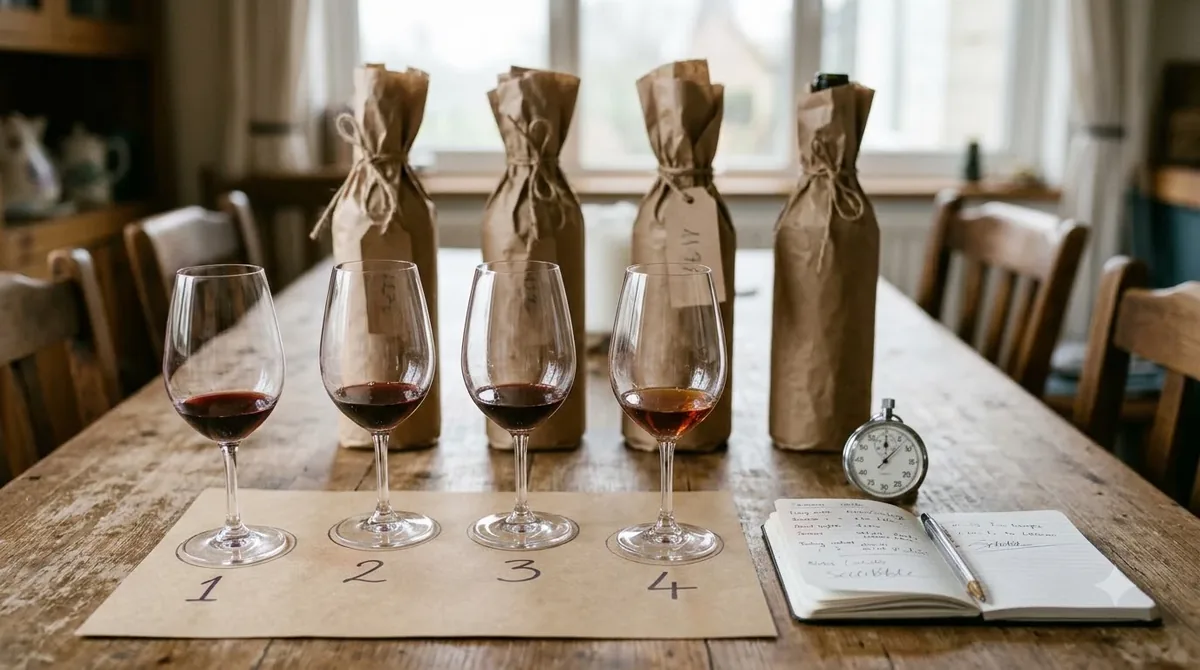
The first impression is usually soft sweetness, not syrup. Raisin, fig, prune, and date suggest concentrated fruit, while toffee and caramel bring a cooked-sugar quality. Depending on the bottle, dried apricot, candied citrus, baked apple, hazelnut, almond, cinnamon, coffee, or cocoa may also appear. These are tasting impressions created by the wine’s development, not proof that those ingredients have been added.
On the palate, Tawny is smooth and rounded, often with a long finish. Its alcohol warmth is noticeable, but a balanced example should not taste like raw spirit. Acidity and savory notes offset the sweetness; some bottles finish with citrus, bitter walnut skin, or a dry, tea-like edge. Those details make Tawny useful with food as well as on its own.
Why Tawny Port Develops Nutty, Caramel Flavors
The key to Tawny Port’s flavor is its time in wood. As the wine ages in casks, gradual exposure to oxygen changes its color and aroma, softens its youthful fruit, and develops the dried-fruit, nut, and caramel character that distinguishes the style from Ruby Port.
Port begins as wine made in Portugal’s Douro Valley. During fermentation, the producer adds grape spirit to stop the yeast from converting all the grape sugar into alcohol. The resulting wine retains natural sweetness and has a higher alcohol level than an ordinary table wine; the Instituto dos Vinhos do Douro e do Porto says Port usually has 19 to 22 percent alcohol by volume. The amount of sweetness varies with the point at which fortification takes place, so not every Tawny tastes equally sweet. The official IVDP introduction to Port explains how fortification and the two broad aging styles shape the category.
After fortification, Tawny-style wines mature in casks or vats rather than being protected from oxygen to preserve a deep ruby color. Decanter describes traditional lodge pipes as seasoned casks holding about 600 to 640 liters. Slow oxidation and evaporation gradually shift the wine toward amber and mahogany hues, softening fresh fruit and bringing out dried fruit, nuts, citrus peel, coffee, caramel, and spice. The wood is mainly a vessel for controlled maturation, not a reason to expect strong vanilla or fresh-oak flavors. Wine Enthusiast also describes wood contact and oxidation as the sources of Tawny’s rusty color and nutty secondary notes in its essential Port guide. Blending also shapes the final profile: age-indicated Tawny combines wines from different harvests, younger components preserve fruit and lift, while older wines contribute depth. Decanter notes that a final blend may draw on 10 to 50 component wines, which helps explain why two 20 Year Old Tawnies can differ, one leaning toward citrus and another toward walnut, fig, and caramel.
How Tawny Port Changes With Age
As the age category rises, Tawny Port generally moves from fresh dried fruit and gentle nuts toward greater concentration, savory complexity, and a longer finish. The number on the label describes the character of the blend, not a single harvest year or a guarantee that every component spent that exact period in a barrel.
A basic Tawny is usually the fruitiest and simplest expression, with mellow red-fruit remnants, caramel, and light dried-fruit notes. Reserve Tawny is a step toward maturity; Decanter describes the category as around seven years old, combining youthful fruit with a medium golden-brown color and more evident maturity. A 10 Year Old often shows raisins, almond, orange peel, and a little spice while retaining enough fruit to feel lively. It is a practical starting point for someone who enjoys sweet wine but does not want the deepest, most oxidative style.
At 20 years, the flavor often becomes more integrated: toasted walnut, hazelnut, dried fig, marmalade, coffee, and soft spice can sit alongside a trace of fresher fruit. Decanter characterizes this tier by the combination of freshness and delicate fruit with savory, nutty complexity. At 30 and 40 years, wines are often richer, sweeter, and more concentrated, with a silky texture and a finish that can linger over dried fruit, caramel, nuts, and coffee. Producer style still matters, so age should be used as a guide to a broad profile rather than a strict flavor formula.
| Label or category | Typical aging or age meaning | Common flavor direction |
|---|---|---|
| Tawny | Entry style; varies by producer | Soft fruit, light caramel, gentle dried-fruit notes |
| Reserve Tawny | About 7 years in the Decanter description | Medium golden-brown color, fruit with developing nuts and wood-aged notes |
| 10 Year Old | Age-indicated blend | Raisin, almond, orange peel, mild spice, some freshness |
| 20 Year Old | Age-indicated blend | Walnut, hazelnut, fig, marmalade, coffee, savory depth |
| 30 or 40 Year Old | Older age-indicated blend | Concentrated dried fruit, caramel, nuts, spice, long finish |
| Colheita | One harvest year; at least 7 years in wood | Varies by vintage and time in cask, from fruit-led to deeply mature |
Colheita differs from an age-indicated Tawny because it comes from one harvest year, not a blend of vintages. It must spend at least seven years in wood before bottling, and many examples mature longer. Its flavor therefore reflects both the harvest and its time in cask.
Tawny Port Compared With Ruby and White Port
Tawny, Ruby, and White Port share the fortified-wine family, but their flavors differ because of grape color and the way each style is made and aged. Tawny tends toward dried fruit, nuts, and caramel; Ruby emphasizes fresh dark fruit; White Port ranges from crisp and dry to sweet, honeyed, and nutty.
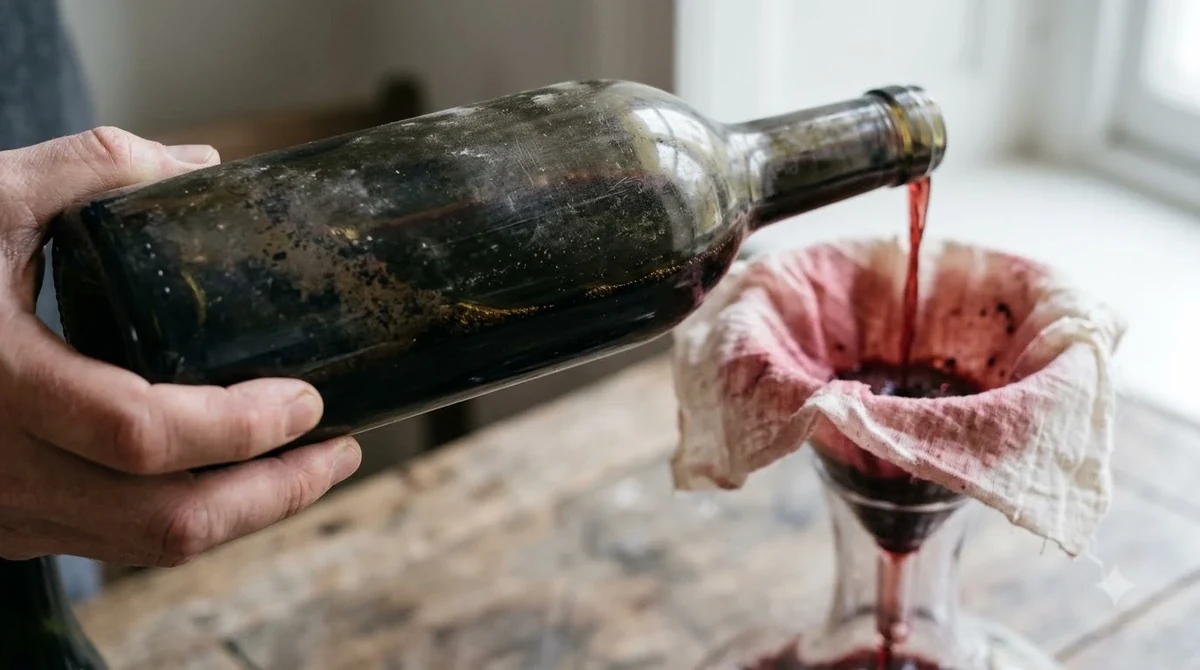
Ruby Port is the better choice for someone who wants vivid blackberry, cherry, plum, and other youthful fruit flavors. Producers generally limit oxygen exposure to preserve Ruby’s deep red color and fruit intensity. Tawny takes a different route: extended wood maturation allows the color to fade toward amber and shifts the flavor from fresh berries to raisin, fig, nuts, and spice. For a fuller side-by-side comparison, read about what does ruby Port taste like. Neither style is automatically better; they suit different preferences and occasions.
White Port is made from white grapes and comes in several sweetness levels, from extra dry to very sweet. Younger, fresher styles can show citrus, orchard fruit, and floral notes, while wood-aged White Port may develop honey, dried fruit, and spice. It is often served as an aperitif, sometimes with tonic, rather than as the rich after-dinner pour associated with an aged Tawny. The guide to what does white Port taste like explains why its profile can be very different even though it shares the Port name. For other categories, the site’s Wine by Type section introduces the major styles.
Best Food Pairings for Tawny Port
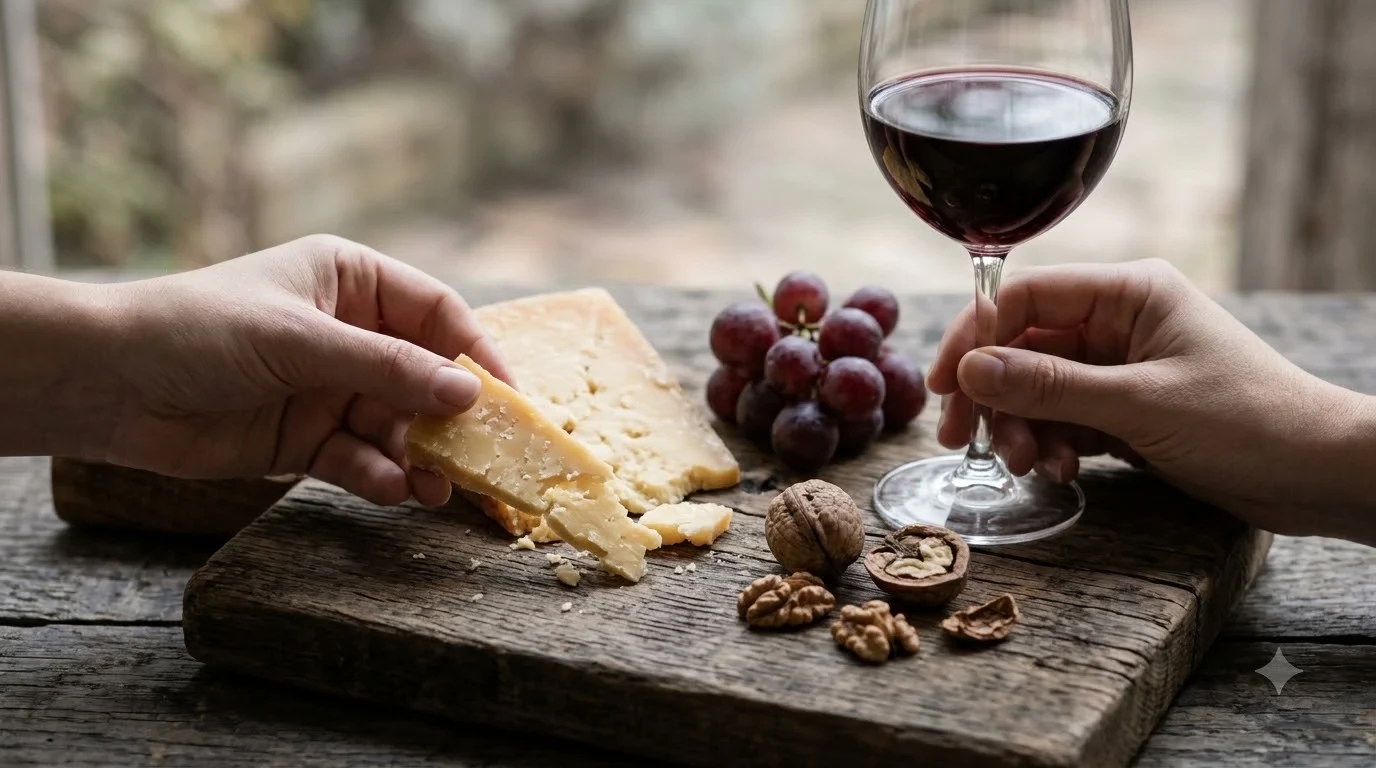
Tawny Port works particularly well with desserts built around nuts, dried fruit, caramel, and warm spice, as well as with selected salty or pungent cheeses. Its sweetness should meet or exceed the sweetness of the dessert, while its acidity and mature savory notes help keep richer pairings from feeling one-dimensional.
For a younger Tawny or a 10 Year Old, try almond tart, apple or pear cake, caramel custard, vanilla ice cream, dates, or a simple plate of dried apricots and toasted nuts. The Instituto dos Vinhos do Douro e do Porto specifically recommends Tawny Reserve or 10 Year Old with fruit salad, caramel custard, almond tart, vanilla ice cream, and dried-fruit desserts. A 10 Year Old is also a natural match for pâté, strong cheeses, or dishes that include walnuts. The combination works because the wine’s dried-fruit sweetness echoes the food while the nutty aromas reinforce toasted or browned flavors.
Older Tawny can handle more intense and less delicate flavors. The IVDP recommends 20 Year Old Tawny with coffee and suggests older Tawnies such as a 20 Year Old alongside strong, hard cheeses. Blue cheese, aged sheep’s-milk cheese, and firm nutty cheeses can provide a salty counterpoint to the Port’s sweetness. For a dessert course, try pecan pie, walnut cake, crème caramel, or bittersweet chocolate with dried cherries. Avoid pairing Tawny with a dessert that is much sweeter than the wine, since the Port may taste thin or sharper by comparison. A dessert with a little salt, roasted nuts, or citrus zest can give the wine more dimension.
Tip: Match the intensity as well as the sweetness. A 10 Year Old Tawny is usually more at home with almond tart or caramel custard, while a concentrated 30 or 40 Year Old can stand alongside a strong hard cheese or a small serving of walnut cake.
How to Serve and Store Tawny Port
Tawny Port is best served slightly cool rather than warm, which keeps its sweetness and alcohol from dominating its aromas. A small pour in a wine glass with enough room to swirl lets dried fruit, citrus, nuts, and spice emerge gradually.
The IVDP recommends serving Tawny-style Port at 10 to 14 degrees Celsius, or about 50 to 57 degrees Fahrenheit. This is cooler than typical room temperature and gives the wine a fresher, more composed feel. A few minutes in the refrigerator can bring a bottle toward that range; avoid serving it so cold that its aromas become muted. A tulip-shaped Port glass or a small white-wine glass works well because it concentrates the aromas while leaving space to assess the wine. A modest pour also makes sense: Port is more alcoholic than most table wines, so a 2-ounce serving is a useful starting measure.
Unlike Vintage Port, Tawny is already matured before it is bottled and is ready to drink after opening. It does not need years in a home cellar to become more complex. Store an unopened bottle in a cool, dark place away from heat and direct sunlight; a stable environment matters more than trying to replicate a cellar exactly. Once opened, close it firmly and keep it in the refrigerator. The IVDP gives a guide of 3 to 4 weeks for Tawny and Reserve Tawny, and 1 to 4 months for Tawnies with an age indication or Colheita, with younger examples best consumed earlier. Those are guidance periods, not a promise that every bottle will taste unchanged until the final day. Aroma and freshness gradually fade, so enjoy the wine while its finish is still lively. Because Tawny is bottled ready to drink, it rarely needs cellar aging at home; a little extra chilling can soften alcohol warmth, while a few minutes in the glass can help release its aromas.
Frequently Asked Questions
These quick answers cover details about Port’s grapes, production terms, and the way to interpret familiar tasting descriptions.
Which grapes are used to make Tawny Port?
Red Port can be made from a large range of authorized Portuguese varieties. Wine Enthusiast names Touriga Nacional, Touriga Franca, Tinta Roriz, Tinta Cão, and Tinta Barroca among the principal red grapes. Tawny is usually a blend, so the final flavor reflects the combined wines and their maturation rather than one grape alone.
What is the grape spirit used in Port called?
The spirit is commonly called aguardente, a neutral grape spirit added during fermentation. Its addition stops the yeast activity before all the grape sugar has fermented, which is why Port retains sweetness while reaching a higher alcohol level than most table wine. The Portuguese word is often translated as “fiery water.”
Can Port be made in a dry style?
Yes. The IVDP lists Port sweetness levels as very sweet, sweet, semi-dry, and extra dry. The final sweetness depends on when the grape spirit is added during fermentation, since earlier fortification leaves more natural grape sugar in the wine.
What are the three Douro subregions?
The Douro’s three named subregions are Baixo Corgo, Cima Corgo, and Douro Superior. Wine Enthusiast describes Baixo Corgo as the coolest and wettest, while Douro Superior is the warmest and driest; Cima Corgo lies between them. These differences in rainfall and temperature influence growing conditions across the valley.
What happens to the final Tawny blend before approval?
Decanter reports that the finished batch, called a lote, is submitted to the IVDP tasting panel for approval. This final review helps confirm that the assembled wine fits the required Port category and style. The term refers to the batch being assessed, rather than a separate grape variety or aging method.
Tawny Port is a strong choice for drinkers who enjoy sweet wine with more than straightforward fruit: its dried-fruit, nut, caramel, and citrus notes offer layers that shift with age. Start with a 10 Year Old for freshness and approachability, or choose a 20 Year Old for a deeper balance of fruit and savory complexity. Serve it cool, pair it with food of similar intensity, and keep the bottle refrigerated after opening.
More in Wine Types & Grapes
 What Does Mourvèdre Taste Like? Flavor Profile, Regions, and PairingsUpdated Nov 20, 2026
 What Does Marsanne Taste Like? Flavors, Styles, and Food PairingsUpdated Nov 20, 2026
 What Does Malvasia Taste Like? Styles, Flavors, and Food PairingsUpdated Nov 20, 2026
 What Does Grenache Blanc Taste Like? Flavor Profile, Styles, and PairingsUpdated Nov 20, 2026
 What Does Garnacha Taste Like? Key Flavors, Styles, and Pairing TipsUpdated Nov 20, 2026
 What Does Fruit Wine Taste Like? A Complete Flavor and Style BreakdownUpdated Nov 20, 2026