

We may earn a commission when you buy through links on this page, at no extra cost to you. Learn more.
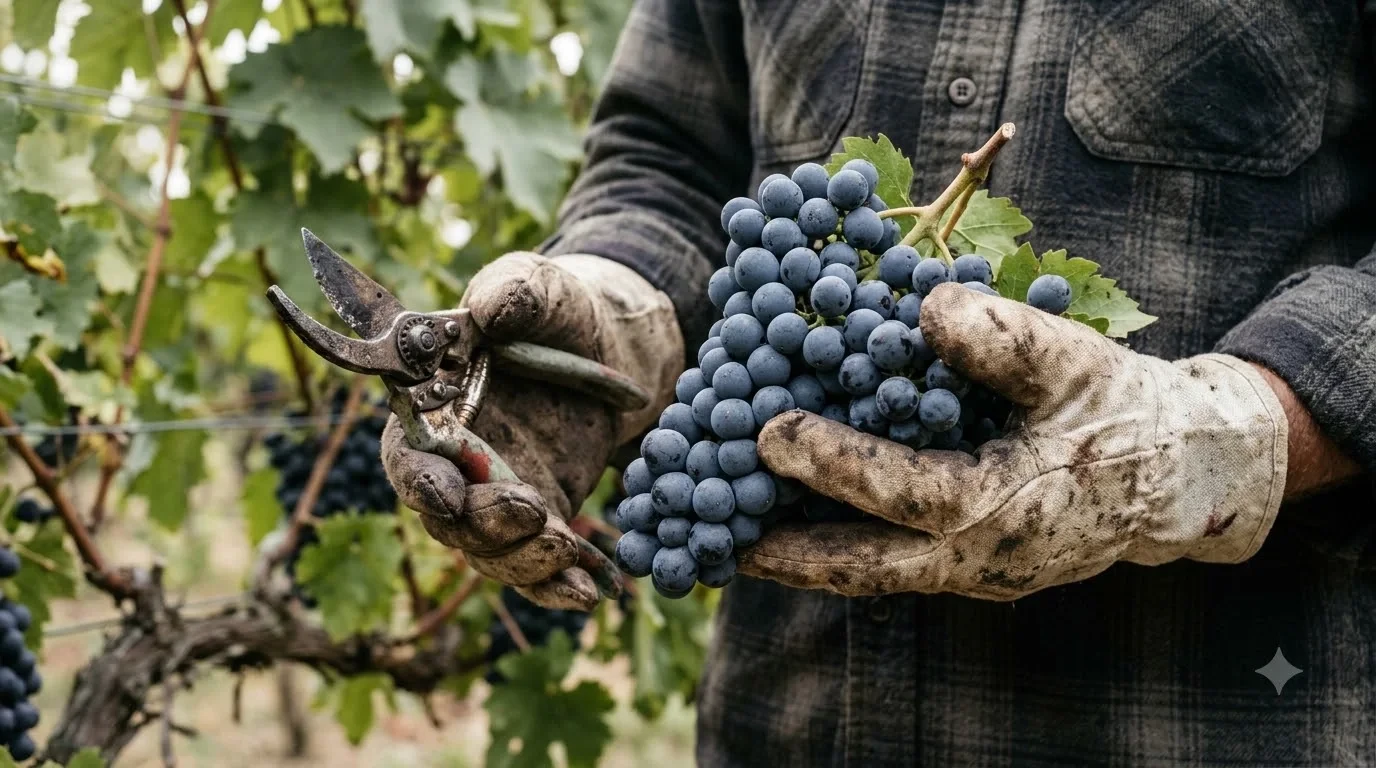
The moscato grape is Moscato Bianco, a white Muscat variety that is widely planted in Italy, especially in Piedmont, and is known for its small berries, floral and grapefruit aromas, and naturally low acidity. It is the same grape as Muscat Blanc à Petits Grains, and it is the most widespread member of the international Muscat family. Winemakers use it for light sparkling wines, sweet dessert wines, and some dry aromatic whites.
Many people know the name from bottles on store shelves, but the grape itself is more interesting than the label suggests. This guide looks at where Moscato Bianco comes from, how the vine behaves in the vineyard, which aromas it carries, and which regions grow it most. For the finished wine styles, the separate guide on moscato wine covers flavor, serving, and buying.
Where the Moscato Grape Comes From
Moscato Bianco is a white wine variety of Greek origin, and it belongs to the Muscat family of Vitis vinifera. Historians link it to ancient Greek and Roman vines, and it appears in records across Europe for centuries. The grape reached France through the Mediterranean trade and later spread into Germany and Alsace.
The name is used in many places. In Italy it is most often called Moscato Bianco, while elsewhere it appears as Muscat Blanc à Petits Grains, Muscat Canelli, Muscat de Frontignan, or Gelber Muskateller. Reference guides also list names such as Moscatel de Grano Menudo in Spain. If a label uses one of these names, the wine is likely made from the same family of grapes.
How the Vine Grows and What the Berries Look Like
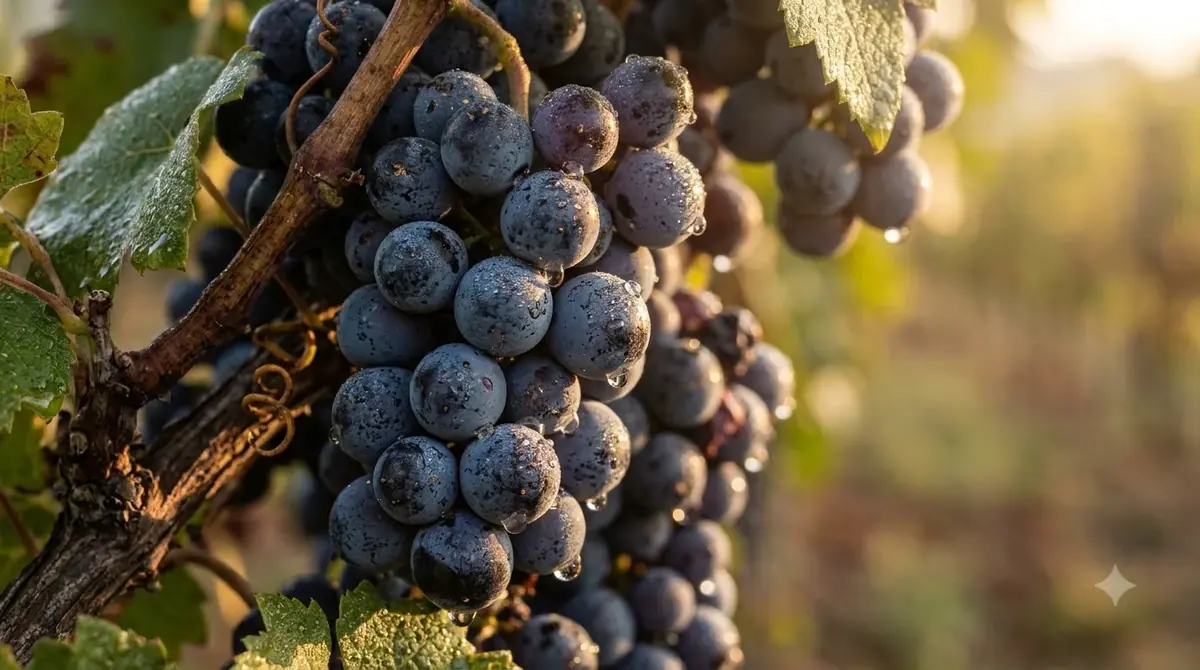
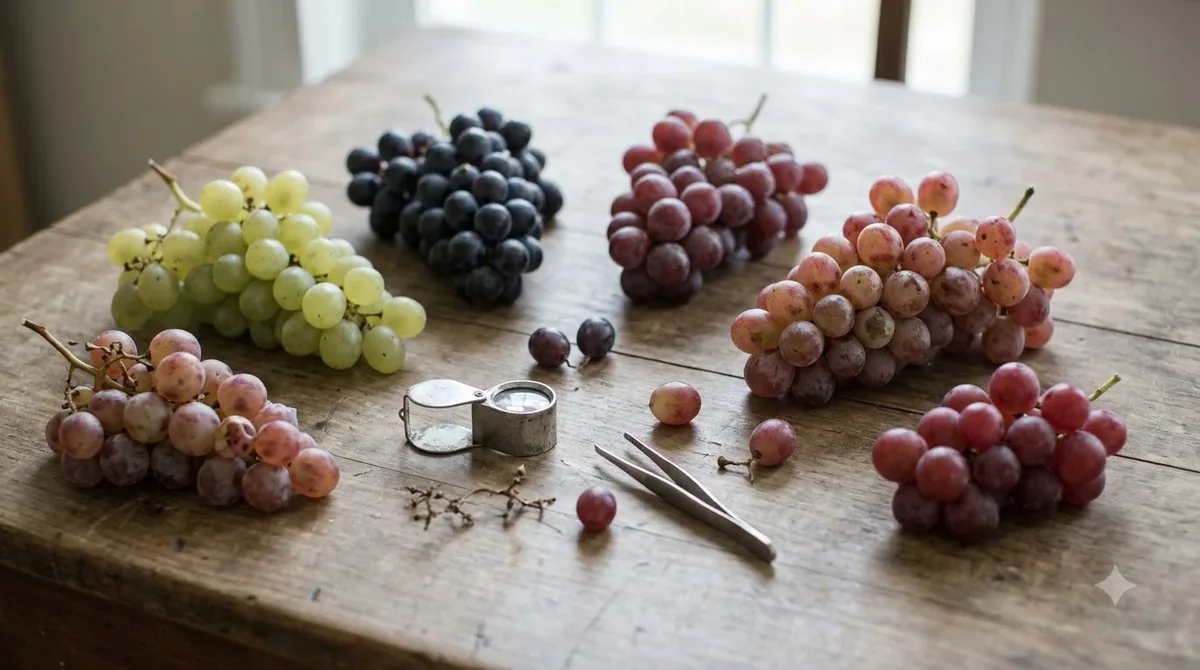
The grape earned its name from its small berries and tight clusters. The berries are usually white or greenish-gold, but some strains produce pink or reddish-brown fruit. Growers in some regions have also noticed that a single vine can change color from one year to the next, which is one reason clone selection matters.
The vine buds early and ripens late, so it needs a long growing season. It tends to give low yields, and it can be vulnerable to mildew, odium, and grey rot. Overcropping is a common problem, because too many clusters dilute the concentrated aromas that make the grape valuable. Growers who want good flavor usually manage the crop carefully.
| Trait | Moscato Bianco |
|---|---|
| Berry color | White, with pink and reddish-brown strains |
| Cluster and berry size | Small berries in tight clusters |
| Budding and ripening | Early budding, late ripening |
| Yield | Typically low |
| Acidity | Naturally low |
| Typical aroma | Grapefruit and floral notes |
Tip: Muscat grapes are often sold under several names. When you compare wines, check the label for the variety and the region, since names like Moscato, Muscat, and Muskateller can describe similar grapes with very different winemaking.
Aromas and Flavor Character
The defining trait of the grape is its aroma. Muscat varieties carry a strong perfume that many tasters describe as floral, with notes of orange blossom and grapefruit. Those aromas are the reason the grape is used for both sparkling and sweet wines, because the fragrance survives fermentation and stands out even when the wine is light in body.
Because the grape has low natural acidity, winemakers often balance its sweetness and softness with careful picking and cool fermentation. A wine from Moscato Bianco can taste fresh and lively, but it can also become heavy if the grapes are left too long or the crop is too large. The character you find in the glass depends as much on the vineyard and the winemaker as on the variety itself.
Where Moscato Bianco Grows Best
Moscato Bianco is planted across Italy, but Piedmont is its heartland. According to Italian Wine Central, the variety is grown in Lombardia, Piemonte, Sicilia, and Veneto, and about 66 percent of the plantings are in Piedmont. The same source gives a total vineyard area of about 15,811 hectares for the Moscato family, with roughly 14,794 hectares of Moscato Bianco and about 1,017 hectares of Moscato Giallo.
Vineyard planning is part of the story too. Because the grape buds early, a late spring frost can reach young shoots before the season has settled, so growers in cooler sites often choose protected slopes or warmer blocks. Moscato Giallo, the yellow-skinned Muscat, is planted in smaller areas than Moscato Bianco and gives winemakers a second option within the same family.
The grape is important in several named denominations. Asti DOCG and Canelli DOCG are two Piedmont examples, and Moscato di Sardegna and Moscato di Trani are southern Italian ones. Outside Italy, Spain plants large areas of Moscatel de Grano Menudo, mostly in Castilla-La Mancha, and countries such as France, Greece, Germany, and South Africa also grow Muscat varieties. Each region shapes the grape a little differently through climate and winemaking.
For a broader look at how grape and region work together, the Wine by Type hub shows how climate and style connect across the major varieties.
Moscato Bianco Compared With Related Muscat Grapes
The Muscat family is large, and several members can be confused on a label. Moscato Bianco is the most widespread, while other members have their own profiles. Some are used mainly for table grapes, and others are made into fortified dessert wines. The family includes pink and red forms as well as white ones, so the color of the grape does not always match the color of the wine.
Compared with a red grape like the pinot noir grape, Moscato Bianco has far less tannin and a much more aromatic profile. In the American market, the muscadine grape is often mentioned alongside Muscat because both are sweet and fruity, although muscadine is a different species and tastes distinctly its own.
Winemakers also use the grape to make aromatic dry whites, where the fragrance is the main attraction and the sweetness is kept low. In those wines the grapefruit and floral notes show up clearly on the nose, and a light, crisp structure keeps the style refreshing. This range explains why the same grape can appear on a bottle of bubbly, a dessert wine, and a dry white with a very different feel.
Growing and Using Moscato Grapes at Home
Home growers rarely plant Moscato Bianco, because it needs a warm, long season and careful pruning to avoid overcropping. Commercial vineyards are better suited to the grape, and they can manage its disease risk with spraying and canopy work. Anyone interested in trying it should start with a small vine in a sunny, sheltered spot.
Most people encounter the grape through wine, and that is a good way to learn it. Compare a sparkling example with a sweeter dessert style to see how the aromas change with winemaking. Keep notes on the aromas you notice, especially the citrus and floral notes, so you can recognize the grape in other bottles.
Frequently Asked Questions
Is moscato grape the same as Muscat?
Moscato Bianco is one member of the Muscat family, and it is the same grape as Muscat Blanc à Petits Grains. Other Muscat varieties exist, so the name alone does not tell you every detail about the grape.
Where does the moscato grape grow best?
Piedmont in northwestern Italy is its heartland, and the variety is also planted in Lombardia, Sicilia, and Veneto. Warm, long growing seasons suit the grape best.
What does the moscato grape taste like?
The grape is known for floral and grapefruit aromas and naturally low acidity. The final flavor depends on the winemaking, which can produce sparkling, sweet, or dry styles.
Is Moscato Bianco a good grape for home growers?
It is challenging. The vine needs a long, warm season and careful management, because it can overcrop and is prone to some vineyard diseases. Most people enjoy the grape through wine rather than growing it.
The moscato grape is a useful example of how one variety can produce very different wines. Start by noticing its floral and citrus aromas, and then compare the Italian and international examples you find. For more background on how grape families work, read the Wine by Type guide, and check the Italian Wine Central moscato profile for details on the Italian denominations.
More in Wine Types & Grapes
 Zinfandel Sugar Content: Dry Red vs. White Zinfandel GramsUpdated Nov 21, 2026
 Best Zinfandel Substitute Options for Sipping and CookingUpdated Nov 21, 2026
 Zweigelt Food Pairing: Best Dishes, Cheeses, and Serving TipsUpdated Nov 21, 2026
 Zinfandel Tannins Explained: How Structure Shapes Every BottleUpdated Nov 21, 2026
 Zinfandel Sweetness Level: Dry Red vs. Sweet White Zin ExplainedUpdated Nov 21, 2026
 Xinomavro Food Pairing: Best Dishes, Styles, and Serving TipsUpdated Nov 21, 2026