

We may earn a commission when you buy through links on this page, at no extra cost to you. Learn more.
If you are wondering is shiraz keto friendly, the answer is yes—dry Shiraz fits a keto diet in moderation, typically containing around 3 to 4 grams of carbohydrates and virtually no residual sugar per standard 5-ounce glass. Because Shiraz is fermented until nearly all grape sugars convert into alcohol, a single pour fits easily into most daily carbohydrate limits of 20 to 30 grams. However, warm-climate Shiraz often reaches 14% to 15.5% ABV, which raises total calorie counts and requires careful portion control.
Understanding how this bold red wine interacts with a low-carb lifestyle comes down to winemaking styles, climate, and residual sugar levels. While dry bottlings fit neatly into a ketogenic plan, mass-market or sweet styles can quietly pack extra sugar that disrupts your daily macros.
What Is Shiraz and Why Does Its Carb Count Vary?
Shiraz and Syrah are the exact same dark-skinned grape variety, though winemakers use different names to signal regional origins and stylistic profiles. Cooler-climate regions like France’s Northern Rhône label the wine Syrah, while warmer New World regions—most notably Australia—call it Shiraz.
During fermentation, yeast consumes the natural glucose and fructose present in crushed grapes and converts them into ethanol and carbon dioxide. When winemakers allow fermentation to run to completion, the resulting wine is dry, meaning very little unfermented sugar remains in the liquid. According to Wine Enthusiast, dry wines generally range between zero and four grams of carbohydrates per five-ounce serving, making most traditional Shiraz bottles compatible with a low-carb routine.
The reason carbohydrate numbers fluctuate across bottles comes down to how ripe the grapes get before harvest and whether the winemaker halts fermentation early. Because Shiraz thrives in sunny, warm climates, the grapes accumulate high levels of natural sugar on the vine. If yeast ferments all that sugar, the wine develops higher alcohol—often between 14% and 15.5% ABV—while remaining dry. Conversely, some commercial producers stop fermentation slightly early to leave behind a touch of residual sugar, which softens harsh tannins and gives inexpensive bottles a plush, crowd-pleasing fruitiness.
Shiraz Nutrition, Carbs, and Alcohol Breakdown
A standard 5-ounce pour of dry Shiraz delivers roughly 125 to 175 calories and 3 to 4 grams of carbohydrates, with zero fat and negligible protein. Almost all of the calories in a dry glass come directly from ethanol rather than sugar, so higher-alcohol bottles carry a heavier caloric load.
| Wine Style (5 oz Pour) | Typical ABV | Estimated Carbs | Estimated Calories | Keto Suitability |
|---|---|---|---|---|
| Cool-Climate Syrah (Dry) | 13% – 14% | 0 – 3 g | 120 – 130 kcal | High (Best Choice) |
| Warm-Climate Shiraz (Dry) | 14% – 15.5% | 3 – 4 g | 135 – 175 kcal | Moderate (Watch Portions) |
| Commercial Value Shiraz | 13.5% – 14.5% | 4 – 6 g | 130 – 155 kcal | Low to Moderate (Check RS) |
| Sweet Shiraz (e.g., Jam Jar) | 12.5% – 13.5% | 8 – 10 g | 140 – 160 kcal | Not Recommended |
As educational guides from Wine Folly explain, you can calculate the exact sugar carbohydrates in any bottle if you know its residual sugar (RS) measurement in grams per liter. Multiplying the residual sugar in grams per liter by 0.15 reveals the grams of sugar carbs in a 150-milliliter (roughly five-ounce) glass. For example, a bone-dry Shiraz with 2 grams per liter of residual sugar contains just 0.3 grams of sugar carbs, whereas an off-dry value bottling at 12 grams per liter adds nearly 2 grams of pure sugar on top of trace non-sugar carbohydrates from grape skins and glycerol.
Alcohol itself also influences how a ketogenic metabolism operates, even when carbohydrate counts stay low. The liver prioritizes metabolizing ethanol over burning stored body fat, which temporarily pauses ketogenesis until the alcohol clears your system. While a single glass of dry Shiraz will not knock you out of ketosis through carbohydrate overload, pouring multiple large glasses in one evening can stall fat metabolism and add several hundred empty calories to your daily total.
Flavor Profile and Regional Styles of Shiraz
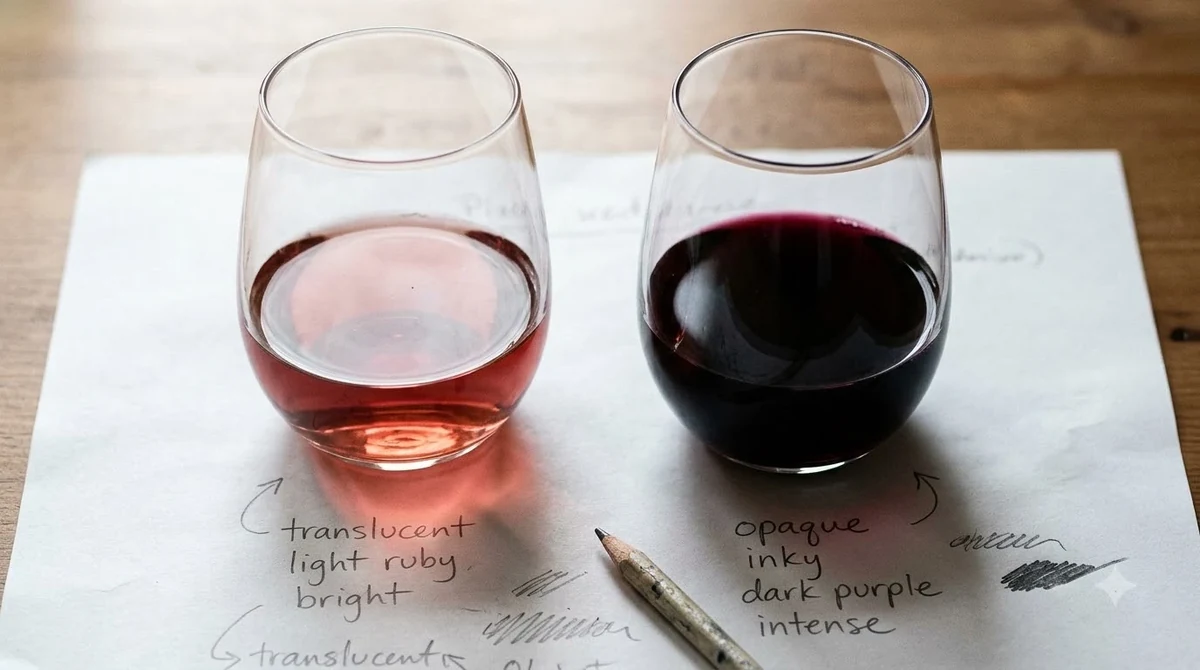
Shiraz is celebrated for its deep, opaque purple-ruby color and full-bodied structure, delivering concentrated aromas of blackberry, black plum, black pepper, and smoked meat. Depending on where the grapes grow and how the wine is aged, the flavor spectrum shifts between savory, herbal restraint and lush, jammy intensity.

In South Australia’s warm regions—such as Barossa Valley, McLaren Vale, and Clare Valley—long, sunny growing seasons produce generous, fruit-forward wines. Reviewers note that Australian Shiraz often layers ripe blueberry, black cherry, and dark chocolate over sweet baking spices like clove, vanilla, and licorice from oak barrel aging. The tannins in these warm-climate bottles tend to feel plush and velvety, while acidity sits in the medium range, giving the wine a rich, mouth-coating texture that can trick your palate into perceiving sweetness even when the wine is technically dry.
When grown in cooler climates, such as France’s Northern Rhône (where it is bottled as Syrah), Washington State, or higher-elevation pockets of Victoria and Adelaide Hills, the grape takes on a leaner, more savory personality. These cooler-climate bottlings emphasize crushed black peppercorn, violet florals, cured meat, black olive, and graphite alongside brisk, mouthwatering acidity and firmer tannins. Because cooler temperatures limit sugar accumulation in the grapes, these expressions naturally finish at lower alcohol levels and offer an ultra-clean, zero-sugar profile.
How to Choose a Keto-Friendly Bottle of Shiraz
Selecting a low-carb Shiraz requires reading the back label carefully, because federal wine regulations do not require producers to print nutrition facts or sugar grams on standard bottles. By using alcohol by volume (ABV), regional clues, and producer technical sheets, you can avoid hidden residual sugar before you buy.
Start by checking the ABV printed on the front or back label. Wines fermented completely dry convert all available grape sugar into alcohol, meaning a dry warm-climate Shiraz usually sits between 14% and 15.5% ABV, while a dry cool-climate Syrah ranges from 13% to 14% ABV. If you spot a Shiraz from a warm region with an unusually low alcohol level—around 12% or 13% ABV—and the label uses words like “sweet,” “jammy,” or “semi-sweet,” the winemaker likely halted fermentation early, leaving behind significant unfermented sugar.
Tip: Search the producer’s website for the wine’s “tech sheet” or “fact sheet” before purchasing; reputable wineries list exact residual sugar (RS) numbers, and anything under 4 g/L is safely dry for keto.
Exploring other classic styles across our guide to Wine by Type can also help you compare how Shiraz stacks up against lighter reds and crisp whites. If you want an even lower-calorie and lower-carb option for hot weather, a dry white like is Pinot Grigio keto friendly shows how cooler-climate whites often clock in around 12% to 13% ABV with minimal carbs. Similarly, checking is Chardonnay keto friendly or is Cava keto friendly gives you reliable alternatives when you want bright acidity or celebratory bubbles without hidden dosage sugars.
Serving Temperature and Keto Food Pairings
Shiraz tastes best when served slightly below room temperature at 60°F to 65°F, which keeps its higher alcohol balanced and preserves fresh dark-fruit aromatics. Giving a bottle 15 to 20 minutes in the refrigerator before pouring prevents the alcohol from tasting overly warm or flat.
Because bold red wines carry medium-high to high tannins, decanting younger Shiraz for 30 to 60 minutes softens its grip and opens up savory spice notes. Once opened, recork the bottle and store it upright in the refrigerator, where the wine will stay fresh and vibrant for two to four days before oxidation dulls the fruit.
At the dinner table, Shiraz is an effortless partner for classic ketogenic meals built around rich proteins and healthy fats. Dietary fat binds to wine tannins on the palate, making a structured, peppery Shiraz taste smoother while the wine’s acidity cuts through heavy dishes. Ideal low-carb pairings include grilled ribeye steak, herb-crusted rack of lamb, slow-roasted pork shoulder without sugary barbecue sauce, bunless blue cheese burgers, and aged hard cheeses like Manchego or Parmesan.
Frequently Asked Questions
Does Shiraz have more carbs than Cabernet Sauvignon or Pinot Noir?
Dry Shiraz contains roughly 3 to 4 grams of carbohydrates per 5-ounce glass, which is nearly identical to Cabernet Sauvignon and only slightly higher than Pinot Noir. The main difference is that warm-climate Shiraz often carries higher alcohol—up to 15% or 15.5% ABV—giving it slightly more alcohol-derived calories per pour.
Is Australian Yellow Tail Shiraz keto friendly?
Mass-market value bottlings like Yellow Tail Shiraz typically contain around 12 grams per liter of residual sugar, which translates to roughly 1.8 grams of pure sugar plus trace carbs per 5-ounce glass. While one measured pour can still fit into a strict 20-gram daily carb limit, drier estate bottles with under 4 grams per liter of residual sugar offer a safer margin.
What is the difference between Syrah and Shiraz on a keto diet?
Syrah and Shiraz are the exact same grape variety, so their baseline carbohydrate counts are both low when fermented dry. However, cool-climate Syrah from regions like France’s Northern Rhône usually has lower alcohol (13% to 14% ABV) and virtually zero residual sugar, making it slightly lighter in calories and carbs than ripe, warm-climate Shiraz.
How many glasses of Shiraz can I drink on keto?
Most people following a ketogenic diet limit themselves to one 5-ounce glass of dry Shiraz per day, which contributes around 3 to 4 grams of carbs. Measuring your pour with a kitchen scale or marked wine glass prevents accidental over-pouring, as an oversized 8-ounce restaurant pour nearly doubles both your carbohydrate and alcohol intake.
Dry Shiraz offers a rich, peppery, and satisfying red wine experience that fits comfortably into a ketogenic lifestyle when enjoyed in measured portions. By favoring dry bottlings with transparent residual sugar levels and pairing your glass with fat-rich, low-carb meals, you can enjoy this bold varietal without derailing your daily macro goals.
More in Wine Types & Grapes
 What Does Mourvèdre Taste Like? Flavor Profile, Regions, and PairingsUpdated Nov 20, 2026
 What Does Marsanne Taste Like? Flavors, Styles, and Food PairingsUpdated Nov 20, 2026
 What Does Malvasia Taste Like? Styles, Flavors, and Food PairingsUpdated Nov 20, 2026
 What Does Grenache Blanc Taste Like? Flavor Profile, Styles, and PairingsUpdated Nov 20, 2026
 What Does Garnacha Taste Like? Key Flavors, Styles, and Pairing TipsUpdated Nov 20, 2026
 What Does Fruit Wine Taste Like? A Complete Flavor and Style BreakdownUpdated Nov 20, 2026