

We may earn a commission when you buy through links on this page, at no extra cost to you. Learn more.
If you are asking is ruby port vegan, the honest answer is sometimes, because it depends entirely on how the winemaker clarifies the wine before bottling. While grapes, yeast, and distilled grape spirit (aguardente) are completely plant-based, many producers still rely on animal-derived fining agents like gelatin, egg whites, or fish bladder to remove haze and soften tannins. Because wine labels in the United States rarely list processing aids, verifying a bottle’s vegan status requires checking the back label for certification or consulting producer databases.
Port is one of the great fortified wines of the world, prized for its plush berry fruit, warming sweetness, and remarkable longevity. Yet for plant-based drinkers, choosing a bottle in the fortified wine aisle presents the exact same hidden hurdle as selecting a dry table red or a crisp white.
What Makes a Wine Vegan or Non-Vegan
A wine is strictly vegan only when no animal-derived products touch the grape juice or finished wine at any stage of production. While the core ingredients of every wine are naturally plant-based, animal proteins frequently enter the cellar as clarifying tools.
At its foundation, wine requires just fermented grape juice and yeast, both of which are entirely free of animal ingredients. For fortified styles like ruby port, winemakers also add a neutral grape spirit—traditionally called aguardente in Portugal—to halt fermentation and preserve natural grape sweetness. Because this fortifying spirit is distilled from grapes, it introduces no animal products to the blend.
The complication happens during a traditional cellar step known as fining. Young wines often contain microscopic suspended particles, including proteins, yeast cells, and bitter phenolic compounds, which make the liquid look cloudy or taste overly astringent. Left alone, these particles eventually settle to the bottom of the tank or barrel through gravity, though that natural process takes considerable time and patience.
To speed up clarification and polish the wine’s texture, winemakers add fining agents that bind to unwanted molecules, causing them to clump together and drop out of suspension. According to Wine Folly, common traditional fining agents include casein (a milk protein), albumin (egg whites), gelatin (derived from animal collagen), and isinglass (obtained from fish swim bladders). Even though these agents are filtered out before bottling and do not remain as ingredients in the glass, their use means the finished wine is not considered vegan.
How Ruby Port Is Made and Clarified
Ruby port is a young, fruit-forward fortified wine aged primarily in large inert vessels to preserve its bright color and fresh berry flavors. Because it undergoes minimal barrel aging compared to tawny styles, producers frequently use fining or filtration to ensure shelf stability.

Produced exclusively in Portugal’s Douro Valley from indigenous grape varieties like Touriga Nacional, Touriga Franca, and Tinta Roriz, ruby port undergoes a short, vigorous fermentation. Once roughly half of the natural grape sugars have converted into alcohol, the winemaker adds grape brandy, raising the alcohol by volume to around 19% to 20% and stopping the yeast in its tracks. The resulting wine is deeply pigmented, sweet, and brimming with primary aromas of blackberry, plum, and cherry.
Unlike vintage port, which is bottled unfiltered after two years in wood and develops heavy sediment in the bottle over decades, standard ruby port is meant to be poured easily right after purchase. Producers age basic ruby styles in massive oak vats or stainless steel tanks for two to three years so oxygen exposure stays low and the wine retains its vibrant ruby hue. Before bottling, the cellar team wants the liquid crystal clear so consumers do not encounter grit in their glass.
Achieving that clarity on a commercial timeline is where fining choices come into play. Some Douro houses rely on gelatin or egg whites to polish the tannins and drop suspended solids quickly, whereas others have transitioned to vegan-friendly mineral clays like bentonite or plant-based pea proteins. Still other producers skip fining altogether in favor of gentle cold stabilization and mechanical cross-flow filtration, which removes haze without introducing any animal proteins.
Comparing Fining Agents Used in Port Production
Winemakers choose among several animal, mineral, and plant-based clarifying agents depending on whether they want to target haze, color instability, or harsh tannins. Reviewing how each agent functions makes it much easier to understand why one ruby port qualifies as vegan while another does not.
| Fining Agent | Source Material | Primary Cellar Purpose | Vegan Friendly |
|---|---|---|---|
| Bentonite | Natural volcanic clay | Removes unstable proteins and haze | Yes |
| Pea Protein | Yellow field peas | Softens bitter tannins and clarifies | Yes |
| Activated Charcoal | Carbonized plant matter | Strips off-odors and excess color | Yes |
| Gelatin | Animal collagen | Reduces astringency and clears solids | No |
| Isinglass | Fish swim bladders | Creates brilliant visual clarity | No |
| Albumin | Egg whites | Softens aggressive red wine tannins | No |
| Casein | Milk protein | Removes oxidized color and bitterness | No |
As Decanter explains, mineral agents like bentonite work through electrical charge rather than animal protein bonding, attracting positively charged particles and pulling them safely to the bottom of the tank. Bentonite is widely used across the global wine industry and is completely acceptable for vegan diets. Similarly, plant-derived proteins extracted from peas or potatoes have gained traction in modern wineries as effective alternatives to gelatin for softening youthful red tannins.
Traditional Douro producers, however, have historically favored egg whites and gelatin for red ports because those agents bind gently to harsh phenolic compounds without stripping away desirable berry aromas. Because fining happens behind closed cellar doors and leaves no measurable residue in the bottle, regulations in both the European Union and the United States do not force wineries to print fining agents on the label. That regulatory gap is the main reason plant-based drinkers have to do a little extra homework before pouring a glass.
How to Check If a Specific Bottle Is Vegan
Finding a vegan-friendly bottle of ruby port comes down to reading label certifications, checking crowd-sourced wine databases, and contacting producers directly. A quick two-minute check on your phone in the wine aisle usually gives you a definitive answer.
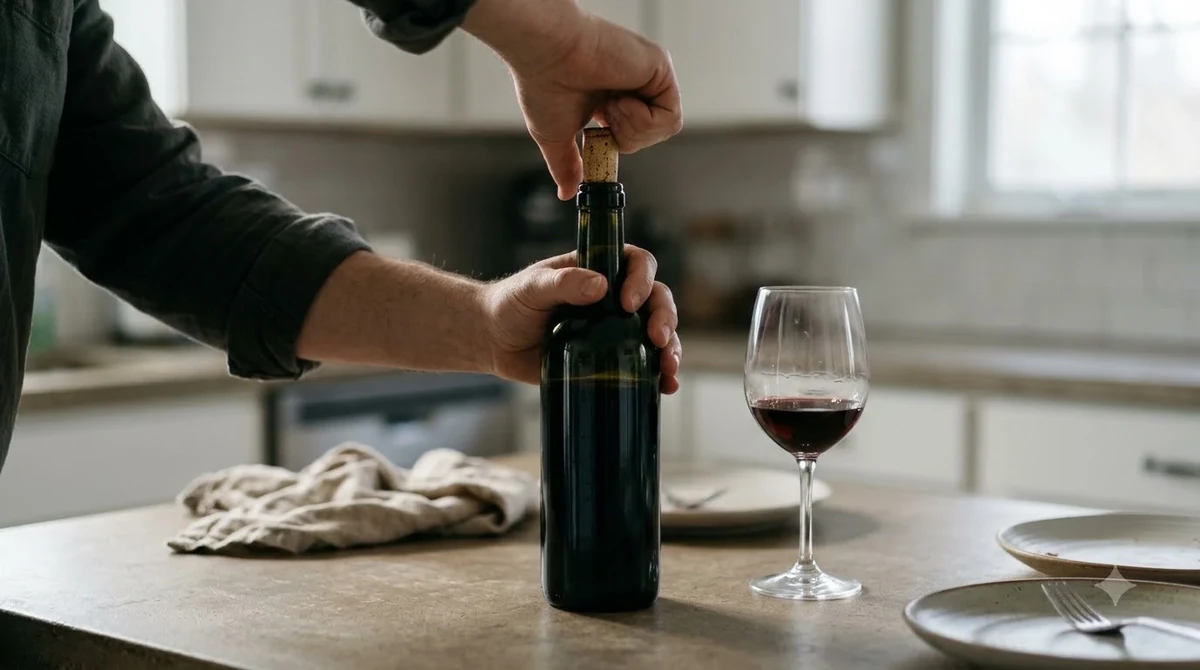
Start by inspecting the back label of the bottle for recognized third-party vegan symbols, such as the European Vegetarian Union V-Label or the Vegan Society sunflower trademark. Several major Douro port houses—including Symington Family Estates, which produces Graham’s, Dow’s, and Warre’s—have explicitly confirmed vegan-friendly practices across specific bottlings in their portfolios and often note vegan suitability on their official websites or back labels. If a label bears no certification logo, however, do not assume the wine is non-vegan, since many smaller estates follow vegan cellar protocols without paying for formal certification.
Your next best tool is Barnivore, a free online directory that tracks the vegan status of thousands of beers, wines, and spirits worldwide. Barnivore editors email wineries directly to ask about their fining and filtration methods, then publish the company’s exact response alongside the date it was verified. Searching the brand name on Barnivore will quickly tell you whether a house’s standard ruby port, reserve ruby, or late bottled vintage uses animal fining agents.
Tip: Keep in mind that a producer’s vegan status can vary from one bottling to the next within the exact same brand lineup. Always verify the specific ruby port label rather than assuming an entire port house is universally vegan.
When a bottle is too new or too small-production to appear in online databases, reach out to the winery or its US importer through their website contact form. Wine hospitality teams are accustomed to dietary questions and can usually tell you within a day or two whether a specific lot was fined with bentonite, pea protein, or egg whites.
Serving, Storing, and Enjoying Vegan Ruby Port
Once you have confirmed that your bottle of ruby port is vegan, proper serving temperature and storage will keep its vibrant berry flavors fresh for weeks. Treating ruby port like an everyday table wine rather than an after-dinner liqueur opens up far more versatility at the table.
Ruby port tastes best slightly chilled, ideally between 55°F and 60°F (13°C to 15°C), which takes about twenty to thirty minutes in the refrigerator before pouring. Serving it slightly cool reins in the perception of sweetness and keeps the 19% to 20% alcohol feeling balanced rather than hot on the palate. Pour it into a standard tulip-shaped port glass or a small white wine glass, filling the bowl only halfway so the aromas of crushed blackberries and sweet spice can gather nicely.
Because ruby port is fortified with grape spirit, it resists oxidation much longer than dry table wines, though it will still lose its bright fruit character if left uncorked on a warm counter. Recork the bottle tightly and store it upright in the refrigerator after opening; if you are wondering how long does ruby port last after opening, most bottles stay lively for four to six weeks when kept cold. Beyond sipping neat after dinner alongside dark chocolate or vegan blue-style nut cheeses, ruby port makes a rich base for a ruby port cocktail mixed with citrus, tonic, or aromatic bitters.
If you are tracking nutrition alongside your plant-based lifestyle, keep in mind that fortification and residual sugar make port denser than standard dry reds. You can check the exact breakdown of calories in ruby port before pouring, or explore broader Wine by Type comparisons if you want a drier fortified alternative like fino sherry or dry Madeira.
Frequently Asked Questions
Are all port wines automatically vegan because they are made from grapes?
No, port wines are not automatically vegan even though their base ingredients are grapes, yeast, and distilled grape spirit. Many producers use animal-derived fining agents such as gelatin, egg whites, or fish bladder to clarify the wine before bottling, which makes those bottles unsuitable for a vegan diet.
Is the grape brandy added to ruby port vegan?
Yes, the fortifying spirit used in authentic Portuguese port—known locally as aguardente—is distilled purely from grapes and contains no animal products. Any non-vegan element in ruby port comes from cellar fining agents used during clarification rather than from the fortifying spirit itself.
Why do ruby port labels rarely list fining agents on the back?
Wine labeling laws in the United States and the European Union classify fining agents as processing aids rather than ingredients because they precipitate out and are removed before bottling. As a result, wineries are not legally required to disclose gelatin or isinglass on the label unless they choose to include voluntary vegan certification.
Is tawny port more or less likely to be vegan than ruby port?
Tawny port faces the exact same fining variables as ruby port, meaning neither style is inherently more vegan than the other. While extended barrel aging allows some solids to settle naturally over time, many producers still fine both ruby and tawny ports with gelatin or egg whites for stability, so you should verify each bottling individually.
Checking whether a bottle of ruby port fits a vegan lifestyle takes only a moment once you know what to look for behind the label. By leaning on third-party vegan logos, databases like Barnivore, and producers who favor bentonite or filtration over animal proteins, you can pour a glass of rich, berry-packed port with complete confidence.
More in Wine Types & Grapes
 Zinfandel Sugar Content: Dry Red vs. White Zinfandel GramsUpdated Nov 21, 2026
 Best Zinfandel Substitute Options for Sipping and CookingUpdated Nov 21, 2026
 Zweigelt Food Pairing: Best Dishes, Cheeses, and Serving TipsUpdated Nov 21, 2026
 Zinfandel Tannins Explained: How Structure Shapes Every BottleUpdated Nov 21, 2026
 Zinfandel Sweetness Level: Dry Red vs. Sweet White Zin ExplainedUpdated Nov 21, 2026
 Xinomavro Food Pairing: Best Dishes, Styles, and Serving TipsUpdated Nov 21, 2026