

We may earn a commission when you buy through links on this page, at no extra cost to you. Learn more.
Where is vermentino from? Vermentino is a white wine grape traditionally associated with the western Mediterranean, especially Italy’s Sardinia, Liguria, and Tuscany, although its precise original birthplace remains uncertain. One historical theory traces the grape from Spain through Corsica into Italy, while another suggests an earlier journey from the eastern Mediterranean. Today, Sardinia is its most important Italian stronghold, and the grape also thrives in coastal France under the name Rolle.
Vermentino offers a useful example of how grape varieties can become closely connected with a region even when their earliest history remains difficult to establish. Its coastal Mediterranean home has shaped its identity, producing white wines that frequently combine citrus, fresh herbs, mineral character, and lively acidity. Understanding its geographical history also explains why bottles from Sardinia, Liguria, Tuscany, and southern France can taste noticeably different despite sharing the same grape variety.
The Mediterranean Origins of Vermentino
Vermentino comes from the western Mediterranean wine tradition, but researchers have not established one definitive country of origin. Spain, Corsica, Liguria, and even the eastern Mediterranean appear in competing historical explanations, making the grape’s background more complicated than its strong association with Italy might suggest.
One widely discussed historical theory proposes that Vermentino traveled from Spain to Provence and Corsica during approximately the 14th century. From there, it spread toward the Italian mainland, particularly Liguria and the coastal areas of Tuscany, before becoming established in Sardinia. The precise order of these movements remains uncertain, and historical references do not establish a complete migration route.
A different explanation comes from research discussed by the Consorzio Vini Maremma. Professor Mario Fregoni’s hypothesis associates Vermentino with the Proles Pontica grape group and suggests an origin in the Middle East. Under this theory, the vine traveled from Anatolia toward the Turkish coast and Aegean islands before reaching Marseille through Greek maritime connections. Ligurian traders and navigators then helped spread the variety along Mediterranean coastal settlements.
There is also an Italian-origin argument. Some researchers have proposed that Vermentino was already present in Sardinia during the 13th century, suggesting that its historical relationship with the island could be older than commonly assumed. The Maremma consortium describes these different explanations rather than presenting one as conclusively established.
These competing accounts explain why a simple geographical answer can be misleading. Vermentino’s historical identity developed across several connected coastal communities, and the available evidence does not justify assigning its origin exclusively to one modern country.
The distinction between a grape’s original birthplace and its established wine regions is important. Even if future research identifies a more precise ancestral location, Sardinia, Liguria, Tuscany, and Corsica will remain central to understanding Vermentino’s modern identity.
Sardinia: Italy’s Leading Vermentino Region
Sardinia is the most important Italian region for Vermentino, with particularly strong associations in the northeastern Gallura area. Its Mediterranean climate, coastal winds, granite hills, and distinctive local wine traditions have helped make Sardinian Vermentino recognizable internationally.
According to the Sardinia regional tourism authority, approximately 80 percent of Italy’s Vermentino vines are planted on the island. That concentration makes Sardinia the natural starting point for anyone exploring the grape. Vineyards extend across the island, but northeastern Sardinia is especially important because of the reputation of Vermentino di Gallura.
Gallura occupies the northeastern corner of Sardinia, around communities including Arzachena, Tempio Pausania, and Berchidda. The landscape includes granite formations and rolling hills exposed to Mediterranean weather patterns. The regional tourism authority describes the area’s vineyards as growing on granite hillsides influenced by sea breezes.
These environmental conditions contribute to the distinctive character of many local wines. Producers commonly emphasize citrus, floral aromas, fresh fruit, and a savory mineral impression. The wines can have more body and structure than their refreshing acidity initially suggests.
Vermentino di Gallura holds Italy’s DOCG classification, the country’s highest traditional wine appellation category. Its production rules distinguish it from the broader island-wide Vermentino di Sardegna designation. The two names therefore communicate more than the fact that the wine comes from Sardinia: they identify different geographical and production requirements.
Sardinia also has a broader relationship with the variety than dry white wine alone. Vermentino can be used for sparkling and sweet wines, although dry white expressions are particularly prominent in the region’s international reputation.
For additional geographical and regional context, the official Sardinia tourism authority’s introduction to Vermentino describes the grape’s importance to the island, its Gallura vineyards, and its connection with local food traditions.
Vermentino di Gallura and Vermentino di Sardegna
Vermentino di Gallura and Vermentino di Sardegna are two important Sardinian designations, but they cover different production areas and have different minimum grape requirements. Gallura represents a more geographically restricted northeastern appellation, while Vermentino di Sardegna covers the island more broadly.
According to the Sardinia regional tourism authority, Vermentino di Gallura requires at least 95 percent Vermentino grapes. Its vineyards must be located within Gallura and at elevations no higher than 500 meters. These geographical and production requirements help preserve the identity of the northeastern wine region.
Vermentino di Sardegna, meanwhile, requires at least 85 percent Vermentino sourced from Sardinian territory. Its wider geographical scope allows wines to reflect a greater range of island environments, from coastal vineyards to inland growing areas.
| Characteristic | Vermentino di Gallura | Vermentino di Sardegna |
|---|---|---|
| Geographical area | Gallura, northeastern Sardinia | Throughout Sardinia |
| Classification | DOCG | DOC |
| Minimum Vermentino content | 95% | 85% |
| Vineyard elevation requirement | Maximum 500 meters | No corresponding island-wide limit stated here |
| Typical character | Floral, structured, mineral | Fruit-forward and regionally varied |
The differences are useful when choosing a bottle. Gallura is a particularly interesting starting point for someone seeking a geographically specific expression of Vermentino, while the broader Sardegna designation offers an opportunity to explore different island-growing environments.
It is important not to assume that every Gallura wine tastes exactly alike. Vineyard altitude, soil composition, harvest timing, winemaking decisions, and individual producer preferences all influence the final result. Even within one appellation, wines can range from light and citrus-driven to fuller and more textured.
The same principle applies to Vermentino di Sardegna. Its wider geographical area does not mean that every wine has an identical flavor profile. A bottle from a warm coastal vineyard may have a different balance of fruit and acidity from one grown farther inland.
Liguria and Tuscany: Vermentino on the Italian Coast
Liguria and Tuscany are two other essential Italian homes for Vermentino. Liguria connects the grape with northwestern Italy’s maritime food traditions, while Tuscany has developed important coastal expressions, particularly in the Maremma area and around the Tuscan coast.
Liguria is particularly significant in discussions about Vermentino’s early Italian history. The Consorzio Vini Maremma identifies it as a likely first Italian home for the grape, although other origin theories remain possible. Its coastal vineyards and historic maritime connections make the region an important part of the variety’s Mediterranean story.
In Liguria, Vermentino is closely associated with seafood and local dishes featuring olive oil, herbs, and fresh vegetables. Its combination of acidity and aromatic character works particularly well with grilled fish, shellfish, and traditional basil pesto. These food connections help explain why Vermentino has remained an important part of the region’s white wine identity.
Some Ligurian wines also carry the name Pigato. Pigato is widely associated with the same grape variety, although local traditions, genetic interpretations, and official wine classifications can distinguish the names. The relationship between Pigato and Vermentino is therefore more complicated than assuming that every bottle carrying either name will be identical.
In Tuscany, the Maremma coastal area has become a major center for Vermentino production. The Consorzio Vini Maremma reports 830 hectares of Vermentino vineyards across municipalities in the province of Grosseto, including Magliano in Toscana, Grosseto, Orbetello, and Roccastrada.
The growth of the grape in Maremma has been substantial. The same consortium reports that the province had fewer than 140 hectares of Vermentino in 2006. The variety’s increasing importance reflects the suitability of the coastal environment and growing interest in fresh, aromatic Tuscan white wines.
Maremma Toscana DOC also allows varietal Vermentino wines containing at least 85 percent of the grape. The appellation permits several styles, including still white, sparkling, and passito wines. This flexibility illustrates how one variety can support different expressions without losing its regional identity.
For additional background on another important European red grape, see our explanation of where is Merlot from. Comparing regional grape histories helps show how European varieties spread and developed distinct identities across neighboring wine regions.
Corsica and Southern France: Rolle and Other Names
Vermentino is not exclusively Italian. It is also important in Corsica and southern France, where the grape is commonly called Rolle, particularly in Provence, Nice, and parts of Languedoc-Roussillon.
Corsica occupies a central position in many explanations of Vermentino’s historical movement. The island sits between the French mainland and the Italian coast, making it a natural geographical link between the western Mediterranean’s major wine-growing areas. Its wine traditions have maintained a strong connection with the variety.
Patrimonio, in northern Corsica, is one of the French areas associated with Vermentino. The grape is also used elsewhere on the island, where it is commonly known as Vermentinu. Its importance in Corsican white wine production makes the island particularly relevant when comparing Italian and French expressions.
On the French mainland, Rolle is the name commonly used for this grape in Provence, Nice, and parts of Languedoc-Roussillon. Wine Enthusiast identifies Rolle as another name for Vermentino and describes its characteristic citrus, green apple, limestone, and flint flavors.
Provence is widely recognized for rosé, but Rolle also contributes to the region’s white wines. Its fresh acidity and mineral character can provide an appealing contrast to the richer texture of some regional white wine styles.
In Languedoc-Roussillon, plantings of Rolle have also become increasingly important. The variety suits warm Mediterranean conditions and can produce wines with both aromatic intensity and freshness. Coastal vineyards are particularly relevant because the grape has a long association with maritime environments.
These different names can create confusion when shopping. A French bottle labeled Rolle may contain the same grape that an Italian producer calls Vermentino. The geographical designation and producer information are therefore useful clues when comparing bottles from different countries.
Vermentino also appears in California and parts of southern Oregon, according to Wine Enthusiast. These newer growing areas demonstrate that the variety is not restricted to its historic Mediterranean home. However, its strongest traditional identity remains associated with Italy and southern France.
What Vermentino Tastes Like and Why Its Climate Matters
Vermentino typically produces a dry, aromatic white wine with refreshing acidity, citrus flavors, and a savory finish. Its body generally ranges from light to medium, although warmer growing conditions and different winemaking methods can produce richer, more substantial expressions.
Common aromas include lemon, lime, green apple, pear, white flowers, and Mediterranean herbs. Some wines also show hints of almond, stone fruit, and a mineral character reminiscent of wet stone or flint. The exact combination depends on the vineyard, harvest conditions, and cellar decisions.
Coastal vineyards are particularly important because Vermentino is well suited to Mediterranean growing environments. Warm sunshine supports ripening, while sea breezes can help moderate vineyard conditions. The Consorzio Vini Maremma describes the variety as preferring dry, shallow, sunny, hilly soils, particularly those close to the sea.
The grape is also relatively late ripening. This characteristic influences vineyard management because growers must balance sufficient ripeness with the desire to preserve freshness. Harvesting decisions can have a substantial effect on the wine’s acidity, fruit character, and overall texture.
Early harvesting generally helps retain a brighter, more energetic profile. Later harvesting can produce riper fruit characteristics and a fuller impression. Some producers also use lees aging to develop texture, while others favor stainless steel fermentation to preserve fresh fruit and aromatic clarity.
Decanter’s coverage of Italian Vermentino describes cold skin contact as a widely used technique for intensifying aromatic character and notes that aging on fine lees is also common. Oak remains a point of disagreement among producers. Some prefer to avoid it because they believe it can obscure the variety’s natural aromas, while others use oak in selected wines to add texture and complexity.
Vermentino is therefore not a single-flavor wine. A fresh, unoaked Sardinian example may emphasize citrus, herbs, and salinity, while a more structured Tuscan bottle can show greater weight and ripe fruit. French Rolle may offer a related combination of freshness and mineral character, but its style also reflects local production choices.
For a useful comparison, Sauvignon Blanc generally has high acidity and often emphasizes sharper citrus and green herbal notes. Vermentino can also be aromatic and refreshing, but it frequently presents a broader texture and a distinctive savory or almond-like finish.
For another perspective on the grape’s aroma, regional names, and typical styles, Wine Enthusiast’s Vermentino profile provides an overview of its Italian and French growing regions and its characteristic citrus and mineral flavors.
For readers exploring other wine varieties, our Wine by Type resource provides a starting point for understanding how grape varieties influence the style and character of different wines.
How to Serve Vermentino and Choose the Right Food Pairings
Vermentino is best served chilled at approximately 45–50°F for a fresh, balanced drinking experience. Its natural acidity and Mediterranean flavor profile make it especially suitable for seafood, shellfish, grilled fish, and lighter dishes featuring herbs and olive oil.
Serving temperature matters because excessive cold can suppress delicate floral and fruit aromas. A bottle served straight from an extremely cold refrigerator may initially seem less expressive. Allowing it to warm slightly in the glass can reveal more of its citrus, fruit, and mineral characteristics.
Food pairing is one of Vermentino’s strongest advantages. Its acidity refreshes the palate between bites, while its aromatic character complements the flavors of many coastal Mediterranean dishes. Unlike heavily tannic red wines, Vermentino does not create the same difficulties with fish and delicate shellfish.
Seafood and shellfish
Oysters, shrimp, scallops, mussels, and clams are natural partners. Their delicate sweetness and salty character work well with the grape’s citrus freshness and savory finish. Grilled sea bass, roasted branzino, and simply prepared white fish are also excellent choices.
Oysters, raw shellfish, squid, and octopus are particularly suitable partners for this Mediterranean white. A lightly seasoned seafood pasta with garlic, parsley, lemon, and olive oil is another particularly useful combination.
Mediterranean vegetables and pasta
Vermentino pairs comfortably with vegetable dishes featuring zucchini, fennel, tomatoes, artichokes, and fresh herbs. Ligurian basil pesto is an especially appropriate match because the wine’s acidity can balance the richness of olive oil, nuts, and cheese.
Seafood risotto and pasta allo scoglio are also traditional regional combinations. These dishes combine shellfish, fish, and pasta in preparations that complement the wine’s refreshing structure.
Cheese and lighter meats
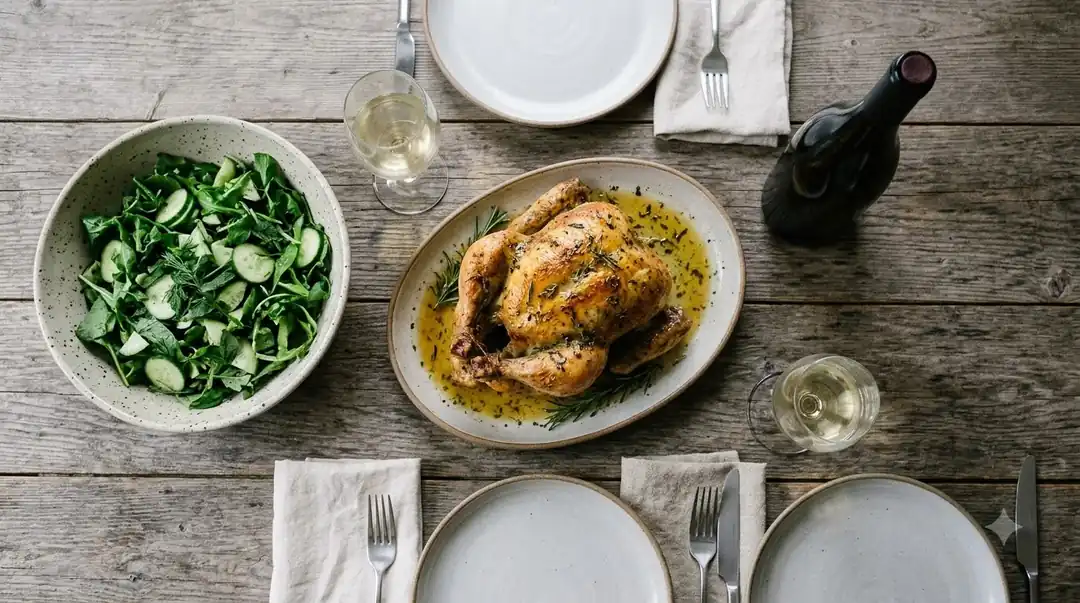
Fresh goat cheese, mozzarella, ricotta, and other mild cheeses are suitable partners for many Vermentino wines. Fuller examples can also accompany roast chicken and other lightly seasoned white meats. Strongly flavored dishes may require a more structured wine to maintain balance.
Salt and fat can soften tannin in red wines, but Vermentino’s appeal comes primarily from acidity rather than tannin. This makes it a useful alternative when a meal contains delicate fish or shellfish that would clash with a strongly tannic red.
Tip: Chill Vermentino to approximately 45–50°F and serve it in a white wine glass. Start with grilled fish, oysters, or basil pesto pasta to appreciate its citrus freshness and savory Mediterranean character.
For most everyday bottles, drinking Vermentino relatively young is a sensible approach. The Sardinia regional tourism authority recommends enjoying it at approximately one or two years of age, when fresh fruit and floral aromas are often particularly expressive. Some carefully made, more structured wines can develop additional complexity with bottle aging.
Once opened, store the bottle in the refrigerator and use a suitable closure. Still white wines generally retain their best qualities for approximately three to five days under refrigeration, although freshness and aroma can decline gradually after opening.
Vermentino is a particularly rewarding choice for anyone who enjoys Mediterranean food and refreshing white wines. Its geographical history may be disputed, but its connection with Sardinia, Liguria, Tuscany, and Corsica is firmly established.
Frequently Asked Questions
Is Vermentino genetically related to Pigato and Favorita?
DNA research has associated Vermentino, Pigato, and Favorita with the same grape variety, although the relationships are not universally treated as simple synonyms. The Maremma consortium notes that some Pigato and Favorita examples demonstrate genetic and morphological characteristics that differ from Vermentino. Their historical and genetic relationship is one reason the variety has such an extensive collection of regional names.
Does Vermentino have a particular pronunciation?
In English, Vermentino is commonly pronounced vair-men-TEE-noh. The emphasis falls on the third syllable. In French wine regions, the alternative name Rolle is pronounced differently and is generally shorter and easier for English-speaking wine shoppers to recognize.
Can Vermentino be used to make rosé wine?
Yes. Vermentino grapes can appear in rosé, sparkling, white, and dessert wines, although dry white wine remains their best-known style. The grape’s versatility allows winemakers to produce several different expressions depending on their intended style and production approach.
Is Vermentino suitable for aging in a wine cellar?
Most everyday Vermentino is intended for relatively early drinking, but selected structured examples can develop additional complexity. Wine Enthusiast gives a general handling window of one to five years. The ability to age depends on the wine’s structure, acidity, and winemaking approach.
Is Vermentino grown outside Europe?
Yes. Vermentino has established plantings in parts of the United States, including California and southern Oregon. Its ability to grow in warmer climates and mineral-rich soils has helped it find suitable vineyard sites beyond its traditional Mediterranean home.
Vermentino’s history stretches across the Mediterranean, connecting Italian coastal regions with Corsica and southern France. Although its precise birthplace remains uncertain, Sardinia is its most important Italian home and an excellent place to begin exploring the variety. Whether labeled Vermentino, Vermentinu, or Rolle, this refreshing white grape offers a distinctive expression of Mediterranean wine culture.
More in Wine Types & Grapes
 Zinfandel Sugar Content: Dry Red vs. White Zinfandel GramsUpdated Nov 21, 2026
 Best Zinfandel Substitute Options for Sipping and CookingUpdated Nov 21, 2026
 Zweigelt Food Pairing: Best Dishes, Cheeses, and Serving TipsUpdated Nov 21, 2026
 Zinfandel Tannins Explained: How Structure Shapes Every BottleUpdated Nov 21, 2026
 Zinfandel Sweetness Level: Dry Red vs. Sweet White Zin ExplainedUpdated Nov 21, 2026
 Xinomavro Food Pairing: Best Dishes, Styles, and Serving TipsUpdated Nov 21, 2026