

We may earn a commission when you buy through links on this page, at no extra cost to you. Learn more.
To answer what does viognier taste like, expect ripe apricot, peach, and fragrant blossoms, often with a creamy, full-bodied texture and relatively gentle acidity. Most bottles are dry, even though their floral and fruit aromas can seem sweet. Expect a generous, aromatic white wine rather than a crisp, lean style, with details shifting according to climate, ripeness, and winemaking.
Viognier is a white grape best known in France’s Northern Rhône, especially in Condrieu, and it is also grown in places such as California and Australia. Its appeal comes from the contrast between vivid perfume and a rounded palate: the wine may smell like a bowl of ripe stone fruit and flowers, then feel broad and softly textured across the tongue. Knowing the grape’s usual profile makes it easier to choose a bottle, serve it well, and pair it with dinner.
The Signature Aromas of Apricot, Peach, and Flowers
Viognier’s most recognizable signature is ripe stone fruit layered with floral perfume. Apricot and peach are the classic markers, while honeysuckle, jasmine, violet, and orange blossom may appear around them; a warm-climate example can add notes of pineapple, mango, or citrus peel.
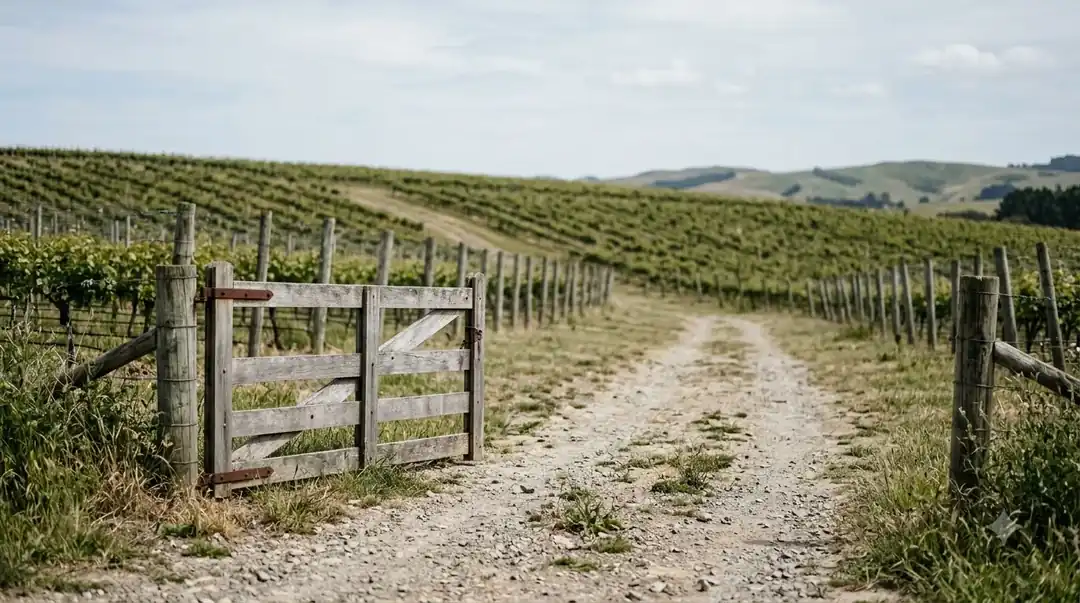
Start with the aroma before taking a sip. Swirl the glass gently and look for a combination of fresh and ripe scents: white peach, yellow peach, apricot, and blossoms are common reference points, while a more concentrated wine may suggest dried apricot, candied citrus, or ginger. Condrieu, the Northern Rhône appellation most closely associated with the grape, can show mango, white peach, apricot, violet, and, in mature examples, hints of musk, gingerbread, or tobacco, according to the Rhône Valley wine body.
The fruit character is usually ripe rather than tart. Think of a soft, juicy peach rather than a crunchy green apple, or a fresh apricot rather than a sharp lemon. Floral notes often make the aroma feel perfumed and expressive, but they do not mean that the wine contains added flavorings or sugar. These are natural aroma impressions associated with the grape, ripeness, and the way the wine is made.
Not every bottle delivers every descriptor. A cooler site or an earlier harvest may preserve more citrus, pear, or fresh-flower character, while a warmer growing season can push the fruit toward tropical notes and make the overall impression more opulent. The most reliable expectation is an aromatic white with peach, apricot, and flowers at its center, not a fixed checklist of flavors.
Dryness, Acidity, Body, and the Feel on Your Palate
Most Viognier is made as a dry white wine, but its ripe fruit aromas can create an impression of sweetness. It generally has low to moderate acidity, low tannin, and a medium-full to full body, so the texture often feels rounded, creamy, or gently oily rather than sharp and brisk.
That distinction between smell and taste matters. A glass can smell like apricot nectar or honeysuckle while finishing dry, with no dessert-like sugar on the tongue. Wine Enthusiast describes Viognier as primarily a dry-wine grape, though late-harvest sweet versions also exist. Unless the bottle is specifically made in a sweet style, approach it as a dry white with generous fruit aromas.
Acidity is the main structural difference between Viognier and leaner whites. It usually feels softer than Sauvignon Blanc or Riesling, whose higher acidity creates a more mouthwatering, citrus-driven impression. Compared with Chardonnay, Viognier often emphasizes perfume and ripe fruit, while Chardonnay can range from taut and mineral to creamy and oak-shaped. If you enjoy a rounded white but want more floral intensity, Viognier is a useful variety to explore.
| What to notice | Typical Viognier impression | How it affects the wine |
|---|---|---|
| Sweetness | Usually dry | Ripe aromas can suggest sweetness without sugary taste. |
| Acidity | Low to moderate | The palate feels soft rather than sharply tart. |
| Body | Medium-full to full | The wine has a broad, rounded presence. |
| Tannin | Very low | There is little of the drying grip associated with red wines. |
| Serving temperature | 50–55°F | A cool-but-not-icy pour preserves aroma and texture. |
Alcohol can also contribute to Viognier’s weight. In warm regions, grapes can accumulate enough sugar to produce wines around 14% alcohol, a point noted by Wine Enthusiast. That warmth may register as a gentle heat at the finish, particularly when the wine is served too warm. It is one reason a measured chill is useful: the fruit stays expressive while the alcohol feels less prominent.
How Condrieu and Other Regions Shape the Style
Viognier’s classic reference point is Condrieu in the Northern Rhône, where the appellation’s white wines are made entirely from the grape. The Rhône Valley wine body describes a landscape of steep granite slopes and narrow terraces, conditions that help explain why Condrieu is a distinctive expression rather than a generic version of the variety.
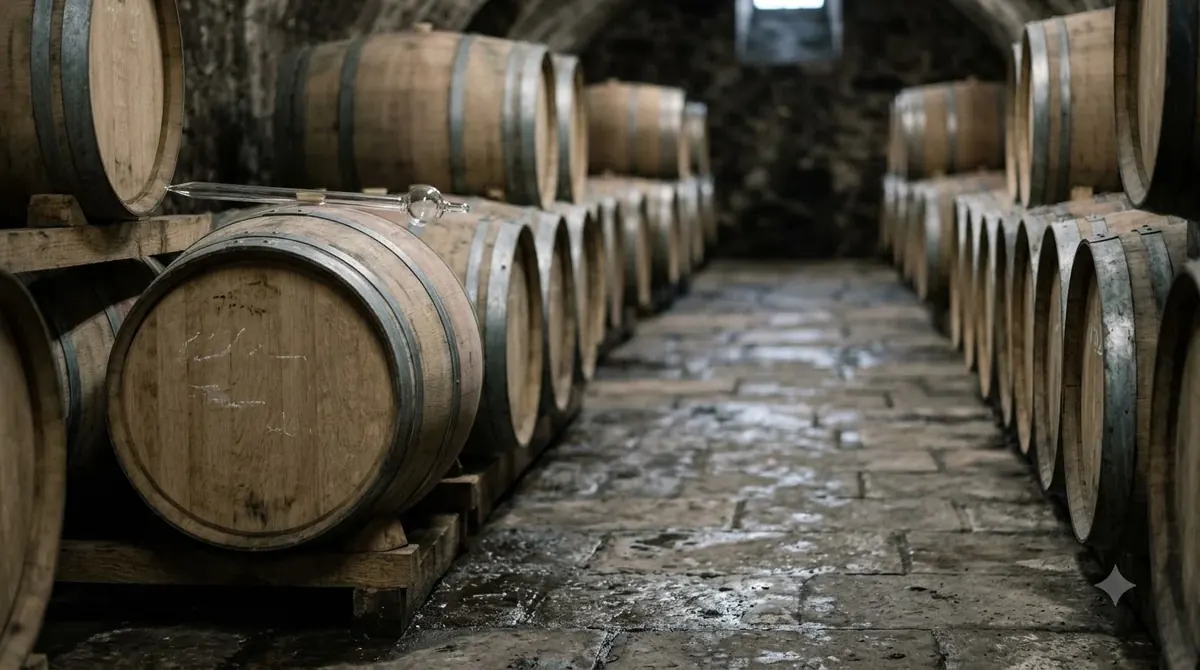
Condrieu covers seven communes on the right bank of the Rhône and is known for aromatic, supple whites with floral notes, mango, white peach, and apricot. The Rhône Valley organization lists a production area of 216 hectares across seven communes, with an average yield of 23 hectoliters per hectare. These figures help convey the appellation’s focused scale; they are not measurements of Viognier production worldwide. Its steep sites, granite-rich soils, and continental climate with Mediterranean influence give the region a clear geographic identity. Read the regional body’s Condrieu appellation profile for more on its seven communes and vineyard setting.
Outside the Northern Rhône, Viognier grows in southern France, California, Australia, and other wine regions. Wine Enthusiast identifies sizeable plantings in France’s Languedoc as well as Argentina, Chile, California, Australia, and New Zealand. The grape’s aroma remains recognizable, but climate and site influence the balance: warmer conditions may produce more tropical fruit, a fuller body, and a warmer finish, while fresher sites can preserve more lift and citrus detail.
That is why two bottles carrying the same grape name can feel quite different. A Condrieu may combine concentrated peach and apricot with flowers and a broad, layered palate; a California or Australian example may put more emphasis on ripe melon, citrus, or tropical fruit. Neither is automatically the better choice. Look for the style that matches whether you want a richly perfumed white or a fresher, more restrained one.
How Harvest Choices and Winemaking Change the Flavor
Viognier’s flavor depends heavily on picking decisions because the grape can gain ripeness quickly while its natural acidity remains relatively modest. Harvesting earlier can preserve freshness and lighter fruit tones; allowing more ripeness can intensify peach, apricot, and tropical notes, but may also create a heavier palate and higher alcohol.
Winemaking then shapes texture and aroma. Fermentation and aging in stainless steel tend to keep the fruit profile direct and clear, while barrel fermentation or oak aging can add vanilla, baking spice, toast, or a richer impression. Oak should be a supporting note rather than the whole story: too much wood can cover the floral character that makes the grape distinctive. Some producers also use lees contact, leaving the wine with fine yeast sediment after fermentation, to build a creamier texture and extra mid-palate weight.
Viognier is also made in blends, particularly with other Rhône white grapes such as Marsanne and Roussanne. A blend may soften or broaden the aroma while adding structure from the other varieties. In the Northern Rhône, Condrieu and Château-Grillet are recognized as Viognier-based single-variety appellations, whereas producers elsewhere have more room to compose white Rhône-style blends. The result is a range of wines: aromatic and unoaked, rounded and textured, or more layered through barrel and lees aging.
Sweet late-harvest bottlings are a smaller branch of the category. They use very ripe grapes and can concentrate flavors toward dried apricot, honey, and preserved fruit. These wines should be treated differently at the table from dry Viognier: a dessert wine needs a dish that is at least as sweet as the wine, or the wine can taste less fruity and more acidic by comparison.
Food Pairings for Viognier’s Rich Fruit and Soft Acidity
Viognier is most comfortable beside dishes with some richness, gentle seasoning, or aromatic herbs. Its medium-full body can stand up to roast poultry, creamy seafood, pork, and mild curry, while its peach and floral notes can echo fruit garnishes and fragrant spices.
For seafood, try seared scallops with a light cream sauce, lobster, crab, or sea bass with fennel. The wine’s rounded texture meets the richness of butter or cream, and its perfume adds an aromatic counterpoint. Avoid piling on sharp lemon or vinegar: a strongly acidic dressing can make a softer-acid wine seem flat. A squeeze of citrus at the last minute can work, but keep the overall dish balanced rather than aggressively sour.
Roast chicken, turkey, and pork tenderloin are reliable matches, especially with herbs such as thyme, tarragon, or sage. A mild curry with coconut milk, ginger, and warming spices can also suit the variety’s ripe fruit and broad texture. Keep chili heat moderate. Alcohol can intensify the sensation of chili, so a high-alcohol Viognier alongside a very hot dish may feel hotter and less balanced than expected.
For vegetarian meals, consider butternut squash soup, roasted cauliflower with spices, sweet potato dishes, or mushroom risotto. The wine’s body suits soft, creamy textures, while its floral and stone-fruit aromas can complement roasted or lightly sweet ingredients. Soft cheeses, including Brie, can work well when the dish is not excessively salty or acidic. For a white with a broader range of sweetness and often higher acidity, compare what does chenin blanc taste like; for more grape-by-grape comparisons of sweetness, acidity, and body, visit Wine by Type.
Tip: Match Viognier to the weight of the dish, then keep the seasoning moderate. Try it with scallops in cream, roast chicken with tarragon, or a mild coconut curry; avoid very hot chili and strongly sour sauces.
Serving Temperature, Glassware, and Storage
Serve Viognier cool, not ice-cold: 50–55°F is a practical target for a full-bodied white. At this temperature, peach and floral aromas can show clearly while the wine retains enough freshness to feel balanced. A bottle taken straight from a very cold refrigerator may seem muted, so give it a few minutes in the glass if the aroma is hard to read.
Use a medium or generously sized white-wine glass so the aromas have room to gather. Pour a standard 5-ounce serving into the bowl rather than filling it to the rim; leave space to swirl without spilling. A 750-milliliter bottle yields about five standard glasses. These simple measures make it easier to notice how the wine changes as it warms slightly and opens in the glass.
Most everyday Viognier is best enjoyed young, while its peach, apricot, and blossom character is fresh. Decanter notes that the grape’s wines can develop oily or slightly bitter qualities with age, although selected Condrieu wines can show more complexity. Store an unopened bottle on its side in a cool, dark place near 55°F, away from temperature swings and direct sunlight. For a bottle intended for near-term drinking, a stable refrigerator is a better choice than a warm kitchen shelf. After opening, reseal the bottle and keep it in the refrigerator; as a general guide for still wines, aim to finish it within 3–5 days because the fruit and floral aromas may fade. Viognier does not usually need decanting, but a young, rich example that seems closed can be given 10 to 15 minutes in the glass to release its perfume.
Frequently Asked Questions
How do you pronounce Viognier?
Viognier is pronounced “VEE-oh-nyay,” with the final syllable sounding like “yay.” The name is French, and the pronunciation is easier to recognize after hearing it once from a wine professional or producer.
Can Viognier be used in red wine?
Yes. In parts of the Northern Rhône, winemakers may co-ferment a small proportion of Viognier with Syrah for red wine. Wine Enthusiast notes that this practice can help Syrah develop a deep color while contributing a light floral note.
Is Viognier difficult to grow?
It can be demanding in the vineyard. Wine Enthusiast notes that Viognier vines are often low-yielding and susceptible to powdery mildew, a problem that spreads in humid weather and can damage grapes. Careful vineyard management is therefore important to producing sound fruit.
How common is Viognier in the Rhône Valley?
The Rhône Valley wine organization identifies Viognier as the valley’s second most planted white grape variety. Its profile lists the variety at 1.9% of the region’s vineyard area, showing that it is significant but far from the dominant planting across the whole valley.
Does Viognier always come from France?
No. Although its historic home is the Northern Rhône, Viognier is also grown in California, Australia, Argentina, Chile, and New Zealand. The grape’s floral and stone-fruit identity travels well, but the local climate can change the balance between freshness, ripeness, and alcohol.
Viognier is a strong choice when you want a dry white wine with pronounced peach, apricot, floral aromas, and a generous texture. Choose a fresher style for seafood and herbs or a richer example for roast poultry, creamy dishes, and mild spice. Serve it cool enough to stay balanced, and let its perfume take the lead.
More in Wine Types & Grapes
 What Does Mourvèdre Taste Like? Flavor Profile, Regions, and PairingsUpdated Nov 20, 2026
 What Does Marsanne Taste Like? Flavors, Styles, and Food PairingsUpdated Nov 20, 2026
 What Does Malvasia Taste Like? Styles, Flavors, and Food PairingsUpdated Nov 20, 2026
 What Does Grenache Blanc Taste Like? Flavor Profile, Styles, and PairingsUpdated Nov 20, 2026
 What Does Garnacha Taste Like? Key Flavors, Styles, and Pairing TipsUpdated Nov 20, 2026
 What Does Fruit Wine Taste Like? A Complete Flavor and Style BreakdownUpdated Nov 20, 2026