

We may earn a commission when you buy through links on this page, at no extra cost to you. Learn more.
Sherry is both sweet and dry, so the answer to “is sherry sweet or dry” depends on the style named on the bottle. Most traditional Sherry is dry: Fino, Manzanilla, Amontillado, Oloroso, and Palo Cortado. Cream, Pale Cream, Medium, Moscatel, and Pedro Ximénez are sweetened or naturally sweet styles, ranging from gently rounded to intensely sugary.
Sherry is a fortified wine from Andalucía in southern Spain, not a single flavor or sweetness level. The useful shortcut is to learn a handful of style names: Fino and Manzanilla are crisp and dry, Amontillado and Oloroso are deeper but still dry, while Cream and Pedro Ximénez are clearly sweet.
The Sweetness Range Behind the Name Sherry
Sherry covers a wide sweetness range, but the classic styles are dry rather than sweet. The Consejo Regulador classifies traditional dry wines as containing no more than 5 grams of residual sugar per liter, while the sweet categories begin above that level.
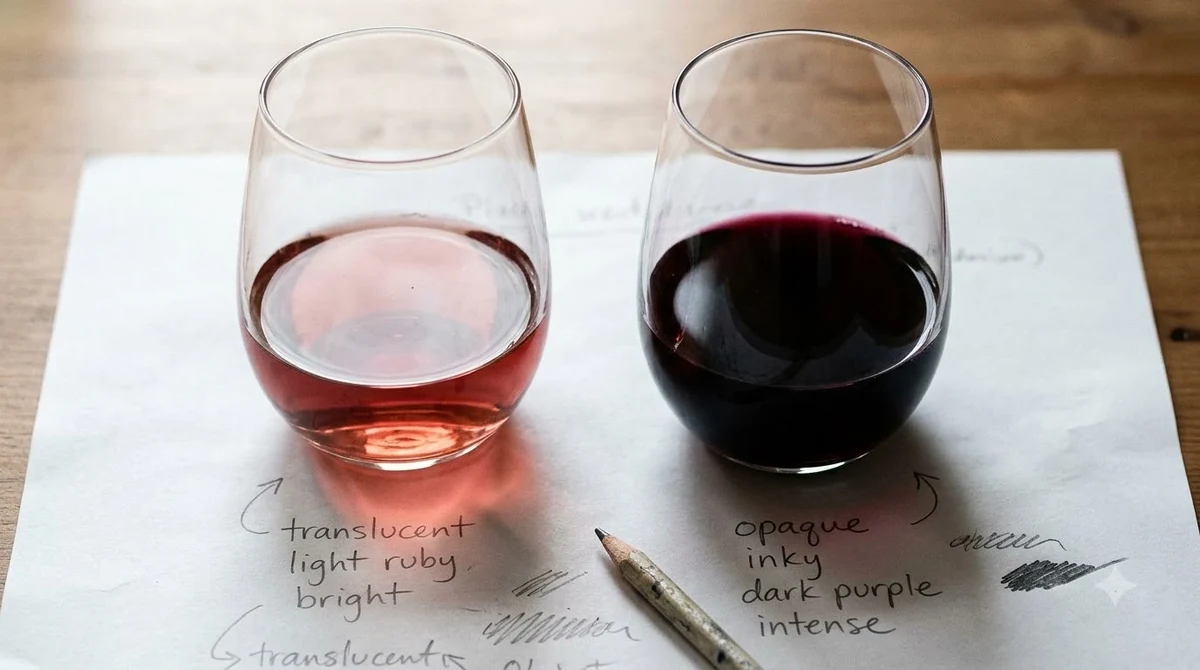
That distinction matters because shoppers often associate Sherry with dark brown bottles and rich, dessert-like flavors. Color and sweetness are separate clues: a dark Oloroso can finish completely dry, while a pale Sherry called Pale Cream has added sweetness despite its light straw color. A dark Pedro Ximénez (usually shortened to PX) is naturally very sweet, but its color alone does not explain the difference.
Sherry is made in the Marco de Jerez, the protected area of Andalucía associated with Jerez de la Frontera, Sanlúcar de Barrameda, and El Puerto de Santa María. The regional classification separates its wines into dry Sherries, sweetened blends, and naturally sweet wines, a useful framework for reading a shelf without guessing from color or bottle shape. The official Sherry wine classification lists each of these categories and their traditional styles.
Dry Sherry Styles to Look For
Five classic styles are classified as dry: Fino, Manzanilla, Amontillado, Oloroso, and Palo Cortado. They can taste very different, from salty and delicate to nutty and full-bodied, yet their defining style remains dry.
Fino and Manzanilla are pale, dry Sherries made from Palomino grapes and aged under flor, a living film of yeast that protects the wine from direct exposure to oxygen. They show almond, fresh dough, herbs, and a saline edge rather than obvious fruit sweetness. Manzanilla must be aged in the coastal town of Sanlúcar de Barrameda; the regional council reports its usual alcohol level at 15% and its residual sugar normally below 1 gram per liter. These wines are served well chilled and pair naturally with olives, salted almonds, cured ham, anchovies, shrimp, and fried seafood.
Amontillado begins with biological aging under flor and continues with oxidative aging after the yeast cover disappears. It becomes deeper in color and develops hazelnut, herbs, wood, and savory complexity, yet the official style has a dry finish. Oloroso is dry too, even though it is often darker and fuller than Fino: it is fortified to about 17% alcohol before aging, preventing flor from forming and allowing the wine to mature in contact with oxygen. Its walnut, toasted, leather, and dried-herb notes can seem rich or almost sweet, but the regional specification gives Oloroso less than 4 grams of sugar per liter. Palo Cortado also belongs to the dry generoso group, combining the aromatic elegance of Amontillado with a broad, structured palate. These deeper styles suit consommé, roast chicken, beef stew, game, mushrooms, tuna, and aged cheese.
Sweet and Blended Sherry Styles
Sweet Sherry includes wines made by blending dry Sherry with a sweet component and wines made from grapes whose sugars are concentrated before fermentation. Pale Cream, Medium, and Cream are blended styles; Moscatel and Pedro Ximénez are naturally sweet categories.

Pale Cream starts with a biologically aged wine such as Fino or Manzanilla, then receives concentrated grape must to soften its dry edge. It keeps a pale yellow color and some fresh, almond-like character from flor aging, but the finish is gently sweet. The regional council gives Pale Cream a residual-sugar range of 45 to 115 grams per liter, so it is noticeably sweeter than dry Fino. It can work as an aperitif and alongside pâté, foie gras, pears, or lightly sweet fruit. Medium Sherry occupies a broad middle ground: its official range is more than 5 and up to 115 grams of sugar per liter. Bottles labeled Medium Dry contain 5 to 45 grams per liter, while Medium Sweet contains more than 45 and up to 115. Two bottles with the word Medium may therefore taste quite different. Often based on Amontillado or another wine with oxidative aging, Medium is blended with a sweet wine or concentrated must and can show nutty, pastry-like, baked-apple, or quince notes.
Cream Sherry is a sweetened, oxidative style made mainly by blending Oloroso with naturally sweet wine, often Pedro Ximénez. The Consejo Regulador sets its sugar range at 115 to 140 grams per liter. It is full-bodied and smooth, with flavors that can recall caramel, roasted nuts, and dried fruit; serve it after dinner with pastries, fruit, ice cream, blue cheese, or a slice of orange over ice.
Moscatel is a naturally sweet Sherry made from Muscat-family grapes, often with a more floral, perfumed character than PX. Pedro Ximénez is made from its namesake grape, which is dried in the sun until the berries resemble raisins. That process concentrates sugar before fermentation is stopped, producing a dark, thick wine with raisin, fig, date, honey, coffee, and chocolate notes. The regional council lists PX at more than 212 grams of sugar per liter, making it one of the most intensely sweet Sherry styles. For a closer look at a familiar sweet style, see is cream sherry sweet or dry; its name can sound like a texture description, but it is a defined sweet category with a measurable sugar range.
How Production Creates Different Sweetness Levels
Sherry’s range comes from decisions made before and during aging, not simply from adding alcohol. Palomino is the principal grape for the dry styles, while Pedro Ximénez and Moscatel are used for naturally sweet wines and some blends.
For Fino and Manzanilla, the base wine is fortified to encourage the growth of flor. This yeast layer uses oxygen at the wine’s surface and helps preserve a pale, delicate profile. Fino is aged in bodegas in Jerez de la Frontera and El Puerto de Santa María, while Manzanilla must be aged in Sanlúcar de Barrameda. Oloroso follows a different path: it is fortified to a higher level, around 17%, so flor does not develop, and it ages in direct contact with oxygen. Amontillado moves through both systems, beginning under flor before aging oxidatively. These processes change color, body, and aroma without necessarily making the wine sweet; walnut, wood, and dried-herb aromas are not the same thing as residual sugar.
Sweet blended Sherries use a process called cabeceo, in which a dry wine is blended with naturally sweet wine or concentrated grape must. Cream generally uses Oloroso as its base, while Pale Cream starts with Fino or Manzanilla. Naturally sweet PX and Moscatel take another route: the grapes are sun-dried, concentrating sugars in the must, and fermentation is stopped before all of that sugar becomes alcohol.
Many Sherries are matured through the solera system. Casks are arranged in groups, and a portion of older wine is drawn for bottling while younger wine replenishes the older casks. This fractional blending connects different ages and helps maintain a recognizable house style over time. It is one reason a Sherry bottle often has no single vintage year, unlike many table wines. Wine Enthusiast explains the broad difference between flor-aged and oxidatively aged Sherry in its overview of Sherry wine styles; the key point for shoppers is that aging gives dry wines their savory character, while sweetness depends on the category and, in blended wines, the sweet component.
What to Eat With Dry and Sweet Sherry
Pair Sherry according to both sweetness and texture: dry styles are excellent with salty, savory food, while sweet styles suit desserts and dishes with fruit or rich cheese. Match the wine’s sweetness to the food so that a sweet dish does not make a dry Sherry seem sharper or more bitter.
Fino and Manzanilla are natural choices for tapas. Their dry, saline profiles work with olives, salted almonds, jamón, anchovies, shellfish, and fried seafood. The regional council also recommends Fino with acidic dishes such as vinaigrette salads, marinades, gazpacho, and ajo blanco. Amontillado has more depth, making it a good partner for mushroom dishes, soups, consommé, roast chicken, pork, tuna, and semi-cured cheeses. Its nutty character can echo browned food and toasted ingredients.
Oloroso has more body and works with beef, lamb, game, rich stews, braised cheeks, wild mushrooms, and hard cheeses. Palo Cortado can move between those savory pairings: serve it with roast poultry, mushrooms, mature cheese, or layered umami flavors. The wine’s richness gives it enough presence for substantial cooking, while its aromatic detail makes a small glass satisfying on its own.
For sweet Sherry, choose foods that are not sweeter than the wine. Cream is versatile with fruit pastries, orange, melon, ice cream, and blue cheese. PX can accompany dark chocolate, coffee desserts, vanilla ice cream, or a strongly flavored blue cheese such as Roquefort. Medium Sherry is helpful when the plate mixes sweet and savory elements; it can work with pâté, quiche, spiced rice, Thai food, or Indian dishes, depending on how sweet the bottle is. For a different wine category with a naturally aromatic profile, compare Sherry with is moscato sweet or dry; the two are made differently, but both show why one category can cover several sweetness experiences. For other broad categories, Wine by Type provides a starting point for comparing styles and grapes.
Serving Temperature, Glassware, and Storage
Serve most Sherry slightly chilled, adjusting the temperature to the style rather than treating every bottle like a full-bodied red or a sweet dessert wine. Fino and Manzanilla benefit from the coldest service, while Amontillado and Oloroso show more detail when cool rather than icy.
| Style | Typical residual sugar | Suggested serving temperature |
|---|---|---|
| Fino and Manzanilla | Under 5 g/L | 43–46°F (6–8°C) |
| Amontillado, Oloroso, and Palo Cortado | Under 5 g/L | 54–57°F (12–14°C) |
| Pale Cream | 45–115 g/L | 45–48°F (7–9°C) |
| Medium | 5–115 g/L | 54–57°F (12–14°C) |
| Cream | 115–140 g/L | 50–54°F (10–12°C) |
| Pedro Ximénez | More than 212 g/L | 54–57°F (12–14°C) |
These are practical starting points drawn from the Sherry regional council’s serving recommendations and style specifications. Fino and Manzanilla are best served very cold, around 43–46°F; oxidative styles such as Amontillado and Oloroso generally suit 54–57°F. Pale Cream is served colder, while Cream is often served around 50–54°F. Younger PX can be served a little colder than a mature example. Use a small white-wine glass or a tasting glass with enough room to collect aromas. The council recommends a larger white-wine glass at the table so the wine can breathe and the stem helps keep it cool; a traditional copita is associated with Sherry service, but a more generous bowl can help reveal Amontillado, Oloroso, and aged PX.
Tip: Chill Fino or Manzanilla in an ice bucket with water and ice, then keep the opened bottle in the refrigerator. For Oloroso or Cream, a cool serving temperature brings out aroma without muting the wine’s texture.
Storage after opening depends on the style. Fino and Manzanilla are the most delicate because their protection from flor is no longer present after bottling; keep them tightly corked in the refrigerator and plan to finish them within about a week. The regional council gives a general guideline of up to two months after opening for other Sherries when tightly corked and refrigerated, although freshness is best judged by the individual bottle and how it has been handled. For unopened bottles, store Sherry upright in a dark, quiet place with stable temperatures; the regional council recommends this position to reduce the area exposed to oxygen.
Frequently Asked Questions
Beyond the basic dry-versus-sweet distinction, Sherry labels can include age terms such as VOS and VORS, and the region’s name appears in the English word for the wine. These answers cover a few label and serving details that are easy to miss.
Why is Sherry named after Jerez?
The English word “Sherry” developed from the Spanish place name Jerez. The name reflects the historic link between the Andalucía wine region and the export markets that helped make the wine known abroad.
What do VOS and VORS mean on a Sherry label?
VOS identifies Sherries with a certified average age of more than 20 years, while VORS identifies those with an average age of more than 30 years. These age designations are reserved for a small fraction of Sherry wines and are distinct from a vintage date.
Does Sherry improve after it is bottled?
Sherry generally reaches its intended point of maturity in the cask and does not improve simply by sitting in the bottle. The regional council notes that a bottle can gradually lose some of its original aromatic qualities, so buying a bottle for its current style is more useful than cellaring it in the hope that it will become better.
Can Sherry be used in cocktails?
Yes. Fino can add a dry, saline note, Amontillado can bring nutty depth, and PX can contribute concentrated sweetness to mixed drinks. Because Sherry is fortified wine rather than a distilled spirit, it can also form part of a lower-alcohol cocktail.
Is Sherry the same as cooking wine?
No. Sherry is a wine category with defined regional styles, while “cooking wine” is a broad retail term that may describe products made specifically for cooking. Some supermarket cooking wines contain added salt, sugar, and preservatives, so a drinkable Sherry bottling is a different choice for a recipe.
The simplest answer is that most traditional Sherry is dry, while selected blends and naturally sweet styles range from lightly sweet to intensely rich. Start with Fino or Manzanilla for crisp, savory dryness, choose Amontillado or Oloroso for a deeper dry style, and reach for Cream or PX when sweetness is the goal. Once the style names are familiar, Sherry becomes much easier to match with a meal or serve on its own.
More in Wine Types & Grapes
 What Does Mourvèdre Taste Like? Flavor Profile, Regions, and PairingsUpdated Nov 20, 2026
 What Does Marsanne Taste Like? Flavors, Styles, and Food PairingsUpdated Nov 20, 2026
 What Does Malvasia Taste Like? Styles, Flavors, and Food PairingsUpdated Nov 20, 2026
 What Does Grenache Blanc Taste Like? Flavor Profile, Styles, and PairingsUpdated Nov 20, 2026
 What Does Garnacha Taste Like? Key Flavors, Styles, and Pairing TipsUpdated Nov 20, 2026
 What Does Fruit Wine Taste Like? A Complete Flavor and Style BreakdownUpdated Nov 20, 2026