

We may earn a commission when you buy through links on this page, at no extra cost to you. Learn more.
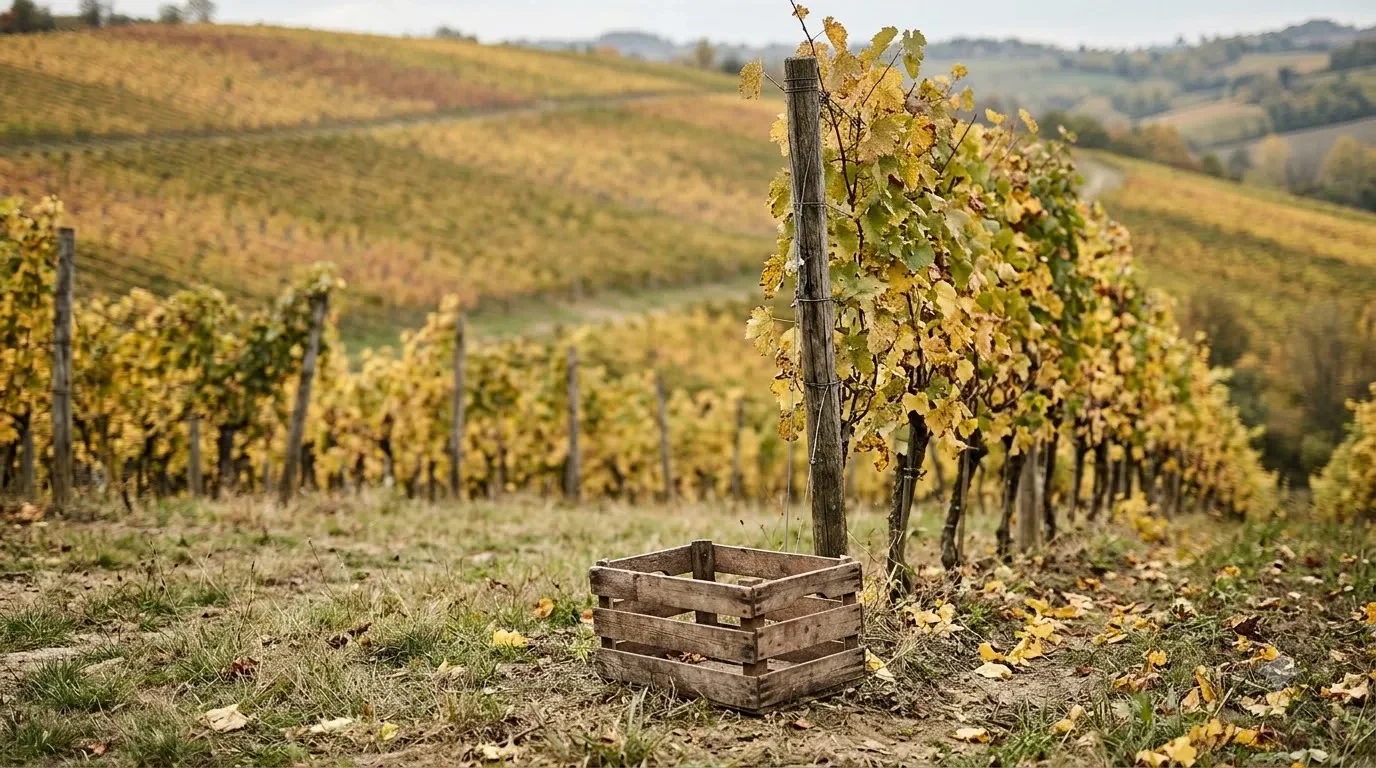
Montalcino vineyards sit on a hilltop in the Tuscan province of Siena, where sangiovese grapes produce some of Italy’s most respected red wines, including Brunello di Montalcino. The town and its surrounding vineyards lie west of Pienza in the Val d’Orcia, and the local wine is built around a clone of sangiovese called sangiovese grosso. Vineyards here are known for dry, firm reds that reward long aging.
This guide explains where the Montalcino vineyards are, what grows there, how the region’s rules shape the wine, and how to make sense of the labels and visits that come with a region this well known.
Where the Montalcino vineyards are
Montalcino is a hilltop town in the province of Siena in Tuscany, central Italy. The Wikipedia article on Montalcino places it west of Pienza in the Val d’Orcia, roughly 42 kilometres from Siena and about 110 kilometres from Florence. The town had 5,563 residents in 2025, spread across about 310 square kilometres of hills, woods, and vineyards.
The vineyards surround the town on the slopes and ridges. Because the land rises and falls, the same town can hold sites with different sun exposure, altitude, and soil. Many growers talk about individual vineyard parcels, and visitors often notice the difference in wind, air, and light from one slope to the next.
Sangiovese grosso and the Brunello style
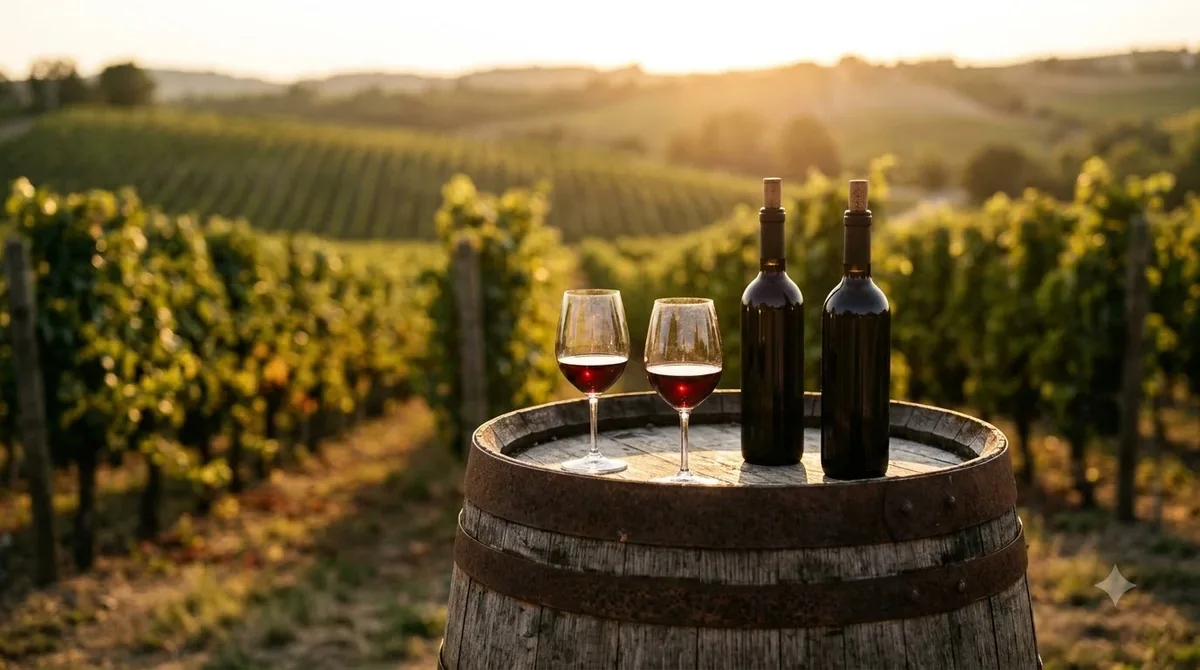
Brunello di Montalcino is made from sangiovese grosso grapes grown within the comune. The grape is the same family as the sangiovese that dominates Chianti, but growers here treat it as a distinct local expression. According to the Wikipedia article, Brunello was the first wine to be awarded DOCG status in Italy, a designation that signals strict production rules and quality control.
Wine Folly’s guide to sangiovese describes the grape as bone-dry with medium-high tannins and medium-high acidity, typically around 13.5 to 15 percent alcohol. Its primary flavors are cherry, roasted tomato, sweet balsamic, oregano, and espresso, and the grape is described as taking on different expressions depending on where it grows. Montalcino’s warm days and cooler nights give the wine ripe fruit with a firm, savory frame.
| Wine | Minimum aging before release | Main grape |
|---|---|---|
| Brunello di Montalcino | 5 years | Sangiovese grosso |
| Brunello di Montalcino Riserva | 6 years | Sangiovese grosso |
| Rosso di Montalcino | 1 year | Sangiovese grosso |
Tip: Rosso di Montalcino is made from the same grape in the same zone but with a shorter aging requirement. It is often the easiest way to taste the Montalcino style before committing to a full Brunello.
How the rules shape the wine
The Brunello rules are among the strictest in Italian wine. The aging requirements in the table above mean that a Brunello reaches the market years after the harvest, which gives the wine time to soften its tannins and build complexity. The Wikipedia article notes that the number of producers has grown from 11 in the 1960s to more than 200, and that the region produces some 330,000 cases of Brunello each year.
The producers organize their own promotion. The Brunello di Montalcino consortium, whose official site lists its programs, runs an educational effort called Brunello Academy, created in 2023, and a vintage evaluation system called Brunello Forma designed for sangiovese. The annual Benvenuto Brunello event, held in Montalcino, is listed on the consortium’s page for 19 to 23 November 2026, which makes it a useful date to check if you plan a visit this season.
For a buyer, that history matters. Many estates are small family operations, and the quality gap between them can be wide. Reading the vintage, the producer, and the riserva status on the label gives a clear sense of what to expect in the glass.
Flavor, structure, and how the wine changes
Young Montalcino reds can be firm and tightly wound, with bright cherry, dried herb, and a grippy finish. With age they develop savory notes of leather, earth, and dried flowers, and the tannins become smoother. A bottle opened too early can taste sharp, so many drinkers decant a young Brunello and give it time in the glass before serving.
Rosso di Montalcino is lighter and more approachable. It usually has brighter fruit, softer tannins, and a shorter finish, which makes it a good everyday red alongside pasta, pizza, and roast chicken. Both styles benefit from a cool room temperature, and Wine Folly recommends serving sangiovese between 15 and 20 degrees Celsius, or 60 and 68 degrees Fahrenheit.
Visiting the Montalcino vineyards
Visiting Montalcino is one of the most rewarding ways to understand the region. The town itself is compact, with a medieval center and views over the Val d’Orcia. Many estates offer tastings and tours, and some have restaurants on site. Book ahead, especially in the busy season, since small wineries often limit the number of guests per tasting.
Visitors should plan for hills and distance. Vineyards can be spread out across the slopes, and driving between them takes more time than it looks on a map. A good plan is to choose two or three estates with different styles, so you can compare a Rosso with a Riserva and see how each producer handles the same grape.
How to choose a Montalcino bottle
Start with the label. A Brunello di Montalcino will name the vintage and often the producer’s cru or single vineyard, while a Rosso will usually be a younger and more fruit-forward wine. If you plan to cellar a bottle, look for a Riserva from a strong vintage. If you want to open a bottle soon, choose a Rosso or a Brunello from a recent release with good reviews.
Ask the seller about the producer’s approach. Some estates favor traditional large botti, while others use smaller barrels, and the difference shows in the texture and oak character. Neither approach is better by default, but knowing the style helps you match the bottle to the meal.
Food pairing with Montalcino reds
Montalcino reds suit hearty Tuscan food. Braised beef, wild boar, roast lamb, and porcini mushrooms are classic partners because the wine’s acidity and tannins cut through rich fat and protein. Aged cheeses such as Pecorino work well with a mature Brunello, while a Rosso goes naturally with tomato sauces, grilled sausage, and bean dishes.
Keep spice in check. Very spicy dishes can make the wine’s tannins taste harsher, so a milder preparation usually suits a young Brunello better. For dessert, a dark chocolate with a touch of bitterness can echo the wine’s dried-cherry and espresso notes.
Frequently Asked Questions
Where are the Montalcino vineyards?
They surround the hilltop town of Montalcino in the province of Siena, Tuscany, in central Italy. The town lies west of Pienza in the Val d’Orcia.
What grape is used in Montalcino wine?
The main grape is sangiovese grosso, which is grown within the comune of Montalcino. Brunello di Montalcino and Rosso di Montalcino are both made from it.
How long does Brunello age before release?
Brunello di Montalcino must age five years before release, and the Riserva must age six years. Rosso di Montalcino ages one year.
Is Montalcino wine dry?
Yes. Montalcino reds are dry, with firm tannins and bright acidity. The sweetness people sometimes expect from fruit-forward reds is not part of the typical style.
Montalcino vineyards offer a clear lesson in how one grape can express a specific place. Start with a Rosso to learn the style, then move to a Brunello or Riserva when you want more depth. For a broader look at how regions shape wine, read the Wine Regions guide, or compare the chalk hill vineyards and arizona vineyards pages to see how other climates change a red wine.
More in Wine Regions
 Willcox Wine Trail: Discover Arizona’s High-Elevation Wine CountryUpdated Nov 20, 2026
 Yakima Valley Wine Region: Find the Best Styles to TryUpdated Nov 20, 2026
 Vosne Romanee Wine Tasting: Identify Aromas and Choose Better PairingsUpdated Nov 20, 2026
 Yakima Valley Wine Festival: Find the Best Seasonal Wine EventsUpdated Nov 20, 2026
 Wales Vineyards: Discover Cool-Climate Wines and Where to VisitUpdated Nov 20, 2026
 Yountville Wine Festival: Discover Napa Wines and Local FoodUpdated Nov 20, 2026