

We may earn a commission when you buy through links on this page, at no extra cost to you. Learn more.
For most bottles, the answer to “should bordeaux be chilled” is yes—but only briefly, and never to refrigerator-cold temperatures for a full-bodied red. A light, young Bordeaux red can be served a little cooler than a structured Cabernet-led wine, while dry and sweet white Bordeaux need a more substantial chill. The goal is to keep the wine refreshing without muting its aromas or making its tannins seem hard.
Bordeaux is not one uniform style: the region makes light and structured reds, dry whites, rosé, sweet wines, and sparkling Crémant. The best serving temperature depends on the bottle. Use these ranges as a starting point, then let the wine warm gently in the glass.
The Right Temperature Depends on the Bordeaux Style
Most red Bordeaux is best served cool rather than warm, with lighter examples around 55–60°F and structured reds closer to 61–65°F. Dry white Bordeaux is generally served at 46–54°F, while sweet white styles are colder still.
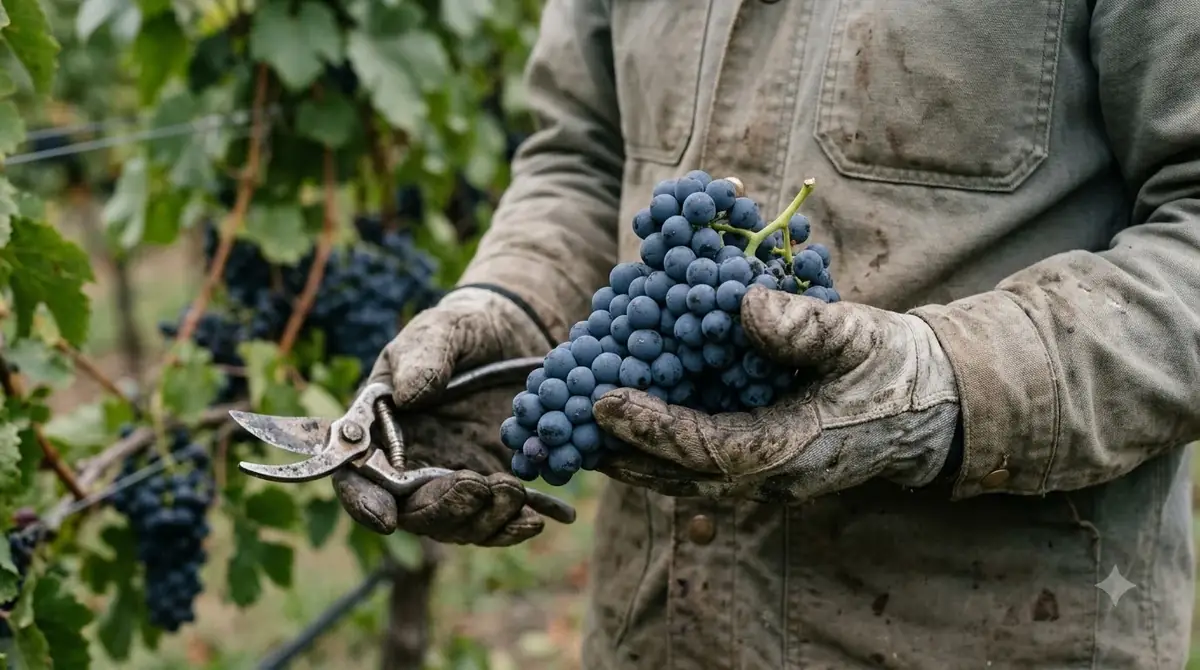
The Bordeaux region surrounds the Gironde and Dordogne estuaries and produces red, white, and rosé wines. Merlot is the most common red grape; Sauvignon Blanc and Sémillon are important white varieties. The range is why body and structure matter more than color alone.
This chart translates regional serving guidance into Fahrenheit. The ranges overlap deliberately: a supple Merlot-based red may suit the cooler end, while a Cabernet Sauvignon-led bottle with firmer tannins can take the warmer end.
| Bordeaux style | Serving temperature | Practical cue |
|---|---|---|
| Light, fruity red | 55–61°F (13–16°C) | Keep the fruit lively; let it warm in the glass |
| Medium-bodied or silky red | 59–64°F (15–18°C) | Aim for freshness without firming the tannins |
| Structured or age-worthy red | 61–65°F (16–18°C) | Serve cool, not cellar-cold |
| Dry white Bordeaux | 46–54°F (8–12°C) | Cool enough for freshness, warm enough for aroma |
| Sweet white Bordeaux | 43–46°F (6–8°C) | Chill well, then allow the glass to open |
| Rosé Bordeaux | 46–54°F (8–12°C) | Serve cool and refresh as needed |
These are serving temperatures, not storage targets. A bottle from a cool wine refrigerator may need no extra chill, while one kept in a warm kitchen may need a short visit. If the wine seems muted, let it sit for a few minutes; pronounced alcohol can signal that it is too warm.
Why Red Bordeaux Usually Needs Only a Short Chill
Red Bordeaux benefits from a light chill because cooler serving temperatures can keep ripe fruit lively and alcohol in balance. A young, light-bodied bottle can go cooler than a concentrated, tannic red from an age-worthy appellation.
Start by identifying the red’s broad style. Some Bordeaux reds are made for early drinking, with fresh red-berry fruit, a soft palate, and relatively little weight from oak. The Bordeaux wine body recommends 14–16°C (about 57–61°F) for its light and fruity red profile, and notes that taking the bottle out at 13–14°C (55–57°F) allows it to warm gradually after pouring. That is a useful approach for a casual bottle served with roast chicken, barbecue, lasagna, or vegetables from the grill.
Other reds have more body and structure. Merlot often contributes a rounder, softer impression, while Cabernet Sauvignon brings firmer tannin and darker fruit; blends combine those traits in different proportions. For a generous, silky Bordeaux, the regional guide gives a broader 15–18°C (59–64°F) range. For concentrated and powerful reds, including structured wines intended to age, it recommends 17–18°C (63–64°F). These bottles should feel cool and composed, not cold.
Very cold temperatures can make tannins seem more aggressive, especially in a Cabernet-led wine, while a red served too warm can seem heavy and alcoholic. A fresh, early-drinking blend can sit at the lower end of the range; a concentrated vintage with firm tannin deserves the upper end. If unsure, begin around 60°F and let the glass warm. A modest chill steadies the wine while leaving enough warmth for its bouquet to develop.
How to Chill a Bottle Without Overcooling It
The safest method is to chill gradually and judge the wine by its temperature, not by a rigid number of minutes. A refrigerator is convenient for a small adjustment, while a thermometer gives a more dependable answer than guessing from the feel of the bottle.
For a red Bordeaux that is already in a cool cellar or wine refrigerator, it may need little or no additional chilling. If the bottle has been sitting in a warm room, place it in the refrigerator for a short interval, then check it. Wine Enthusiast’s general service guide suggests about 25 minutes in the refrigerator for full-bodied reds from a 72°F room, and 45–60 minutes for lighter reds. Those times are not a Bordeaux-specific rule; starting temperature and refrigerator setting change the result.
For dinner, put a full-bodied red in the refrigerator while you prepare the meal, then check it before opening. A lighter red can spend longer cooling, but remove it before it feels cold. An ice bucket chills faster than a refrigerator, so check the bottle frequently.
Pour a small taste at the table. If the fruit seems closed, give it five to ten minutes in the glass; if alcohol feels warm and prominent, return the bottle to a cool place briefly. Small corrections work better than a long, aggressive chill. Use refrigerator times only as a reminder: the 25-minute and 45–60-minute estimates assume a 72°F starting temperature and are general red-wine guidance, not a guarantee for every Bordeaux. A thermometer removes much of the guesswork when serving both reds and whites.
Tip: For a red Bordeaux, aim to pour it slightly cooler than you want to drink it. The wine warms in the glass, especially in a warm dining room, so a bottle that tastes a touch reserved at the first pour may become more expressive over the next several minutes.
White and Sweet Bordeaux Call for a Colder Pour
Dry white Bordeaux should be served noticeably cooler than red Bordeaux, typically around 46–54°F, while sweet white wines are commonly served around 43–46°F. Crisp Sauvignon Blanc-led blends can sit toward the cool end; richer, oak-aged whites benefit from a little extra warmth.
Dry white Bordeaux often blends Sauvignon Blanc with Sémillon, and some wines include Sauvignon Gris. A fresh, unoaked example from Entre-deux-Mers or Graves can show citrus, herbs, and bright acidity at 8–12°C (46–54°F). Richer, oak-aged whites need the warmer end of that range so their texture and layered aromas can emerge beside roast poultry, creamy dishes, or pan-fried fish such as turbot. If served straight from a very cold refrigerator, give the wine a few minutes in the glass before judging its character.
Sweet Bordeaux, including the moelleux and liquoreux styles, is served around 43–46°F. The chill keeps the sweetness lively; as the wine warms, its perfume and texture become easier to appreciate. Sweet wine should generally be at least as sweet as the dessert beside it: fruit tart, poached pear, or blue cheese can work well, while a much sweeter dessert may make the wine taste thin. For another cold-service category, see our guide to should ice wine be chilled.
Rosé Bordeaux also belongs in the cool-white range, generally 46–54°F, and works with seafood, salads, and lighter grilled foods. Keep the bottle cool between pours rather than leaving it in an ice bucket throughout dinner. For a broader look at wine categories, browse Wine by Type.
What Temperature Does to Tannin, Aroma, and Food
Temperature changes how the wine’s components feel, rather than changing the wine’s underlying recipe. Too much chill can mute aroma and make tannin seem harder, while excessive warmth can make alcohol stand out and the finish feel broad.
That difference is especially noticeable in Bordeaux because many red blends include Cabernet Sauvignon and Merlot. Cabernet Sauvignon is typically high in tannin, while Merlot is usually medium in tannin and softer in texture. Cooling a structured Cabernet-led wine too far can exaggerate the dry sensation, while serving it too warm can make its alcohol seem more obvious. A moderate cellar-like temperature lets the fruit, acidity, and structure work together.
Salt and fat soften tannin, which is why structured red Bordeaux can work with steak, lamb, duck, or a buttery sauce. A Left Bank Cabernet-based blend is a classic match for lamb, while Merlot-dominant Right Bank wines can suit rabbit or duck; roasted mushrooms and lentils are savory partners, too. Dry white Bordeaux offers another route: its acidity and herbal character refresh the palate alongside grilled fish, shellfish, ceviche, or sushi. A bright, unoaked Sauvignon Blanc-led wine suits raw fish, while richer oak-aged whites can handle pan-fried fish or savory pastry with smoky bacon.
Be careful with very spicy food: alcohol and tannin can amplify chili heat, so a strongly structured red may make a hot dish feel hotter. A lower-tannin red or aromatic white with some fruit is often more comfortable. Oily fish can also clash with tannic reds, so choose dry white Bordeaux instead. Think of temperature as part of the pairing: a lightly chilled red can feel balanced beside lamb, while a refrigerator-cold red may seem stern and a crisp white should refresh fish without losing its aroma.
For another example of a wine whose serving temperature is central to the experience, read should sparkling wine be chilled. Sparkling wine needs a colder service than still red Bordeaux, so it should not share the same temperature target simply because both bottles are on the dinner table.
A Simple Serving Plan for a Bordeaux Dinner
A few simple steps will get most Bordeaux bottles close to their ideal temperature without special equipment. Start with the wine’s style, chill before guests sit down, and let the glass do the final work.
First, identify the style: light red, medium-bodied Merlot-led wine, structured Cabernet blend, dry white, or sweet white. Aim for 55–61°F for a light red, 61–65°F for a structured red, 46–54°F for a dry white, and 43–46°F for a sweet white. A warm room or outdoor table will bring wine up in temperature faster than a cool dining room, so keep the bottle shaded and cool between pours.
Choose a glass that suits the style. Bordeaux’s regional service advice recommends a medium-sized glass for light reds, a wider bowl that narrows at the rim for full-bodied reds, and a slimmer curved glass for dry whites and rosés. A modest pour leaves room to swirl and smell the wine.
Consider whether the red needs air. Young, concentrated wines may benefit from decanting, but do not give every bottle the same treatment. For an older wine, compare the aroma before and after a gentle swirl; a fragile bottle can lose character if exposed too long. Serve a small first pour and reassess after several minutes. If the meal includes white and red Bordeaux, serve the white first and keep the red cool until the main course. For sangria, use the separate guidance in should sangria be chilled, since a fruit-based wine drink has a different serving goal.
Frequently Asked Questions
These quick answers cover a few service details that are easy to overlook, including Bordeaux’s sparkling wine and the amount to pour. They complement the main temperature ranges rather than replacing them.
Is every Bordeaux wine a blend?
No. Blending is central to Bordeaux, but single-variety bottlings are also made in the region. A label or producer note may identify a wine built around one grape rather than a traditional multi-grape blend.
How cold should Crémant de Bordeaux be served?
Crémant de Bordeaux is sparkling wine, so serve it colder than still red Bordeaux, around 43–50°F (6–10°C). A cool serving temperature helps preserve its lively bubbles while keeping the wine refreshing.
Should I use a Champagne flute for Crémant de Bordeaux?
A flute emphasizes the bubbles but gives the wine less room for its aromas. Bordeaux’s wine service guidance favors a fine wine glass for Crémant, because it allows the bouquet to develop without letting the bubbles escape as quickly as they can in a wide coupe.
How much Bordeaux should I pour in one glass?
A standard wine pour is about 5 ounces. A 750-milliliter bottle contains roughly five such servings, so smaller pours leave room for swirling and make it easier to follow how the wine changes as it warms.
Can I put an ice cube in Bordeaux to cool it?
You can, but melting ice dilutes the wine and changes its balance. A chilled bottle, a cool glass, or a brief return to the refrigerator will lower the temperature without adding water to the wine.
The best answer to the chilling question is a controlled one: give red Bordeaux a modest chill, serve whites colder, and keep sweet wines cool enough to stay lively. Begin with the style-specific ranges, then make small adjustments as the wine opens in the glass. That simple approach preserves the character that makes each Bordeaux bottle distinctive.
More in Wine Types & Grapes
 Zinfandel Sugar Content: Dry Red vs. White Zinfandel GramsUpdated Nov 21, 2026
 Best Zinfandel Substitute Options for Sipping and CookingUpdated Nov 21, 2026
 Zweigelt Food Pairing: Best Dishes, Cheeses, and Serving TipsUpdated Nov 21, 2026
 Zinfandel Tannins Explained: How Structure Shapes Every BottleUpdated Nov 21, 2026
 Zinfandel Sweetness Level: Dry Red vs. Sweet White Zin ExplainedUpdated Nov 21, 2026
 Xinomavro Food Pairing: Best Dishes, Styles, and Serving TipsUpdated Nov 21, 2026