

We may earn a commission when you buy through links on this page, at no extra cost to you. Learn more.
Valais wine is the diverse range of Swiss Alpine wines made along the Rhône Valley, known for crisp Fendant and Petite Arvine whites as well as distinctive Cornalin, Pinot Noir, and Dôle reds. The canton combines a dry, sunny climate with vineyards on steep slopes and an unusually wide selection of grapes. The result is a region where familiar varieties and lesser-known local specialties both deserve attention.
Valais sits in southwestern Switzerland, where the Rhône cuts through the Alps before flowing toward Lake Geneva. Its wines are not defined by one flavor or one grape: Chasselas-based Fendant can be light and quietly mineral, Petite Arvine can be concentrated and saline, and Cornalin often shows vivid dark-fruit character. Knowing a handful of grapes, place names, and label terms makes it much easier to choose a bottle that suits a meal or a particular style. This overview places Valais among the world’s varied wine regions and explains what to look for. The Valais tourism authority’s wine overview provides additional regional context.
What Defines Valais Wine?
Valais is Switzerland’s largest wine-producing canton, with 4,609 hectares of vineyards and 55 AOC grape varieties recorded by the regional tourism authority. Its identity comes from the meeting of Alpine growing conditions and a mix of international grapes and varieties closely associated with the canton.
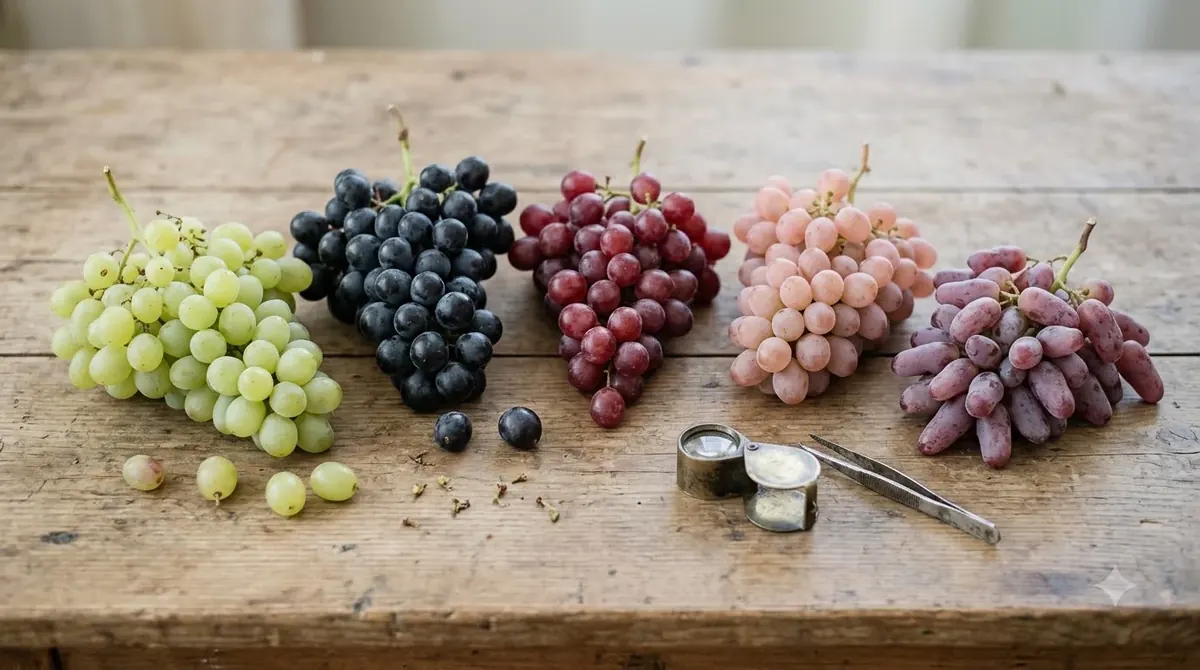
The region is large enough to support recognizable styles without being dominated by a single one. Pinot Noir, Chasselas, and Gamay occupy the biggest share of plantings, while Petite Arvine, Heida, Cornalin, Humagne Rouge, Amigne, and Rèze give the range a strong local accent. In the regional breakdown published by Swiss Wine, Pinot Noir accounts for 28 percent of the vineyard area, Chasselas for 16 percent, and Gamay for 10 percent. Those figures explain why a Valais wine list can move from delicate white wines to lighter reds and structured bottlings without leaving the canton. The Swiss Wine regional profile summarizes the area’s principal grapes and their distribution.
Valais produces both easy-drinking wines and bottles made for concentration or cellaring. A young Fendant suits an aperitif, while Petite Arvine can develop a layered texture and savory finish. Cornalin can be enjoyable young but also has the structure to reward time in bottle. Choose by grape and style rather than assume every bottle tastes alike.
The Alpine Landscape Shapes the Wines
The Rhône Valley’s unusual combination of sunshine, low rainfall, warm foehn winds, and steep terraces helps Valais ripen grapes at elevations that would be challenging in many other wine regions. Vineyards extend for more than 100 kilometers along the valley, from around 372 meters to 1,100 meters above sea level.
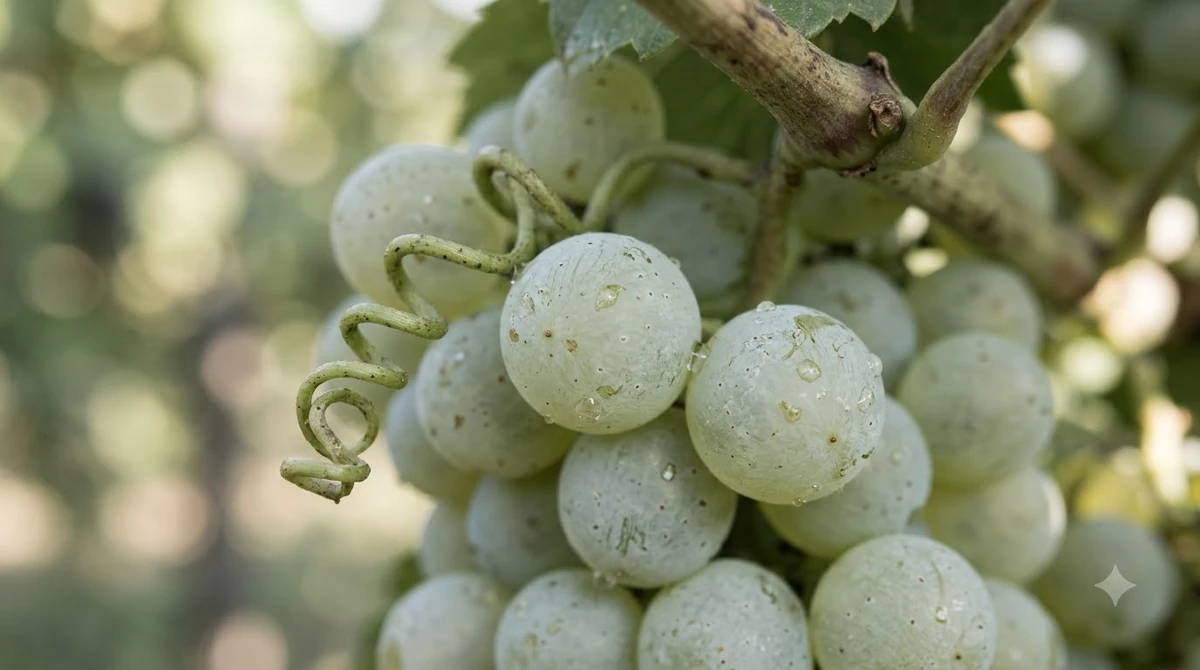
Swiss Wine describes the region as receiving about 650 millimeters of rain and 2,500 hours of sunshine in a year. The surrounding Alps shelter the valley from much of the rain, while the dry, warm foehn can help late-ripening grapes complete their cycle. This is important for varieties such as Petite Arvine and Cornalin, which need suitable exposure and a sufficiently long growing season. Sunlight does not make every site identical: slope, soil, elevation, and wind exposure can change how quickly grapes ripen and how much freshness they retain.
Terraces and dry-stone walls make the steep slopes workable, while traditional irrigation channels called bisses carry water across the hillsides. The tourism authority describes about 3,000 kilometers of dry-stone walls in the wine landscape. At Visperterminen, vines reach approximately 1,100 meters; sites around Fully, Sion, and Sierre offer different combinations of slope, exposure, and soil. Explore individual villages and producers rather than treating all Valais vineyards as one uniform place.
Soils include granite, loess, chalk, and gravel, with local differences in depth and drainage. In this dry region, water retention matters as much as warmth: exposed parcels can favor ripeness, while cooler or higher sites preserve acidity. Elevation and village are useful clues, but they work alongside grape variety and winemaking choices.
White Grapes: Fendant, Petite Arvine, and Heida
Valais whites range from subtle and thirst-quenching to aromatic, concentrated, and savory. Start with Fendant for a clean expression of Chasselas, then compare it with the more distinctive Petite Arvine and Heida to understand the region’s range.
Fendant is the Valais name for Chasselas, a grape that tends to express its growing place with restrained aromas rather than overwhelming fruit. Expect a light to medium-bodied wine with gentle citrus, white flowers, orchard fruit, and a mineral impression that can seem stony or chalky. Some examples have a slight spritz. Fendant is commonly served as an aperitif because its moderate weight and freshness do not crowd the palate before a meal. It also works well with freshwater fish, mild cheeses, charcuterie, and the region’s classic raclette.
Petite Arvine is the signature white to seek when you want a more individual Valais profile. The grape ripens late and is sensitive to wind, so it needs favorable, sunny sites without excessive dryness. Dry examples can show grapefruit, citrus peel, wisteria, gentian, and a vivid line of acidity. A subtle saline or iodine-like finish is often cited as a hallmark. Other bottlings retain a little sweetness and can suggest rhubarb, while late-harvest or dried-grape styles become much more concentrated and aromatic. The range means the grape name alone does not tell you whether the wine is bone-dry or sweet.
Heida is the Upper Valais name for Savagnin Blanc; Païen is another regional name. Associated with high sites around Visperterminen, it can show citrus, orchard fruit, and exotic-fruit notes with firm structure. Its texture suits richer fish dishes, poultry, and cheeses. Other whites include Amigne, Humagne Blanc, Johannisberg (the local name for Sylvaner), Ermitage from Marsanne, and Malvoisie from Pinot Gris.
Red Grapes, Dôle, and Local Blends
Valais red wine is not a single style: Pinot Noir and Gamay bring freshness and red-fruit clarity, while Cornalin, Humagne Rouge, and Syrah offer deeper or more savory profiles. Dôle is the best-known traditional blend and gives newcomers a useful starting point.
Pinot Noir is the most widely planted grape in Valais, representing 1,275 hectares and 28 percent of the area in the Swiss Wine regional figures. Depending on the site and winemaking, it can range from bright, red-fruited, and relatively light to more structured wines with darker cherry and spice. Gamay, the third-largest planting at 457 hectares, usually emphasizes lively red fruit and a supple feel. Both are versatile at the table, especially with roast chicken, pork, mushroom dishes, and charcuterie. Their acidity helps them work with food without requiring a heavy preparation.
Cornalin is one of the canton’s defining red specialties. It ripens late and can be demanding in the vineyard, but its dark cherry color, black-cherry fruit, and clove-like spice make it memorable. The palate can feel fresh and energetic rather than broad or heavy. Humagne Rouge is another traditional red, often chosen for its distinctive, rustic character. Syrah has also found a strong foothold in Valais, where sunny slopes can produce ripe, peppery wines with more depth and tannin. These bottles are useful alternatives when Pinot Noir seems too delicate for a dish.
Dôle is a traditional red blend based on Pinot Noir and Gamay. The combination balances Pinot Noir’s fragrance and structure with Gamay’s fruit and easygoing character. Producers may emphasize one grape more than the other, so two Dôle wines need not taste identical. Look for red cherry, raspberry, gentle spice, and a medium-bodied profile that works with grilled sausages, roast pork, veal, or a mushroom tart. Dôle is generally more flexible at the table than a concentrated Cornalin or Syrah, which can make it a sensible choice for a mixed dinner.
Reading AOC Valais and Grand Cru Labels
AOC Valais identifies wines made under the canton’s controlled-origin rules, while grape names and traditional designations help explain what is in the bottle. The canton introduced its AOC framework in 1990, and some municipalities also developed Grand Cru designations linked to local growing areas.
On a label, Valais or AOC Valais tells you the wine’s geographic origin; the grape name tells you the variety or traditional style. Fendant means Chasselas, Heida means Savagnin Blanc, and Johannisberg in this context means Sylvaner rather than Riesling. Dôle points to a traditional red blend of Pinot Noir and Gamay. These local names matter because they can be less obvious to shoppers who know the grapes under their more widely used names. A label that lists both a local term and a grape name is especially helpful when learning the region.
Grand Cru is a more specific designation associated with selected municipalities and local rules. It is not one canton-wide ranking that makes all wines bearing the words directly comparable. The municipality, grape, and producer remain important clues, and local requirements can differ. Treat the designation as a reason to learn about the site, not as a substitute for personal preference: Grand Cru Fendant and Grand Cru Cornalin still reflect very different grapes and styles.
For a first purchase, keep the label-reading process simple: identify the origin, the grape or traditional name, the vintage, and whether the wine is dry or sweet. If you are choosing a white for seafood, a dry Petite Arvine or Fendant will usually be more predictable than a sweet late-harvest bottling. For a red to serve with roast meat, Pinot Noir, Dôle, Cornalin, and Syrah cover a useful range from lighter to more structured. Learning a few Valais terms makes the region easier to compare with other Alpine and European Valais wine region styles.
Pairing and Serving Valais Wine
Fresh whites are natural partners for Alpine cheeses, freshwater fish, and delicate starters, while the reds suit pork, poultry, mushrooms, and grilled meats. Serving temperature matters: a chilled Fendant will feel brisk and clean, while a red served too warm can seem heavier and more alcoholic.
Fendant is an easy match for raclette, fondue, cured ham, and mild mountain cheeses because its freshness cuts through richness without overpowering the food. Petite Arvine’s higher acidity and saline edge are well suited to shellfish, grilled white fish, lemon-seasoned dishes, and goat cheese. Heida has enough texture to meet roasted chicken, trout with browned butter, or creamy vegetable dishes. For dishes with a pronounced acidic sauce, choose a wine with equal or higher acidity so the wine does not taste flat beside the food.
For reds, Pinot Noir and Gamay work with roast chicken, pork loin, duck, mushroom risotto, and charcuterie. Dôle is a flexible match for sausages, veal, and herb-roasted vegetables. Cornalin and Syrah can stand up to grilled lamb, beef, or dishes with black pepper and herbs, though a strongly tannic red is less suitable for oily fish. Salt and fat soften the perception of tannin, which is why a structured red can work with a fatty cut of meat or a salty aged cheese. Very spicy chili dishes are harder: alcohol and tannin can amplify the burn, so a fresher white or a lower-tannin red is usually safer.
| Valais style | Typical profile | Serving temperature | Food match |
|---|---|---|---|
| Fendant / Chasselas | Light, fresh, subtle | 45–50°F | Raclette, freshwater fish |
| Petite Arvine | Crisp, citrus, saline | 45–50°F | Shellfish, goat cheese |
| Heida / Païen | Textural, aromatic, lively | 50–55°F | Roast poultry, trout |
| Pinot Noir | Fresh red fruit, light to medium body | 55–60°F | Roast chicken, mushrooms |
| Cornalin | Dark cherry, spice, freshness | 55–60°F | Lamb, grilled vegetables |
| Syrah | Riper fruit, pepper, firmer tannin | 60–65°F | Grilled beef, herb-roasted meat |
These temperatures follow standard service ranges: light whites and rosés at 45–50°F, fuller whites at 50–55°F, light reds at 55–60°F, and fuller reds at 60–65°F. Use the cooler end for youthful wines and the warmer end for concentrated examples. A red served too warm can lose definition, while an overly cold red may seem hard.
Tip: Chill Fendant and Petite Arvine in the refrigerator, then let the glass warm slightly if the aromas seem muted. For Cornalin or Syrah, begin around 60°F rather than room temperature in a warm home; a young, full-bodied red can also benefit from 30–60 minutes in a decanter.
A 750-milliliter bottle yields about five 5-ounce pours. Refrigerate opened still wines and finish them within three to five days. Store unopened bottles on their sides near 55°F, away from sunlight and temperature swings.
Frequently Asked Questions
These quick answers cover a few details that often come up when comparing Valais bottles, including regional names, historic varieties, and ways to explore the valley itself.
Why is Chasselas called Fendant in Valais?
Fendant is a regional name linked to the way ripe Chasselas berries can split when pressed between the fingers. The name is used for Valais wines made from Chasselas, while the grape is generally called Chasselas elsewhere in Switzerland.
Why do some labels say Heida and others say Païen?
Both names refer to Savagnin Blanc grown in Valais. Heida is the name used in Upper Valais, while Païen is used in other parts of the canton, so the difference is regional vocabulary rather than a different grape.
How did Humagne Rouge become associated with Valais?
Regional accounts describe Humagne Rouge as having arrived in Valais over the Great St. Bernard Pass. It became one of the canton’s emblematic red varieties alongside Cornalin, giving the local red-wine family another voice beyond Pinot Noir and Gamay.
How much wine does Valais produce?
The Valais tourism authority reports a harvest of 34 million kilograms of grapes in 2024. It also counts about 73,000 vineyard plots across the canton, a reminder that the landscape is divided among many individual parcels rather than a few large estates.
Can visitors explore the Valais wine country without a car?
Yes. The Chemin du Vignoble is a 65-kilometer walking route between Martigny and Loèche, passing vineyards, villages, dry-stone walls, and old irrigation channels. Visitors can use sections of the trail to combine short hikes with cellar visits and tastings.
Valais rewards exploration by grape, village, and producer: begin with Fendant or Petite Arvine, then compare Cornalin, Dôle, or Heida as your tastes develop. The mix of Alpine landscape, local terminology, and distinctive varieties makes the canton one of Switzerland’s most individual wine destinations.
More in Wine Regions
 Willcox Wine Trail: Discover Arizona’s High-Elevation Wine CountryUpdated Nov 20, 2026
 Yakima Valley Wine Region: Find the Best Styles to TryUpdated Nov 20, 2026
 Vosne Romanee Wine Tasting: Identify Aromas and Choose Better PairingsUpdated Nov 20, 2026
 Yakima Valley Wine Festival: Find the Best Seasonal Wine EventsUpdated Nov 20, 2026
 Wales Vineyards: Discover Cool-Climate Wines and Where to VisitUpdated Nov 20, 2026
 Yountville Wine Festival: Discover Napa Wines and Local FoodUpdated Nov 20, 2026