

We may earn a commission when you buy through links on this page, at no extra cost to you. Learn more.
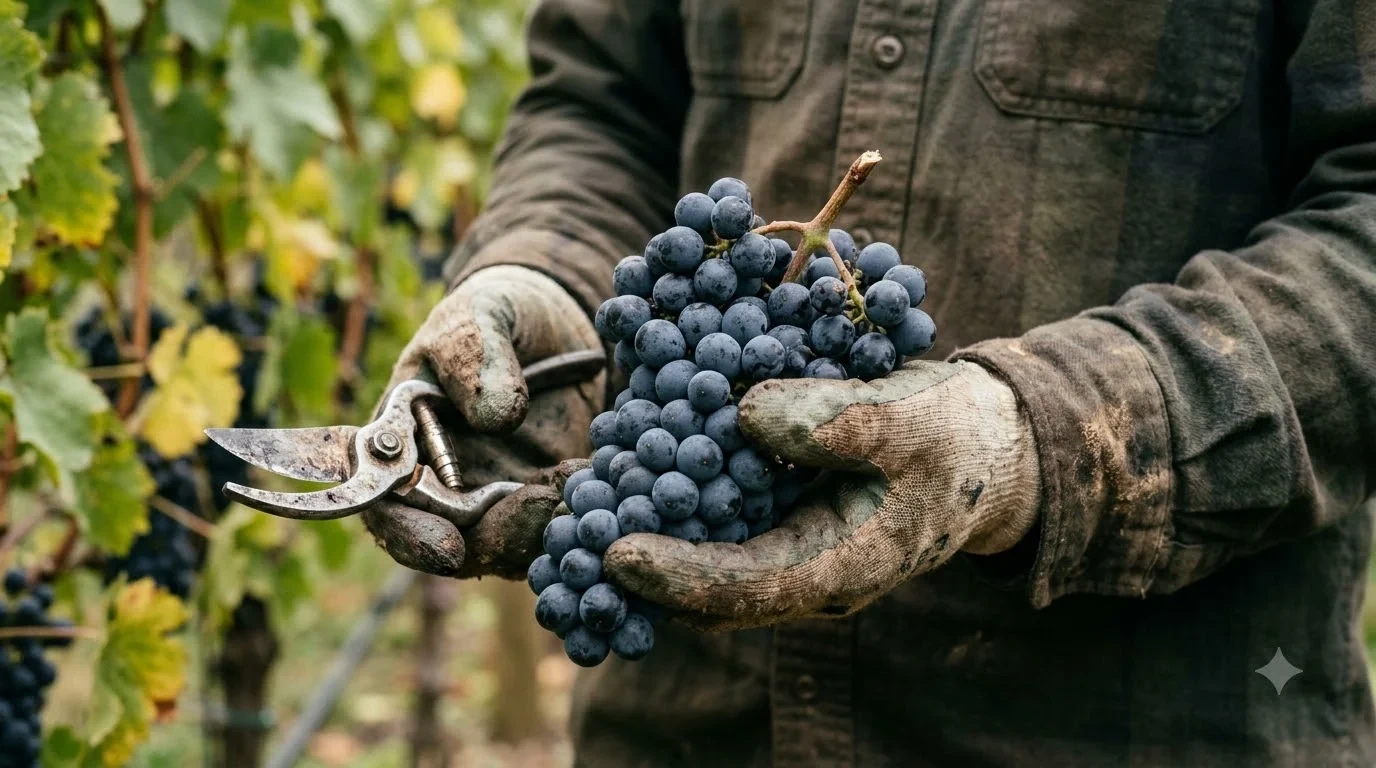
Lambrusco wine is a red Italian wine made mainly from Lambrusco grapes, grown in the Emilia-Romagna region around Modena, Parma, and Reggio-Emilia. It is most often lightly sparkling, known as frizzante, and it ranges in sweetness from dry to very sweet. A growing number of modern versions are drier, which surprises many people who remember the sweeter bottles of past decades.
This guide covers the grapes behind Lambrusco wine, its main styles, the appellations that govern it, and how to serve and pair it with food. Lambrusco is one of Italy’s most food-friendly reds, and it is worth a closer look if you only know it from an older bottle or a supermarket shelf.
What Lambrusco wine is
Lambrusco is both an Italian red grape and the wine made from it. Grapes and wine come from four zones in Emilia-Romagna and one in Lombardy, mainly around the cities of Modena, Parma, Reggio-Emilia, and Mantua. The region’s food culture is famous, and the wine was made to be drunk with the same dishes, which is why the pairing feels natural. The Lambrusco reference entry lists the grapes, zones, and styles in more detail.
Most Lambrusco is designed to be enjoyed young and fresh. The most highly rated wines are frizzante reds, meant to be drunk while the fruit is bright and the bubbles are lively. That youthful style is a key part of the wine’s identity, and it separates Lambrusco from the long-aging reds of Piedmont or Tuscany.
The main Lambrusco grapes
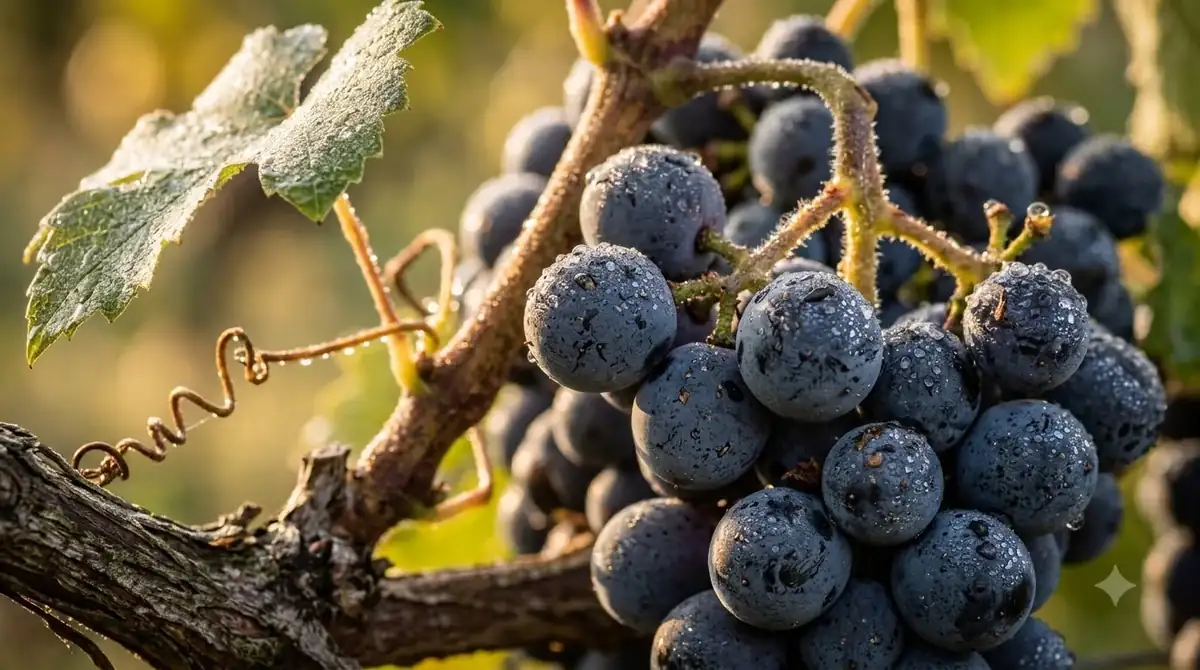
Lambrusco is a family of grapes rather than a single variety. Over 60 varieties have been identified across Italy, but six are the most commonly found: Grasparossa, Maestri, Marani, Montericco, Salamino, and Sorbara. Salamino is the most widely planted of the six, and many bottles rely on it for their backbone.
Most Lambrusco wines blend several varieties. Winemakers may also add other grapes, including Ancellotta, Marzemino, Malbo Gentile, and Cabernet Sauvignon, up to a limit of 15 percent. The blend is part of the style, so two bottles from the same village can taste quite different depending on which grapes went into the mix.
| Grape | Role in the wine |
|---|---|
| Salamino | The most widely planted Lambrusco variety |
| Sorbara | One of the six most commonly found varieties |
| Grasparossa | One of the six most commonly found varieties |
| Maestri, Marani, Montericco | Among the six most commonly found varieties |
| Ancellotta, Marzemino, Malbo Gentile, Cabernet Sauvignon | Permitted blending grapes, up to 15 percent |
When reading a label, the grape name is only part of the story. The producer’s note on the style, the sweetness word, and the appellation often tell you more about what will be in the glass than the variety list alone.
Sparkling styles and sweetness
Lambrusco is usually sparkling, and the bubbles are typically made by the Charmat process, a second fermentation in a pressurized tank rather than in the bottle. The method is common for lighter sparkling wines, and it keeps the fruit fresh. Frizzante means lightly sparkling, with softer pressure in the glass than a spumante, so the word on the label tells you how much fizz to expect. Frizzante means lightly sparkling, with softer pressure in the glass than a spumante, so the word on the label tells you how much fizz to expect. Wines made in the champagne method are rare in this category.
Sweetness is the other big variable. The main words to look for are secco, meaning dry; amabile, meaning off-dry or sweet; and dolce, meaning very sweet. Sweet Lambrusco was the top-selling import wine in the United States during the 1970s and 1980s, and that reputation still shapes how many people think of the wine. A recent comeback has brought increasingly dry styles to shelves.
DOC appellations
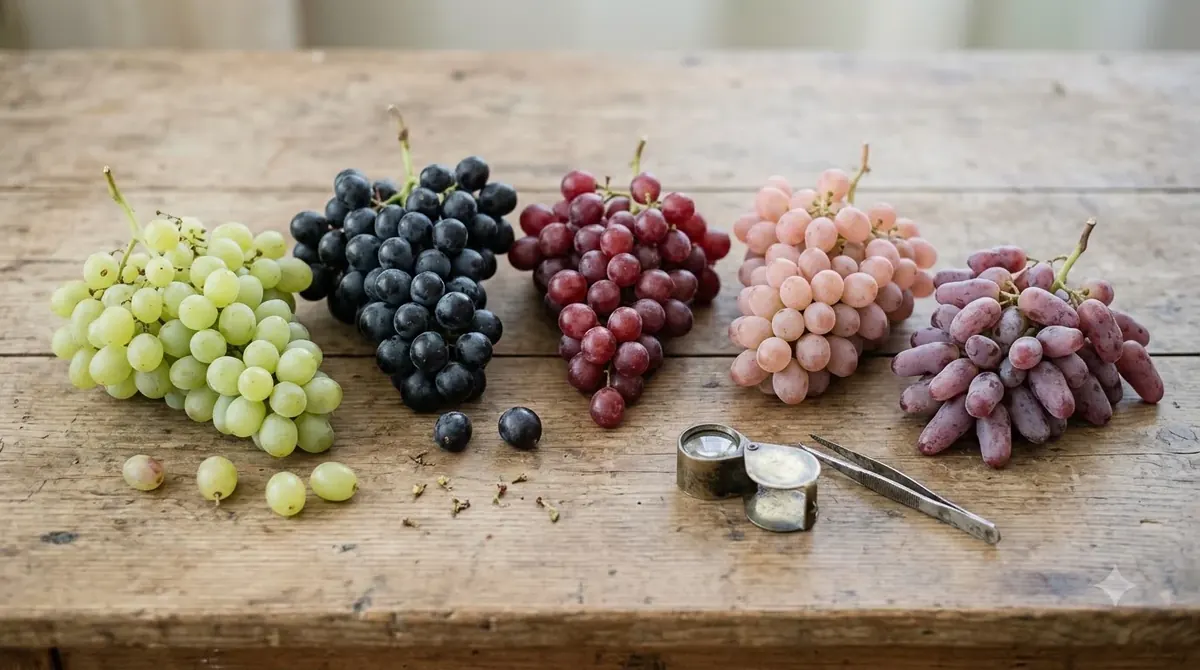
Lambrusco is protected by several Denominazione di Origine Controllata zones, which set out where and how the wine can be made. Knowing the appellation helps you understand the style you are buying. The eight DOCs recognized in the reference are:
- Colli di Parma Lambrusco
- Lambrusco Grasparossa di Castelvetro
- Lambrusco di Sorbara
- Lambrusco Salamino di Santa Croce
- Reggiano Lambrusco
- Colli di Scandiano e Canossa Lambrusco
- Modena Lambrusco
- Lambrusco Mantovano
The appellation names often match the main grape in the blend, so a bottle labeled Lambrusco di Sorbara signals a different character from one labeled Lambrusco Grasparossa di Castelvetro. Read the full name on the label rather than just the word Lambrusco.
How to serve and pair Lambrusco
Lambrusco is built for food. Its bubbles and acidity cut through rich, fatty dishes, and its fruit balances salty cured meats. The reference pairs Lambrusco with Emilian foods such as gnocco fritto and salami, a classic local combination that shows how the wine fits its own kitchen. Pizza, roasted pork, and hearty pasta with tomato sauce also suit it well.
Because Lambrusco is meant for drinking young, buy recent bottles and do not plan to age them. Serve it cool, and pour into a glass that lets the aroma gather. The sparkle lifts the flavors in a way that a still red cannot, which is why many people enjoy it with a casual meal rather than as a special-occasion wine.
Trade guides give similar advice. Wine Folly’s Lambrusco guide describes the wine as dry, with a medium-light body, medium tannins, and 10 to 11.5 percent alcohol by volume, and lists strawberry, blackberry, and rhubarb as typical flavors. The same guide suggests serving it at 45 to 55 degrees Fahrenheit (7 to 12 degrees Celsius), says decanting is not needed, and gives a cellar life of one to three years. For a traditional match it points to Prosciutto di Parma and Parmigiano-Reggiano, a pairing that fits the food culture the wine grew up with.
How to choose a Lambrusco
Start with the sweetness word. A secco bottle will feel closest to a dry red, while an amabile or dolce bottle is sweeter and better suited to dessert or a simple snack. Check whether the wine is frizzante or spumante, since the amount of fizz changes the drinking experience. Then look at the DOC name to see which area and style the producer is following.
If you want a still red for comparison, our Cabernet Sauvignon wine guide covers a much firmer, longer-lived style. For a sweet sparkling contrast, our moscato wine page shows how a different grape and region produce a lighter, aromatic wine. The wine by type section is a useful reference when you are comparing styles.
Freshness matters more with this wine than with most reds. Check the bottling or vintage date when the label gives one, and avoid bottles that have sat in a hot shop window, because the fruit and fizz fade quickly. A recent bottle from a producer you already trust is a safer buy than an old one picked only for its label.
Freshness matters more with this wine than with most reds. Check the bottling or vintage date when the label gives one, and avoid bottles that have sat in a hot shop window, because the fruit and fizz fade quickly. A recent bottle from a producer you already trust is a safer buy than an old one picked only for its label.
Frequently Asked Questions
Is Lambrusco sweet?
It can be. Lambrusco ranges from dry (secco) to very sweet (dolce), so check the sweetness word on the label. Many modern bottles are drier than the sweet styles that were popular in past decades.
Is Lambrusco a red or white wine?
Lambrusco is a red wine, usually lightly sparkling. Its color ranges from deep red to purple, and its fruit and acidity make it easy to pair with food.
What food goes with Lambrusco?
Emilian dishes such as gnocco fritto and salami are classic pairings. Pizza, roasted pork, and tomato-based pasta also work well because the bubbles and acidity balance rich, savory flavors.
Should I age Lambrusco?
Generally no. Most Lambrusco is designed to be drunk young and fresh, so buy recent bottles for the best fruit and fizz.
Lambrusco wine is more varied than its reputation suggests. Once you understand the grapes, the sweetness words, and the appellations, you can choose a bottle that fits the meal rather than relying on memory. A chilled glass with a simple Emilian-style dish is one of the easiest ways to see why the wine has been part of its region’s table for so long.
More in Wine Types & Grapes
 Zinfandel Sugar Content: Dry Red vs. White Zinfandel GramsUpdated Nov 21, 2026
 Best Zinfandel Substitute Options for Sipping and CookingUpdated Nov 21, 2026
 Zweigelt Food Pairing: Best Dishes, Cheeses, and Serving TipsUpdated Nov 21, 2026
 Zinfandel Tannins Explained: How Structure Shapes Every BottleUpdated Nov 21, 2026
 Zinfandel Sweetness Level: Dry Red vs. Sweet White Zin ExplainedUpdated Nov 21, 2026
 Xinomavro Food Pairing: Best Dishes, Styles, and Serving TipsUpdated Nov 21, 2026