

We may earn a commission when you buy through links on this page, at no extra cost to you. Learn more.
Sake is the Japanese drink people usually mean when they search for sake wine, and it is made by fermenting rice that has been polished to remove its outer bran. It is often called Japanese rice wine, but its brewing process is closer to beer, because starch turns into sugar and then into alcohol in the same vessel. Overall strength usually falls between 15 and 22 percent alcohol by volume.
This guide explains what sake is made from, how it is brewed, how strong it is, how the premium grades differ, and how to serve it. It is written for anyone who has seen sake on a wine list and wants to know whether it fits their taste.
What sake is made from
Sake uses four main ingredients: rice, koji, water, and yeast. Sake rice, known as sakamai, is preferred over table rice because its grains are larger and contain less protein and fat. Those qualities make it easier to polish and help the brewer control the final flavor. Koji is a mold, usually Aspergillus oryzae, that breaks the rice starch into sugars that yeast can then turn into alcohol.
Water and yeast shape the drink in ways many people do not expect. Soft water tends to produce a sweeter sake, while harder water tends to produce a drier one. Yeast strains from the Saccharomyces cerevisiae family have a strong effect on aroma, and according to the Wikipedia entry on sake, yeast shapes the flavor more than the rice does.
How sake is brewed
Sake brewing is staged. Brewers add rice, water, and koji in three batches, a process called sandan shikomi. During the process, starch conversion and sugar-to-alcohol conversion happen at the same time, which is why the method resembles beer brewing more than winemaking. The fermented mash is then pressed, pasteurized, and filtered before it is bottled.
The full process takes about 60 to 90 days, and the fermentation itself runs around two weeks. Because of that long timeline and the many steps, the final character of a bottle reflects the rice, the polishing level, the water, and the brewer’s choices at each stage. You can read more about the process in the Wikipedia article on sake, which covers the raw materials and brewing steps in more detail.
Many sake bottles are diluted with water before they are sold. Undiluted sake typically reaches about 18 to 20 percent alcohol, so the bottled strength is lower than the figure at the brewing stage. This is one reason sake often feels lighter than spirits, even though it is stronger than most beer and wine.
Alcohol content and the premium grades
Sake grades are defined largely by how much of the rice grain has been polished away. A lower polishing ratio means more of the grain has been milled off, and the premium categories require the most polishing. The rules below come from the same reference and describe the maximum ratio of grain remaining.
| Grade | Polishing ratio required | General character |
|---|---|---|
| Junmai Daiginjo and Daiginjo | 50 percent or less | Most polished, often aromatic and delicate |
| Junmai Ginjo and Ginjo | 60 percent or less | Fruity and light, a popular everyday premium |
| Honjozo | 70 percent or less | Lighter, often served chilled and simple |
The word junmai on a label means the sake is made without added brewer’s alcohol. Shoppers who want a pure, rice-forward style often look for junmai on the label, but the grade and polishing ratio tell you more about the aroma and body you can expect.
How to serve sake
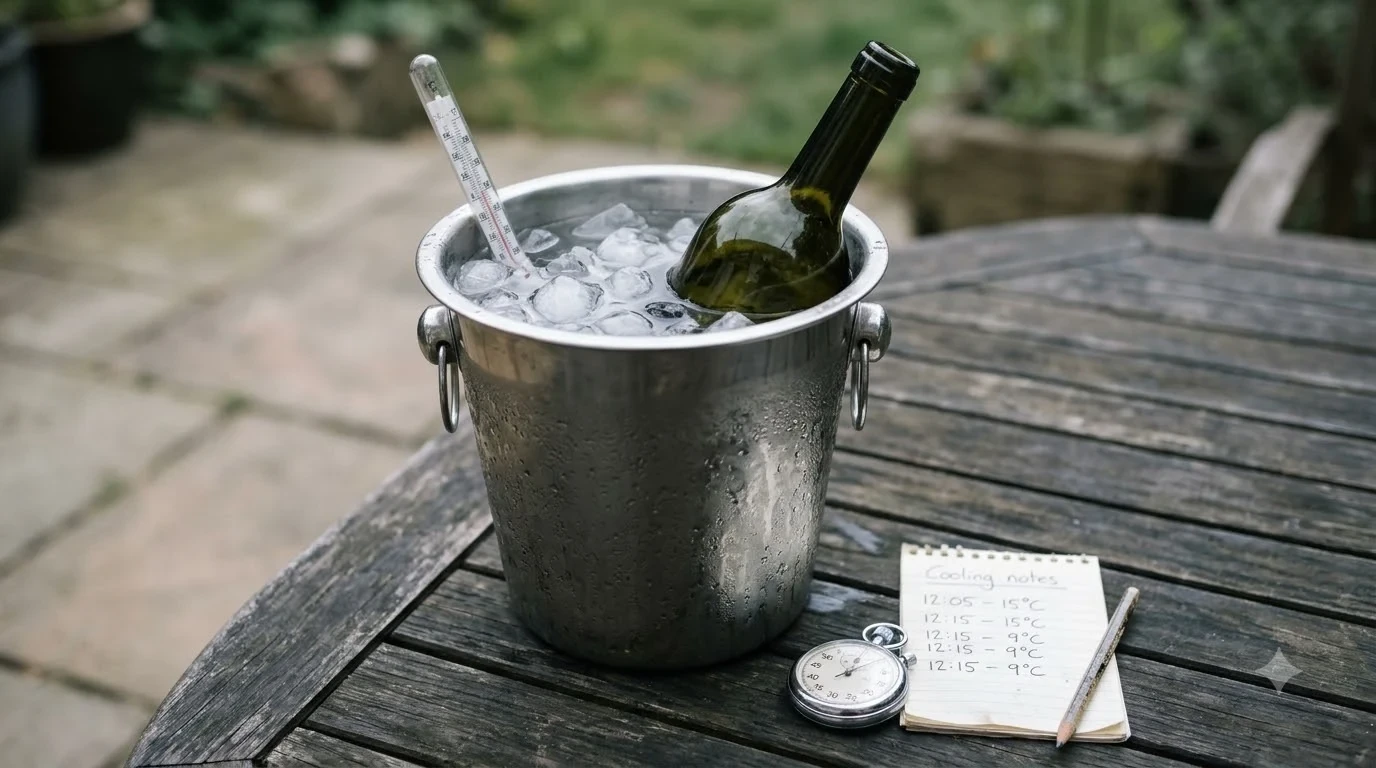
Sake can be served chilled, at room temperature, or warmed, and the right choice depends on the style and the season. Hot sake is generally served at about 50 degrees Celsius, or 122 degrees Fahrenheit, while chilled sake is usually served at about 10 degrees Celsius, or 50 degrees Fahrenheit. Warm service is traditional for some ordinary sakes, and cold service suits most premium bottles.
Serving sake at home can be simpler than it looks. Keep a bottle of junmai ginjo in the refrigerator, pour a small amount into a glass, and let it come up slightly as you drink. For warm sake, a small ceramic vessel placed in hot water is the traditional method, and the goal is a gentle warmth rather than a boil. Each pour should be small enough that the aroma stays in the glass.
High-grade sake is usually not served hot. Heat can mute the delicate aromas that make a daiginjo or ginjo bottle worth paying attention to, so chilled service is the better choice for those styles. A small wine glass or a traditional ochoko cup works well, and a white wine glass lets the aroma gather near the rim.
Common sake styles on the shelf
Most shoppers will meet sake in a few broad families. Junmai styles are made without added brewer’s alcohol and tend to show more of the rice character, with fuller texture and savory notes. Ginjo and daiginjo styles are more polished and usually show fruit, flowers, or green aromas that feel lighter on the palate. Namazake is sake that is not pasteurized before bottling, so it is sold chilled and is often fresher and livelier in flavor.
Sparkling sake and nigori, a cloudy style with rice solids left in the bottle, are also common. Nigori is usually shaken before pouring and tends to taste softer and creamier than clear sake. Each style has its own serving temperature and food partners, so reading the label before you pour makes a real difference.
When you are unsure, start with a mid-range junmai ginjo served chilled. It shows the fruit and polish of premium sake without the cost of a top-shelf daiginjo, and it gives you a clear reference point for comparing other bottles.
Pairing sake with food
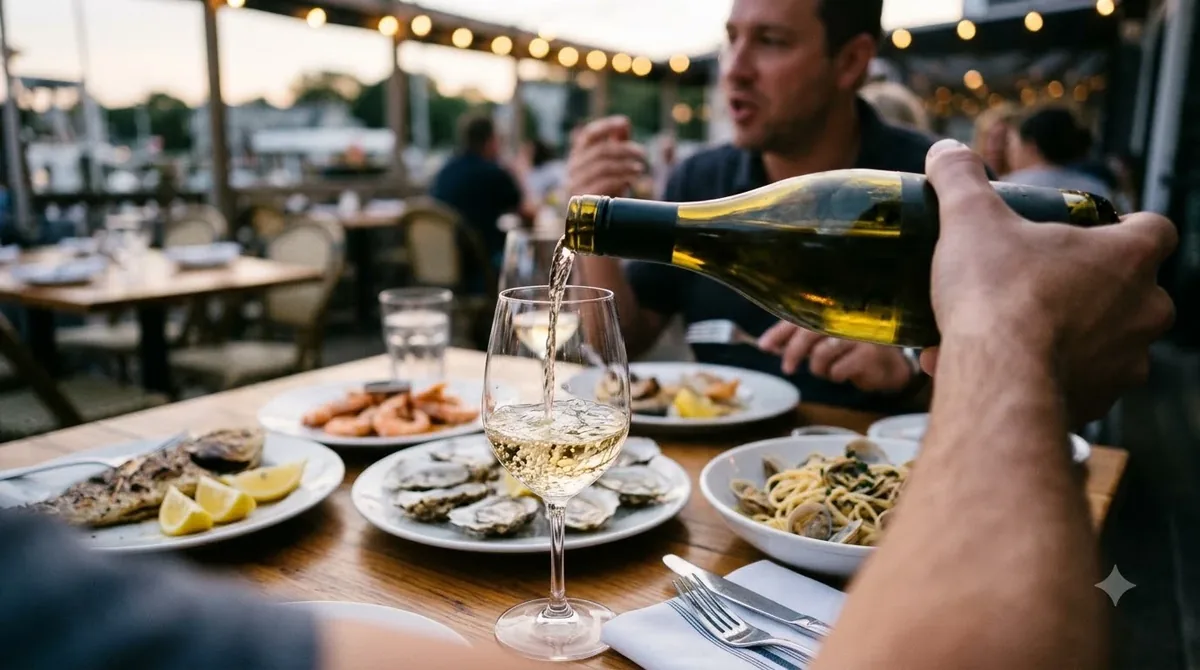
Sake pairs well with a wide range of dishes because its rice base is gentle and its acidity is usually moderate. Lighter, aromatic styles suit seafood, sashimi, and vegetables with delicate seasoning. Fuller, richer styles can stand up to grilled meats, fried foods, and dishes with savory sauces.
Sake also works with cheese more often than many guests expect, especially soft and creamy styles that echo the rice texture. Think of sake the way you would think about a white wine with food. Match intensity with intensity, and let the sake refresh the palate between bites. Pairings based on region often work well too, since many Japanese dishes were developed alongside local sake styles.
Frequently Asked Questions
Is sake really a wine?
Not in the technical sense. Sake is made from fermented rice rather than grapes, and its brewing process is closer to beer. People call it rice wine because it is an alcoholic beverage served in a similar way to wine.
How strong is sake compared with wine?
Sake usually falls between 15 and 22 percent alcohol by volume, which is often a little stronger than typical table wine. Serving sizes are smaller, so the amount you drink in a sitting depends on the pour.
Should sake be served warm?
Some ordinary sakes are traditionally warmed, but premium styles are usually served chilled. Warming can dull the delicate aromas of high-grade bottles, so check the label or ask a server when in doubt.
What does junmai mean on a sake label?
Junmai means the sake is made without added brewer’s alcohol. It is a useful signal for a rice-forward style, while the polishing ratio on the label shows how refined the rice is.
If you are comparing drinks for their calories or strength, the calories in sake guide breaks down what a typical serving contains. For a wider look at how sake sits alongside other drinks, the Wine by Type hub is a good next stop.
More in Wine Types & Grapes
 Zinfandel Sugar Content: Dry Red vs. White Zinfandel GramsUpdated Nov 21, 2026
 Best Zinfandel Substitute Options for Sipping and CookingUpdated Nov 21, 2026
 Zweigelt Food Pairing: Best Dishes, Cheeses, and Serving TipsUpdated Nov 21, 2026
 Zinfandel Tannins Explained: How Structure Shapes Every BottleUpdated Nov 21, 2026
 Zinfandel Sweetness Level: Dry Red vs. Sweet White Zin ExplainedUpdated Nov 21, 2026
 Xinomavro Food Pairing: Best Dishes, Styles, and Serving TipsUpdated Nov 21, 2026