


We may earn a commission when you buy through links on this page, at no extra cost to you. Learn more.
The typical ice wine price range sits firmly in the mid-to-luxury dessert wine tier, starting at entry-level half-bottles for special-occasion sipping and climbing sharply into rare collector territory for top estates. Unlike standard table wines sold in full 750-milliliter formats, authentic ice wine is almost exclusively bottled in slender 375-milliliter half-bottles due to its tiny yields and intense concentration. Understanding why these bottles command a premium comes down to extreme winter harvest conditions, massive grape requirements, and slow, delicate winemaking.
Shoppers accustomed to everyday table bottles often experience sticker shock when browsing the dessert wine aisle for the first time. Because true ice wine requires grapes to freeze naturally on the vine before being hand-harvested in the dead of night, every single drop carries substantial agricultural risk and labor costs that directly shape retail pricing across regions and styles.
What Is Ice Wine and Why Does It Cost More?
Ice wine is a luscious, naturally sweet dessert wine made exclusively from grapes that have frozen solid on the vine before harvest, concentrating sugars and acids while leaving water behind as ice. Because the frozen water stays locked inside the press during extraction, wineries obtain only a tiny fraction of the juice they would normally get from a standard autumn harvest.
According to Wine Folly’s comprehensive guide to ice wine, producing a single batch requires four to five times as many grapes as conventional table wine, and every cluster must be picked by hand rather than by mechanical harvesters. Grape growers must leave healthy fruit hanging on the vines well past the standard autumn harvest, exposing their entire crop to hungry birds, wildlife, windstorms, and rot while waiting for a deep freeze.
When temperatures finally plunge—requiring at least minus 8 degrees Celsius (17.6 degrees Fahrenheit) under strict Canadian regulations or minus 7 degrees Celsius in Germany—crews rush into the vineyards at night with headlamps to pick the rock-hard berries before the morning sun can thaw them. Pressing frozen grapes takes hours and yields extremely dense must measuring roughly 32 to 46 Brix, which then undergoes a slow, finicky fermentation lasting three to six months before reaching around 10 percent alcohol by volume.
Key Tiers Within the Ice Wine Price Range
The market for authentic ice wine divides into three distinct quality and pricing tiers, driven primarily by grape variety, regional reputation, and vintage scarcity. While entry-level options deliver bright, approachable sweetness, top-tier bottles from historic European estates and single-vineyard Canadian producers command substantial premiums.
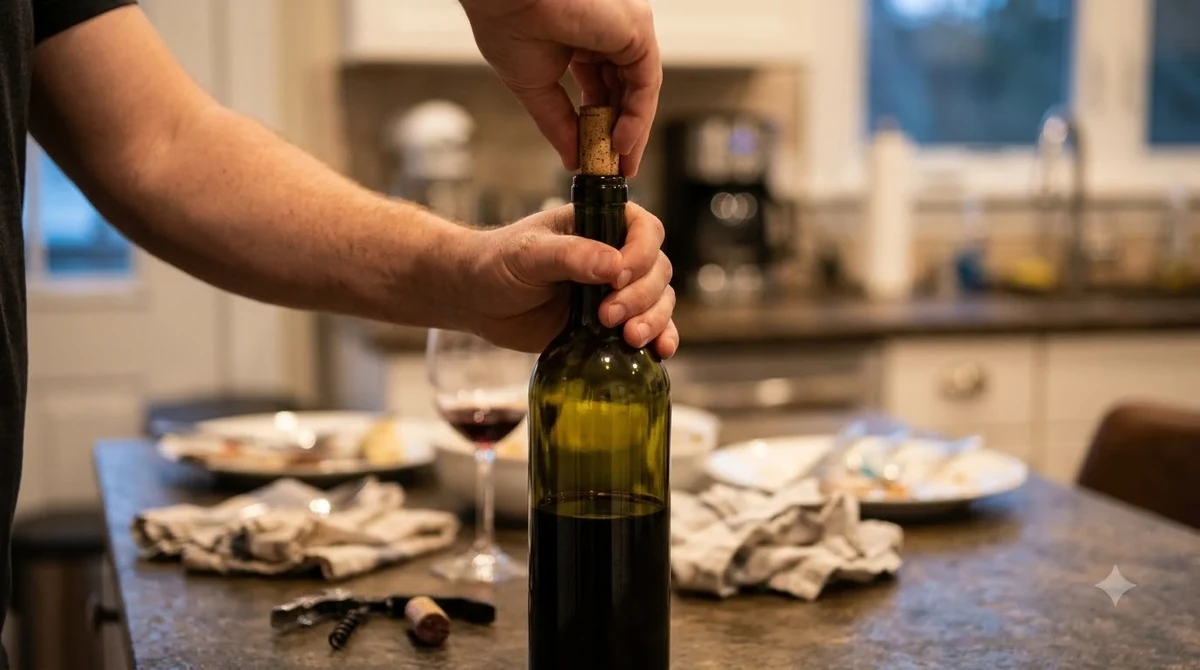
At the accessible entry tier, buyers will primarily find bottles crafted from Vidal Blanc, a thick-skinned French-American hybrid grape that thrives in cold climates like Ontario and New York’s Finger Lakes. Because Vidal Blanc resists splitting during freeze-thaw cycles and produces reliable yields compared to delicate European varieties, these half-bottles represent the most budget-friendly way to experience genuine ice wine.
Moving into the mid-tier range opens up single-varietal expressions made from noble grapes such as Riesling, Cabernet Franc, and Grüner Veltliner. These wines showcase sharper acidity, deeper aromatic complexity, and greater aging potential, reflecting lower vineyard yields and higher viticultural risk. At the top collector tier sit rare German Eiswein bottlings from prestigious Mosel or Rheingau estates and oak-aged or sparkling Canadian reserves, where warming winter trends have made successful harvests increasingly scarce.
| Market Tier | Typical Bottle Format | Primary Grapes & Regions | What Drives the Value |
|---|---|---|---|
| Entry-Level | 375 ml half-bottle | Vidal Blanc from Ontario (Niagara) or New York (Finger Lakes) | Thicker grape skins tolerate winter weather better, yielding more consistent production volumes. |
| Mid-Tier Classic | 375 ml half-bottle | Riesling, Cabernet Franc, and Grüner Veltliner from Canada, Austria, or the US | Higher vineyard risk, brighter natural acidity, and more intricate stone-fruit and floral aromatics. |
| Collector & Reserve | 375 ml half-bottle | German Riesling Eiswein (Mosel/Rheingau) and oak-aged or sparkling reserves | Extreme climate scarcity, multi-decade cellar longevity, and historic estate pedigree. |
Regional Differences That Shape Retail Pricing
Where a bottle is grown plays a decisive role in where it lands along the ice wine price range, largely because winter weather reliability varies dramatically between North America and Europe. Regions with dependable annual freezes can produce ice wine consistently, whereas areas facing milder winters treat successful harvests as rare windfalls.
Canada—specifically Ontario’s Niagara Peninsula and British Columbia’s Okanagan Valley—stands as the world’s largest and most consistent producer of true ice wine. Because Canadian winters reliably hit the legally mandated minus 8 degrees Celsius threshold, wineries there can plan annual production at a scale that keeps entry- and mid-tier pricing relatively steady compared to European counterparts, much like how regional production scale influences the cava price range.
In Germany and Austria, where the style is labeled as Eiswein, warming winter temperatures have turned production into a high-stakes gamble. Several recent European vintages saw virtually zero Eiswein harvested in major regions because temperatures failed to drop low enough before the fruit deteriorated, pushing existing bottles into high-end collector territory. Meanwhile, cool-climate American regions such as New York’s Finger Lakes, Michigan, and Ohio produce smaller boutique quantities that generally sit in the lower-to-middle tiers for domestic buyers.
Flavor Profile and Popular Ice Wine Styles
Despite packing extraordinary residual sugar levels—often ranging between 160 and 220 grams per liter, roughly double the sweetness of a standard soda—authentic ice wine never tastes syrupy when properly made. Its defining hallmark is an electric backbone of crisp acidity that slices right through the lush fruit concentration.
White ice wines crafted from Riesling or Vidal Blanc burst with vibrant aromas of ripe apricot, peach jam, pineapple, lychee, lemon curd, and raw honeycomb. Reviewing top selections, Wine Enthusiast’s best ice wine guide highlights how the finest examples balance an unctuous, satiny palate with a zingy, candied citrus finish that keeps every sip refreshing rather than heavy.
Beyond classic still white styles, winemakers also craft ruby-hued red ice wines from Cabernet Franc or Merlot that deliver concentrated notes of candied strawberry, rhubarb, and cranberry. A handful of producers even bottle sparkling ice wine, introducing lively effervescence that lifts the dense tropical sweetness and makes the wine feel remarkably buoyant on the palate.
How to Serve and Store Ice Wine Properly
Serving ice wine at the right temperature and in modest portions transforms both the tasting experience and the practical value you get from every half-bottle. Because the wine is intensely concentrated, a single 375-milliliter bottle easily serves six to eight guests when poured properly.
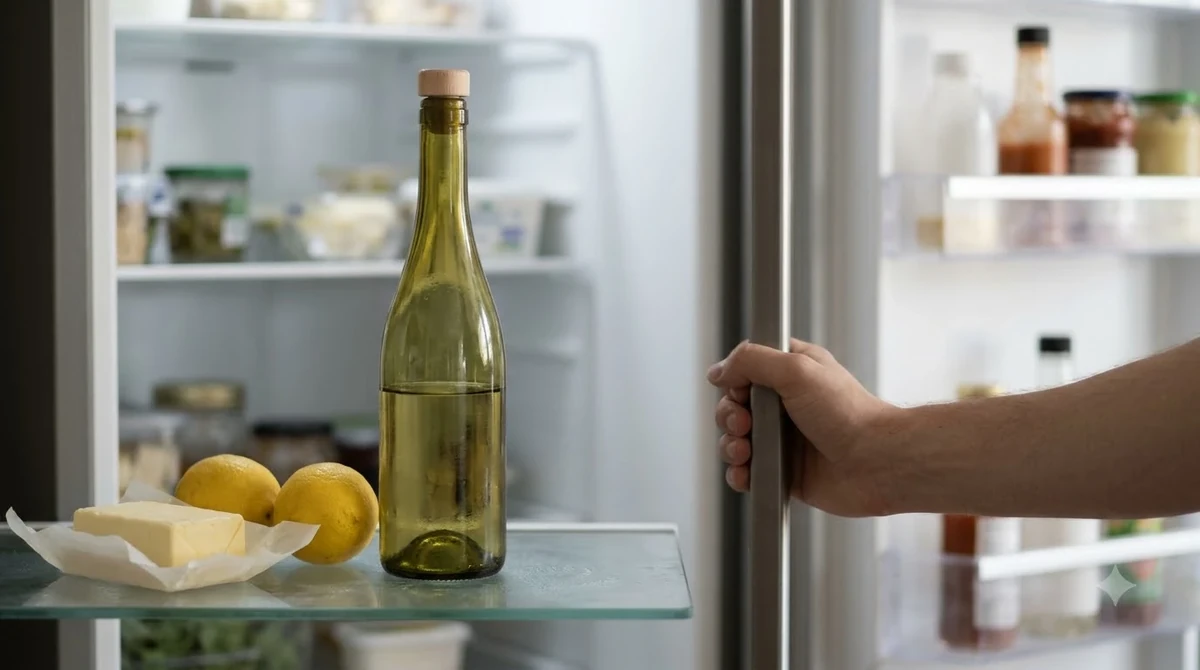
Chill your bottle thoroughly in the refrigerator for several hours before opening so it lands right around 43 to 46 degrees Fahrenheit (6 to 8 degrees Celsius). Serving it well chilled keeps the high natural acidity crisp and prevents the 160 to 220 grams per liter of residual sugar from feeling cloying, while small tulip-shaped dessert wine glasses concentrate the delicate floral and stone-fruit aromatics.
Once opened, ice wine holds remarkable staying power compared to dry table reds or whites, where oxidation quickly dulls the fruit as buyers often consider when evaluating the cabernet sauvignon price range. Thanks to its dense sugar and high acidity acting as natural preservatives, a recorked half-bottle stored upright in the refrigerator will remain fresh and vibrant for one to two weeks.
Tip: Pour standard two-ounce (60-milliliter) dessert servings rather than full table-wine pours—one half-bottle yields six generous tastings, making the per-glass cost far more approachable than the bottle sticker suggests.
How to Spot Authentic Ice Wine vs. Imitations
Because genuine frozen-vine harvesting is expensive and risky, budget-priced lookalikes frequently appear on retail shelves using deceptive wording that mimics authentic bottles. Learning to read the front and back labels carefully protects you from paying craft prices for artificially frozen shortcuts.
Authentic bottles from Canada carry the official Vintners Quality Alliance (VQA) designation and spell “Icewine” as a single compound word, guaranteeing the grapes froze naturally on the vine without commercial intervention. Similarly, genuine German and Austrian bottles carry the legal Prädikat designation “Eiswein,” which strictly prohibits chaptalization or artificial freezing.
Be cautious of bottles labeled “iced wine,” “ice-style wine,” or “late harvest” sold at unusually low prices in full 750-milliliter bottles. Many of these alternatives are produced through cryoextraction—harvesting standard autumn grapes and freezing them in commercial warehouse freezers—which concentrates sugar without developing the complex freeze-thaw aromatics and vibrant acidity of true vineyard-frozen fruit. Exploring broader Wine by Type classifications can help clarify how late-harvest and dessert categories differ across regions.
Frequently Asked Questions
Why are ice wine bottles almost always 375 ml instead of 750 ml?
Pressing frozen grapes yields only 10 to 15 percent of the juice volume obtained from a normal harvest, making production scarce and expensive. Bottling in 375-milliliter half-bottles keeps retail pricing accessible while matching the smaller two-ounce serving sizes appropriate for rich dessert wines.
Does expensive ice wine age well in a home cellar?
High-acid ice wines—especially those made from Riesling—can age gracefully for 10 to 30 years or more in cool, dark storage. Over time, their bright citrus and tropical fruit notes evolve into complex layers of dried apricot, toasted hazelnut, caramel, and marmalade.
What foods pair best with ice wine?
Salty, pungent blue cheeses like Roquefort or Gorgonzola create an extraordinary sweet-and-savory contrast against ice wine’s honeyed richness. For dessert pairings, choose fruit tarts, shortbread cookies, or crème brûlée that are slightly less sweet than the wine itself so the pairing never feels overwhelming.
How does ice wine compare in cost to other luxury wines?
While ice wine commands a higher per-ounce cost than most everyday table wines, its entry-to-mid-tier pricing often parallels prestige sparkling categories like the champagne price range. Because a single half-bottle provides six to eight small celebratory pours, it remains an attainable luxury for special dinners.
Evaluating the ice wine price range becomes much easier once you factor in the extreme winter labor, tiny yields, and generous per-bottle serving count behind every slender half-bottle. Whether you choose an approachable Ontario Vidal Blanc for a holiday cheese board or splurge on a benchmark German Riesling Eiswein for your cellar, authentic ice wine delivers an unforgettable balance of pure fruit concentration and razor-sharp freshness.
More in Wine Types & Grapes
 Zinfandel Sugar Content: Dry Red vs. White Zinfandel GramsUpdated Nov 21, 2026
 Best Zinfandel Substitute Options for Sipping and CookingUpdated Nov 21, 2026
 Zweigelt Food Pairing: Best Dishes, Cheeses, and Serving TipsUpdated Nov 21, 2026
 Zinfandel Tannins Explained: How Structure Shapes Every BottleUpdated Nov 21, 2026
 Zinfandel Sweetness Level: Dry Red vs. Sweet White Zin ExplainedUpdated Nov 21, 2026
 Xinomavro Food Pairing: Best Dishes, Styles, and Serving TipsUpdated Nov 21, 2026