

We may earn a commission when you buy through links on this page, at no extra cost to you. Learn more.
Ice wine sangria is a chilled wine punch that uses naturally sweet dessert wine made from vineyard-frozen grapes as its flavor and sweetening core instead of granulated sugar or simple syrup. Because true ice wine carries concentrated residual sugar balanced by brisk natural acidity, a small pour anchors an entire pitcher of fruit, dry wine, and sparkling mixer. The result delivers layered orchard and tropical fruit notes without tasting heavy or syrupy.
Traditional Spanish sangria relies on dry table wine bolstered with brandy, triple sec, and dissolved sugar to create a crowd-pleasing pitcher drink. Swapping refined sweeteners for authentic ice wine shifts the profile from straightforward citrus punch to an aromatic, multi-dimensional cocktail with vibrant acidity. Understanding how ice wine behaves when diluted, chilled, and paired with fresh produce helps you build a balanced pitcher every single time.
What Makes Ice Wine Sangria Different From Traditional Sangria
Ice wine sangria replaces added cane sugar and sweet liqueurs with concentrated dessert wine pressed from grapes that froze naturally on the vine. This single ingredient change alters the drink’s texture, aromatic complexity, and acid balance from the first pour.
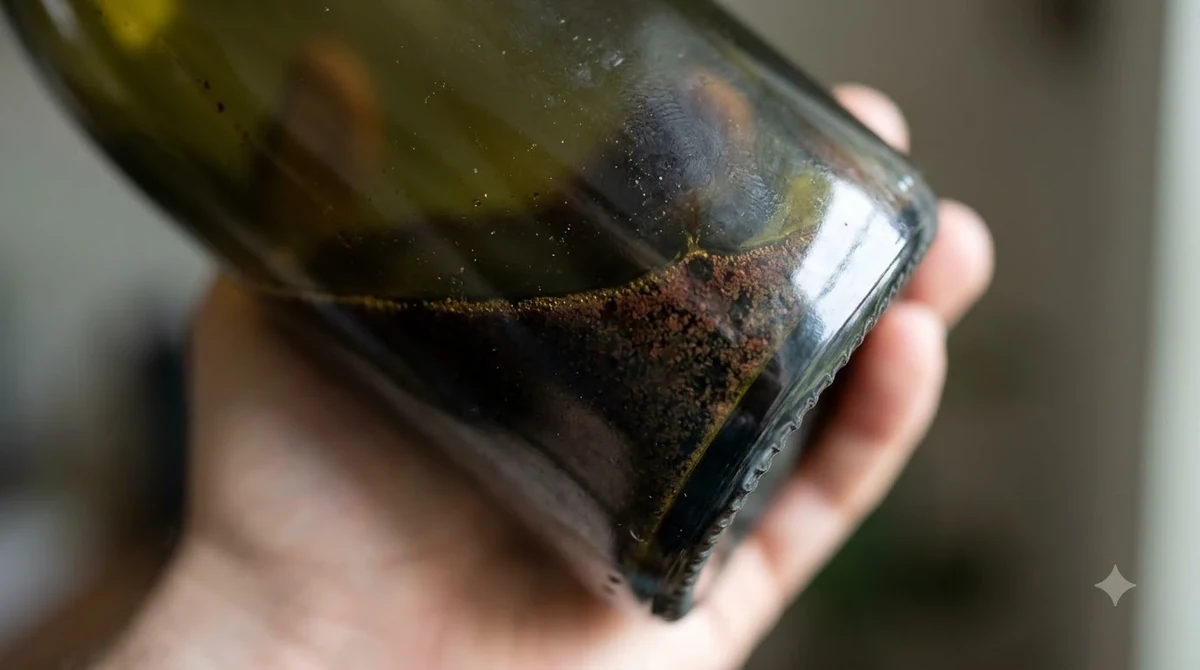
According to Wine Folly, authentic ice wine can only be produced when healthy grapes freeze on the vine at a minimum temperature of minus 8 degrees Celsius (17.6 degrees Fahrenheit). Pressing those frozen berries leaves behind water crystals and yields a tiny fraction of intensely sweet juice rich in natural acids. Common grapes used for these bottlings include Riesling, Vidal Blanc, and Cabernet Franc, each bringing distinct notes of pineapple, apricot, lemon curd, honeysuckle, or preserved red berries.
When you pour that concentrated elixir into a pitcher of sangria, you avoid the flat, one-note sweetness that comes from simple syrup or sweetened fruit juices. The natural acidity inherent in cool-climate ice wine cuts through the richness of muddled fruit and keeps the finish crisp. You also gain a broader range of Wine by Type to experiment with, since white ice wines create bright, stone-fruit punches while red Cabernet Franc ice wines deepen darker berry blends.
Another major difference lies in the ratio of wine to mixer. Because ice wine typically sits around 10 to 11.5 percent alcohol by volume while carrying high residual sugar, you do not need an entire bottle of dessert wine to flavor a batch. Most balanced recipes combine a measured cup of ice wine with a full bottle of dry base wine and a splash of sparkling water, stretching a prized half-bottle across multiple glasses.
Core Ingredients and Proportions for a Balanced Pitcher
A well-proportioned ice wine sangria balances one bottle of crisp dry wine with roughly one cup of ice wine, fresh seasonal fruit, and a bubbly topper added right before serving. Keeping the sweet dessert wine in a supporting ratio prevents the punch from becoming cloying while preserving its signature aromatics.
| Component | Recommended Amount | Role in the Pitcher | Best Options |
|---|---|---|---|
| Dry Base Wine | 1 standard 750 ml bottle | Provides structure, volume, and dry backbone | Pinot Grigio, Sauvignon Blanc, unoaked Chardonnay, or light Pinot Noir |
| Ice Wine | 1 cup (8 ounces) | Supplies natural sweetness, bright acidity, and concentrated fruit | Vidal Blanc, Riesling, or Cabernet Franc ice wine |
| Fortifying Accent | 1 to 2 tablespoons | Adds subtle citrus or herbal lift without overpowering | Orange liqueur, dry brandy, or white vermouth |
| Fresh Fruit | 1.5 to 2 cups sliced | Infuses color, aroma, and edible garnish | White peaches, green apples, berries, oranges, or cranberries |
| Sparkling Topper | 1 to 2 cups chilled | Lifts aromatics and lightens the mid-palate | Club soda, dry Prosecco, or Cava |
Choosing the right dry base wine makes all the difference in how clearly the ice wine shines. An unoaked Pinot Grigio or crisp Sauvignon Blanc offers clean minerality and citrus drive that let a Vidal Blanc or Riesling ice wine take center stage. If you prefer a darker, richer style closer to sweet red wine sangria, pair a light-bodied, low-tannin red like Pinot Noir or Gamay with a Cabernet Franc ice wine so tannins do not clash with the fruit sugars.
Skip heavy sweetened juices like bottled apple juice or sugary sodas when working with ice wine. Those mixers mask the delicate apricot, lychee, and floral nuances you are paying for in the dessert wine. Stick to plain club soda or dry sparkling wine so the natural grape character remains the unmistakable star of the glass.
Step-by-Step Method to Build Ice Wine Sangria
Making ice wine sangria takes about ten minutes of active prep followed by a short chill in the refrigerator so the fruit and wine can meld. Following the proper order of assembly protects the delicate aromatics of the dessert wine and keeps the final pour lively.
- Prep the fruit uniformly: Wash and core firm fruits like green apples or pears, then cut them into thin slices or bite-sized pieces so they release flavor evenly without turning mushy. Halve strawberries and leave smaller berries or cranberries whole.
- Combine the still liquids first: Pour the dry base wine, ice wine, and optional splash of orange liqueur into a large glass pitcher. Stir gently with a long bar spoon until the denser ice wine integrates completely with the dry wine.
- Fold in the fruit: Add the prepared fruit to the wine mixture and press lightly with a wooden spoon just enough to express a little juice without pulverizing the flesh.
- Chill to marry the flavors: Cover the pitcher and refrigerate for two to four hours. This window allows the fruit to infuse the wine while keeping delicate berries firm and vibrant.
- Add ice and bubbles at the table: Fill individual wine glasses with fresh ice cubes, ladle in the chilled sangria along with a spoonful of macerated fruit, and top each glass with cold club soda or dry sparkling wine right before serving.
Tip: Never pour club soda or sparkling wine into the pitcher during the refrigeration step, because carbonation fades quickly and dilutes the concentrated ice wine aromatics before guests take their first sip.
If you are prepping ahead for a holiday gathering, you can follow a smart hosting trick highlighted by Wine Enthusiast and toss a handful of frozen cranberries or frozen grapes into the glasses at serving time. Frozen fruit acts like reusable ice cubes that keep the punch brisk without watering down the delicate dessert wine notes.
Serving Temperature, Glassware, and Alcohol Strength
Ice wine sangria tastes best served thoroughly chilled between 45 and 50 degrees Fahrenheit in stemmed wine glasses over fresh ice. Proper temperature control keeps the residual sugar crisp and refreshing rather than thick on the palate.
When sweet wines warm up past cellar temperature, their sugar concentration can feel heavy and cloying, while serving them straight from a near-freezing cooler mutes subtle floral and orchard aromas. Knowing should sangria be chilled before adding ice is especially important here: starting with cold bottles from the fridge ensures the ice cubes melt slowly in the glass. Stemmed white wine glasses or stemless tumblers with thick bases help prevent warm hands from heating the drink too quickly.
Many hosts also ask about ice wine alcohol content when mixing a party pitcher, assuming dessert wines are fortified like Port. In reality, authentic ice wine undergoes a slow, natural fermentation that typically stops around 10 to 11.5 percent ABV. Once you blend one cup of ice wine with a standard bottle of dry table wine and top the glass with sparkling water, the finished sangria usually lands near 8 to 10 percent ABV, making it lighter than a standard glass of wine.
Seasonal Variations for Warm and Cool Weather
Because ice wine bridges bright summer citrus and rich autumn orchard notes, you can adapt the same core formula to match any season on the calendar. Swapping the dry base wine, fruit, and aromatic herbs transforms the mood of the pitcher in minutes.
For warm summer afternoons, build a stone-fruit and citrus white sangria using Vidal Blanc ice wine, crisp Sauvignon Blanc, sliced white peaches, yellow nectarines, and a few torn basil leaves. The natural pineapple and lemon curd tones in Vidal Blanc echo the ripe peaches, while fresh basil adds a garden-fresh herbal finish that keeps every sip lively.
During autumn and winter holidays, lean into Riesling or Cabernet Franc ice wine paired with thinly sliced Honeycrisp apples, Anjou pears, fresh cranberries, and a whole cinnamon stick. The warm baking spice plays against the honeyed apricot and preserved berry character of the ice wine, turning a classic warm-weather punch into an effortless cold-weather centerpiece.
Food Pairings That Match Ice Wine Sangria
Ice wine sangria pairs naturally with salty cheeses, cured meats, spicy appetizers, and fruit-forward desserts because its sweet-tart balance mirrors classic food-and-wine contrast principles. Matching the intensity of the dish to the style of sangria keeps both the food and the drink in harmony.
On a grazing board, place a pitcher of white ice wine sangria alongside aged Manchego, creamy Brie, toasted Marcona almonds, and prosciutto. The salt and savory richness of cured meats and aged sheep’s milk cheese highlight the bright citrus and stone-fruit notes in the glass, while the effervescence cleanses the palate between bites. Blue-veined cheeses like Stilton also create a classic sweet-and-salty pairing with ice wine-based drinks.
Beyond appetizers, this style of sangria works remarkably well with moderately spicy dishes such as Thai spring rolls, glazed pork skewers, or spiced empanadas. Residual grape sugar cools capsaicin heat on the tongue while brisk natural acidity refreshes your palate for the next bite. If you serve it after dinner, skip overly sweet chocolate cakes and stick to lemon tarts, almond biscotti, or berry pavlova so the dessert does not overpower the fruit in the glass.
Frequently Asked Questions
Can you make sangria with ice wine instead of sugar?
Yes, ice wine works wonderfully as a natural sweetener in sangria because it carries high residual sugar balanced by lively acidity. Using about one cup of ice wine per standard bottle of dry wine replaces simple syrup while adding complex notes of apricot, honey, and tropical fruit.
Which type of ice wine is best for sangria?
Vidal Blanc and Riesling ice wines are the most versatile choices for white and sparkling sangrias thanks to their bright citrus, peach, and pineapple flavors. If you want a red or rosé sangria, Cabernet Franc ice wine contributes rich notes of strawberry and preserved cherry.
How long can leftover ice wine sangria stay in the fridge?
Unbubbled sangria base keeps well in a sealed glass pitcher in the refrigerator for up to two days, though the fruit will soften after the first four hours. For the best texture, strain out the macerated fruit after the initial chill if you plan to store leftovers overnight.
Do you use a whole bottle of ice wine for one pitcher?
No, using an entire bottle of ice wine would make the sangria overly sweet and rich. Combining one cup (8 ounces) of ice wine with a full 750 ml bottle of dry table wine and a splash of club soda achieves the ideal balance of sweetness, acidity, and refreshment.
Swapping ordinary sweeteners for real ice wine turns a casual pitcher of sangria into an aromatic, crisp wine cocktail suited for year-round entertaining. By keeping your base wine dry, chilling the mixture properly, and adding sparkling water right before serving, you let the natural concentration of vineyard-frozen grapes shine in every glass.
More in Wine Types & Grapes
 Zinfandel Sugar Content: Dry Red vs. White Zinfandel GramsUpdated Nov 21, 2026
 Best Zinfandel Substitute Options for Sipping and CookingUpdated Nov 21, 2026
 Zweigelt Food Pairing: Best Dishes, Cheeses, and Serving TipsUpdated Nov 21, 2026
 Zinfandel Tannins Explained: How Structure Shapes Every BottleUpdated Nov 21, 2026
 Zinfandel Sweetness Level: Dry Red vs. Sweet White Zin ExplainedUpdated Nov 21, 2026
 Xinomavro Food Pairing: Best Dishes, Styles, and Serving TipsUpdated Nov 21, 2026