

We may earn a commission when you buy through links on this page, at no extra cost to you. Learn more.
Modern ice wine history began in Franconia, Germany, in 1794 when a surprise early frost froze grapes on the vine and local winemakers pressed the icy fruit to salvage their harvest. That accidental press yielded a tiny volume of remarkably sweet, high-acid juice that gave birth to German Eiswein, a specialty formalized in Rheinhessen in 1830 and codified in German wine law in 1982. By the late twentieth century, Canada harnessed its reliable winter freezes to become the world’s largest producer of ice wine, cementing its global reputation in 1991.
Few styles in the wine world owe their existence as directly to weather emergencies as ice wine. Over more than two centuries, a desperate attempt to save a ruined crop evolved into one of viticulture’s most labor-intensive and tightly regulated luxury categories, spanning European river valleys and North American lakeside vineyards.
Ancient Precursors to Frozen-Grape Wine
Long before German vintners named the style, classical writers recorded the practice of harvesting grapes after winter frosts. In the first century AD, Roman authors Pliny the Elder and Martial both described wines made from grapes left on the vine until they froze, noting the concentrated sweetness that cold weather produced.
These Roman accounts show that ancient growers understood how freezing temperatures affected fruit chemistry, even without modern thermometers or press equipment. Because water freezes at a higher temperature than dissolved grape sugars, ice crystals formed inside the berries while the remaining liquid grew denser and sweeter.
However, those early Roman experiments never developed into a continuous, documented winemaking tradition across Europe. For centuries afterward, sweet wines in Europe relied primarily on sun-drying harvested bunches or encouraging noble rot (Botrytis cinerea), leaving frozen-vine harvesting largely forgotten until the late eighteenth century.
The 1794 Accident and 1830 Milestone in Germany
True modern ice wine history took root in Franconia, Germany, during the winter of 1794 after a sudden, severe frost caught growers with unharvested grapes still hanging on the vines. Reluctant to abandon an entire year’s work, local winemakers picked the rock-hard berries and pressed them anyway, discovering that the resulting must was extraordinarily rich in sugar yet vibrant with crisp acidity.
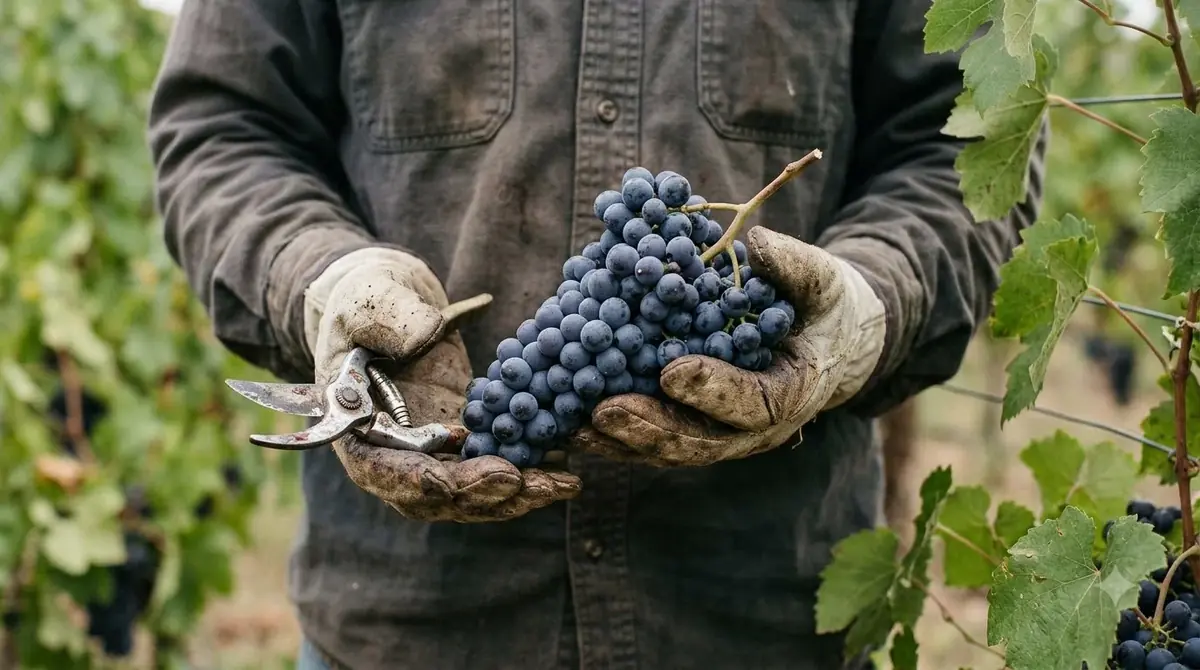
A better-documented watershed arrived on February 11, 1830, in the village of Dromersheim near Bingen in Germany’s Rheinhessen region. After a harsh winter compelled growers to leave grapes from the 1829 vintage on the vine into February, they initially intended to press the frozen fruit for animal feed before realizing the juice was sweet enough for exceptional wine. By the mid-1800s, estates in the Rheingau and neighboring German regions were intentionally reserving parcels for what became known as Eiswein.
Even with growing acclaim, German Eiswein remained a rare gamble for over a century because mild winters often failed to deliver deep freezes. According to Wines of Germany, a major breakthrough occurred in the 1960s when producers began partially defoliating late-harvest plots and wrapping the vines in protective film to keep birds from eating the ripe fruit before winter. In 1982, an amendment to German wine law elevated Eiswein to its own official quality attribute with strict minimum must-weight requirements.
Key Milestones in Ice Wine History
The evolution of ice wine spans more than two hundred years of climate adaptation, technological refinement, and international competition. The timeline below highlights the major turning points that shaped how the wine is made and regulated today.
| Year | Region | Historical Milestone |
|---|---|---|
| 1794 | Franconia, Germany | An unexpected early frost freezes grapes on the vine, leading growers to press frozen fruit and discover modern ice wine. |
| 1830 | Dromersheim, Rheinhessen | Growers harvest frozen 1829-vintage grapes on February 11, creating the earliest thoroughly documented German Eiswein. |
| 1960s | Germany | Winemakers adopt protective vineyard film and netting to shield ripe grapes from birds until deep winter freezes arrive. |
| 1982 | Germany | German wine law establishes Eiswein as an independent official category with minimum sugar and natural freezing rules. |
| 1984 | Niagara-on-the-Lake, Canada | Inniskillin produces its first commercial Vidal icewine after netting vines to protect fruit lost to birds the previous winter. |
| 1991 | Bordeaux, France | Inniskillin’s 1989 Vidal Icewine wins the Grand Prix d’Honneur at Vinexpo, propelling Canadian icewine onto the world stage. |
| 2001 | European Union | The European Union officially permits imports of Canadian icewine, recognizing equivalency in production standards. |
How Canada Became the Global Ice Wine Leader
While Germany invented Eiswein, Canada’s predictable sub-zero winters allowed the country to surpass all other nations combined in total production volume by the early 2000s. In Ontario’s Niagara Peninsula, summer warmth moderated by Lake Ontario ripens grapes fully before Arctic cold snaps reliably freeze the vineyards every December or January.
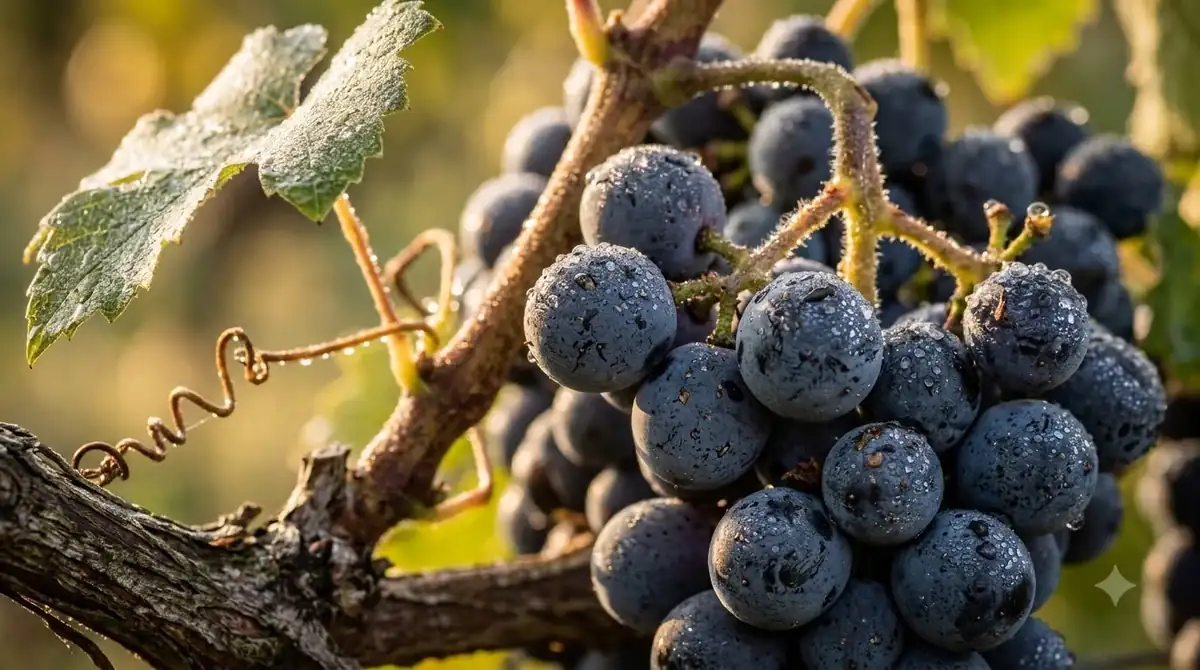
Austrian-born winemaker Karl Kaiser and nursery owner Donald Ziraldo pioneered commercial production in Niagara-on-the-Lake after founding Inniskillin in 1975. Their first attempt at leaving grapes on the vine in 1983 failed when flocks of starlings ate the entire crop, prompting them to install protective netting for their successful inaugural commercial harvest in 1984. Around the same period, early Ontario producers like Pelee Island Winery also began introducing domestic consumers to the style.
International recognition arrived in 1991 when Inniskillin’s 1989 Vidal Icewine won the Grand Prix d’Honneur at Vinexpo in Bordeaux, shocking traditional European critics and proving that cool-climate Canadian vineyards could produce world-class fine wine. Following the establishment of Ontario’s Vintners Quality Alliance (VQA) in 1988 and European Union import approval in 2001, Canada codified strict single-word “Icewine” labeling rules. Today, Ontario produces over 90 percent of Canada’s ice wine, alongside notable bottlings from British Columbia’s Okanagan Valley and smaller cool-climate appellations in New York, Michigan, and Pennsylvania.
How Production Techniques and Laws Evolved
As ice wine gained commercial value, winemakers and regulators worked to protect the integrity of a process that yields only 10 to 20 percent of the juice obtained from unfrozen grapes. True ice wine requires grapes to freeze naturally on the vine at temperatures of at least 18°F to 20°F (-7°C to -8°C) before being hand-picked and pressed immediately while still solid.
In the early decades of production, pressing frozen berries like icy marbles frequently broke traditional wooden basket presses. Modern wineries rely on reinforced hydraulic bladder presses—sometimes placed outdoors in the winter air to prevent thawing—to squeeze out tiny drops of concentrated nectar measuring 32 to 46 degrees Brix. Because extreme sugar levels stress yeast cells, fermentation proceeds slowly over three to six months, leaving residual sugar between 160 and 220 grams per liter and yielding a lower ice wine alcohol content typically ranging from 7 to 13 percent ABV.
To prevent shortcuts, major producing nations outlawed artificial freezing—often called cryoextraction—under official ice wine labels. As explained in the Wine Folly ice wine guide, wines made from grapes frozen in commercial freezers after harvest must use alternative designations such as “iced wine” or “vin de glacière,” whereas authentic VQA and German Eiswein bottles require government-verified winter vine harvests.
Tip: Check the back label for VQA certification in Canada or the Prädikatswein designation “Eiswein” in Germany and Austria to verify that the grapes froze naturally on the vine rather than in a commercial freezer.
Grape Varieties and Regional Styles Over Time
While the core freezing method unites all authentic ice wines, grape selection has shaped distinct Old World and New World stylistic traditions. In Germany and Austria, Riesling has remained the benchmark grape since the nineteenth century, prized for its late-ripening resilience and razor-sharp natural acidity that keeps what ice wine tastes like vibrant rather than cloying. Grüner Veltliner and Gewürztraminer also play prominent roles in Austrian and German cellars.
When Canadian vintners adapted the style in the 1970s and 1980s, they turned to Vidal Blanc, a thick-skinned French-American hybrid grape capable of surviving harsh Great Lakes winters without splitting or rotting on the vine. Vidal Blanc quickly became Canada’s signature icewine grape, delivering lush notes of mango, pineapple, apricot, and honey.
By the late twentieth and early twenty-first centuries, producers also expanded into red varieties—most notably Cabernet Franc in Ontario—which produces striking ruby-orange ice wines with candied strawberry and rhubarb aromas. Producers in regions like China’s Liaoning province and Hokkaido, Japan, have similarly established winter ice wine traditions within broader wine types worldwide.
Climate Change and the Modern Future of Ice Wine
Today, the biggest threat to ice wine’s centuries-old tradition is warming winter weather across historic growing zones. Because grapes must hang healthy and intact on the vine until temperatures plunge below 18°F (-7°C), unusually mild December and January weather can cause fruit to rot, shrivel, or drop before a harvest window ever opens.
German estates have felt these shifts acutely, experiencing several recent vintages in which temperatures never dropped low enough to permit an Eiswein harvest. Even in Canada, harvest windows have become less predictable, forcing vineyard teams to mobilize within hours when brief overnight cold snaps hit.
Despite rising agricultural risks, global collector demand keeps producers committed to the craft. High sugar and acid concentrations allow top-tier Riesling and Vidal ice wines to age gracefully for 30 to 50 years in the cellar, evolving from bright orchard and tropical fruit into deep bronze elixirs layered with caramel, hazelnut, and dried fig. Whenever you open a bottle, understanding whether ice wine should be chilled ensures those hard-won aromas shine in the glass.
Frequently Asked Questions
Where and when was ice wine first invented?
Modern ice wine originated in Franconia, Germany, in 1794 after an unexpected early frost froze grapes on the vine and local winemakers pressed the frozen fruit to salvage their crop. The first thoroughly documented German Eiswein harvest followed on February 11, 1830, in Dromersheim near Bingen in Rheinhessen, though Roman writers like Pliny the Elder mentioned frozen-grape wines as early as the first century AD.
Did Canada or Germany invent ice wine?
Germany invented modern ice wine in the late eighteenth century and developed the traditional Eiswein method over the nineteenth century. Canada began commercial production much later in the 1970s and 1980s, but its reliably cold winters enabled it to become the world’s largest producer by volume.
Why was 1991 such an important year in ice wine history?
In 1991, Ontario’s Inniskillin Winery won the prestigious Grand Prix d’Honneur at Vinexpo in Bordeaux for its 1989 Vidal Icewine. That victory proved to international critics that Canadian cool-climate vineyards could rival historic European dessert wines and sparked global demand for North American icewine.
What is the difference between ice wine and iced wine?
Authentic ice wine (or Eiswein) is legally required to be made from grapes that froze naturally on the vine in winter before harvesting and pressing. “Iced wine” is an unofficial term for dessert wine made from grapes picked unfrozen and chilled in a commercial freezer afterward, a practice banned under German and Canadian ice wine laws.
From an accidental eighteenth-century harvest in Franconia to tightly regulated winter pickings along the Niagara Escarpment, ice wine history reflects centuries of viticultural persistence. Every small bottle captures a narrow window of sub-zero weather, high-risk farming, and slow fermentation that cannot be replicated outside winter’s grip.
More in Wine Types & Grapes
 Zinfandel Sugar Content: Dry Red vs. White Zinfandel GramsUpdated Nov 21, 2026
 Best Zinfandel Substitute Options for Sipping and CookingUpdated Nov 21, 2026
 Zweigelt Food Pairing: Best Dishes, Cheeses, and Serving TipsUpdated Nov 21, 2026
 Zinfandel Tannins Explained: How Structure Shapes Every BottleUpdated Nov 21, 2026
 Zinfandel Sweetness Level: Dry Red vs. Sweet White Zin ExplainedUpdated Nov 21, 2026
 Xinomavro Food Pairing: Best Dishes, Styles, and Serving TipsUpdated Nov 21, 2026