

We may earn a commission when you buy through links on this page, at no extra cost to you. Learn more.
White wine alcohol content usually falls between about 11% and 14% ABV, though some styles run lower and a few richer bottles go higher. The exact number depends on the grape, how ripe the fruit was at harvest, and whether the winemaker stopped fermentation early to keep some sweetness. A light, crisp Sauvignon Blanc and a full, oaky Chardonnay can sit several points apart on the label.
If you are counting drinks, comparing a glass of white with a red, or simply wondering why one bottle feels lighter than another, this guide breaks down the typical ranges. For the bigger picture on wine families, the Wine by Type hub is a useful starting point.
Why White Wine Alcohol Content Varies
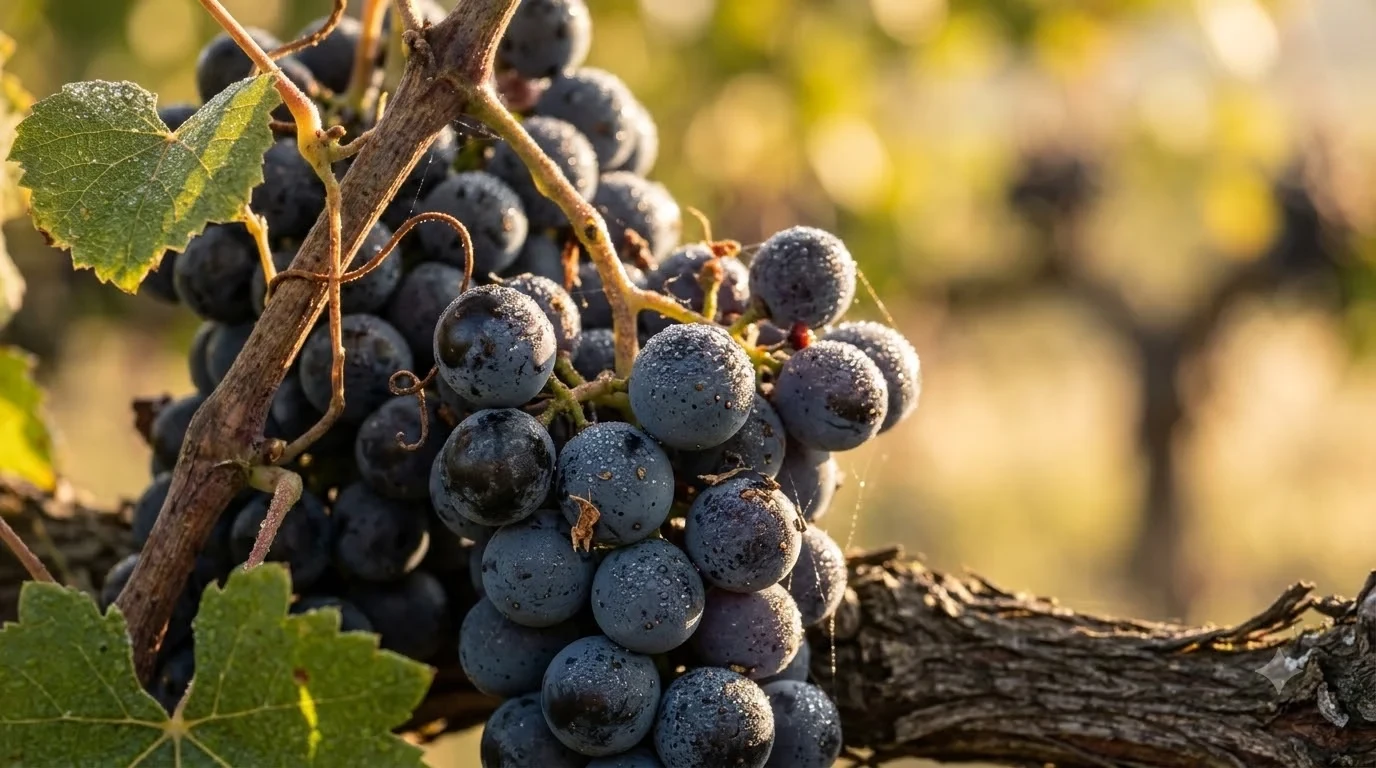
Alcohol in wine comes from sugar in the grape juice. Yeast converts that sugar into alcohol during fermentation, so the sugar level at harvest sets the upper limit. Grapes that ripen in warm sun build more sugar, and a winemaker who picks later or lets the grapes hang longer will usually end up with a higher-alcohol wine. Cool climates tend to produce grapes with less sugar and more acidity, which is why many cool-climate whites are lighter on the scale.
Vintage conditions add another layer. A cool, wet season can hold back ripening and leave the wine lighter, while a warm, sunny year can push sugar up across an entire region. That is why two bottles from the same producer and grape can show different alcohol numbers in different years, even when the style on the label has not changed. Producers often adjust picking dates to hit a target balance, so the final figure is partly a decision made in the vineyard.
Winemaking choices matter too. A fermentation that runs to dryness leaves little residual sugar, which pushes the alcohol number up. A winemaker who stops fermentation early keeps some sweetness and gets a lower ABV. That is one reason off-dry styles such as many Rieslings often read lower on the label than dry styles from the same region.
Typical Alcohol Ranges by White Wine Style
Most white wines fall into a predictable band, and the grape variety gives you a useful first guess. Wine Folly’s grape guides give the following ranges for several common whites, and they are a good reference point when you compare bottles on the shelf.
| White wine | Typical ABV | Body and style |
|---|---|---|
| Riesling | Listed under 10% in Wine Folly’s guide | Often off-dry, with lime and green apple notes |
| Pinot Grigio (Pinot Gris) | 11.5% to 13.5% | Medium-light, crisp and fresh |
| Sauvignon Blanc | 11.5% to 13.5% | Dry, medium-light, with high acidity |
| Chardonnay | 12% to 15% | Medium body; lean unoaked styles to rich oaked styles |
These numbers are ranges, not promises. Two Chardonnays from the same region can differ by more than a point depending on the vintage and the producer’s choices. Treat the table as a guide to what the grape usually does, and check the label for the exact figure on any specific bottle.
How Chardonnay and Sauvignon Blanc Compare
Chardonnay and Sauvignon Blanc are the two whites most people compare, and they show how style affects strength. Sauvignon Blanc is usually dry and tart, with gooseberry, grapefruit and grassy notes, and its alcohol sits in the lower part of the white range. It is built for freshness rather than weight.
Chardonnay covers a wider span. According to Wine Folly’s Chardonnay guide, lean styles land around 12% to 13.5% ABV, while richer styles can reach 14.5% to 15%. Oak adds vanilla, butter and spice, and it usually comes with a fuller body. An unoaked Chablis-style Chardonnay will taste leaner and feel lighter on the palate, even when its alcohol is not far from a bolder bottle.
Does Alcohol Change How White Wine Tastes?
Yes, and the effect is easy to notice. Higher alcohol gives a wine more body and a warmer feel on the finish, while lower alcohol can make the wine seem crisp and light. A white at 13% or 14% can taste rounder and fuller than one at 11.5%, even if acidity is similar, because alcohol adds weight to the mouthfeel. For a sense of how that compares with the other side of the wine list, the guide to red wine alcohol content shows how reds usually stack up.
Acidity works in the opposite direction. A bright, high-acid white can carry more alcohol without tasting heavy, and a lower-acid wine at the same ABV may feel flabby. When you choose a bottle, look at both the alcohol number and the style description. The two together tell you more about the glass than the percentage alone.
Serving White Wine at the Right Temperature
Serving temperature changes how the alcohol and aromas come across. Wine Folly suggests that most whites are best between 45 and 55 degrees Fahrenheit, or 7 to 12 degrees Celsius, while Riesling is often served colder, at 38 to 45 degrees Fahrenheit. Pinot Gris is commonly served chilled at the same 45 to 55 degree range, with fuller or skin-contact styles sometimes taken a little warmer.
Serving too cold can mute the aromas and make a rich Chardonnay taste thin. Serving too warm can make a low-acid wine taste heavy and a little hot. A short time in the fridge before dinner, or a quick bath in ice water for a bottle that is too warm, is usually enough to get the balance right.
Tip: If a white tastes unexpectedly warm or sharp on the finish, check the serving temperature first. Chilling it for 20 to 30 minutes often brings the fruit and acidity back into balance.
How to Read the Alcohol Number on a Label
The alcohol percentage is usually printed on the label, expressed as alcohol by volume. When it is shown, it is the most direct way to compare two bottles. If you want a lighter glass, look for a lower number and a producer who describes the wine as crisp, fresh or off-dry. If you want more weight and texture, look for oak, richer fruit descriptions and a higher number.
Keep the comparison fair by looking at the same style. A 12% dry Riesling and a 12% oaked Chardonnay will feel very different in the glass, because their acidity, sugar and oak treatment are not the same. Use the number as one clue among several, and you will choose more reliably.
Frequently Asked Questions
What is the average alcohol content of white wine?
Most white wines fall between about 11% and 14% alcohol by volume. Lighter styles such as Pinot Grigio and Sauvignon Blanc are usually near the lower end, while richer Chardonnays can reach the upper end or beyond.
Is white wine lower in alcohol than red wine?
Often, yes. Many white wines run lower than many reds, but the gap is not fixed. Riper red styles and some full whites can have similar strength, so the label is the best guide for a specific bottle.
Does oak raise the alcohol in white wine?
Oak does not directly add alcohol. It changes flavor and texture, adding vanilla, butter and spice. Oaked styles are often made from riper fruit, which can come with higher alcohol, but the oak itself is not the cause.
Which white wine has the lowest alcohol?
Riesling is often one of the lowest in alcohol, and Wine Folly lists it under 10% ABV. Many German Rieslings and off-dry styles sit at the lighter end, though the exact number varies by producer.
White wine alcohol content is easier to read once you know what drives it. Start with the grape, check the style and then look at the label. That simple routine will help you pick a white that matches your taste and how much you want to drink.
More in Wine Types & Grapes
 Zinfandel Sugar Content: Dry Red vs. White Zinfandel GramsUpdated Nov 21, 2026
 Best Zinfandel Substitute Options for Sipping and CookingUpdated Nov 21, 2026
 Zweigelt Food Pairing: Best Dishes, Cheeses, and Serving TipsUpdated Nov 21, 2026
 Zinfandel Tannins Explained: How Structure Shapes Every BottleUpdated Nov 21, 2026
 Zinfandel Sweetness Level: Dry Red vs. Sweet White Zin ExplainedUpdated Nov 21, 2026
 Xinomavro Food Pairing: Best Dishes, Styles, and Serving TipsUpdated Nov 21, 2026