

We may earn a commission when you buy through links on this page, at no extra cost to you. Learn more.
What is chablis? It is a dry white wine made from Chardonnay in the Chablis district of northern Burgundy, France. Chablis is usually leaner and crisper than most Chardonnay, with less oak, medium-high acidity and flavors of lime peel, white flowers and chalk. Its character comes from the cool climate and the ancient seabed soils that surround the vineyards, which is why many people describe it as mineral and fresh.
Chablis is one of the most recognizable white wines in the world, yet it often confuses people who expect Chardonnay to taste buttery or tropical. This guide explains where chablis comes from, why its soils matter, how it tastes, how to serve it and which dishes match it best. If you are choosing a bottle for a dinner or simply want to understand the style, the sections below cover what you need to know.
Where chablis comes from
Chablis is a region in northern Burgundy, in eastern France. The area sits farther north than the famous Côte d’Or, and it is closer to Champagne than to the rest of Burgundy in both geography and climate. Wine Folly describes the region as “as close to Champagne as it is to Burgundy,” a useful way to picture its position on the map. The wines are made from Chardonnay, the same grape used across Burgundy, but the cooler conditions and local soils shape a very different style.
The vineyards are concentrated around the town of Chablis, and the wines are sold under several names that reflect where the grapes were grown. Reading the label carefully helps you understand what is inside the bottle. Whatever the label says, the common thread is a dry, lean white that rewards attention.
For a detailed look at the style, the Wine Folly guide to chablis covers the region, the grape and the food it suits, and it is a good companion to this article.
Why the soil matters
The soils of Chablis are the reason the wine tastes the way it does. The vineyards sit on ancient marine deposits, and Wine Folly notes that the soils are composed of crushed seashells from the Jurassic period. When you taste a glass, that mineral, chalky quality is one of the signals that connects the wine to its place.
Soil is only part of the story, though. The cool climate of northern Burgundy keeps the grapes fresh and slows ripening, so the wine holds onto its acidity. Together, the limestone soil and the cool growing season explain why chablis is so precise on the palate. A good bottle tastes sharp and clean rather than heavy or sweet.
How chablis is made and why it is leaner
Chablis is made from Chardonnay, but in a leaner style than many New World versions. Wine Folly describes the style as having generally less oak than other Chardonnay. That restraint lets the fruit, acidity and minerality stay in focus.
The result is a wine that is bone-dry, with no sugar left after fermentation. Because the style is built around acidity rather than texture from oak, chablis tends to feel light on the palate even when it has real depth. If you have found other Chardonnays too rich or creamy, chablis is often the bottle that changes your mind about the grape.
How chablis tastes
Chablis is light-bodied and bright. Its primary flavors include quince, starfruit, lime peel, white flowers and chalk. The mineral, chalky finish lingers after the glass is empty. The acidity is medium-high, which gives the wine its crisp, refreshing feel.
Alcohol is moderate, usually between about 11.5 and 13.5 percent, which makes chablis easier to drink with a meal than many heavier whites. The flavor is focused rather than broad, so each sip tends to highlight one or two notes instead of a wide mix of fruit and spice.
| Feature | Typical chablis | What it means at the table |
|---|---|---|
| Sweetness | Bone-dry | Pairs with savory food rather than dessert |
| Body | Light | Easy to enjoy on its own or with light dishes |
| Acidity | Medium-high | Refreshes the palate between bites |
| Alcohol | About 11.5 to 13.5 percent | Moderate for a white wine |
| Oak | Light or none | Clean fruit and mineral flavors |
How to serve chablis
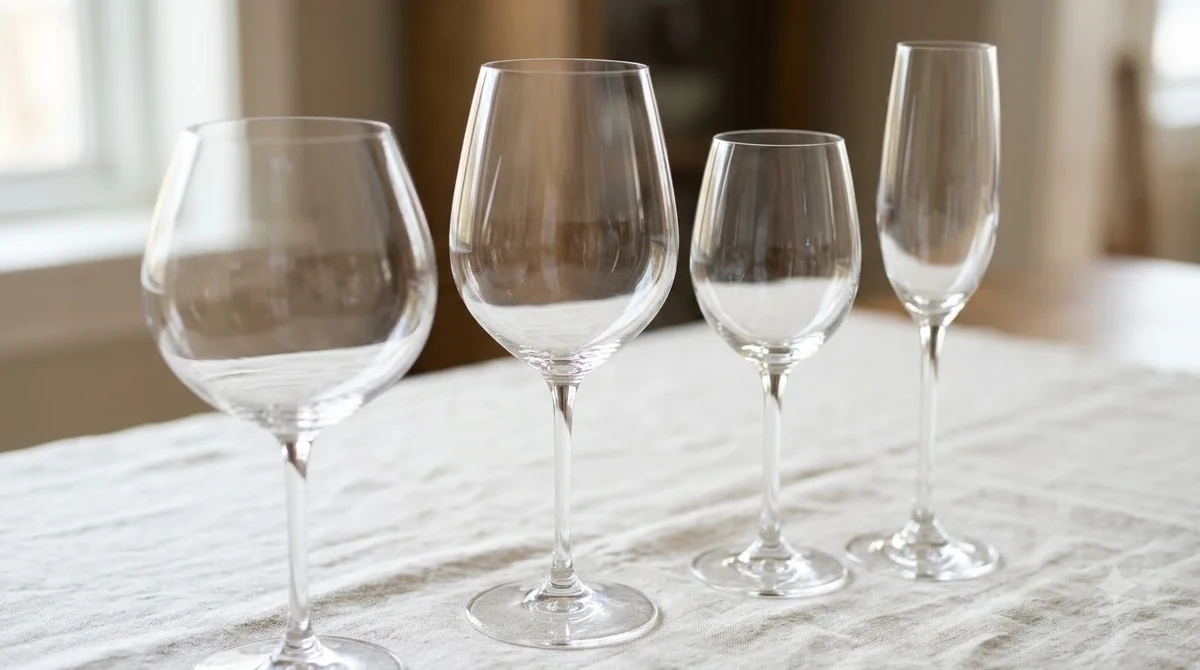
Serve chablis cool, between about 45 and 55 degrees Fahrenheit, which is cooler than room temperature but not ice cold. At this range the acidity stays lively and the mineral flavors come forward. Pour it into a standard white wine glass, which gives the aromas enough room to develop.
Chablis also ages well. Wine Folly notes that a good bottle can be cellared for ten years or more. Most drinkers still enjoy it young. If you open a bottle, keep the cork in place and store the rest in the refrigerator, since the wine tastes best when fresh.
Food pairings for chablis
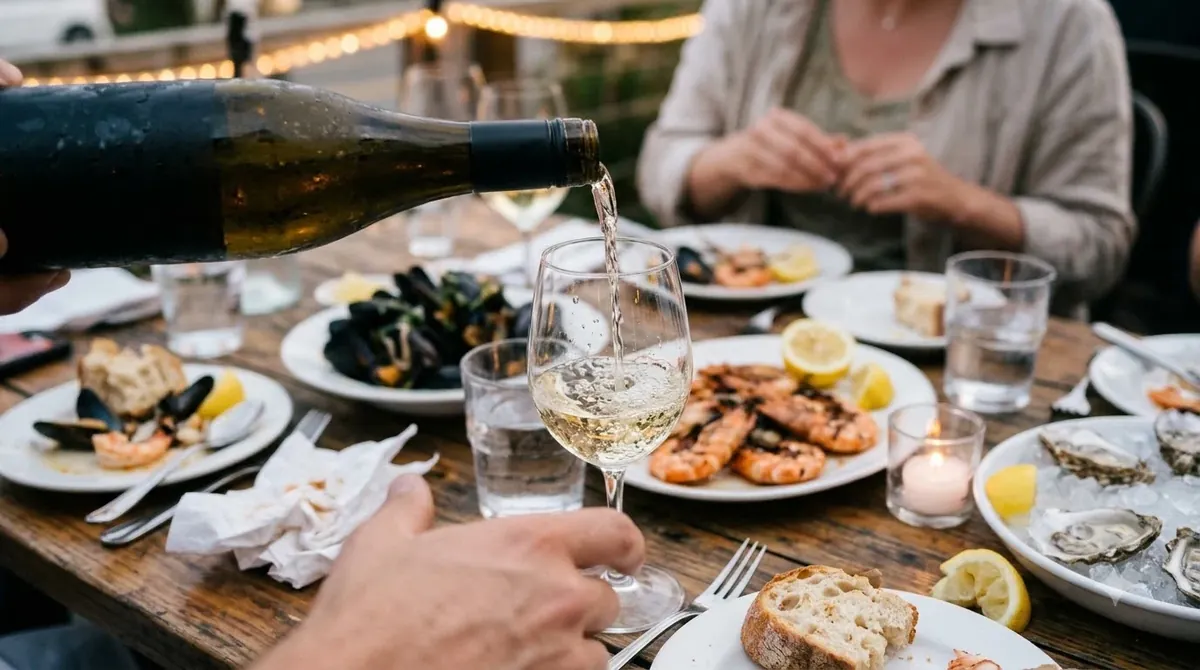
Chablis is one of the classic partners for shellfish. Wine Folly points to oysters as a natural match, because the wine’s salinity and acidity echo the flavor of the sea. Raw clams, mussels and shrimp work in the same way, and a squeeze of lemon over a plate of seafood makes the pairing even more harmonious.
Beyond shellfish, chablis suits grilled white fish, chicken dishes with herbs and light cream sauces. Its acidity helps cut through richness without making the food feel heavy. Goat cheese and fresh salads are also good options, especially when the dish has a little citrus or vinegar in it. The wine’s dryness makes it a useful partner for many meals that are hard to match with sweeter whites.
Who chablis suits and who might skip it
Chablis suits drinkers who enjoy crisp, dry whites and want a Chardonnay that is not dominated by oak. It is a good choice for people who like mineral, citrus-driven wines and for anyone who wants a versatile bottle for seafood dinners. It also works as an aperitif, since its freshness wakes up the palate before a meal.
It may not suit everyone. Drinkers who prefer buttery, toasty Chardonnay may find chablis too lean at first. Its quiet character also means it rewards attention rather than making a loud first impression. If you are used to sweet white wines, expect a dry, austere profile that takes a few sips to appreciate.
Frequently Asked Questions
Is chablis made from Chardonnay?
Yes. Chablis is made from Chardonnay, the same grape used across Burgundy. The cool climate and chalky soils of the Chablis district give the wine its lean, mineral style.
Is chablis sweet or dry?
Chablis is bone-dry. It has no residual sugar and tastes crisp, with medium-high acidity and flavors of lime peel, white flowers and chalk.
What temperature should I serve chablis at?
Serve it around 45 to 55 degrees Fahrenheit in a standard white wine glass. That range keeps the acidity lively and lets the mineral flavors show clearly.
Does chablis go with oysters?
It does. Chablis is a classic pairing for oysters and other shellfish because its salinity and acidity echo the flavors of the sea. A squeeze of lemon on the oysters makes the match even better.
Chablis rewards anyone who wants a dry, precise white wine with a clear sense of place. Try a bottle with simple seafood or a plate of grilled fish, and notice how the mineral finish holds up against the food. To keep exploring white wines, you can read more about assyrtiko grape styles, check the calories in white wine guide, or browse the Wine by Type section.
More in Wine Types & Grapes
 Zinfandel Sugar Content: Dry Red vs. White Zinfandel GramsUpdated Nov 21, 2026
 Best Zinfandel Substitute Options for Sipping and CookingUpdated Nov 21, 2026
 Zweigelt Food Pairing: Best Dishes, Cheeses, and Serving TipsUpdated Nov 21, 2026
 Zinfandel Tannins Explained: How Structure Shapes Every BottleUpdated Nov 21, 2026
 Zinfandel Sweetness Level: Dry Red vs. Sweet White Zin ExplainedUpdated Nov 21, 2026
 Xinomavro Food Pairing: Best Dishes, Styles, and Serving TipsUpdated Nov 21, 2026