

We may earn a commission when you buy through links on this page, at no extra cost to you. Learn more.
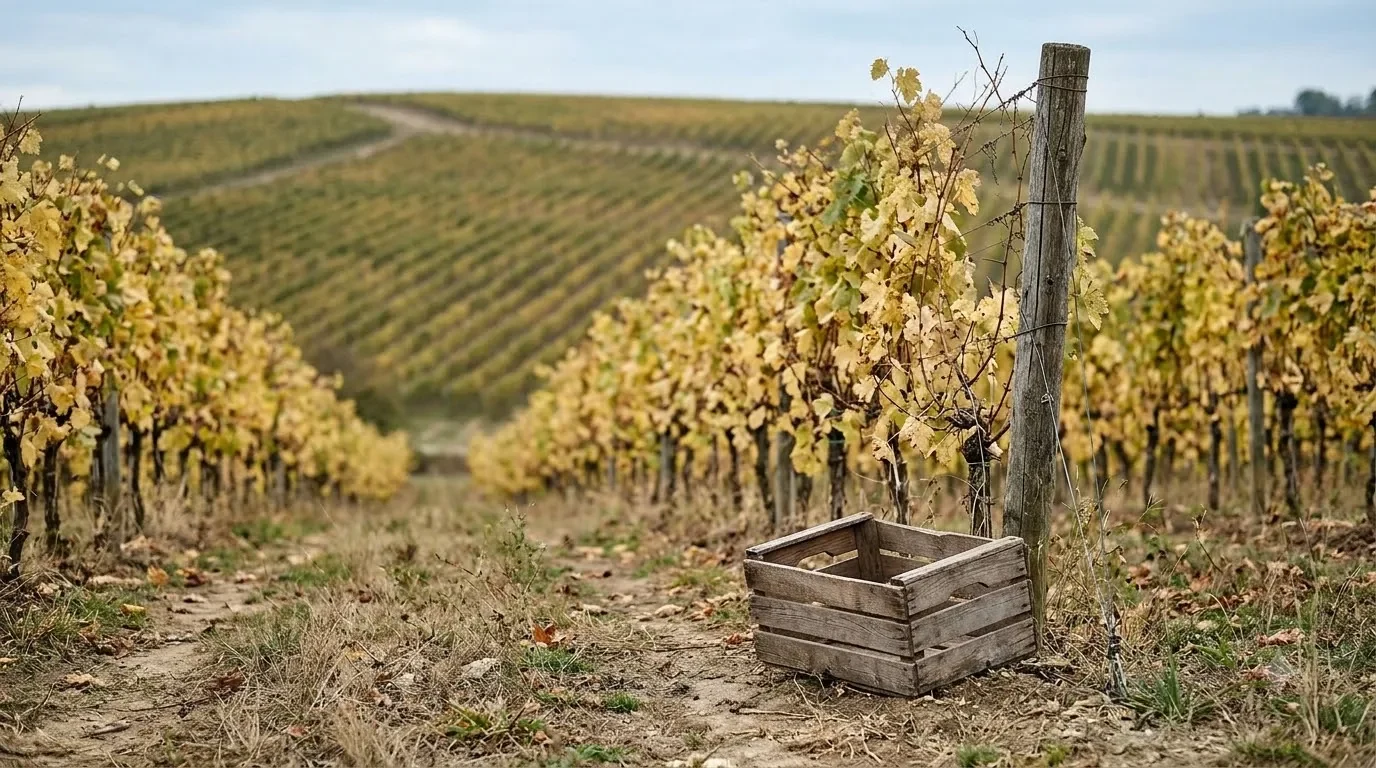
Monterey vineyards are planted across a large, cool stretch of the Central Coast of California, and they are best known for Chardonnay and Pinot Noir. The Monterey AVA runs roughly 100 miles from north to south in eastern Monterey County. Its northern vineyards are cooled by the ocean, while its southern valleys run warmer and grow Bordeaux varieties, Syrah, and Zinfandel.
This guide explains where the Monterey vineyards are, how the climate shapes what they grow, which subregions matter most, and how the area’s wines differ from those of other Californian regions.
Where the Monterey vineyards are
The Monterey AVA is a viticultural area in eastern Monterey County, California. It stretches about 100 miles from near Watsonville down toward the Paso Robles area, so the region covers a wide range of landscapes. The Central Coast location means the vines feel the influence of the Pacific, which is one reason the region is considered a cool-climate wine area.
The AVA was recognized on July 16, 1984, and was amended in 1987. Within it lie five smaller American Viticultural Areas: Arroyo Seco, Hames Valley, San Bernabe, San Lucas, and Santa Lucia Highlands. Each has its own soils and exposure, and many producers name the subregion on the label when they want to show where the grapes came from.
Climate and why it matters
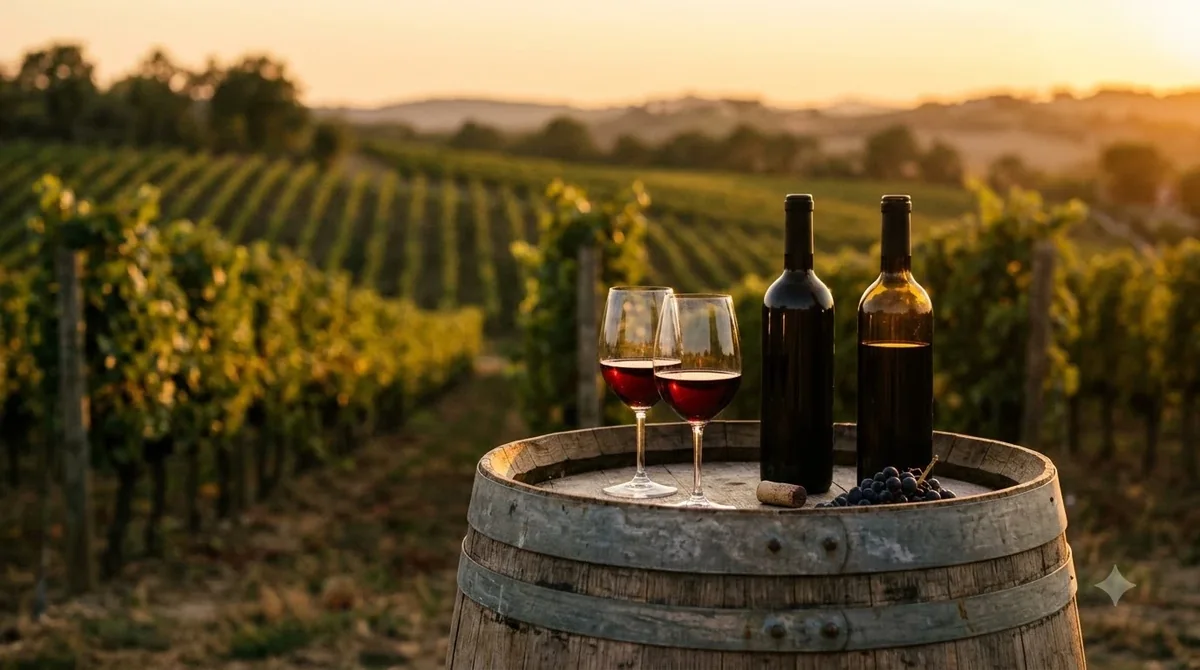
Climate is the main reason Monterey vineyards are so varied. According to the Monterey AVA entry on Wikipedia, the northern portion is cool with a very long growing season, and daytime highs rarely exceed 75°F (24°C) in most areas. The southern segments can reach 100°F (38°C) at times, which allows warmer varieties to ripen.
Rainfall is light in most of the region, and many vineyards depend on irrigation. Growers manage water and canopy carefully, because the balance between cool nights and warm days affects acidity and flavor. In practice, that means decisions about irrigation, leaf removal, and harvest timing can change the final wine as much as the ground beneath the vines does. A long, slow ripening season tends to keep the wines fresh, which is why the cooler northern vineyards are often praised for their precision.
The main grapes of Monterey
Chardonnay is the dominant variety. The Wikipedia entry on the AVA notes that it accounts for more than half of the vines in production. Chardonnay from the region can range from lean and crisp to fuller and creamier, depending on how much oak is used. Wine Folly’s Chardonnay guide describes the style spectrum well, from unoaked styles that lean toward green apple and citrus to oaked versions with stone fruit and vanilla notes.
Pinot Noir and Riesling are common in the cooler northern areas. In the warmer southern valleys, growers plant Bordeaux varieties, Syrah, and Zinfandel. That split means a single visit to the region can show you very different wine styles within an hour’s drive. Winemakers in the cooler areas often talk about retaining natural acidity, while those in warmer valleys focus on ripeness and concentration. Both approaches show up on the shelf, so comparing a northern and a southern bottle of the same grape is one of the most instructive exercises you can do with this region.
| Area of Monterey | Typical climate | Grapes you will often see |
|---|---|---|
| Northern vineyards | Cool, long growing season | Chardonnay, Pinot Noir, Riesling |
| Central and Santa Lucia Highlands | Cool to moderate with marine influence | Chardonnay and Pinot Noir |
| Southern valleys | Warmer, with hotter afternoons | Bordeaux varieties, Syrah, Zinfandel |
Subregions to know
The five subappellations give you a way to read a Monterey label more precisely. Arroyo Seco and Santa Lucia Highlands are two names you will see often, and they point to different soils and exposures than the broader AVA. When a label names a subregion, it tells you the grapes came from a narrower piece of the map.
If you already know the names of individual estates in the area, you can use them to compare how each site expresses the same grape. Our guide to Calistoga vineyards is a useful contrast, since it shows how a warmer valley in another part of California can produce a very different Chardonnay and red wine style.
How to serve and pair Monterey wines
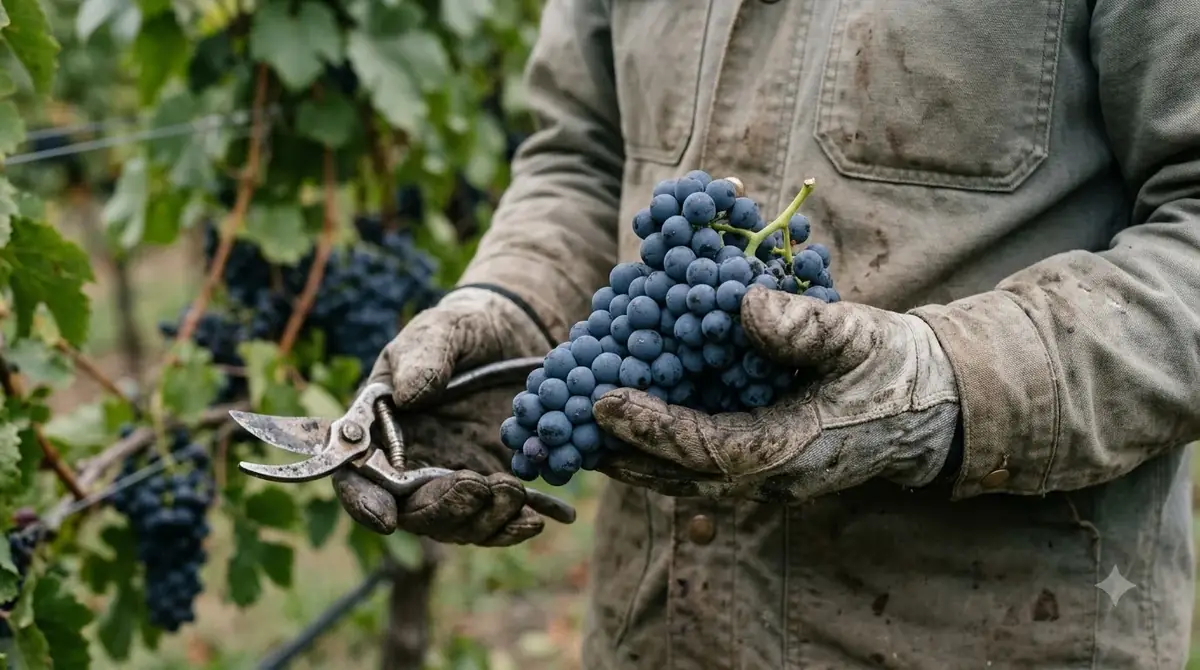
Monterey Chardonnay is a versatile white. Lean, unoaked versions suit oysters, sushi, and sauteed fish. Oaked styles pair well with richer dishes such as crab cakes, halibut, or pork tenderloin with apples. Wine Folly recommends serving Chardonnay in a range of temperatures, with leaner styles closer to 45°F (7°C) and oaked styles around 55°F (12°C).
Pinot Noir from the cooler northern vineyards is light to medium in body, with bright red fruit and fine acidity. It goes well with roast chicken, mushrooms, and salmon. The warmer southern reds can handle heartier fare, such as grilled meats and braised dishes.
Tip: When you buy a Monterey Chardonnay, check whether the label mentions oak aging. The phrase usually tells you whether to expect a crisp, citrus-driven wine or a rounder, more buttery one.
How to choose a Monterey wine
Start by deciding what you want from the glass. If you like bright acidity and a clean finish, look for cooler-region bottlings and lean styles. If you prefer richness, look for oaked Chardonnay or warmer southern reds. Reading the subregion on the label can also help, because a Santa Lucia Highlands bottle and a bottle from another area may taste noticeably different.
It also helps to know that the region has many smaller producers alongside larger brands. Tasting rooms in the area often let you compare styles side by side, which is a good way to learn how the cool climate shapes the fruit. When you taste, pay attention to the balance between acidity and fruit. A wine from a cooler site tends to finish with a crisp line, while a wine from a warmer site often carries more weight on the palate. Keeping notes on these differences will help you choose bottles that match your taste in future purchases.
For a broader view of how this coastal region compares with other American wine areas, our Wine Regions guide places Monterey beside its neighbors and explains the climate differences that matter most.
Frequently Asked Questions
What are Monterey vineyards known for?
Monterey vineyards are best known for Chardonnay, which is the dominant variety, along with Pinot Noir in the cooler northern areas. The region also grows Bordeaux varieties, Syrah, and Zinfandel in its warmer southern valleys.
Is Monterey a cool-climate wine region?
Much of it is. The northern portion is cool with a long growing season, and the ocean influence keeps many vineyards cooler than inland parts of California. The southern segments can run much warmer during the day.
How many subappellations are in the Monterey AVA?
The Monterey AVA contains five smaller AVAs: Arroyo Seco, Hames Valley, San Bernabe, San Lucas, and Santa Lucia Highlands. Labels that name one of them point to a narrower source within the larger region.
What wine should I try first from Monterey?
A Chardonnay is a good place to start, since it is the region’s signature white. Choose a lean, unoaked style if you want freshness, or an oaked version if you prefer a fuller, creamier glass.
Monterey vineyards reward curiosity. Start with a Chardonnay, then compare a cool northern Pinot Noir with a warmer southern red. You can continue the exploration with our Arizona vineyards guide to see how a very different climate changes the same grape families.
More in Wine Regions
 Willcox Wine Trail: Discover Arizona’s High-Elevation Wine CountryUpdated Nov 20, 2026
 Yakima Valley Wine Region: Find the Best Styles to TryUpdated Nov 20, 2026
 Vosne Romanee Wine Tasting: Identify Aromas and Choose Better PairingsUpdated Nov 20, 2026
 Yakima Valley Wine Festival: Find the Best Seasonal Wine EventsUpdated Nov 20, 2026
 Wales Vineyards: Discover Cool-Climate Wines and Where to VisitUpdated Nov 20, 2026
 Yountville Wine Festival: Discover Napa Wines and Local FoodUpdated Nov 20, 2026