

We may earn a commission when you buy through links on this page, at no extra cost to you. Learn more.
The Alicante Bouschet grape is a red variety known for its red flesh, deep color, and bold, smoky-sweet fruit. Most red grapes have clear juice, so their color comes only from the skins. This teinturier variety has red juice as well, which lets winemakers make wines with a very dark color. Wine Folly describes its main flavors as black cherry, blackberry, black plum, and black pepper, with an alcohol range of 13.5 to 15 percent ABV.
If you have seen Alicante Bouschet on a label and wondered what sets it apart from other reds, you are not alone. The grape is less famous than Cabernet Sauvignon or Pinot Noir, yet it shows up in bottles from Portugal, California, Chile, and parts of Italy and Spain. This guide explains where the grape came from, what its wine tastes like, how to serve it, and what to pair with it.
What makes the Alicante Bouschet grape different
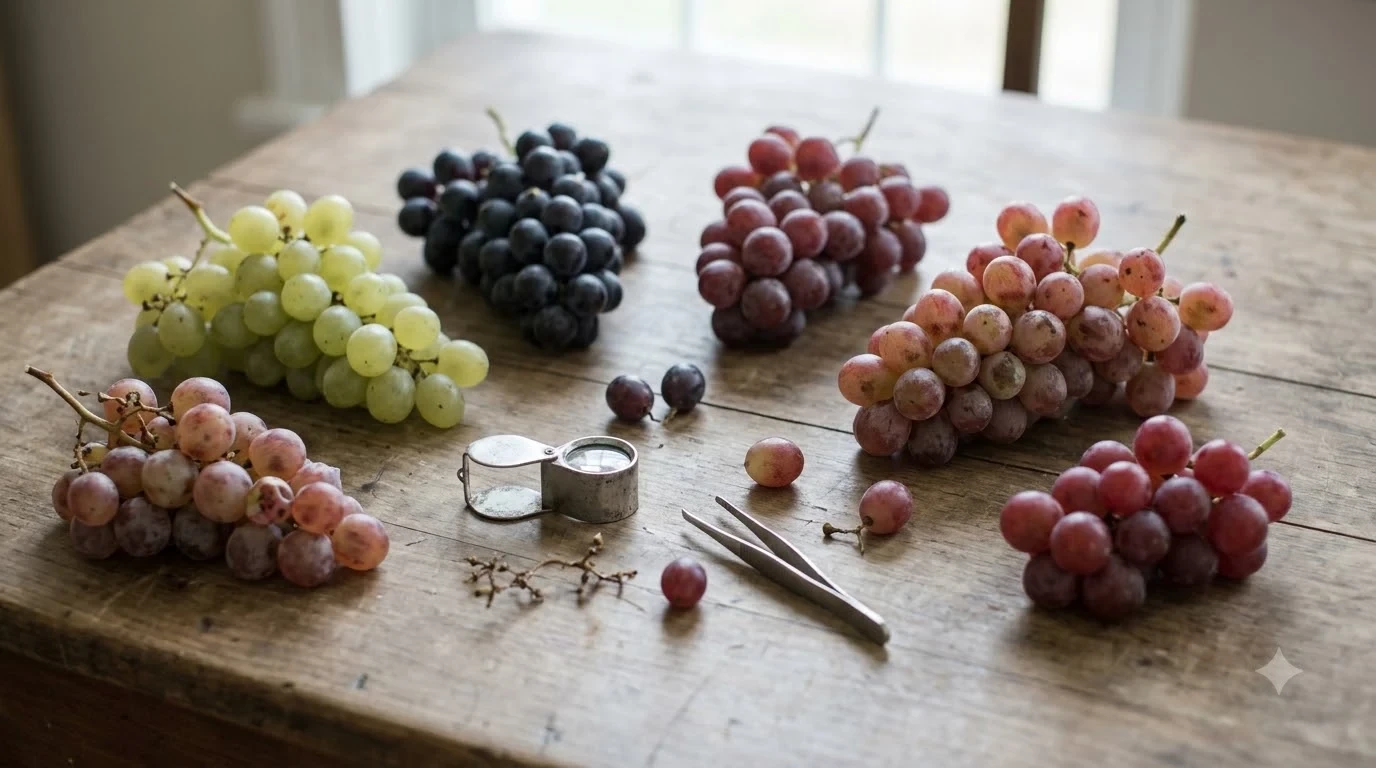
Alicante Bouschet is a cross of Petit Bouschet and Grenache, and the cross was made in France by Henri Bouschet, who first cultivated it in 1866. Its defining trait is that the flesh and juice are red, not clear. Wine Folly calls it a rare type of grape with both red skins and red flesh, known as a teinturier. Because the color is built into the fruit itself, the wine can stay deeply colored even after it is blended with lighter red wines.
Growers in the nineteenth and early twentieth centuries valued the vine for its high yields and easy care. Its thick skin and juicy pulp also made it practical to ship, and that helped it become a familiar grape in the United States. Today it is grown in smaller amounts than in the past, and most winemakers use it for a varietal wine or a deep-colored blend.
Flavor and style of the wine
The wine is dry and full-bodied, with medium-high tannins and medium acidity. Wine Folly describes the flavors as intense and smoky-sweet, with black cherry and blackberry bramble up front, followed by black plum, black pepper, and a note of sweet tobacco. That combination makes the wine feel rich without being overly soft.
The history of the grape also explains part of its character. During Prohibition in the United States, California growers valued its fleshy pulp and thick skin, which held up during rail shipments to New York City. The same deep color that made it useful for shipping also made it a handy tool for blending, since a small amount could add strong color to a lighter red wine.
The tannins give the wine a firm structure that pairs well with grilled and smoky dishes. Because the acidity is moderate rather than sharp, the wine tends to read as round and dark-fruited. Winemakers often use oak to add vanilla and spice, but the fruit remains the main story in most bottles.
Where Alicante Bouschet grows
Alicante Bouschet is most closely associated with Portugal, where the Alentejo region makes it into a varietal wine. According to the Wikipedia entry on the grape, it was first planted at Herdade do Mouchão in the late 1800s. In France it was historically a blending partner for Aramon, and its plantings there have fallen sharply over the last century.
The grape also grows in California, including Napa, Sonoma, Madera, and Calaveras, as well as in Chile, Algeria, central and southern Italy, and Spain. In Spain it goes by names such as garnacha tintorera. Because the grape is grown in such different climates, the style of the wine can shift a great deal from one producer to the next. A warm-climate bottle will usually taste riper and more concentrated than one from a cooler site.
How to serve Alicante Bouschet
Serve the wine a little cooler than room temperature. Wine Folly recommends a range of 60 to 68°F (15 to 20°C), served in a large glass that gives the wine room to open. Pouring into a wide bowl also helps the aromas reach your nose, which matters for a wine with so much dark fruit and pepper on the palate.
Decanting is worth the effort for a young bottle. Wine Folly suggests decanting for about 30 minutes before serving, which softens the tannins and lets the fruit show more clearly. If you plan to keep a bottle, the same source suggests cellaring it for five to ten years, though many bottles are enjoyed sooner.
| Trait | What to expect |
|---|---|
| Skin and flesh | Both red, so the juice is deeply colored |
| Alcohol | 13.5 to 15 percent ABV |
| Body | Dry and full-bodied |
| Tannin and acidity | Medium-high tannin, medium acidity |
| Serving temperature | 60 to 68°F (15 to 20°C) |
| Main flavors | Black cherry, blackberry, black plum, black pepper |
Food pairings that suit a bold red
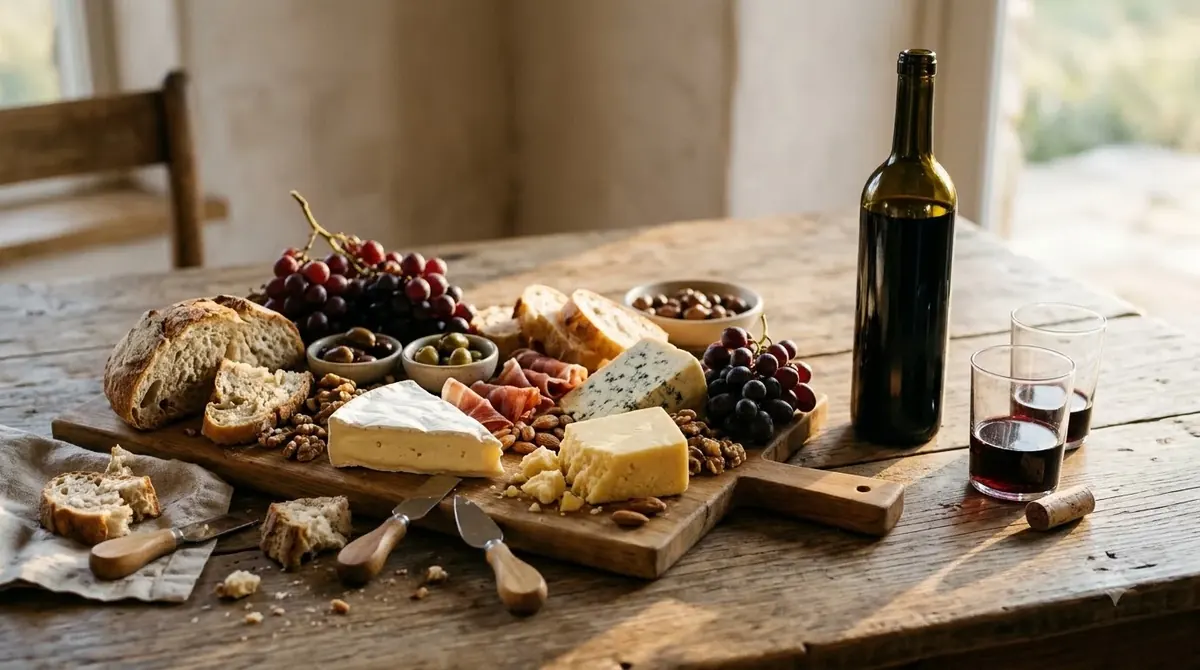
Because the wine has firm tannins and dark fruit, it works best with foods that have some char or richness. Wine Folly lists barbecue, teriyaki, carne asada, and grilled vegetables as good matches. The smoky notes in the food echo the wine’s own character, and the tannins cut through fat and sugar without overwhelming a simple dish.
For a meatless option, try grilled eggplant, peppers, or mushrooms with a little salt and olive oil. The wine’s pepper and dark fruit complement those flavors well. Avoid pairing it with delicate seafood or light salads, which will taste thin next to its weight.
How to choose an Alicante Bouschet bottle
Start by checking the label for the region and producer. A bottle from Alentejo or California will often show more ripe fruit, while one from a cooler site may feel leaner. If you want a wine that shows the grape’s deep color and smoky edge, look for a varietal bottle rather than a blend, since the blend will mix that character with other grapes.
Think about when you plan to drink it. A young bottle with bright fruit suits a weeknight barbecue, while an older bottle with softer tannins can handle a longer, slower dinner. Pair your choice with the food you plan to serve, and let the wine’s dark color guide you toward hearty dishes.
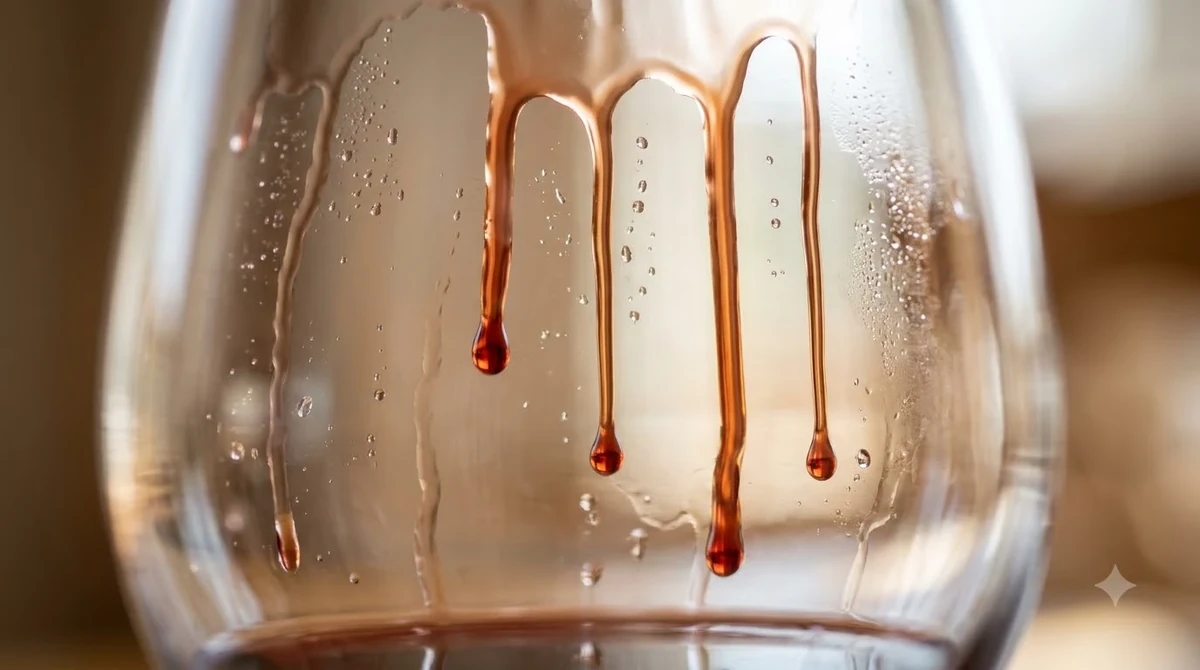
When you taste the wine, look first at its color. A deep, almost inky tone is typical of this grape, and it tells you the juice came from red flesh rather than only from the skins. Swirl the glass, then note the dark fruit on the nose before you take a sip. On the palate, the tannins should feel firm but not harsh, and the finish should carry black pepper and fruit for a while.
If a bottle tastes thin or sharp, it may be a young wine that has not yet softened, or a style made to stretch the fruit. Give it a short decant, or try it with a hearty dish. A bottle with a little time in the glass usually shows more of its fruit and spice than one poured straight from the cellar.
Frequently Asked Questions
Is Alicante Bouschet a red or white grape?
It is a red grape. Its skins are red, and unlike most red varieties, its flesh and juice are red too, which is why it is called a teinturier.
What does Alicante Bouschet wine taste like?
Wine Folly describes the flavors as black cherry, blackberry, black plum, and black pepper, often with a smoky, sweet-tobacco note. The wine is dry and full-bodied with firm tannins.
Should I decant Alicante Bouschet?
Decanting for about 30 minutes is recommended for a young bottle. It helps soften the tannins and lets the fruit come forward before you pour.
What foods go well with Alicante Bouschet?
Grilled and smoky dishes are a natural match, including barbecue, teriyaki, carne asada, and grilled vegetables. The wine’s tannins and dark fruit stand up well to char and richness.
Alicante Bouschet is an easy grape to enjoy once you know what it does. Its red juice and firm structure set it apart from most reds, and it rewards a simple grilled meal. To explore other grapes with their own character, read about the Assyrtiko grape or the Catawba grape, or browse the Wine by Type section for more options. For the grape’s origin and plantings, the Wine Folly Alicante Bouschet guide is a good next stop.
More in Wine Types & Grapes
 Zinfandel Sugar Content: Dry Red vs. White Zinfandel GramsUpdated Nov 21, 2026
 Best Zinfandel Substitute Options for Sipping and CookingUpdated Nov 21, 2026
 Zweigelt Food Pairing: Best Dishes, Cheeses, and Serving TipsUpdated Nov 21, 2026
 Zinfandel Tannins Explained: How Structure Shapes Every BottleUpdated Nov 21, 2026
 Zinfandel Sweetness Level: Dry Red vs. Sweet White Zin ExplainedUpdated Nov 21, 2026
 Xinomavro Food Pairing: Best Dishes, Styles, and Serving TipsUpdated Nov 21, 2026