


We may earn a commission when you buy through links on this page, at no extra cost to you. Learn more.
What is amontillado? It is a dry Spanish sherry that sits between fino and oloroso in both color and flavor. It starts its life under a layer of flor yeast, the same protective cover used for fino, but that layer eventually fails or is removed. Once it does, the wine ages through oxidation, which gives it a deeper amber color, a nuttier taste and more body. The style takes its name from Montilla in Andalusia, southern Spain, and it is one of the most recognizable sherries on the shelf.
If you have seen amontillado on a restaurant list or a shop shelf and wondered whether it is a wine you would enjoy, this guide covers the basics. You will learn where the style comes from, how it is made, how it tastes, how to serve it and which foods work with it. Most of what follows applies to amontillado sherry as a category, so the same ideas will help you choose a bottle with confidence.
Where the name and the style come from
Amontillado is a Spanish sherry, and its name points back to Montilla, a town in Andalusia. The style is generally traced to the 18th century. Over time, the word has also become a commercial term that describes any sherry in the middle range between the pale, bone-dry fino and the dark, rich oloroso. That is why you will see several bottles labeled amontillado that differ a little from one another in weight and sweetness.
Sherry as a whole is made mainly from the Palomino grape and aged in the solera system, where wine from older barrels is blended with younger wine over many years. Amontillado is one of several sherry styles produced this way, and it shares its roots with fino and oloroso. The Spanish sherry body, the Consejo Regulador, sets the rules that define the category. For an overview of all the sherry styles, the official sherry wine site lists the dry, medium and sweet categories side by side.
How amontillado is made
The production of amontillado begins the same way as fino. The young wine is fortified to about 15.5 percent alcohol, and a layer of flor yeast grows on the surface and limits contact with air. Flor gives fino its fresh, saline character. For amontillado, the flor either dies off, is killed by a higher dose of fortification, or fails naturally. When that happens, the cask stops being a fino and begins to age as amontillado.
At that point the wine is fortified again, to around 17.5 percent, and it is aged slowly in casks, traditionally made from American or Canadian oak. Because the oak is slightly porous, air reaches the wine over a long period, and the wine oxidizes. This slow oxidation is what gives amontillado its color, its nutty depth and its savory finish. Producers blend casks within the solera to keep the flavor consistent from year to year, so the bottle you buy today tastes much like the one you bought a few years ago.
The result is a wine that keeps some of the lightness of fino at the start and gains some of the weight of oloroso at the end. The process is slow and the margin for error is small, which is one reason sherry is considered a specialist product.
How amontillado tastes
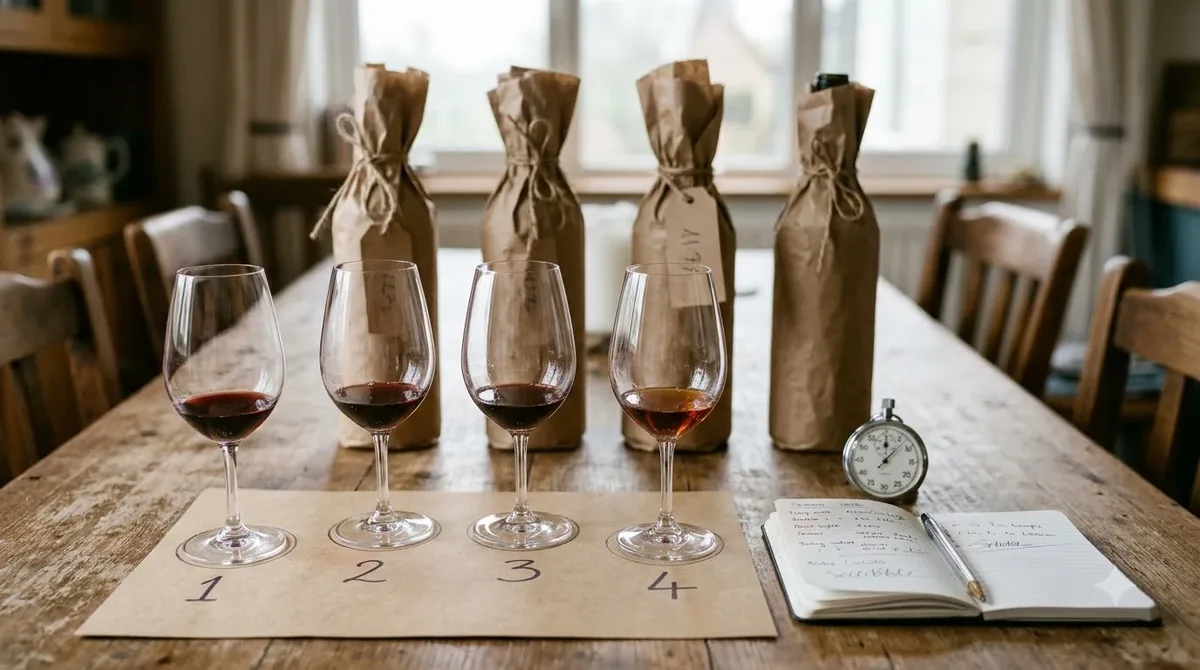
Amontillado is darker and richer than fino, and its color can range from golden to deep amber. On the nose, expect aromas of toasted nuts, dried herbs, a little tobacco and the oak it was aged in. On the palate the wine is dry, with a nutty core, savory notes and a long finish. Many drinkers describe it as more complex than fino and more restrained than oloroso, which tends to be fuller and more intensely oxidized.
Because the style comes from a fortified process, amontillado is stronger than most table wines. It is naturally dry, with very little residual sugar, and the wine is often lighter on the palate than its alcohol level suggests because of its acidity and savory character. Sweetness is not a feature of the true style. Since 2012, Spanish rules have stopped sweet versions from being sold under the amontillado name. Those sweeter wines are sold as Medium Sherry instead.
| Sherry style | Flor layer | Color | Main character |
|---|---|---|---|
| Fino | Kept throughout | Pale straw | Dry, saline, light |
| Amontillado | Fails or is removed | Golden to amber | Dry, nutty, savory |
| Oloroso | Never develops | Deep amber to mahogany | Dry, rich, intensely oxidized |
How to serve amontillado
Amontillado is best served slightly chilled rather than warm. Wine Folly suggests serving sherry in general around 55 to 60 degrees Fahrenheit, which is a little cooler than room temperature. A small chill brings out the freshness and keeps the nutty flavors from feeling heavy. Pour it into a small, tulip-shaped glass that concentrates the aromas, or a dessert-size glass if that is what you have on hand.
Amontillado keeps well once opened, although it is not designed to last for months the way a still red might. Store the bottle upright with the cork or cap in place, and keep it in a cool place. Drink it within a few weeks, and try to finish it sooner than you would a typical white wine, since oxidized wines lose their brightness over time.
Food pairings that work with amontillado
Amontillado is an unusually food-friendly wine because its nutty, savory character matches many dishes that are not easy to pair with other styles. Traditionally it has been served as an aperitif, and it pairs well with small plates and salty snacks. Roasted almonds, olives, cured ham and aged cheeses are all natural partners, and the wine can cut through rich flavors without overwhelming them.
For a main course, think about light meats and savory broths. Chicken and rabbit are common matches in Spain, and the style was once served with a light beef consommé. Wine Folly also mentions barbecue ribs, where the smoky, sweet sauce is balanced by the wine’s dryness and acidity. If you are cooking with amontillado, a small splash added to a pan sauce or a soup can add depth. Use it sparingly so the flavor stays balanced.
Dry wines from other regions can also be good companions at the table. If you enjoy the savory side of amontillado, you may want to explore assyrtiko grape wines, which share a mineral, saline character, or read about the Wine by Type guide to compare other dry styles.

Who amontillado suits and who might skip it
Amontillado suits people who enjoy dry, savory wines and want something more complex than a pale, light sherry. It is a good choice for drinkers who like nutty flavors, dark coffee notes or the aromas of aged wines. It can also be a useful introduction to oxidized styles if you have tried other wines and want to see what the category offers.
It may not suit everyone. If you prefer sweet wines or crisp, fruity whites, amontillado can taste sharp or austere at first. Its flavor is quiet rather than bright, so it works best when you are ready to slow down and enjoy it. Starting with a small glass and a simple snack is often the easiest way to decide whether it becomes a regular choice.
Frequently Asked Questions
Is amontillado sweet or dry?
Amontillado is naturally dry. The style is defined by its dry, nutty character, and Spanish rules since 2012 have kept sweet wines from using the amontillado name. Sweeter sherries are sold as Medium Sherry.
What is the difference between amontillado and fino?
Fino stays under a layer of flor yeast, which keeps it pale, fresh and saline. Amontillado begins as a fino, but the flor fails or is removed, and the wine ages through oxidation. That process makes it darker, richer and nuttier.
How should I serve amontillado?
Serve it slightly chilled, around 55 to 60 degrees Fahrenheit, in a small glass. A cool temperature keeps the flavors lively. Once opened, drink it within a few weeks for the best taste.
What foods go well with amontillado?
Roasted almonds, olives, cured ham and aged cheeses are classic matches. For meals, chicken, rabbit and barbecue ribs pair well because the wine’s dryness and savory notes balance rich flavors.
Amontillado is a rewarding sherry for anyone who wants a dry, complex wine with real character. Try a glass with a simple snack before a meal, and you will quickly see why the style has lasted for centuries. For more background on the families of wine you may encounter next, browse the Wine by Type section.
More in Wine Types & Grapes
 Zinfandel Sugar Content: Dry Red vs. White Zinfandel GramsUpdated Nov 21, 2026
 Best Zinfandel Substitute Options for Sipping and CookingUpdated Nov 21, 2026
 Zweigelt Food Pairing: Best Dishes, Cheeses, and Serving TipsUpdated Nov 21, 2026
 Zinfandel Tannins Explained: How Structure Shapes Every BottleUpdated Nov 21, 2026
 Zinfandel Sweetness Level: Dry Red vs. Sweet White Zin ExplainedUpdated Nov 21, 2026
 Xinomavro Food Pairing: Best Dishes, Styles, and Serving TipsUpdated Nov 21, 2026