

We may earn a commission when you buy through links on this page, at no extra cost to you. Learn more.
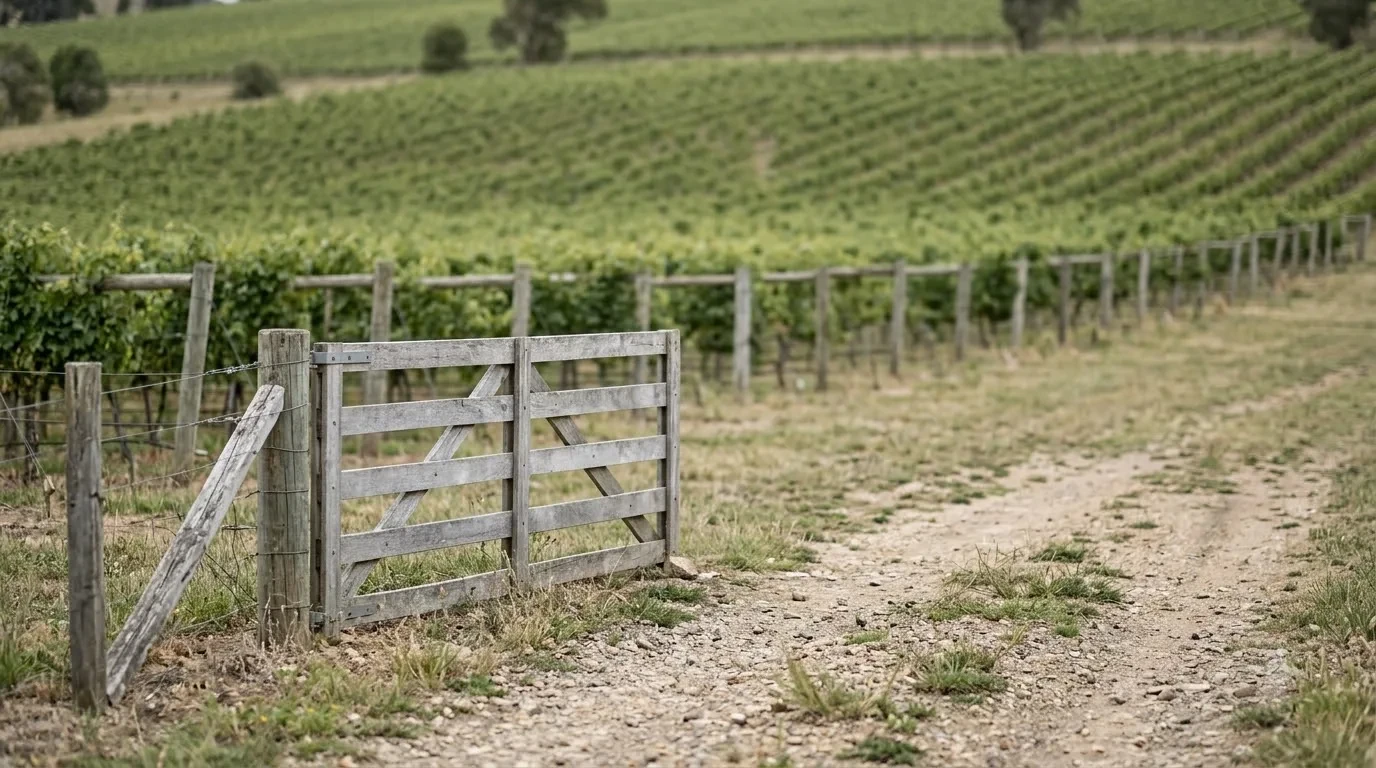
Atlas Peak vineyards are high-elevation sites in eastern Napa Valley’s Vaca Range, where mountain conditions and volcanic soils favor Cabernet Sauvignon and other Bordeaux varieties. The appellation’s growing sites range from 760 to 2,600 feet. Bright exposure, cooler summer temperatures, shallow rocky soils, and steep terrain give Atlas Peak a distinct place within Napa Valley.
For wine drinkers, Atlas Peak is a useful name to recognize when looking for mountain-grown Napa Cabernet, as well as Chardonnay from the cooler Foss Valley area. It identifies a defined American Viticultural Area, not one vineyard or winery, and its boundaries cover far more land than the acreage actually planted to vines.
Where Atlas Peak Sits Within Napa Valley
Atlas Peak occupies the eastern side of Napa Valley in the Vaca Mountain range, northeast of the city of Napa. The Atlas Peak Appellation Association says the appellation lies mainly in Soda Canyon and Foss Valley, east of Yountville and above the foothills of Stags Leap District.
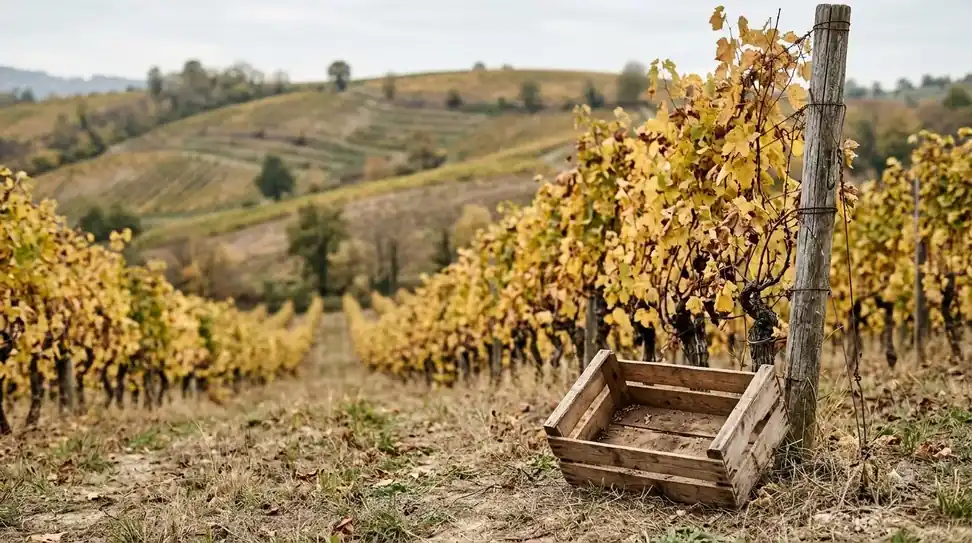
The mountain setting separates Atlas Peak from the broad, lower valley floor. Vineyards climb slopes and extend into elevated pockets, where elevation, exposure, and canyon shape affect growing conditions. Nearby Napa areas include Stags Leap District, Coombsville, and Pritchard Hill, but Atlas Peak has its own boundary and growing conditions. It is one of Napa Valley’s nested American Viticultural Areas, a system that lets a wine label identify a more specific origin within the larger region. Readers learning the difference between an appellation, a winery, and a vineyard can start with these wine-region terms.
A map is useful when planning a visit because the appellation is a mountain area, not a compact tasting-room village. Soda Canyon Road leads into the elevated district, and wineries can be separated by winding roads and changes in slope. Two producers may use the same AVA name while farming sites at different elevations or on different sides of a canyon. Those differences can affect sunlight, soil depth, and the timing of ripening, so the appellation name is a starting point rather than a complete description of a wine.
Elevation, Fog, and the Growing-Season Climate
Atlas Peak’s vineyard sites range from about 760 to 2,600 feet above sea level, while the summit of Atlas Peak reaches 2,663 feet. Napa Valley Vintners reports summer temperatures roughly 10 to 15 degrees Fahrenheit cooler than on the valley floor, with summer temperatures rarely rising above 90 degrees.
Much of the appellation lies above the fog line, giving hillside vines direct sunlight even when fog lingers lower in Napa Valley. The regional association describes cool, wet winters and warm, dry summers, with full daytime sun followed by a nighttime temperature drop. Rainfall can reach 38 inches annually, according to Napa Valley Vintners, but the shallow volcanic soils retain limited moisture. Irrigation is often essential, particularly where rocky ground drains quickly and soil depth is low. This combination of sunlight, cooler summer conditions, and limited water storage helps explain why block-level site details matter as much as elevation alone.
The figures below show the difference between the full appellation and its planted vineyard area. The total AVA acreage includes rugged land beyond the vines, so it should not be mistaken for a continuous vineyard landscape.
| Measure | Atlas Peak figure | What it describes |
|---|---|---|
| Vineyard elevation range | 760–2,600 feet | Reported elevation of growing sites |
| Highest peak | 2,663 feet | Summit elevation in the region |
| Total AVA area | 11,400 acres | Land inside the appellation boundary |
| Planted vineyard area | 1,500 acres | Area identified as planted to vineyards |
| Annual rainfall | Up to 38 inches | Regional figure reported by Napa Valley Vintners |
The Atlas Peak Appellation Association reports 11,400 total acres and 1,500 planted acres; Napa Valley Vintners supplies the vineyard elevation and rainfall figures. The 2,663-foot summit is higher than the reported vineyard range because it describes the peak itself, not the upper limit listed for growing sites. For comparison, Atlas Peak’s mountain conditions differ from warmer valley-floor areas such as Oakville and St. Helena, where summer temperatures commonly run higher.
Volcanic Soils and the Shape of the Vineyards
Rocky volcanic ground is one of Atlas Peak’s defining features. The appellation association describes the soils as red and basaltic, generally shallow and well-drained, with steep slopes and prominent rock outcrops across the mountain terrain.

These conditions shape vineyard design and vine growth. A shallow soil profile stores less water than deep valley-floor soil, while fractured rock can drain rapidly after rain. Growers must adapt irrigation, rootstock, and canopy management to individual blocks rather than assume every hillside parcel behaves in the same way. Limited soil moisture can help restrain vine vigor in a dry summer, but it also makes water planning essential. There is no single “volcanic soil” taste: rock type, soil depth, slope aspect, and elevation all contribute to differences among sites.
Foss Valley adds another dimension. The association describes newer alluvial soils in the elevated valley and volcanic terrain on the surrounding hillsides. Chardonnay is primarily planted in the alluvial soils of Foss Valley, while Cabernet Sauvignon and other Bordeaux varieties are associated with the volcanic mountain slopes. That contrast is a reminder that Atlas Peak is not exclusively a Cabernet landscape. The appellation includes distinct landforms within a relatively compact growing region, and different grape varieties can suit different parts of it.
The planted footprint is small compared with the full AVA boundary. Steep terrain, forested slopes, rock outcrops, access, and water supply restrict where commercial vineyards can be established. The association reports 1,500 vineyard acres within an 11,400-acre appellation, so vineyards occupy selected sites rather than forming a continuous carpet across the mountain.
Tip: When comparing two Atlas Peak Cabernets, look beyond the AVA name. Ask whether the fruit comes from a high, rocky slope or an elevated valley site, and whether the producer identifies a specific vineyard or block.
Grapes and Wine Styles to Look For
Cabernet Sauvignon is the signature grape of Atlas Peak, with Cabernet Franc, Merlot, and Petit Verdot among the other Bordeaux varieties grown here. Chardonnay is the other principal variety identified by Napa Valley Vintners, while the regional association also lists Malbec, Marsanne, Sauvignon Blanc, Syrah, Sangiovese, and Zinfandel.
Cabernet Sauvignon is the natural starting point for a first bottle. The regional association identifies Atlas Peak with mountain Cabernet and Bordeaux varieties, and local winemakers describe the wines as showing balance, fruit, and structural presence. Styles vary by producer, but mountain exposure, cooler summer conditions, and rocky soils can support concentrated dark-fruit flavors with firm structure. Cabernet is naturally high in tannin, so a dry, gripping finish is not unusual, particularly in younger bottlings. A few minutes of air can soften the first impression, while a young, full-bodied red may benefit from 30 to 60 minutes in a decanter.
Blends offer another way to explore the area. Cabernet Franc can add aromatic lift, Merlot can soften the middle of a blend, and Petit Verdot can contribute color and structure. Malbec and Syrah add further options, while some older Zinfandel plantings remain part of the local story. Chardonnay deserves attention too, especially from Foss Valley’s alluvial soils. Together, these varieties make Atlas Peak a mountain appellation with a clear red-wine center of gravity, but more range than a single-grape reputation suggests.
Comparisons with other wine regions can clarify the role of local grapes. Sangiovese, for example, defines Chianti Classico vineyards, while Cabernet Sauvignon anchors Atlas Peak’s reputation. The point is not to rank the regions; it is to see how terrain, tradition, and grape choice give each appellation a recognizable identity.
Vineyard History and the Producers Behind the AVA
Commercial grape growing on Atlas Peak dates to the nineteenth century. The Atlas Peak Appellation Association reports that the first vineyards were planted in 1870, followed by steady vineyard-acreage growth between 1880 and 1901. The first winery was established in the early 1980s, and the appellation received official American Viticultural Area status in 1992.
The modern story is closely linked with the Antinori family and Antinori Napa Valley. An account published by the appellation association says the family selected the area in 1985 after studying potential Napa sites. Mountainous terrain, high elevation, rocky soils, and good drainage were central to the choice. The association also reports that Atlas Peak growers supply fruit to dozens of wineries in Napa and Sonoma counties, extending the appellation’s influence beyond producers whose winery addresses are on the mountain.
Antinori Napa Valley is a prominent estate presence, but the region is not represented by one producer alone. Local growers may bottle wine under their own labels or sell grapes to other Napa and Sonoma wineries. Producers and wines associated with Atlas Peak include Antinori Napa Valley, Pahlmeyer, Reverie II, and Seven Apart. Regional tasting events have brought together Cabernet Sauvignon, Cabernet Franc, Merlot, Chardonnay, and red blends from different vineyard sources, showing how the same AVA can accommodate several winemaking approaches.
The distinction between vineyard and winery matters when reading a label. A grower may farm a parcel and sell its grapes to a separate winery, while an estate producer can grow, make, and bottle its own wine. A bottle labeled Atlas Peak may therefore come from a producer based elsewhere in Napa Valley, or from a winery in another county that buys fruit from the appellation. The AVA identifies where the grapes were grown; the producer name identifies who made the wine.
Planning a Visit and Tasting Atlas Peak Wines
Atlas Peak is an appointment-led wine destination rather than a compact row of tasting rooms. Many properties sit on winding mountain roads, so plan the route and confirm the appointment before driving up from Napa.
Antinori Napa Valley offers a clear example of the estate format. Its private seated tastings are by reservation Tuesday through Saturday, and the Estate Experience is offered at 10 a.m. and 2 p.m. The 90-minute visit includes a look at historic caves, an overview of the Antinori family’s wine history, and a curated tasting of four limited-production wines with light bites. The estate gives priority to active members, and an appointment request is not confirmed until the team sends a confirmation email. Guests must be at least 21, and pets are not permitted. See the estate’s current tasting details before making plans.
Before booking, decide whether you want to focus on Cabernet Sauvignon, compare a red and a white, or learn about the mountain vineyard sites. Ask how many wines are included, whether the tasting is seated, whether a vineyard walk is part of the visit, and how much time to leave between appointments. A tasting that explains the difference between a rocky hillside block and an alluvial valley site can be more informative than one that simply pours several bottlings. For a short visit, one carefully chosen estate experience may be more satisfying than squeezing distant appointments into a tight schedule.
Serving temperature and food can help show the wine’s structure. Serve a full-bodied Atlas Peak Cabernet at about 60 to 65 degrees Fahrenheit; a light chill can keep alcohol from dominating the fruit. Serve Chardonnay around 50 to 55 degrees, and a lighter red blend closer to 55 to 60 degrees. Pour about 5 ounces per glass. Cabernet’s high tannin works well with grilled beef, lamb, and mushroom-rich dishes because salt and fat soften tannin. Avoid pairing a firm, tannic red with delicate oily fish, and take care with very spicy food because alcohol and tannin can amplify chili heat. Readers interested in a different cool-climate comparison can explore Tasmania vineyards. When buying, start with the grape and producer, then use vineyard or block details to refine the choice. An Atlas Peak Cabernet is generally a more structured option than a soft, early-drinking red, but vintage, blending, oak treatment, and harvest decisions still shape the bottle. A Merlot-led blend may offer a softer entry point; a Cabernet-led wine with firm tannin may suit a substantial meal or a longer cellar rest. The AVA name narrows the geography, while the producer’s notes help you choose a style.
Frequently Asked Questions
These answers cover the appellation’s place within Napa Valley, its regulatory status, and the geographical restrictions that shape its vineyard footprint.
How many nested AVAs are there in Napa Valley?
Napa Valley contains 17 nested AVAs within the broader Napa Valley AVA. Atlas Peak is one of these geographically specific appellations, allowing a label to identify a mountain growing area rather than only the valley-wide origin.
Which agency approves an American Viticultural Area?
The federal Alcohol and Tobacco Tax and Trade Bureau administers AVA recognition. An application must support the proposed regional name, explain the geographic or climatic features that distinguish the area, and provide a written boundary description with appropriate topographic maps.
Why is only a small share of Atlas Peak planted with vines?
The appellation association says planting is prohibited on slopes steeper than 30 percent. Atlas Peak also contains rugged, forested terrain and extensive rock outcrops, so the full AVA boundary includes substantial land that is not planted as vineyard.
How does Atlas Peak sit in relation to other Napa appellations?
Atlas Peak lies just south of Pritchard Hill and north of Coombsville, with Stags Leap and Yountville to its west. Oak Knoll and Oakville are also nearby on the western side of the Napa Valley floor, but they are separate appellations with lower vineyard elevations.
Which Napa Valley AVA was Atlas Peak when approved?
Atlas Peak was named the sixth of Napa Valley’s nested AVAs when its petition was approved in January 1992. That ordinal describes the order of recognition, not a ranking of quality or vineyard size.
Atlas Peak is worth seeking out for mountain-grown Cabernet Sauvignon, contrasting Chardonnay sites, and a distinctive corner of Napa Valley. Start with the producer and vineyard details, then compare bottles across grapes and growing sites to find the style that suits your table.
More in Wine Regions
 Willcox Wine Trail: Discover Arizona’s High-Elevation Wine CountryUpdated Nov 20, 2026
 Yakima Valley Wine Region: Find the Best Styles to TryUpdated Nov 20, 2026
 Vosne Romanee Wine Tasting: Identify Aromas and Choose Better PairingsUpdated Nov 20, 2026
 Yakima Valley Wine Festival: Find the Best Seasonal Wine EventsUpdated Nov 20, 2026
 Wales Vineyards: Discover Cool-Climate Wines and Where to VisitUpdated Nov 20, 2026
 Yountville Wine Festival: Discover Napa Wines and Local FoodUpdated Nov 20, 2026