

We may earn a commission when you buy through links on this page, at no extra cost to you. Learn more.
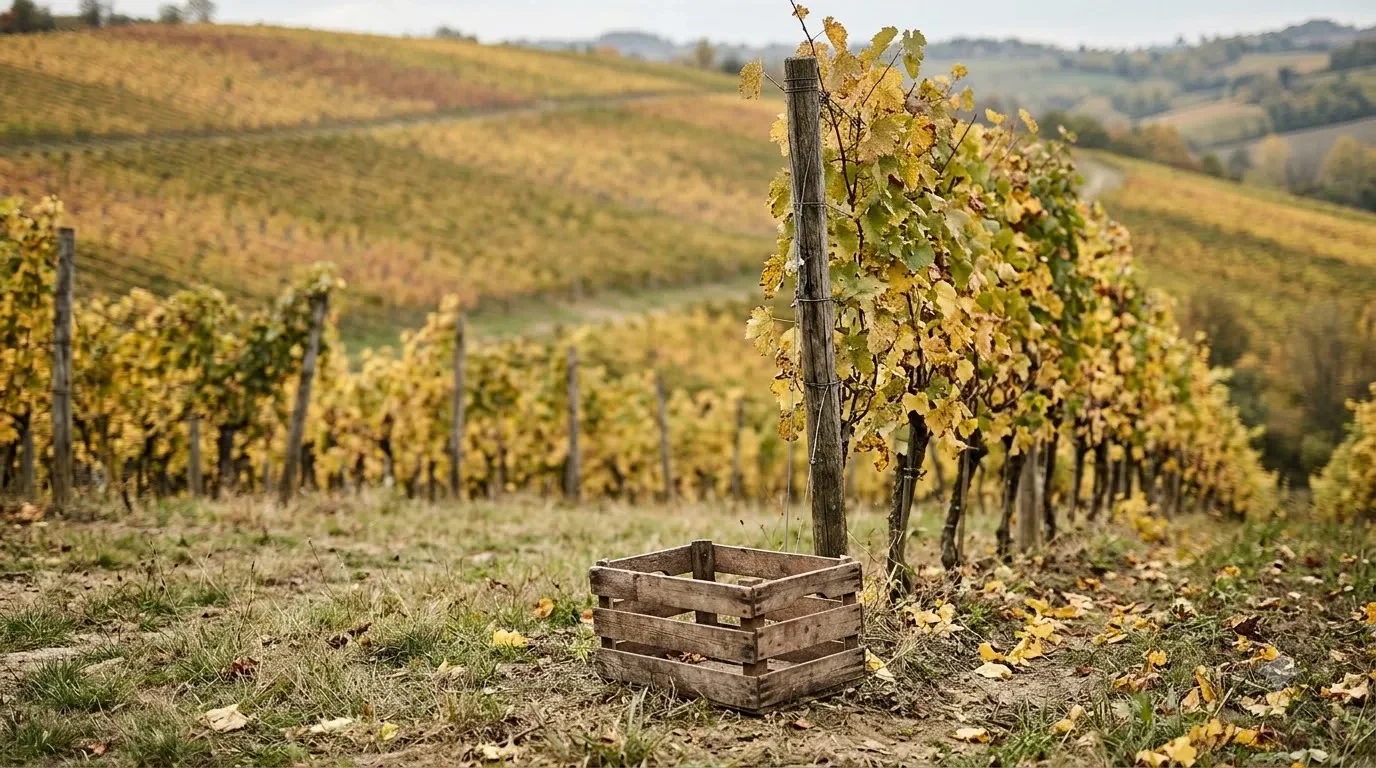
San Juan Vineyards is a winery on San Juan Island in Washington State, known for estate-grown wines made from cool-climate white grapes such as Madeleine Angevine and Siegerrebe. The estate sits near Friday Harbor in the Puget Sound AVA, and it was established in 1996. Its tasting room occupies a historic 1896 schoolhouse, which gives visitors a distinctive setting for a relaxed afternoon of tasting.
This guide covers what the winery is known for, how the island’s climate shapes its wines, what to expect on a visit, and how to choose a bottle. If you are comparing winemaking in other settings, the Arizona vineyards and Calistoga vineyards guides offer useful contrasts with a warmer, drier climate.
Where San Juan Vineyards Is Located
The winery is on San Juan Island, one of the islands in the San Juan archipelago in northwestern Washington. Its address places it on Roche Harbor Road near Friday Harbor, the island’s main town and ferry terminal. The site describes its climate as part of the Puget Sound AVA, a designation that covers a region of cool, maritime conditions shaped by the waters of Puget Sound.
Island location matters for both the vineyard and the visit. Getting to the island usually involves a ferry or a flight, so most visitors plan the trip around a full day or a weekend. The estate’s setting, with views over the water and a modern patio, is part of the experience. Because the winery is far from the mainland’s larger wine areas, it works as a destination in its own right rather than a stop on a long regional tour.
The Winery’s History and Identity
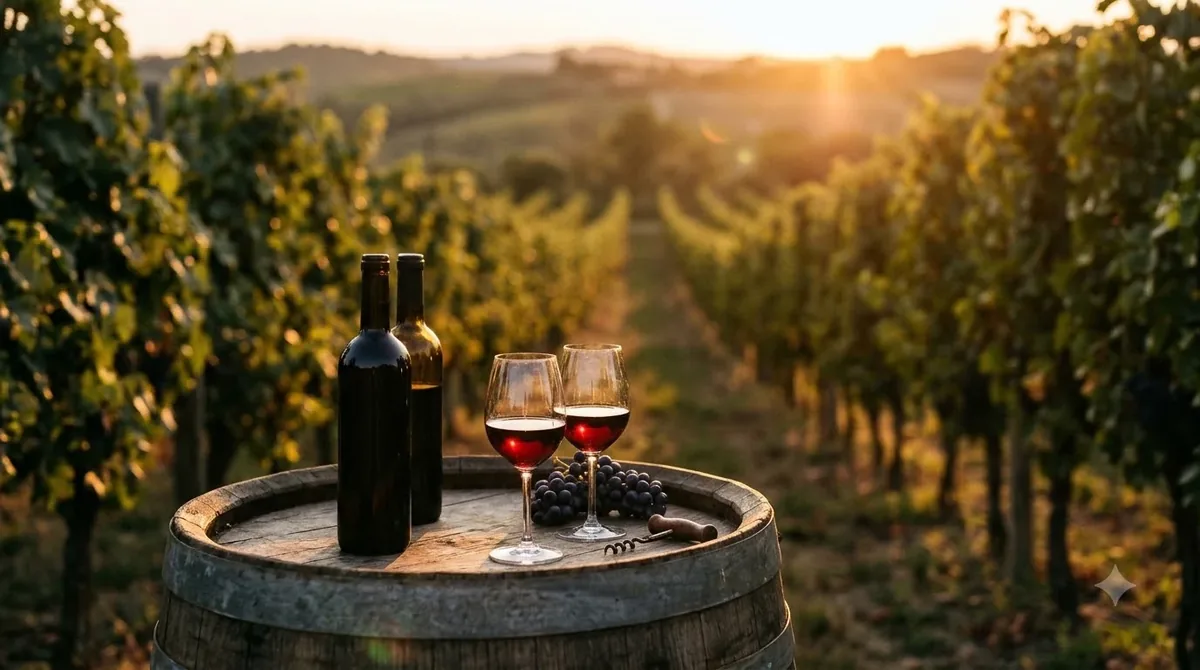
San Juan Vineyard was established in 1996, which places it among the newer estates in Washington’s wine landscape. The winery’s identity is closely tied to its island setting and to a focus on estate-grown fruit. Its tasting room is housed in a historic 1896 schoolhouse, and that heritage building has become one of the most recognizable features of the visit. A converted schoolhouse gives the tasting experience a sense of place that many modern tasting rooms cannot match.
The winery’s self-description emphasizes awards and estate wines, along with library releases and gift sets. Those categories give visitors a simple way to think about the range: everyday estate wines for regular drinking, older library bottles for those who want to explore aging, and gift sets for people buying as presents.
The Grapes Behind the Estate Wines
The winery highlights estate-grown wines and names Madeleine Angevine and Siegerrebe as key varieties. Madeleine Angevine is a white grape often grown in cool climates, and it typically produces aromatic, fresh wines with gentle fruit. Siegerrebe is another aromatic white, known for floral and fruity notes that many tasters find inviting. Both varieties suit a cool, damp maritime climate better than the grapes that dominate warmer regions.
Cool-climate whites like these tend to keep their acidity in a maritime setting, which is why many of them feel lively and clean on the palate even when the fruit is generous. Growers in cool regions often accept a shorter ripening window in exchange for that freshness, and the trade-off shapes the style of the finished wine. The official site does not list every grape planted on the estate, so visitors who want a complete picture should ask the tasting room staff which varieties are used in the current releases. The staff can also explain how each wine is made and which ones are best for a particular meal or occasion.
| Category | What the winery offers | Good for |
|---|---|---|
| Estate Wines | Wines made from fruit grown on the estate | Everyday drinking and first tastings |
| Library Wines | Older releases held back for aging | Collectors and readers curious about bottle age |
| Gift Sets | Curated groupings of wines in one package | Gifts and sampling a range in one purchase |
Visiting the Tasting Room
The tasting room is typically open Thursday through Sunday from noon to 5 pm, and the winery is closed Monday through Wednesday. Reservations are not required, which makes it easier to drop in during a day on the island. Check the official website before you travel, since hours can change with the season and holidays.
The space is family and pet friendly, and the winery sells snacks on site. Outside food is welcome, which is useful for a picnic-style visit. The modern patio with views is one of the best places to sit with a glass and watch the water, especially on a clear afternoon. Plan your visit so you have time to walk the grounds and talk with the staff. Arriving early in the opening window usually means a quieter tasting room and more time to ask questions about the wines on the list.
Tip: Ferries to San Juan Island can fill up in summer. Book transport early, and plan to taste at a relaxed pace so you can drive or walk back to the ferry without rushing.
How to Choose a Bottle From the Island
Start with the estate wines if you want to understand the winery’s core style. Estate releases usually reflect the fruit and climate of the island, so they give the clearest sense of what the place tastes like. Library wines suit readers who want to explore how a wine changes over time, while gift sets are useful if you cannot decide between styles and want a selection to share.
When you ask for recommendations, mention what you like to drink. Aromatic whites such as those made from Madeleine Angevine and Siegerrebe are often a good match for light seafood and salads. If you prefer heavier reds or oak-driven wines, you may want to compare the estate lineup with wines from other regions before deciding.
Who This Winery Suits Best
San Juan Vineyards suits visitors who enjoy island travel, scenic settings, and cool-climate whites. It is a good choice for couples, families, and small groups who want a relaxed afternoon rather than a crowded wine trail. The historic schoolhouse, patio, and island setting add to the appeal for people who like a destination with character.
It may be less suited to visitors who want a large selection of warm-climate reds or who plan to tour many wineries in one day. Because the island is a separate destination, a visit works best as part of a longer trip with time for other island activities, such as walking, whale watching, or local dining.
For readers who want to see how cool-climate and warm-climate wines differ, the wine regions guide explains how climate and soil shape style. Then, if you visit San Juan Island, plan for a slow afternoon, a glass on the patio, and a few estate wines to take home.
Frequently Asked Questions
Where is San Juan Vineyards located?
The winery is on San Juan Island in Washington State, on Roche Harbor Road near Friday Harbor. The site describes its climate as part of the Puget Sound AVA.
What are the tasting room hours?
The tasting room is open Thursday through Sunday from 12 to 5 pm and is closed Monday through Wednesday. Check the official website for any seasonal changes before you travel.
Do I need a reservation to visit?
According to the winery’s site, no reservations are required. The tasting room is family and pet friendly, and outside food is welcome.
Which grapes does San Juan Vineyards feature?
The winery highlights estate-grown wines made from Madeleine Angevine and Siegerrebe. Ask the tasting room staff about the current releases for a full list of varieties.
San Juan Vineyards offers a distinctive island visit with a historic tasting room and cool-climate white wines. Plan a relaxed afternoon, taste the estate lineup, and check the official winery website before you travel for current hours and offerings.
More in Wine Regions
 Willcox Wine Trail: Discover Arizona’s High-Elevation Wine CountryUpdated Nov 20, 2026
 Yakima Valley Wine Region: Find the Best Styles to TryUpdated Nov 20, 2026
 Vosne Romanee Wine Tasting: Identify Aromas and Choose Better PairingsUpdated Nov 20, 2026
 Yakima Valley Wine Festival: Find the Best Seasonal Wine EventsUpdated Nov 20, 2026
 Wales Vineyards: Discover Cool-Climate Wines and Where to VisitUpdated Nov 20, 2026
 Yountville Wine Festival: Discover Napa Wines and Local FoodUpdated Nov 20, 2026