

We may earn a commission when you buy through links on this page, at no extra cost to you. Learn more.
Calories in pinot gris follow the same rules as any white wine: alcohol content and residual sugar set most of the number, and the style of the bottle decides where it lands. Pinot gris is the French name for the grape that Italians call pinot grigio, so the grape is the same. The wine in the glass can still vary a great deal, and a richer Alsace-style pinot gris usually carries more energy than a lean, dry Italian bottle.
Pinot gris is a popular white wine in the United States, and shoppers who count calories often ask whether it differs from pinot grigio. This guide explains what changes the calorie count, how the regional styles compare, and how to make a practical estimate from the label and your pour.
Why the grape name does not settle the calorie question
The grape behind pinot gris and pinot grigio is the same, but winemaking decides the final glass. Producers can pick the fruit at different ripeness, leave more or less sugar in the wine, and choose whether to age it in oak. Each of those choices changes the alcohol and the body, and those two things are what drive calories.
Producers also differ in how they handle the wine after harvest. Some keep it on the lees, the spent yeast left from fermentation, which can add body and texture without adding sugar. Others age a portion in oak, which adds vanilla and spice notes but does not change the calorie count much on its own. The calorie driver is still alcohol and sugar, so these choices matter more for taste than for the number on a nutrition chart.
That means a calorie figure for pinot gris is only a rough guide. Two bottles with the same name can differ in energy, so the label and the producer’s description are more useful than the grape name alone.
How Alsace and Italian styles compare
The two best-known styles behave differently. Wine Folly’s pinot grigio and pinot gris guide describes Italian versions as usually totally dry, with high acidity and a lean, crisp profile. Alsace is described there as richer and fuller-bodied, with ripe orchard and tropical fruit, and the same source gives 11.5 to 13.5 percent alcohol by volume for the grape overall.
Because the Alsace style tends to be riper and fuller, it often carries more energy per glass than a dry Italian bottle. The Alsace region also makes sweet late-harvest and noble-rot wines, and those add calories through their residual sugar. If you see the words late harvest or sélection de grains nobles on a bottle, expect a noticeably higher count.
| Style | Typical body | Calorie tendency | How to spot it |
|---|---|---|---|
| Dry Italian style | Light, crisp, high acidity | Lower end of the white wine range | Often labeled pinot grigio or from Friuli or Veneto |
| Alto Adige style | Fuller, stone fruit and ginger notes | Mid range | Alto Adige or Südtirol on the label |
| Alsace style | Richer, ripe orchard and tropical fruit | Mid to higher range | Alsace on the label, often pinot gris |
| Late harvest | Sweet and concentrated | Higher, because of residual sugar | Late harvest or noble rot wording |
What drives the calorie count in a glass
Each factor works on its own, but they often move together. A riper, fuller wine usually has more alcohol, and a sweeter wine usually has a riper style, so a bottle that looks rich on the label often scores high on several factors at once. Reading the label as a whole, rather than checking one number, gives the clearest estimate.
Alcohol is the largest contributor in a dry pinot gris, so the alcohol percentage on the label is the first thing to check. Residual sugar comes next. A wine that tastes dry can still hold a small amount of sugar, and acidity can mask it, so the taste alone does not tell you the whole story.
Food changes the picture too. Pinot gris is often poured with rich dishes such as creamy pasta, roast chicken, or cheese, and the wine’s acidity helps cut through that richness. The calories from the meal are usually far larger than those in the glass, so the wine’s share is best judged as one part of the whole plate rather than as a standalone number.
Serving size matters as much as the bottle. A generous pour in a large restaurant glass can be far more than a measured serving, and that difference often outweighs the gap between two styles. Measuring a few pours at home is one of the simplest ways to learn your own habits.
Tip: Serve pinot gris cool, in a smaller glass, and pour a measured amount. Cool temperatures keep the wine crisp and make it easier to stop at one measured glass.
How to estimate your glass
Start with the label. Note the alcohol percentage and any words that point to sweetness or richness, such as late harvest or a producer description that calls the wine full-bodied. Then measure your pour. That gives you a practical estimate that is far more reliable than a single number copied from a website.
For a broader look at how white wines compare, the calories in white wine guide covers the main factors across styles. If you are comparing the Italian name, the calories in pinot grigio guide explains the dry style in more detail.
For readers who like to compare styles side by side, a simple rule of thumb helps. Start with a dry, lighter pinot gris as your baseline, then add a little for each step toward richness. A fuller Alsace bottle sits above that baseline, and a late-harvest wine sits well above it. Keeping that ladder in mind makes the label easier to read at a shop shelf or on a restaurant list.
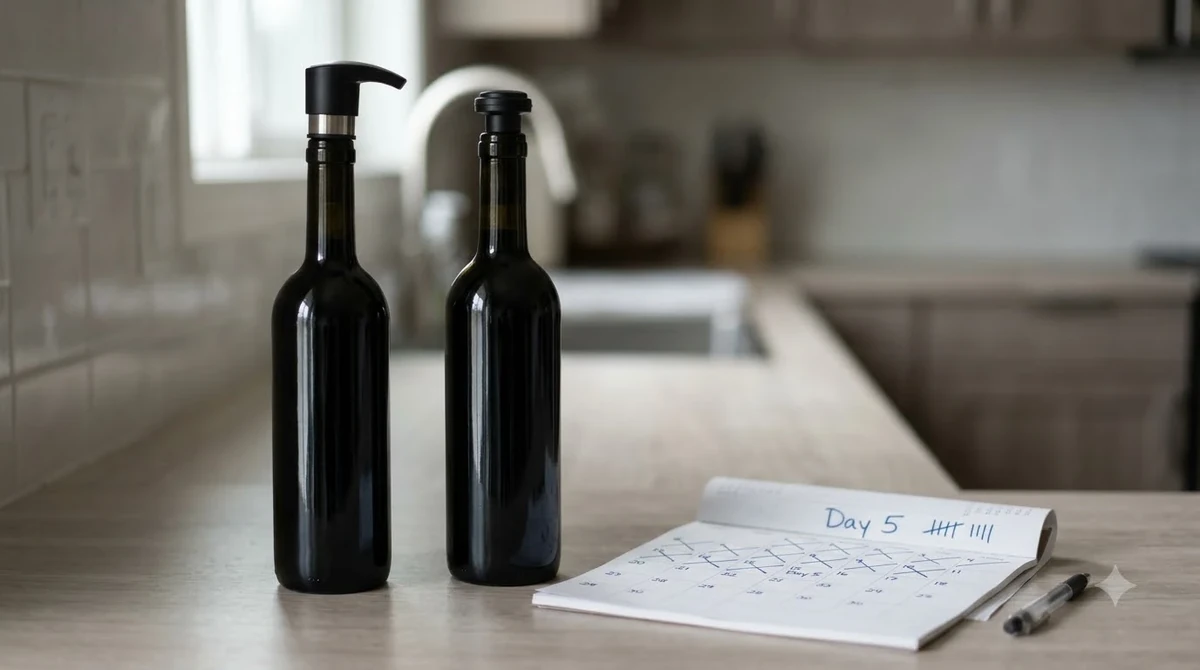
Storage can also affect how the wine tastes once open. A bottle that has been left out for several days may taste flatter, which can tempt people to pour more to get the same enjoyment. Recorking the bottle and refrigerating it keeps the wine fresh, and a fresh glass is easier to measure and enjoy in a balanced way. Many people also find that a crisp, well-kept pinot gris is satisfying in a smaller pour, so there is little reason to fill the glass to the brim.
Frequently Asked Questions
Is pinot gris the same as pinot grigio?
Yes, they are the same grape. The names differ by country, and the wine style can differ by region and producer.
Does Alsace pinot gris have more calories?
It often can, because Alsace wines tend to be richer and fuller-bodied. The exact count depends on the alcohol and sugar in the specific bottle.
Is sweet pinot gris higher in calories?
Yes. Residual sugar adds calories, so late-harvest and noble-rot styles usually carry more energy than dry bottles.
What is the easiest way to estimate calories in pinot gris?
Read the alcohol percentage on the label, note whether the wine is dry or sweet, and measure your pour. Those three checks give a practical estimate.
If you track your intake, consistency matters more than precision. Pick a standard pour you can repeat, note the style you usually buy, and keep the same measure for a few weeks. That routine gives you a dependable picture of your habits, which is far more useful than chasing an exact figure for every bottle on the shelf.
Pinot gris can fit a light, dry habit or a richer, more indulgent evening, depending on the bottle you choose. Reading the label and measuring the pour gives you a clear answer for the glass in front of you.
More in Wine Types & Grapes
 Zinfandel Sugar Content: Dry Red vs. White Zinfandel GramsUpdated Nov 21, 2026
 Best Zinfandel Substitute Options for Sipping and CookingUpdated Nov 21, 2026
 Zweigelt Food Pairing: Best Dishes, Cheeses, and Serving TipsUpdated Nov 21, 2026
 Zinfandel Tannins Explained: How Structure Shapes Every BottleUpdated Nov 21, 2026
 Zinfandel Sweetness Level: Dry Red vs. Sweet White Zin ExplainedUpdated Nov 21, 2026
 Xinomavro Food Pairing: Best Dishes, Styles, and Serving TipsUpdated Nov 21, 2026