

We may earn a commission when you buy through links on this page, at no extra cost to you. Learn more.
Grillo wine is a dry white from Sicily, made from the Grillo grape, with grapefruit, citrus blossom and herbal notes. It is a medium-light, bone-dry wine with medium-high acidity and no tannins. Wine Folly describes it as a more savory alternative to Pinot Grigio, which makes it a natural choice for seafood, vegetable dishes and pasta. It is served cool and needs no decanting.
This guide explains where Grillo wine comes from, how it tastes and feels, how to serve it and which foods bring out its best. If you have seen the name on an Italian wine list or a bottle from Sicily and wondered how it compares with the white wines you already know, the sections below give a clear picture. For a related look at a white grape from another island, the assyrtiko grape page is a useful comparison.
Where Grillo Comes From
Grillo is native to Sicily, the large island at the southern tip of Italy. According to Wine Folly, the grape is grown as a principal variety for Marsala, the island’s famous fortified wine. That is the first thing to know about the grape: it has a long association with Marsala, but it is also made into still table wines that are fresh and easy to drink.
As a still wine, Grillo tends to be medium-bodied with floral and herbal aromas. The wine reflects the warm, dry conditions of the island in its clean, saline character and bright citrus, without the heaviness that some warm-climate whites can show. Those qualities make it a good match for the coastal foods that Sicily is known for.
Flavor and Structure
Wine Folly lists the primary flavors of Grillo as grapefruit, citrus blossom, thyme, minerals and a saline note. The wine is bone-dry, so it does not taste sweet at all, and it has no tannins, which keeps it light and refreshing on the palate. The aromas are often more herbal and floral than fruity, and that combination gives the wine its savory edge.
The structure is also easy to describe. Wine Folly gives Grillo a medium-light body and medium-high acidity, with alcohol between 11.5 and 13.5 percent ABV. The acidity drives the freshness, while the body stays light enough that the wine does not feel heavy with food. Many people compare it to other crisp Italian whites, but Wine Folly’s specific comparison is with Pinot Grigio, saying Grillo is the more savory of the two.
The savory quality is part of the appeal. A glass of Grillo tastes clean and mineral without being sharp, and the herbal lift gives it a feeling of freshness that suits a range of simple dishes. Because it is not heavily perfumed, it does not overpower a meal.
Grillo Wine at a Glance
The table below summarizes the main traits that Wine Folly reports for Grillo. It is a quick reference for shoppers who want to know what to expect before opening a bottle.
| Trait | What to expect |
|---|---|
| Style | Dry, still white |
| Origin | Sicily, Italy |
| Body | Medium-light |
| Acidity | Medium-high |
| Tannin | None |
| Alcohol | 11.5 to 13.5% ABV |
| Serving temperature | 45 to 55°F (7 to 12°C) |
| Cellaring | 3 to 5 years |
How to Serve Grillo Wine
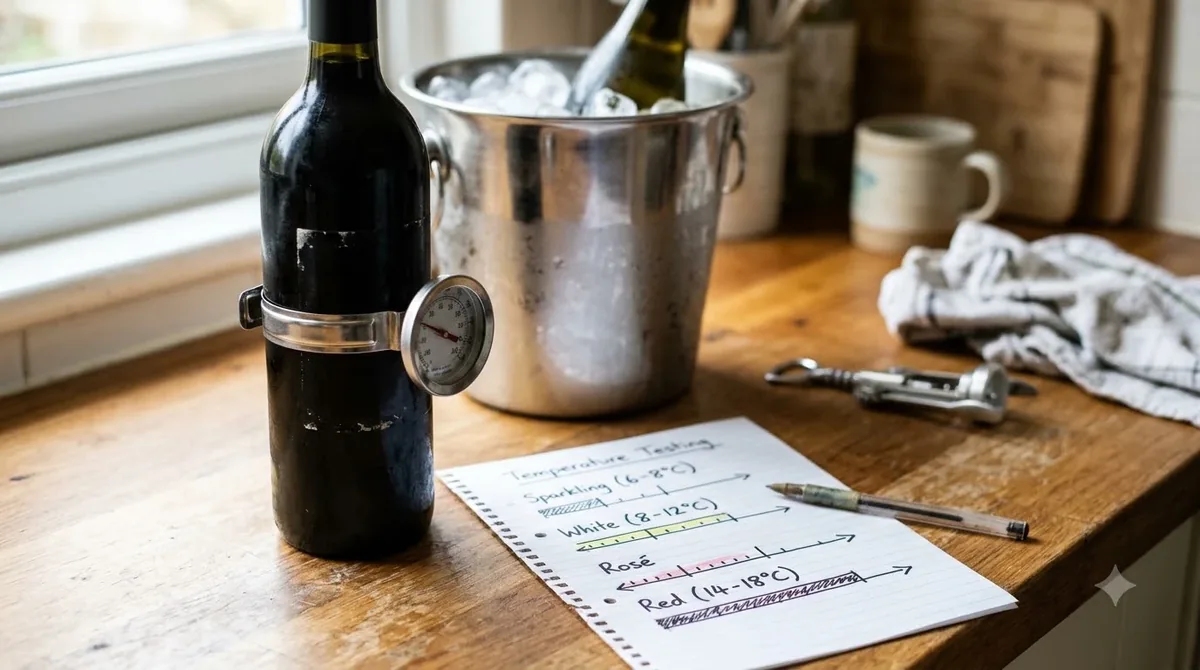
Serve Grillo cool, in the range of 45 to 55°F, or 7 to 12°C. That is a little warmer than a light sparkling wine but cooler than most room-temperature whites. At that temperature the citrus and herbal notes stay crisp, and the acidity feels bright rather than sharp.
A standard white wine glass is a good choice, since it lets the aromas gather while keeping the wine cool. Grillo does not need decanting, so you can open the bottle and pour directly. Wine Folly also notes that the wine can be cellared for three to five years, though most bottles are at their freshest when they are drunk within a year or two of the vintage.
Tip: Chill the bottle for at least two hours before you open it, or place it in an ice bucket for 20 minutes just before pouring. A cold glass keeps the wine’s citrus and herbal notes lifted through the meal.
Food Pairing With Grillo
Grillo was made for food with a light touch. Wine Folly suggests seafood, vegetable dishes and pasta, and those are the best starting points. A plate of grilled fish with lemon and herbs echoes the wine’s citrus and thyme, while a vegetable dish with olive oil, zucchini or fennel picks up the savory side.
Pasta with a simple sauce is another natural match. A tomato-free dish with garlic, olive oil and herbs keeps the wine’s freshness in focus, and a spaghetti with clams or a light pasta with peas works well because the acidity cuts through the richness of the oil. Avoid heavy cream sauces, since they can make the wine taste thin.
How Grillo Compares With Other Whites
Grillo sits between the very crisp, mineral whites and the rounder, fruit-forward styles. It is less perfumed than many Italian whites and less sharp than a bright Sauvignon Blanc, so it tends to suit people who want something refreshing without a strong aroma. Wine Folly’s comparison to Pinot Grigio is useful here: Grillo offers a similar light body and dryness, but it leans toward herbal and savory character.
Because Grillo has no tannins and only a light body, it is easy to pour with food that might overwhelm a heavier white. It is also a good option for warm weather, when a cool glass of dry white is more appealing than a rich red. For a casual dinner or an aperitivo before the meal, it fits well alongside a bowl of olives or a simple cheese plate.
How to Choose a Bottle
When you shop for Grillo, look for a bottle that names the grape and the producer. Sicilian producers often describe their wines in terms of the island’s climate and soils, and those descriptions can help you judge the style. A younger bottle will taste brighter and more citrus-driven, while an older one may show more savory and mineral notes.
Because Grillo is often made in a fresh, unoaked style, many bottles are meant to be enjoyed in their first year or two. If a label gives the vintage, use it as a guide: the most recent bottling will usually show the sharpest citrus and herb notes. Storage matters too. Keep the bottle away from heat and strong light, and store it on its side with the cork moist if it is sealed with a cork.
If you want a fuller white, you may prefer a different grape. If you like dry, fresh whites with herbal character and a clean finish, Grillo is a practical choice to keep on hand for seafood nights and light vegetable dinners.
Frequently Asked Questions
Is Grillo wine sweet or dry?
Grillo is bone-dry, according to Wine Folly. It has no residual sweetness and no tannins, so it tastes crisp and clean.
Where is Grillo wine from?
Grillo is native to Sicily, the Italian island. It is grown as a principal grape for Marsala, and it is also made into still white wines.
What does Grillo taste like?
Typical flavors include grapefruit, citrus blossom, thyme and minerals, with a saline note. The wine is herbal and savory rather than fruity and sweet.
What food goes well with Grillo wine?
Seafood, vegetable dishes and pasta are good matches, according to Wine Folly. Light sauces with olive oil, herbs or lemon suit it better than heavy cream dishes.
Grillo is a practical, food-friendly white that rewards a cool glass and a simple meal. For a broader view of how the white wine families differ in body, acidity and aroma, visit Wine by Type and compare Grillo with the other styles you already know.
More in Wine Types & Grapes
 Zinfandel Sugar Content: Dry Red vs. White Zinfandel GramsUpdated Nov 21, 2026
 Best Zinfandel Substitute Options for Sipping and CookingUpdated Nov 21, 2026
 Zweigelt Food Pairing: Best Dishes, Cheeses, and Serving TipsUpdated Nov 21, 2026
 Zinfandel Tannins Explained: How Structure Shapes Every BottleUpdated Nov 21, 2026
 Zinfandel Sweetness Level: Dry Red vs. Sweet White Zin ExplainedUpdated Nov 21, 2026
 Xinomavro Food Pairing: Best Dishes, Styles, and Serving TipsUpdated Nov 21, 2026