

We may earn a commission when you buy through links on this page, at no extra cost to you. Learn more.
Gamay grape is a light-bodied red grape best known as the main variety in Beaujolais, in eastern France. Its wines are dry, low in tannin and lively in acidity, with red fruit such as cherry and raspberry, plus violet and earthy notes. Gamay is also blended with Pinot Noir in some regions, and it is served slightly chilled, which makes it one of the most food-friendly reds on the table.
This guide covers where Gamay grows, what the vine is like, how its wines taste and how to serve and pair them. If you have seen Beaujolais on a menu or wondered why a red can be served cool, the sections below explain the grape behind the style. For a related look at lighter reds, the catawba grape page shows how a very different light grape handles sweetness and acidity.
Where Gamay Grows
Gamay is a French red grape, and according to Wine Folly it is currently grown predominantly in France. It is the main variety planted in Beaujolais, the hilly region just south of Burgundy, and it is used in blends with Pinot Noir in several areas. Outside France the grape has a smaller but devoted following.
VinePair describes Gamay as native to Burgundy and notes that it has been made into wine since the 1300s. The grape is also grown in the Loire Valley, including the Touraine, Anjou and Saumur areas, and in parts of Canada, such as Ontario’s Niagara Peninsula and British Columbia’s Okanagan Valley. The wine is most often labeled by region rather than by grape, so the name Beaujolais on a bottle usually tells you that Gamay is the grape inside.
Flavor and Structure
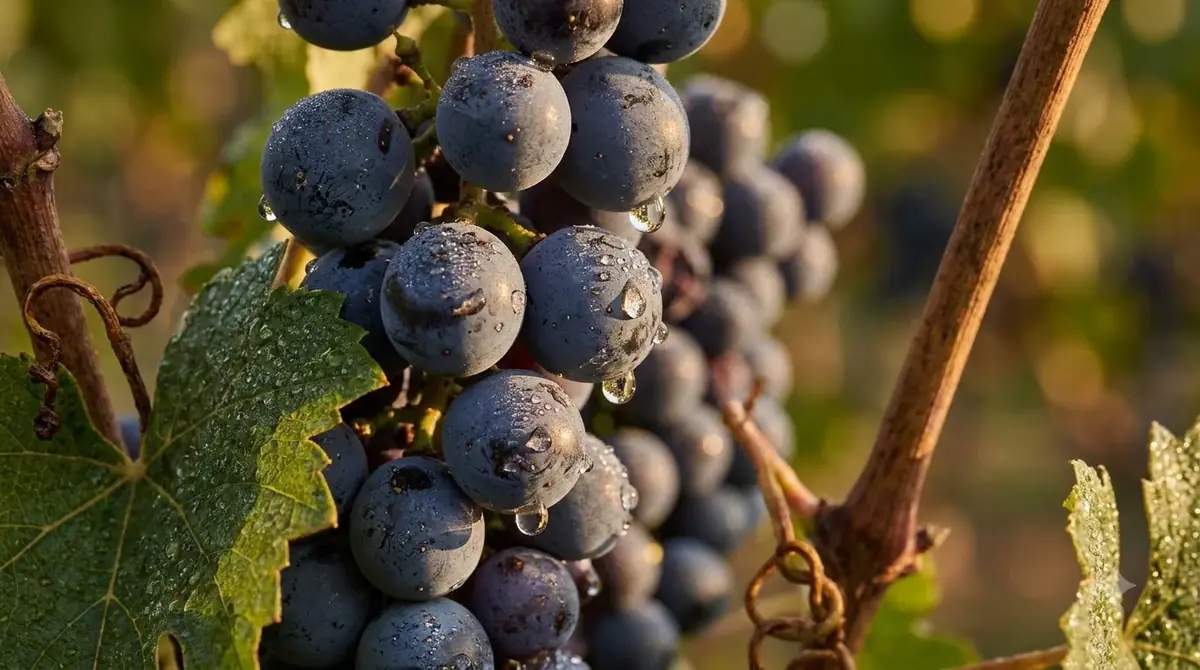
Gamay is light-bodied, dry and fruity. Wine Folly lists pomegranate, blackberry bramble, violet, potting soil and peony among its typical flavors, while VinePair describes red fruits such as cherry and raspberry along with violets, black tea and earthy notes. Those descriptions overlap more than they differ: the wine is bright, floral and sometimes rustic at the same time.
Structurally, Gamay is one of the easiest reds to approach. Wine Folly describes it as dry with a medium-light body, no tannins and medium-high acidity. That combination gives the wine a fresh, juicy feel, so it does not dry out the mouth the way a firmly tannic Cabernet can. Alcohol usually falls between about 10 and 11.5 percent ABV.
Warmer sites can push the fruit toward darker tones. VinePair notes that wines from warmer climates often show plum and boysenberry, while carbonic maceration, a whole-cluster fermentation method, can add banana, candied strawberry and bubble-gum notes. The same grape can therefore taste quite different from one place to another.
Gamay Style Overview
Gamay appears in several styles, and the differences matter when you shop. The table below sums up the most common ways you will see the grape labeled.
| Style or label | What to expect |
|---|---|
| Beaujolais | The most common style in stores; bright red fruit and light tannin |
| Beaujolais-Villages | Wines from 38 areas surrounding the ten crus, often a step up in depth |
| Beaujolais crus | Ten named villages with more distinct character and structure |
| Beaujolais Nouveau | A young, fresh wine meant to be drunk early |
| Gamay in Pinot Noir blends | Adds fruit and lift to a Pinot Noir-based red |
How to Serve Gamay
Gamay is served a little cooler than many reds. Wine Folly recommends 55 to 60°F, or 12 to 15°C, which keeps the fruit fresh and the acidity lively. A bottle that comes straight from a warm room often tastes heavier and less bright than it should.
Wine Folly also suggests a specific glass, the Aroma Collector, and notes that Gamay can be decanted for around 30 minutes if you want to open it up. For most everyday bottles, decanting is optional. Gamay can age for three to five years according to the same guide, but many bottles are best enjoyed young.
Tip: Put a bottle of Gamay in the refrigerator for 20 to 30 minutes before serving. That brings it into the cool range and makes the fruit more noticeable.
Food Pairing With Gamay
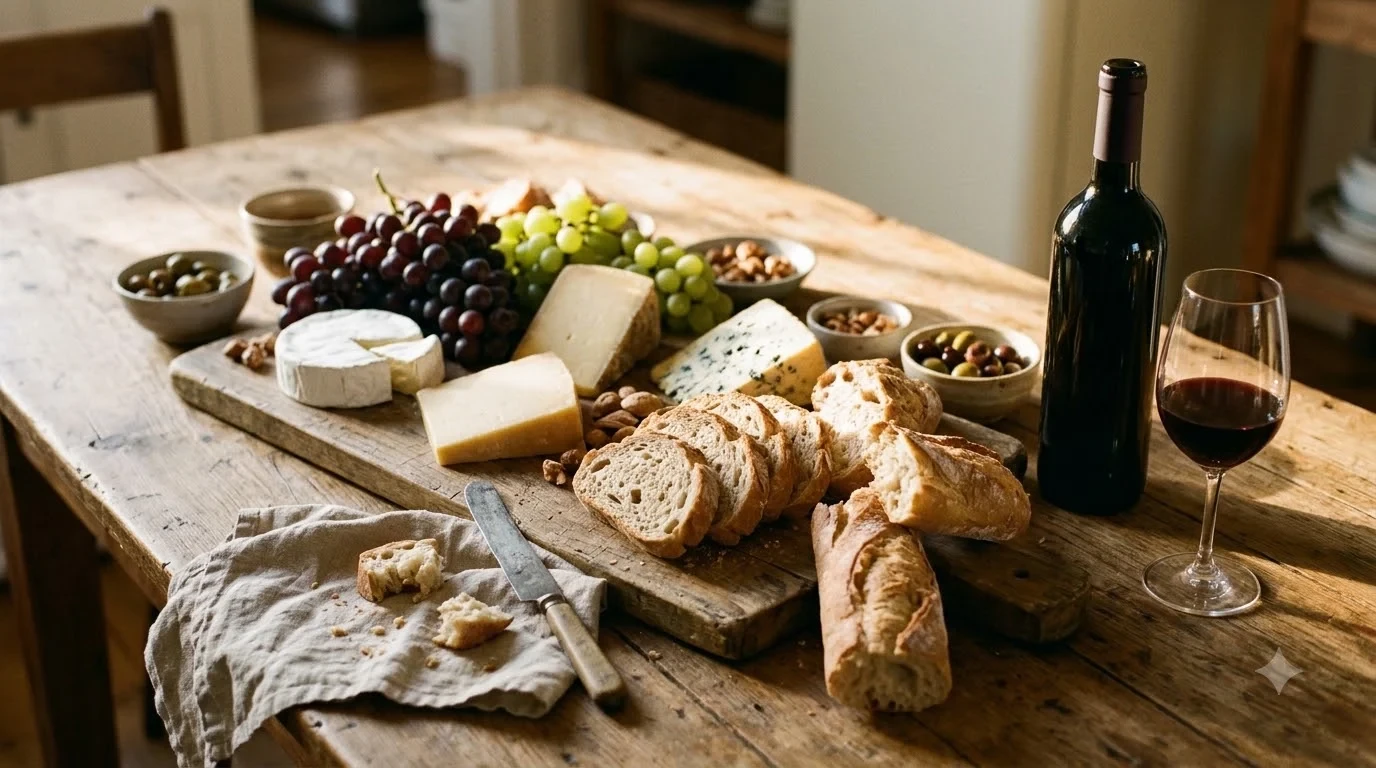
Gamay is one of the most flexible reds for the table, because its acidity and low tannin suit many dishes. Wine Folly calls it one of the few reds that pairs with a wide range of foods, and it mentions sweet and sour salmon steaks, beef stroganoff and sesame tempeh as examples. VinePair suggests charcuterie and cheese platters, herb-focused meats such as roasted chicken with dill potatoes, and seafood such as spicy seared tuna or plank salmon.
A simple rule is to match the wine’s freshness to the food’s richness. Lighter dishes with herbs, citrus or smoke suit a young Gamay, and heavier dishes with mushrooms or sauces suit a slightly older bottle with more earth. Because Gamay is not heavily tannic, it also works with dishes that would overpower a firm red.
Gamay in the Vineyard
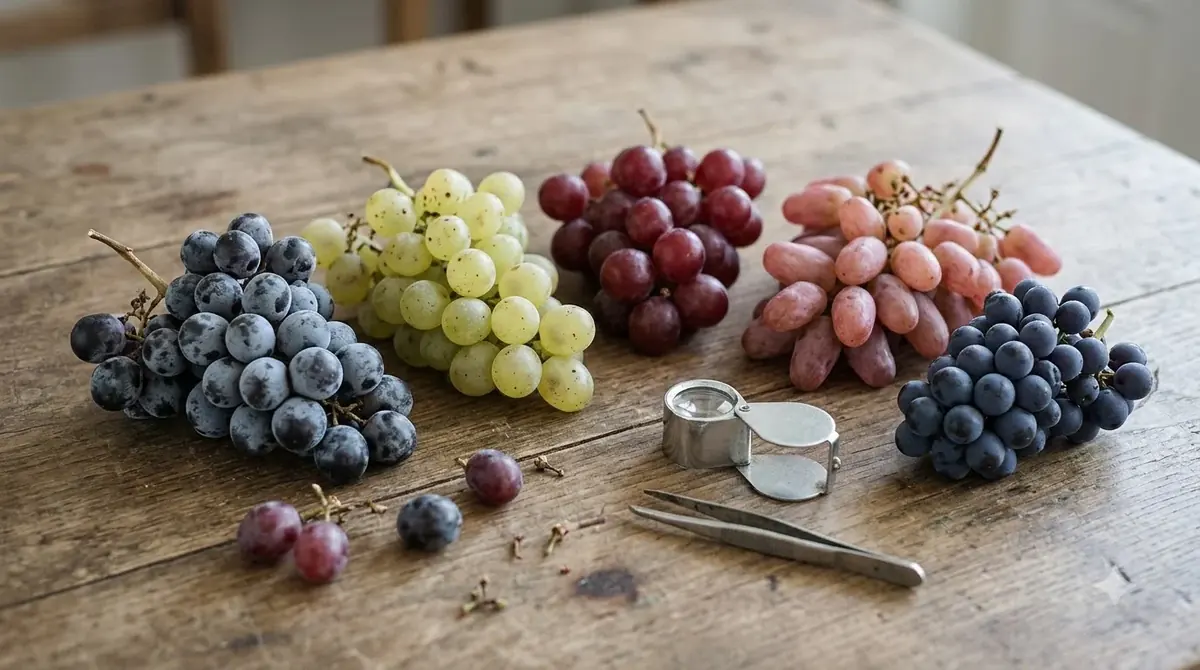
Gamay is generally regarded as a grape that suits cool and mid-range climates, where it keeps its acidity and produces fruit that is bright rather than jammy. Growers in warmer spots can still make attractive wine, but the fruit tends to shift toward plum and darker berries, as VinePair’s description of warmer-climate Gamay suggests. Growers usually aim for a balance between ripeness and freshness, since the grape’s appeal depends on that lift.
Because the grape has thin skins and low tannin, the winemaker’s choices matter a great deal. Whole-cluster handling, carbonic maceration and the age of the vines all change the wine’s texture and aroma. That variety of approaches is one reason two bottles of Gamay can taste so different even when they come from the same region.
How to Choose a Gamay
When you shop, look at the label first. A bottle labeled Beaujolais is usually the most approachable choice for a weeknight meal. A Beaujolais-Villages or a cru from one of the named villages will generally show more depth and structure, which suits a longer dinner or a meal with more complex dishes.
If you enjoy Pinot Noir but want something brighter, a Gamay blend or a Gamay from a cooler region may feel more familiar than a bold red. If you prefer wines with firm tannin and long aging, Gamay may feel too light, and you might look at a different red family instead. Read the producer’s notes for the vintage and the village, since those details say more about the bottle than the grape name alone. Keep an eye on the vintage too, because the freshest, most fruit-forward Gamay is usually the one bottled and sold within a few years of the harvest.
Frequently Asked Questions
Is Gamay a red or white grape?
Gamay is a red grape. Its skins give the wine its color, and the finished wine is typically red, with light body and bright fruit.
Is Gamay the same as Beaujolais?
Not exactly. Beaujolais is the region, and Gamay is the grape most often used there. Beaujolais wines are almost always made from Gamay, so the two names are closely linked.
Should Gamay be served chilled?
Yes, slightly. Wine Folly recommends serving it at 55 to 60°F, or 12 to 15°C, which is cooler than many people expect for a red.
Does Gamay need to be decanted?
It is optional. Wine Folly suggests decanting for about 30 minutes if you want to open the wine, but many everyday bottles are enjoyable straight from the bottle.
Gamay is a red that rewards simple habits: serve it cool, pour it into a glass that lets the aromas show and pair it with a range of food. To compare it with other grapes and styles, visit Wine by Type and look at how the lighter reds differ from the bolder ones.
More in Wine Types & Grapes
 Zinfandel Sugar Content: Dry Red vs. White Zinfandel GramsUpdated Nov 21, 2026
 Best Zinfandel Substitute Options for Sipping and CookingUpdated Nov 21, 2026
 Zweigelt Food Pairing: Best Dishes, Cheeses, and Serving TipsUpdated Nov 21, 2026
 Zinfandel Tannins Explained: How Structure Shapes Every BottleUpdated Nov 21, 2026
 Zinfandel Sweetness Level: Dry Red vs. Sweet White Zin ExplainedUpdated Nov 21, 2026
 Xinomavro Food Pairing: Best Dishes, Styles, and Serving TipsUpdated Nov 21, 2026