

We may earn a commission when you buy through links on this page, at no extra cost to you. Learn more.
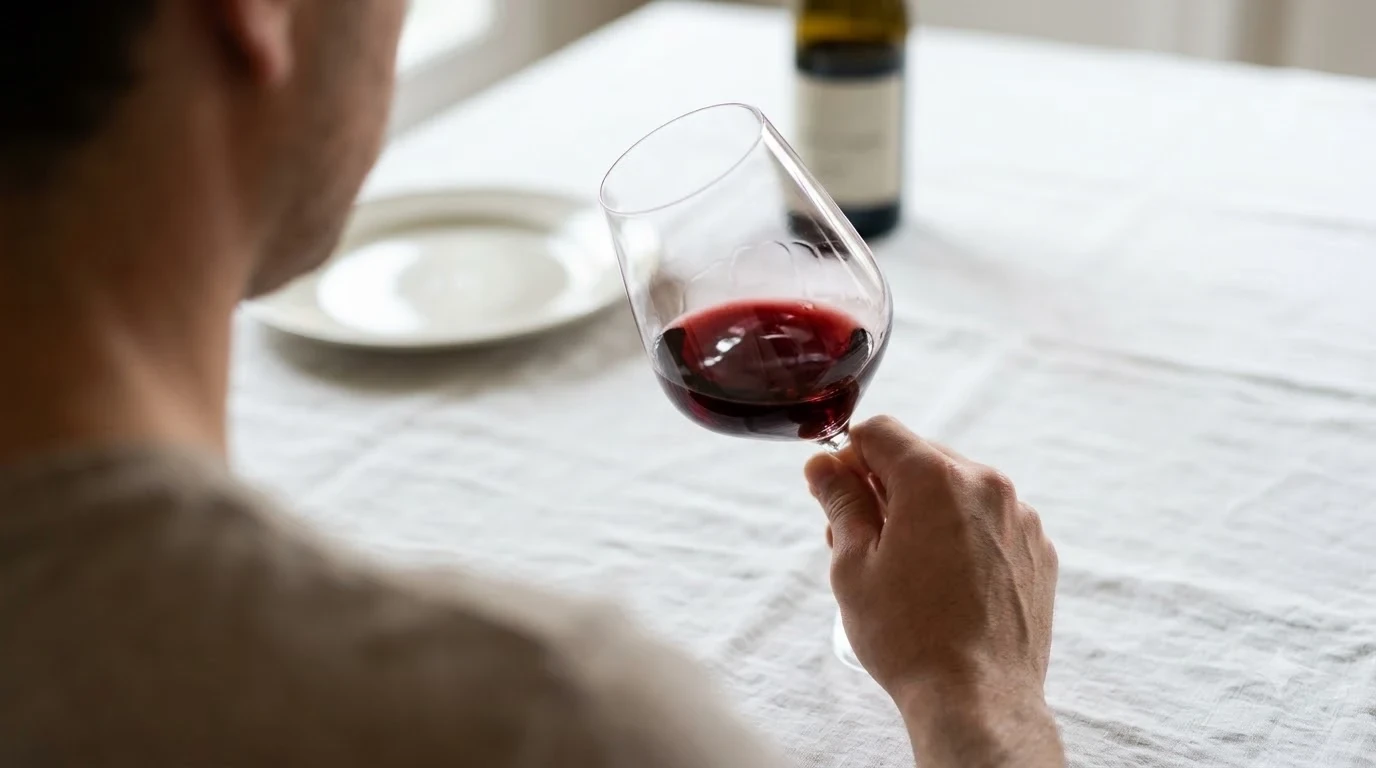
Zinfandel wine is a bold, fruit-forward red made mainly from the zinfandel grape, which grows best in California. Berry flavors dominate, often with black pepper or spice, and the style changes with the vineyard, from jammy and soft to peppery and structured. Zinfandel is not the same as white zinfandel, which is a sweet pink wine made from the same grape.
Zinfandel is one of the most distinctive red wines in the United States, and it is easy to find at almost any wine shop. This guide explains what the grape is, where it grows, how the wines taste, how to serve them, and what to eat with them.
What Zinfandel Is
Zinfandel is a dark-skinned red grape. According to Wine Folly’s zinfandel profile, it is the same grape as the Croatian variety Crljenak Kaštelanski, a useful reminder that the grape’s origins lie outside California.
The grape ripens unevenly in the vineyard, which is one reason zinfandel wines can differ so much. Growers often pick at different ripeness levels to balance fruit, acidity, and alcohol. The wine can be made in a fresh, berry-focused style or in a richer, more concentrated style, depending on how and when the grapes are harvested.
Where Zinfandel Grows
Zinfandel is most closely associated with California, where it is one of the state’s signature red grapes. Wine Folly points to several regions with clearly different character, including Amador County and the Sierra Foothills, Lodi, Napa Valley, Sonoma’s Dry Creek Valley, and Paso Robles. Each area brings its own signature to the wine, which makes zinfandel a good grape for comparing vineyards side by side.
Sonoma’s Dry Creek Valley often gives rich, round wines with notes of mocha and five-spice powder, while Paso Robles bottlings can be more floral, with violet and rose notes alongside the raspberry. Amador County is often described as making some of the jammiest zinfandels on the market, and Lodi’s wines commonly show dark raspberry and mocha flavors with a smoky maple finish. Comparing a bottle from each of these places is one of the quickest ways to learn how much the vineyard shapes the glass.
Cooler mountain sites and warmer valley floors tend to produce different results. Hillside vineyards often give more concentrated wines with firmer structure, while valley vineyards often produce softer, riper bottles. If you like a specific style, the label’s region is the best clue to what you will taste.
Flavor and Style
Most zinfandel shows berry flavors first. Depending on ripeness, those flavors can range from strawberry and raspberry to blackberry and dark plum. Many bottles also show a spicy edge, which is often described as black pepper or clove, and oak aging can add notes of cinnamon, vanilla, and mocha.
| Style | Typical notes | Where it often comes from |
|---|---|---|
| Jammy | Raspberry and strawberry, soft tannins | Amador County |
| Peppery | Blackberry and black pepper, firm structure | Napa Valley |
| Mocha or smoky | Dark raspberry, mocha, smoky maple | Lodi |
| Floral | Violet and rose notes with red fruit | Paso Robles |
| Spiced | Clove, cinnamon, and five-spice from oak | Oak-aged versions from many regions |
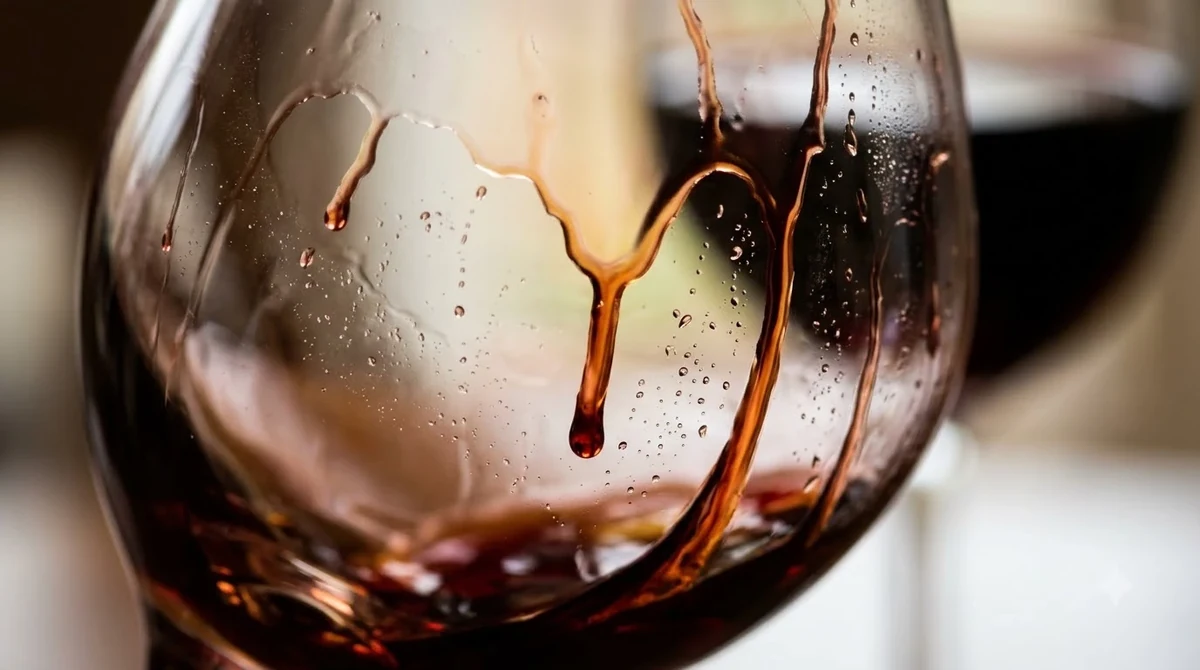
Alcohol levels can run high. Wine Folly notes that riper zinfandel grapes produce wines with more alcohol, and some Dry Creek Valley examples reach about 15.5 percent. If you prefer a lighter red, look for bottles from cooler sites or those labeled with a lower alcohol level, and read the label before you buy.
How to Serve Zinfandel
Serve zinfandel a little cooler than room temperature rather than very warm. A short rest in the refrigerator before you pour is often enough to bring out its fruit and keep the alcohol from feeling heavy. Use a large red wine glass so the aromas have room to open, and give the wine a few minutes in the glass before you judge it.
Decanting can help a bold, oaky zinfandel show more clearly, especially when the wine is young. A slow pour into a decanter, or just letting the glass sit for a while, softens the first hit of oak and brings the spices forward.
Food Pairings for Zinfandel
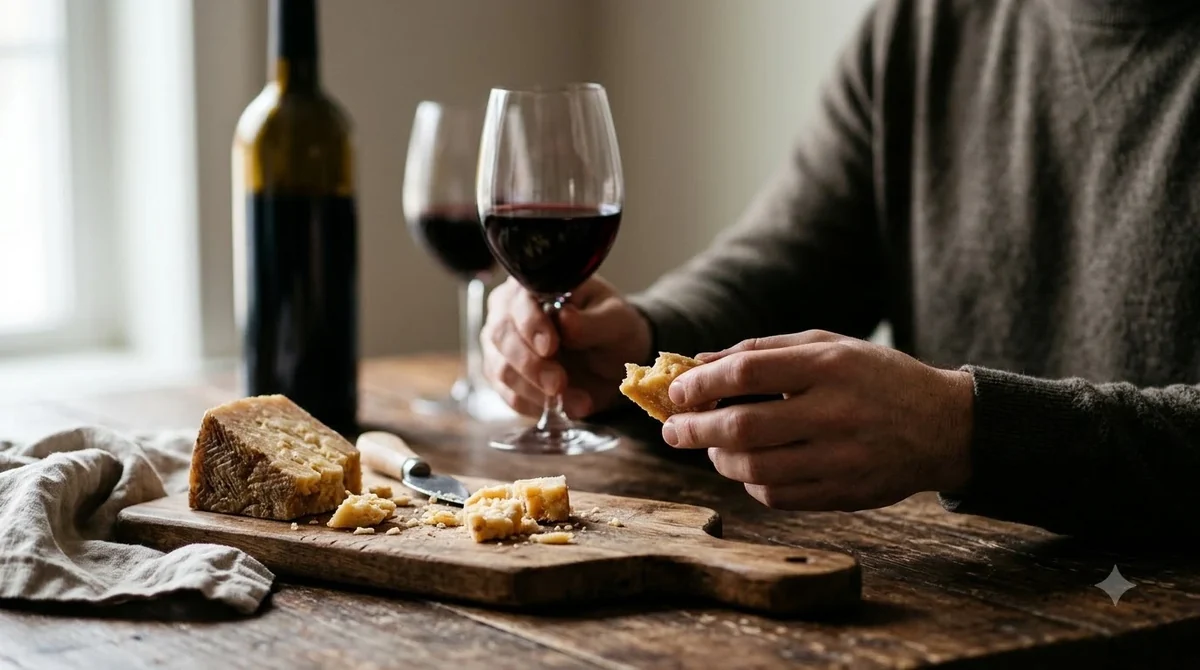
Zinfandel works well with food that has char, smoke, or spice. Grilled meats, barbecue ribs, burgers, and pizza with sausage or peppers are all classic matches, because the wine’s fruit and pepper stand up to bold flavors. Spicy dishes can also work, provided the wine is not too high in alcohol, since heat and alcohol can clash.
For a lighter meal, pair a fresher, berry-driven zinfandel with roasted chicken, mushroom dishes, or a sharp aged cheese. Those combinations let the fruit show without overwhelming the food.
Zinfandel and White Zinfandel
Shoppers often confuse the two. Zinfandel is a dry red wine, while white zinfandel is a sweeter, pink-colored wine made from the same grape. The pink style is made with only brief contact between the juice and the grape skins, which gives it a lighter color and a softer, sweeter taste. Because the two share a name, check the label before you buy if you want a dry red for dinner.
The sweet pink style has a large footprint in the market. Wine Folly reports that white zinfandel grew out of a stuck fermentation in the mid-1970s, when a dry white attempt left the wine sweet and pink, and says it now accounts for about 85 percent of the zinfandel produced. That share means dry reds are a minority of what the grape yields, which is worth knowing when you read a label.
A simple rule helps. If the label says red and mentions tannins, oak, or a specific region, you are likely looking at a dry zinfandel. If the bottle is pink and labeled white zinfandel, expect a lighter, fruitier, and sweeter glass that suits a casual afternoon.
Buying and Storing Zinfandel
Zinfandel is best bought from a shop that turns over its stock, since the fruit is most vivid when the wine is fresh. Look for the vintage, the region, and the producer’s description, which often mention the style you can expect. A wine labeled with a specific region usually gives a clearer picture of the taste than a generic bottle.
Store bottles on their side in a cool, dark spot away from heat. If you plan to keep a bottle, check the producer’s guidance on aging. Most everyday zinfandels are meant to be opened within a few years, while structured bottles from strong vintages can improve for longer.
Cellaring advice varies. Wine Folly suggests that zinfandel can age for five to ten years, though most everyday bottles are meant to be drunk young. For a young, bold bottle, the same guide recommends about 30 minutes of decanting before serving.
Frequently Asked Questions
Is zinfandel wine dry or sweet?
Most zinfandel is dry. The sweetness people notice usually comes from ripe berry fruit rather than leftover sugar. White zinfandel is a different product, a sweeter rosé-style wine made from the same grape.
Is zinfandel similar to cabernet sauvignon?
They are both bold red wines, but zinfandel usually shows more ripe berry fruit and spice, while cabernet sauvignon often has firmer tannins and more blackcurrant or cedar notes. Many drinkers enjoy both, depending on the meal.
Does zinfandel need to be aged?
Many zinfandels are meant to be enjoyed within a few years of release, since the fruit is the main attraction. Some older vines and well-structured bottles can age longer, so check the producer’s notes or the vintage before you cellar a bottle.
Where is the best place to start with zinfandel?
Start with a zinfandel from a well-known region such as Dry Creek Valley or Paso Robles to see how the style changes. Then compare a bottle from a cooler site to see the difference in fruit and structure.
Zinfandel rewards curiosity, because one grape can produce wines that are soft and playful or firm and serious. For a broader look at other red grapes and styles, see Wine by Type, or read more about the zinfandel grape itself to understand what shapes the wine in the glass.
More in Wine Types & Grapes
 Zinfandel Sugar Content: Dry Red vs. White Zinfandel GramsUpdated Nov 21, 2026
 Best Zinfandel Substitute Options for Sipping and CookingUpdated Nov 21, 2026
 Zweigelt Food Pairing: Best Dishes, Cheeses, and Serving TipsUpdated Nov 21, 2026
 Zinfandel Tannins Explained: How Structure Shapes Every BottleUpdated Nov 21, 2026
 Zinfandel Sweetness Level: Dry Red vs. Sweet White Zin ExplainedUpdated Nov 21, 2026
 Xinomavro Food Pairing: Best Dishes, Styles, and Serving TipsUpdated Nov 21, 2026