

We may earn a commission when you buy through links on this page, at no extra cost to you. Learn more.
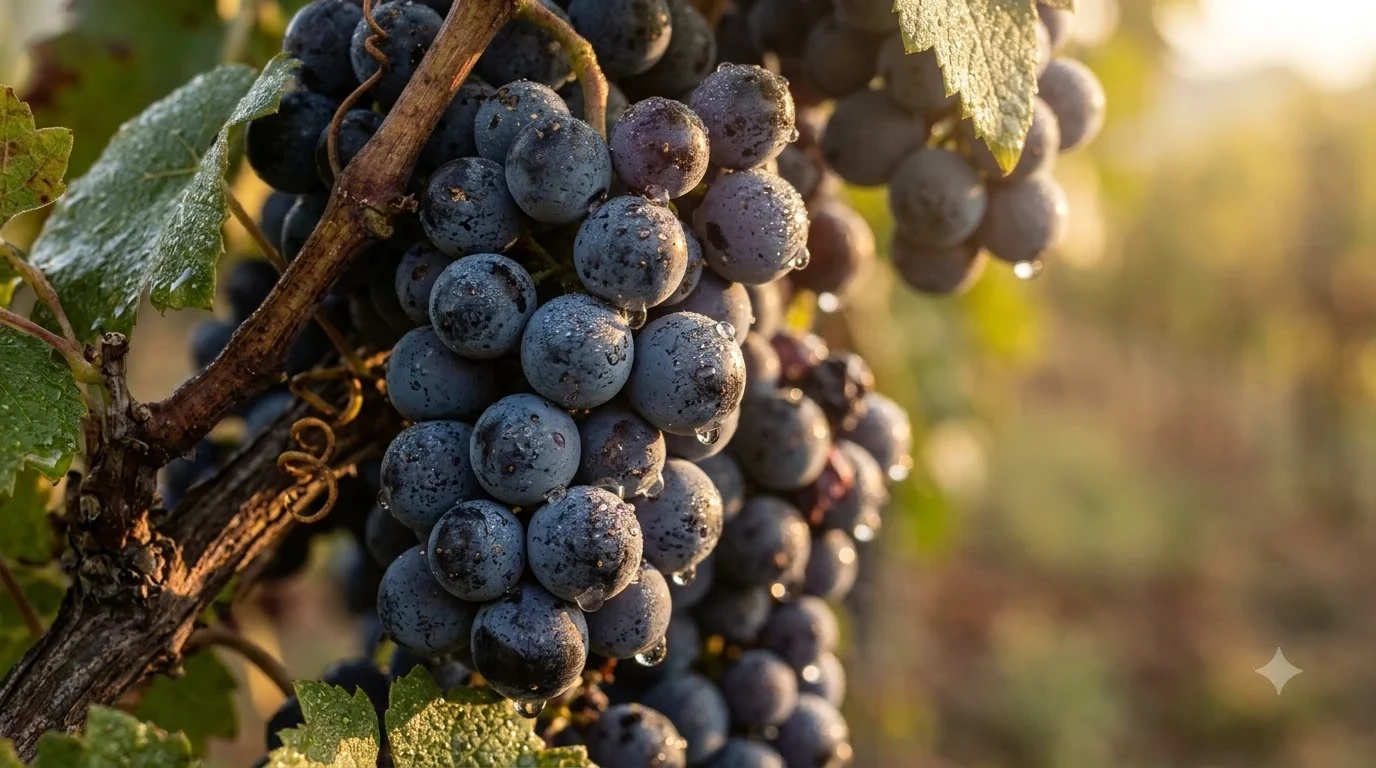
Columbia Valley wine comes from the largest wine region in Washington State, and it is known for ripe, clean-tasting bottles made from a broad mix of grapes. The Columbia Valley American Viticultural Area was established in 1984 and covers about 18,000 square miles, with irrigation from the Columbia and nearby rivers making much of the valley’s vineyard land possible. Cabernet Sauvignon, Merlot, Chardonnay, and Riesling are among the most common varieties.
This guide explains what Columbia Valley wine usually tastes like, which grapes you are most likely to find on the shelf, and how to serve and choose these bottles. It focuses on the wines themselves, so if you are planning a trip to the tasting rooms, see the companion piece on Columbia Valley wineries instead. Everything here is written for everyday drinkers who want a clear starting point.
Where Columbia Valley Wine Comes From
The Columbia Valley is a very large appellation. According to the Wikipedia article on the Columbia Valley AVA, it was established in December 1984 as the nation’s 72nd appellation and covers about 11.5 million acres after a portion between Banks Lake and the Snake River was excluded. Planted vineyards cover roughly 60,000 acres, and the same article lists about 244 wineries.
Because the region is so big, the wines can vary a great deal from one part of the valley to another. A bottle labeled Columbia Valley is a blend of sites rather than a single vineyard, which is why the label often tells you more about the style than about a specific place.
Why the climate matters
The Cascade Range blocks much of the moisture that reaches the eastern side of Washington, creating a rain shadow. The result is a dry, sunny growing season with cold winters and low humidity. Growers depend on irrigation to bring water to the vines, and that control over water is one of the reasons the region can grow grapes in a place that would otherwise be too dry.
Day and night temperatures can also differ quite a bit in the dry months. Warm afternoons help the grapes ripen, and cooler nights help them hold onto acidity. Winemakers often point to that combination when they describe the balance in their wines, and it is one reason the region can produce both bold reds and fresh whites from the same valley.
The Grapes You Will Find on the Label
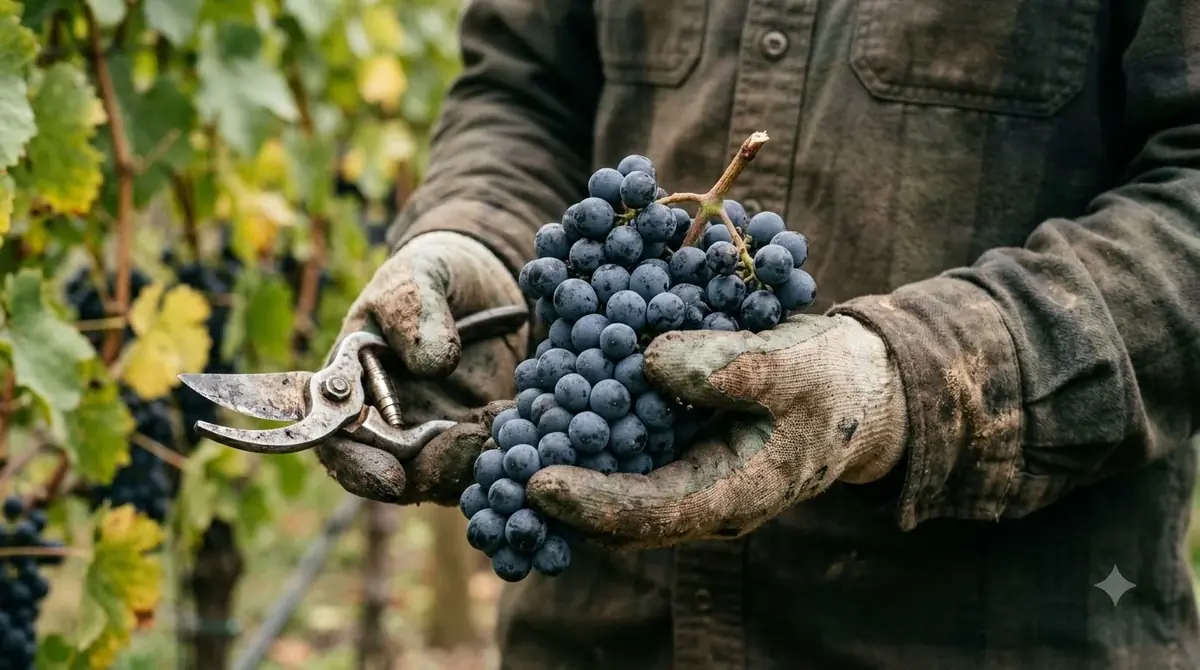
Cabernet Sauvignon is the most recognizable red from the valley, and it appears in many bottles at a range of prices. Merlot and Syrah are also common, along with Cabernet blends that combine the grape with other reds. These wines tend to show ripe fruit and a firm structure that reflects the warm, sunny climate.
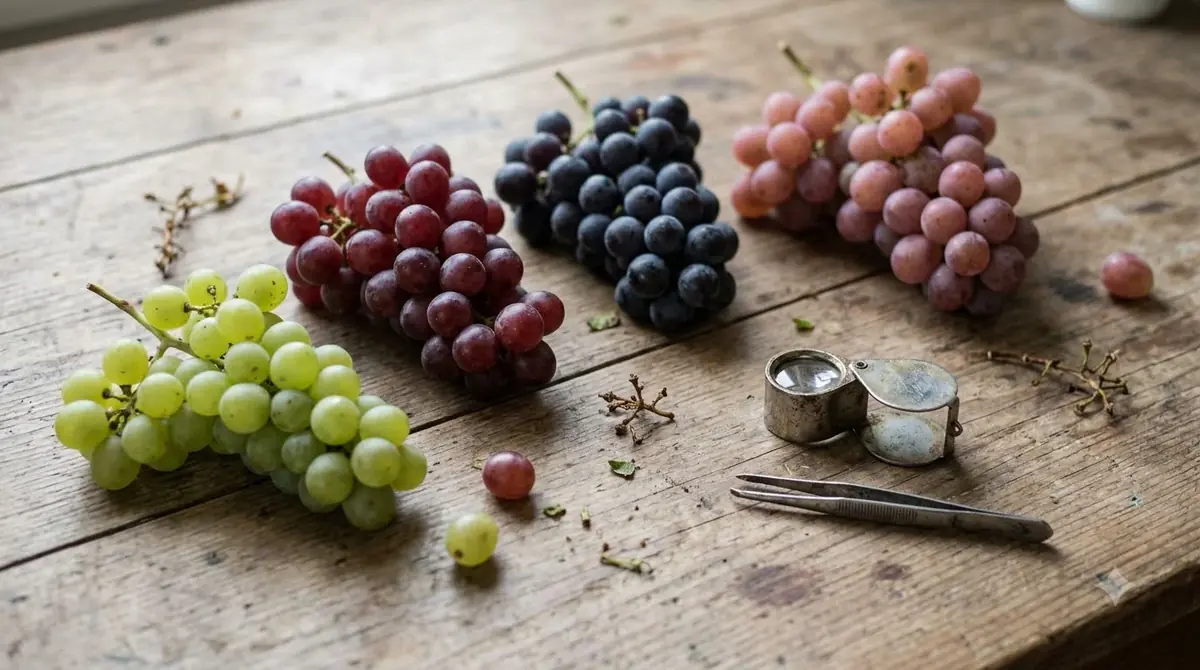
On the white side, Chardonnay, Riesling, Pinot Gris, and Sauvignon Blanc are all widely planted. Riesling from the region often tastes brighter and more aromatic than many buyers expect, while Chardonnay can range from lean and crisp to fuller and oak-influenced.
The valley’s list of grapes is long, so you will see some names on a shelf that are not on this short list. If you are unsure what a bottle contains, the back label or the retailer’s description usually names the grape or blend.
What Columbia Valley Wine Tastes Like
Reds are often described as ripe and structured. Cabernet Sauvignon from the region commonly shows black cherry, black currant, and cedar notes, according to the Wine Folly profile of the grape, which lists medium-high tannin as a typical trait. That tannin gives the wine grip and helps it age, but it also means the wine usually needs food to feel balanced.
Whites lean toward clean, fruit-forward styles. Riesling can range from dry to sweet, and many examples keep enough acidity to feel fresh. Chardonnay is often the softer, more approachable option on the list, especially in styles that use less new oak.
| Grape | Common profile | Where it fits |
|---|---|---|
| Cabernet Sauvignon | Black cherry, black currant, medium-high tannin | Steak, roasted meats, hearty pasta |
| Merlot | Plum, soft tannin, rounder body | Roast chicken, mushrooms, everyday dinners |
| Syrah | Dark fruit, pepper, savory notes | Grilled meats, barbecue, sausage |
| Chardonnay | Apple, citrus, varied oak influence | Creamy pasta, salmon, poultry |
| Riesling | Bright fruit, high acidity, dry to sweet | Spicy food, pork, fresh salads |
How to Serve Columbia Valley Wine
Serving temperature changes how a red tastes. The Wine Folly profile of Cabernet Sauvignon suggests serving it at about 60 to 68 degrees Fahrenheit, which is cooler than many people assume. A short time in the refrigerator before pouring can bring a warm bottle into the right range and soften the impression of alcohol.
Whites are best served well chilled, but not icy. Dry Riesling and Sauvignon Blanc show their acidity best when cool, while a fuller Chardonnay can be poured a little warmer to bring out its texture. A standard red or white wine glass is enough for most bottles.
Tip: Open a red an hour before dinner if it is a young, tannic Cabernet. A little air softens the grip and makes the fruit easier to notice.
How to Choose a Columbia Valley Bottle
Start with the grape you already enjoy. If you like soft, fruit-forward reds, look for a Merlot or a Cabernet blend. If you prefer a firmer wine for steak, a varietal Cabernet Sauvignon is the usual choice. For a lighter white, try a dry Riesling or an unoaked Chardonnay.
Next, read the label for the producer and any note on oak or sweetness. Many wineries list residual sugar or describe their wines as dry, off-dry, or sweet. Shop staff can also tell you which bottles they recommend for a particular meal, and asking them is often faster than reading a long list of reviews.
Price does not always reflect quality in a region this large. Some of the most interesting bottles come from smaller producers who work with a few specific vineyard blocks. Reviews from established wine publications can help you spot those bottles, and buying a few different styles is a low-risk way to learn what you like.
Cellaring is another consideration. Most everyday Columbia Valley reds and whites are made to drink within a few years of release, although firmer Cabernet Sauvignon and some reserve-level bottles can develop well for longer. If the label or the producer’s website gives a recommended drinking window, follow it. If it does not, assume that a young, tannic red benefits from a few years in a cool, dark place before opening, while a fresh white is best enjoyed soon after purchase.
Finally, pay attention to the vintage. Growing seasons in a dry region can vary from one year to the next, and the wines reflect that. Reading a short note from the producer about the vintage can tell you whether the wine is expected to show fresh fruit, more structure, or a softer profile, and that context helps you match a bottle to the dinner you are planning.
Frequently Asked Questions
What is the Columbia Valley AVA?
It is a federally recognized American Viticultural Area that covers much of central and eastern Washington State. It was established in 1984 and is the largest wine region in the state, spanning a vast area with many different vineyard sites.
Is Columbia Valley wine a good value?
It often is, because the region produces a large volume of wine and many producers focus on everyday styles. The quality can vary by producer, so reading the label and checking reviews helps you find the best-value bottles.
What grape is Columbia Valley best known for?
Cabernet Sauvignon is the grape most closely associated with the valley, and it is planted more widely than any other red. Merlot, Chardonnay, and Riesling are also important.
Should I chill Columbia Valley red wine?
A short time in the refrigerator is usually enough. Serving reds in the mid-60s Fahrenheit keeps the fruit clear and softens the impression of alcohol.
Columbia Valley wine offers a lot of variety for the price of a single bottle. Start with a Cabernet or a Riesling, then compare a second bottle from a different producer to see how the valley’s style shows up. For more on how regions shape their wines, browse the overview of wine regions and then compare the valley with Willamette Valley wine to see how a cooler, wetter climate in Oregon produces a different profile. Drink responsibly and plan your evening around it.
More in Wine Regions
 Willcox Wine Trail: Discover Arizona’s High-Elevation Wine CountryUpdated Nov 20, 2026
 Yakima Valley Wine Region: Find the Best Styles to TryUpdated Nov 20, 2026
 Vosne Romanee Wine Tasting: Identify Aromas and Choose Better PairingsUpdated Nov 20, 2026
 Yakima Valley Wine Festival: Find the Best Seasonal Wine EventsUpdated Nov 20, 2026
 Wales Vineyards: Discover Cool-Climate Wines and Where to VisitUpdated Nov 20, 2026
 Yountville Wine Festival: Discover Napa Wines and Local FoodUpdated Nov 20, 2026