

We may earn a commission when you buy through links on this page, at no extra cost to you. Learn more.
14 hands wine alcohol content generally ranges from approximately 12.5% to 14.5% ABV among documented varieties, depending on the wine and bottling. The winery’s Cabernet Sauvignon is listed at 13.5% ABV, its Pinot Grigio at 12.5%, and Decanter lists a 2020 Hot to Trot Smooth Red Blend at 14.5%. The variety, vintage, and individual bottling matter, so there is no single alcohol percentage for every bottle carrying the 14 Hands name.
14 Hands is a Washington wine brand with several red and white varieties, each offering a different balance of fruit, acidity, body, and alcohol. If you are comparing bottles, choosing a wine for dinner, or checking how much alcohol a standard glass contains, understanding ABV makes the decision easier. Here is how the main documented percentages compare and what they mean when you pour a glass.
Typical Alcohol Content Across 14 Hands Wines
Most of the documented 14 Hands bottles in this comparison fall between 12.5% and 14.5% ABV. Pinot Grigio sits at the lower end, Cabernet Sauvignon occupies the middle, and the Hot to Trot Smooth Red Blend provides an example of a stronger bottling.
The most useful starting point is to compare actual published technical specifications rather than assume every red wine has the same strength or every white wine is lower in alcohol. The official winery pages list Cabernet Sauvignon at 13.5% and Pinot Grigio at 12.5%. Decanter records the 2020 Hot to Trot Smooth Red Blend at 14.5%.
| 14 Hands wine | Documented ABV | Wine style |
|---|---|---|
| Pinot Grigio | 12.5% | White |
| Cabernet Sauvignon | 13.5% | Red |
| Hot to Trot Smooth Red Blend (2020) | 14.5% | Red blend |
These figures provide a practical comparison, not a guaranteed specification for every release. The Hot to Trot figure, for example, belongs to the particular 2020 wine reviewed by Decanter. It should not automatically be applied to another vintage or a differently named red blend.
The distinction between 12.5% and 13.5% might appear small, but it changes the amount of alcohol in an equal-sized pour. A 5-ounce glass at 13.5% ABV contains about 0.675 fluid ounces of pure alcohol, compared with 0.625 fluid ounces at 12.5%. The difference is 0.05 fluid ounces per glass.
For a more detailed comparison of the red variety, see our guide to 14 Hands Cabernet alcohol content. It focuses on Cabernet Sauvignon rather than treating the entire brand as one uniform wine.
14 Hands Cabernet Sauvignon Alcohol Percentage
14 Hands Cabernet Sauvignon has a published alcohol content of 13.5% ABV on the winery’s Columbia Valley product page. That places it in the middle of the documented range and makes it slightly stronger by volume than the winery’s 12.5% Pinot Grigio.
The official Cabernet Sauvignon description highlights dark cherry, black currant, coffee, and subtle spice. Refined tannins and a touch of oak contribute to its structure. These characteristics help explain why this wine can feel fuller and more structured than a crisp white wine, even though its alcohol percentage is only one percentage point higher than the Pinot Grigio.
The winery recommends pairing the Cabernet with barbecue pork, grilled portobello mushrooms, lasagna, and hearty cheeses. These foods offer enough flavor and texture to complement the wine’s fruit and tannins. Rich meat dishes and tomato-based pasta are particularly useful choices for a structured red.
A 13.5% ABV Cabernet contains 0.675 fluid ounces of pure alcohol in a 5-ounce pour. A full 750 ml bottle contains approximately 101.25 ml of pure alcohol, calculated from the bottle’s total volume and stated percentage.
For comparison, a wine at 12.5% ABV contains approximately 7.4% less alcohol by volume than a wine at 13.5% ABV. This difference is noticeable in the arithmetic even though both wines belong to a fairly similar general strength category.
Cabernet Sauvignon also has naturally substantial tannin compared with many lighter red wines. Tannin can create a drying sensation in the mouth, while alcohol contributes warmth and body. These are separate characteristics, so a wine that feels particularly dry or structured is not necessarily the wine with the highest ABV.
When serving this Cabernet, aim for approximately 60-65°F rather than allowing the bottle to become excessively warm. A slightly cool serving temperature helps maintain freshness and keeps the alcohol sensation from becoming too prominent.
14 Hands Pinot Grigio Alcohol Content
14 Hands Pinot Grigio has a documented alcohol content of 12.5% ABV, according to the official winery product page and Wine Enthusiast’s review of its 2022 bottling. This is lower than the documented 13.5% Cabernet Sauvignon and 14.5% Hot to Trot red blend.
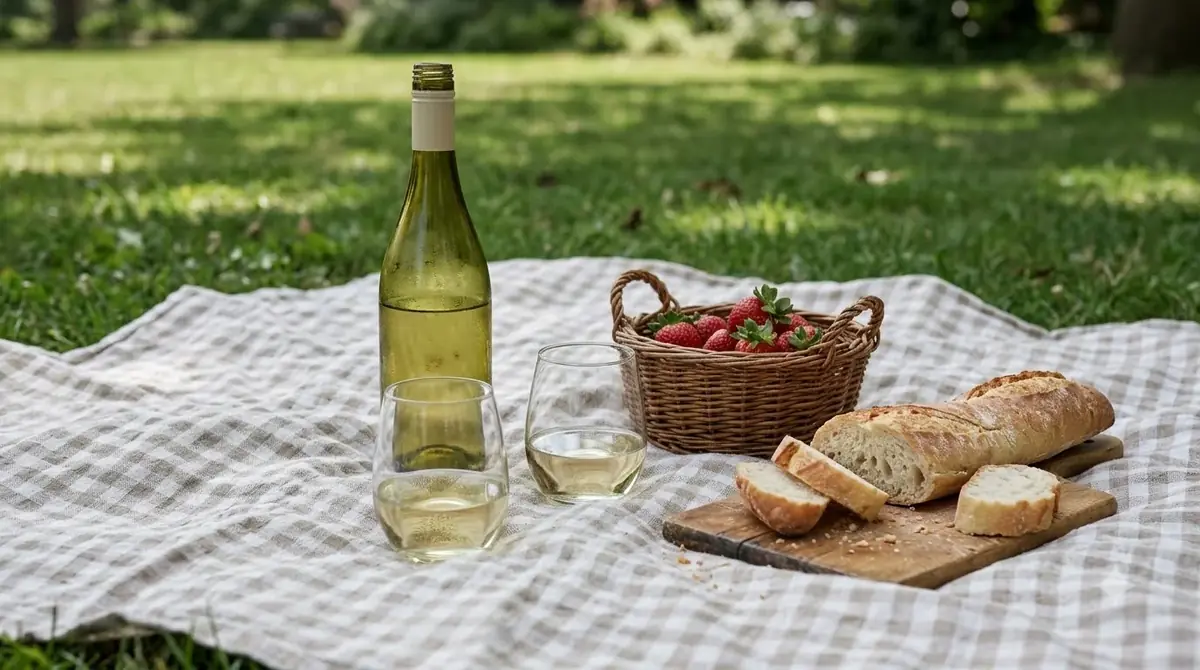
The Pinot Grigio is described by the winery as crisp and refreshing, with fresh melon aromas and flavors of pear and honeysuckle. The recommended food pairings include grilled fish, fruit and cheese platters, clam bakes, and chicken salad. These combinations suit its lighter, refreshing character.
Wine Enthusiast also lists the 2022 Columbia Valley Pinot Grigio at 12.5% ABV in a 750 ml bottle. The publication awarded that particular wine 87 points, describing its texture as creamy and noting lemon sorbet and spearmint flavors. Its tasting assessment provides another useful reference for understanding this bottling beyond the alcohol number alone.
At 12.5% ABV, a 5-ounce pour contains approximately 0.625 fluid ounces of pure alcohol. A standard 750 ml bottle contains approximately 93.75 ml of pure alcohol by volume calculation.
The difference between Pinot Grigio and Cabernet Sauvignon is 1 percentage point of ABV. In a 5-ounce glass, that represents approximately 0.05 fluid ounces of additional pure alcohol in the Cabernet pour.
Pinot Grigio is generally best served at 45-50°F. Chilling the wine helps preserve its refreshing character and makes it a good option for seafood, lighter lunches, and warm-weather meals.
It is important not to confuse lighter body with an absence of alcohol. A refreshing white wine at 12.5% ABV still contains a meaningful amount of alcohol. Its acidity, fruit character, and lighter texture can make it seem less warming than a fuller red, but the percentage remains the relevant measurement for comparing alcohol concentration.
How to Calculate Alcohol in a Glass or Bottle
The easiest way to compare 14 Hands wines is to calculate pure alcohol using the serving volume and ABV. For an equal 5-ounce pour, the higher the percentage, the more alcohol the glass contains.
ABV stands for alcohol by volume. A wine labeled 13.5% ABV contains approximately 13.5% pure alcohol by volume. It does not mean that 13.5% of the wine’s weight is alcohol, and it does not describe the wine’s sweetness.
For a simple calculation, multiply the serving size by the ABV expressed as a decimal. For example, a 5-ounce pour at 13.5% ABV is calculated as follows:
5 ounces × 0.135 = 0.675 fluid ounces of pure alcohol.
Using the same calculation for the three documented wines gives the following comparison:
| Wine | ABV | Pure alcohol in 5 oz | Pure alcohol in 750 ml |
|---|---|---|---|
| 14 Hands Pinot Grigio | 12.5% | 0.625 fl oz | 93.75 ml |
| 14 Hands Cabernet Sauvignon | 13.5% | 0.675 fl oz | 101.25 ml |
| Hot to Trot Smooth Red Blend (2020) | 14.5% | 0.725 fl oz | 108.75 ml |
The bottle calculations assume that the entire 750 ml container has the stated ABV. They do not represent the amount consumed in one sitting. A 750 ml bottle contains approximately 25.4 fluid ounces, which works out to about five standard 5-ounce wine pours.
For a practical example, five equal pours from the Pinot Grigio bottle each contain approximately 0.625 fluid ounces of pure alcohol. The same number of equal pours from the Cabernet bottle contains approximately 0.675 fluid ounces per glass.
Tip: Use the actual serving volume when comparing wines. A 6-ounce restaurant pour contains 20% more wine than a 5-ounce pour, so it also contains 20% more alcohol at the same ABV.
Glass size can make comparisons misleading. A large wineglass may hold 16 ounces or more, but that does not mean the entire glass should be considered one serving. The amount poured, not the glass’s capacity, determines the actual alcohol quantity.
For readers comparing other popular whites, our articles on Black Box Pinot Grigio alcohol content and Cavit Pinot Grigio alcohol content provide useful examples of how ABV differs between brands and bottlings.
Is 14 Hands Wine High in Alcohol?
14 Hands wines in the documented examples are moderate-to-higher-strength table wines, with percentages ranging from 12.5% to 14.5% ABV. The Pinot Grigio is at the lower end, Cabernet Sauvignon is in the middle, and the 2020 Hot to Trot red blend is at the higher end.
There is no universal legal definition that makes every wine above a particular percentage automatically high in alcohol. In everyday wine comparisons, however, 14.5% is noticeably stronger by volume than 12.5%. A 14.5% wine contains 16% more alcohol per equal volume than a 12.5% wine.
Alcohol also influences how a wine feels. Wines with higher ABV tend to have fuller bodies and a warmer sensation, while lower-alcohol wines often seem lighter and more delicate. Other factors, including residual sugar, acidity, tannin, oak treatment, and grape variety, also affect the overall experience.
Why the red blends can feel stronger
The documented 2020 Hot to Trot Smooth Red Blend has 14.5% ABV. Decanter identifies its composition as 57% Merlot, 25% Syrah, and 13% Cabernet Sauvignon. Those three named varieties together account for 95% of the blend.
Merlot can contribute a softer texture, while Syrah and Cabernet Sauvignon can bring additional structure and tannin. The resulting wine is classified by Decanter as dry and full-bodied. Its 14.5% ABV contributes to its fuller impression, although body cannot be attributed to alcohol alone.
Cabernet Sauvignon at 13.5% also has noticeable tannin, while Pinot Grigio at 12.5% generally presents a lighter texture and more refreshing acidity. These differences explain why two wines with relatively close alcohol percentages can deliver quite different drinking experiences.
Alcohol is not the same as sweetness
A common misunderstanding is that a higher ABV means a sweeter wine. In reality, alcohol concentration and residual sugar are separate measurements. Fermentation converts grape sugar into alcohol, but the amount of sugar remaining in the finished wine depends on the winemaking process.
A dry red blend can have 14.5% ABV, while a wine with noticeable sweetness can have a lower percentage. To compare wine styles accurately, consider both sweetness and ABV rather than relying on one figure to describe the entire bottle.
Why Alcohol Percentages Differ Between Bottles and Vintages
Different grape varieties, growing conditions, harvest decisions, and fermentation outcomes can all influence wine alcohol content. That is why the 14 Hands name does not guarantee one consistent ABV across Cabernet Sauvignon, Pinot Grigio, and red blends.
Grapes contain natural sugar, which yeast converts into ethanol during fermentation. Grapes harvested with higher sugar levels can potentially produce wine with more alcohol, provided fermentation proceeds to a similar degree. The winemaker’s decisions about harvest timing and fermentation also influence the final result.
Climate and growing conditions matter because temperature, sunlight, and seasonal weather affect grape development. The amount of sugar in grapes at harvest is one factor that can influence the finished wine’s alcohol concentration. Different vineyard sources and grape varieties can therefore produce different results.
Blending can also change the final ABV. If a red blend combines several wines with different alcohol percentages, the resulting mixture will have an alcohol concentration influenced by the proportions used. The 2020 Hot to Trot blend illustrates why a specific vintage’s technical details are more useful than assumptions based on the brand name alone.
Why the printed ABV may not be exact
Alcohol labeling in the United States allows certain tolerances. In its explanation of US wine labeling, Decanter’s article on wine alcohol labels explains that wines labeled at or below 14% ABV can differ from their actual alcohol content by plus or minus 1.5 percentage points. Wines above 14% ABV have a permitted variation of plus or minus 1 percentage point.
This allowance reflects the practical challenges of measuring an agricultural product that changes between harvests and during production. It does not mean that every bottle differs from its label by the maximum permitted amount.
Laboratories and wineries use different methods to measure alcohol. Traditional approaches include hydrometers and ebulliometers, while modern analytical methods include gas chromatography and infrared-based techniques. Sampling time and blending decisions can also influence the measurement recorded for a finished wine.
For consumers, the practical takeaway is straightforward: published ABV is a useful comparison figure, but it is not a promise that every bottle will contain precisely the same alcohol concentration. Vintage-specific information is especially useful when comparing red blends or wines that have undergone changes in production.
How to Choose and Serve 14 Hands Wine
The best 14 Hands bottle depends on the meal, preferred wine style, and desired alcohol percentage. Pinot Grigio offers the lowest documented ABV in this comparison, Cabernet Sauvignon provides a structured red at 13.5%, and Hot to Trot’s documented 2020 bottling offers a fuller red at 14.5%.
For a lighter meal, the Pinot Grigio is a natural starting point. Its melon, pear, and honeysuckle character works with grilled fish, chicken salad, and seafood. Its 12.5% ABV also makes it the lowest-alcohol option among the three documented examples.
For grilled meat, lasagna, and hearty cheeses, Cabernet Sauvignon provides more tannin and a fuller red-wine profile. Its 13.5% ABV places it between the Pinot Grigio and the Hot to Trot example.
If you prefer a fuller red blend, the 2020 Hot to Trot Smooth Red Blend is the strongest of the three documented wines at 14.5%. Its Merlot, Syrah, and Cabernet Sauvignon composition creates a different balance of fruit, structure, and alcohol from either the Cabernet Sauvignon or Pinot Grigio.
Serving temperatures
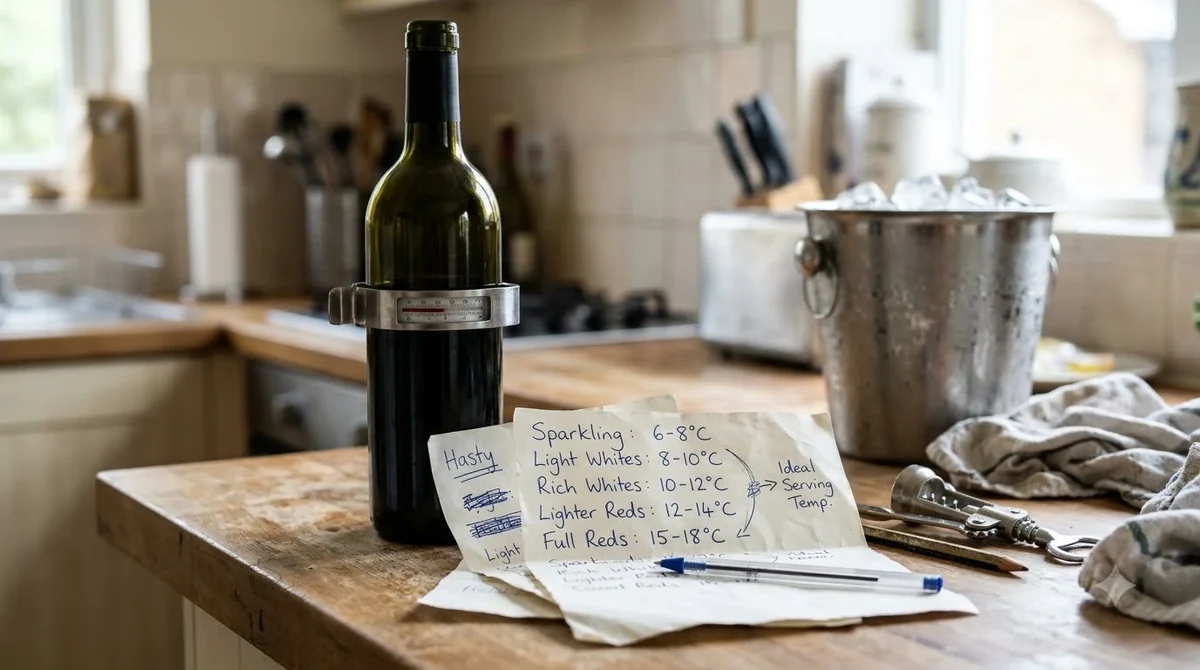
Temperature can influence how strongly alcohol is perceived. Serving a red wine too warm can make its alcoholic warmth more noticeable, while excessive chilling can mute aromas and flavors.
Use these general serving ranges as a starting point:
- 14 Hands Pinot Grigio: 45-50°F.
- 14 Hands Cabernet Sauvignon: 60-65°F.
- Hot to Trot Smooth Red Blend: 60-65°F.
White wines generally benefit from cooler serving temperatures, while fuller reds are better slightly below typical room temperature. If a red bottle has been stored in a warm room, a short period of cooling can help it reach a more suitable serving temperature.
Food pairing and wine structure
Cabernet Sauvignon’s tannins work well with protein-rich foods and dishes containing some fat. Grilled beef, hearty cheeses, and lasagna are useful choices because the richness of the food helps soften the perception of tannin.
Pinot Grigio’s refreshing acidity is better suited to grilled fish, seafood pasta, and lighter dishes. Acidic foods generally work best with wines that have equal or greater acidity, helping the wine retain its freshness alongside the meal.
For a red blend with more alcohol and structure, avoid pairing it with extremely spicy dishes if you are sensitive to the warming sensation of alcohol. Chili heat can seem more intense alongside higher-alcohol wines and tannic reds.
Pouring approximately 5 ounces at a time also makes comparisons easier. It gives you a consistent serving size and allows you to understand the difference between the 12.5%, 13.5%, and 14.5% examples without confusing serving volume with alcohol concentration.
For more varieties and brand comparisons, visit our Wine Brands section, which covers alcohol percentages and characteristics across different producers.
Frequently Asked Questions
Does 14 Hands make wine in cans as well as bottles?
Yes. The official 14 Hands wine range includes several canned formats, including Pinot Grigio, Hot to Trot Red Blend, White Bubbles, and Rosé Bubbles. Container size is important when comparing alcohol quantities because a can and a standard 750 ml bottle do not contain the same volume.
What does the 14 Hands name mean?
The name refers to the height measurement used for horses. One hand equals 4 inches, so a horse measuring 14 hands stands 56 inches, or 4 feet 8 inches, at the withers. The winery uses the image of wild horses associated with the Columbia River Basin as part of its brand identity.
Is 13.5% ABV the same as 27 proof?
No. Under the US proof convention, proof is twice the alcohol-by-volume percentage. A wine at 13.5% ABV would therefore equal 27 proof mathematically. Wine bottles generally display ABV rather than proof, so the percentage is the more useful figure for wine comparisons.
Can two bottles of the same 14 Hands variety have different alcohol percentages?
Yes. Different vintages can have different grape sugar levels, blending proportions, and fermentation outcomes. For example, the documented 2020 Hot to Trot Smooth Red Blend is listed at 14.5% ABV, but that figure should not automatically be assigned to every other Hot to Trot release.
Does a larger wineglass change the ABV of 14 Hands wine?
No. ABV describes the concentration of alcohol in the liquid, not the size of the glass. However, pouring 8 ounces instead of 5 ounces at the same ABV increases the total alcohol in the serving by 60%, because the amount of wine has increased by that proportion.
14 Hands offers several wine styles with different alcohol concentrations, making it useful to compare the individual variety rather than rely on a brand-wide average. The documented Pinot Grigio at 12.5%, Cabernet Sauvignon at 13.5%, and 2020 Hot to Trot Smooth Red Blend at 14.5% provide three clear reference points. For the most accurate comparison, use the ABV associated with the particular bottling and consider serving size alongside the percentage.
More in Wine Brands
 Louis Latour Wine Price: Compare Bottles by Style and TierUpdated Nov 20, 2026
 Yellow Tail Moscato Price: What to Expect Before You BuyUpdated Nov 20, 2026
 Sutter Home Sweet Red Review: Find the Right Food PairingsUpdated Nov 20, 2026
 Franzia Chillable Red Review: Find the Right Serving StyleUpdated Nov 20, 2026
 Veuve Clicquot Rose Review: Flavor, Food Pairings and Buying AdviceUpdated Nov 20, 2026
 Rombauer Wine Price: Compare Bottles Before You BuyUpdated Nov 20, 2026