

We may earn a commission when you buy through links on this page, at no extra cost to you. Learn more.
The best wine gifts for wine snobs are precise tools and rare-bottle experiences, not novelties: a glass with the right bowl shape, a decanter that aerates on purpose, a preservation system for opened bottles, and a cellar piece that holds temperature steady. Each one speaks to a drinker who already owns the basics and notices when a glass is too small or a red is served too warm. Start with what the recipient already pours from, then fill the gap they have not yet closed.
Buying for someone who talks about terroir, cork taint, and decanting times is harder than buying for a casual drinker. A generic corkscrew or a slogan tumbler will rarely impress them. The gifts that land well are the ones that change how a bottle tastes, protect a bottle they care about, or give them a reason to open something special. This guide groups those gifts by what they do for the glass, not by price or brand.
Quick Comparison
The five categories below differ in how much they change the drinking experience and how much upkeep they need. Use the table to match the gift to the recipient’s habits before you shop.
| Gift Category | What It Changes | Best For | Upkeep | Occasion |
|---|---|---|---|---|
| Shape-specific tasting glasses | Aroma concentration and how the wine hits the palate | Someone who swirls, sniffs, and compares | Hand-wash, store upright | Birthdays, holidays, housewarming |
| Aerating decanters | Oxygen exposure for young or tannic reds | Hosts who serve big reds | Hand-wash and air-dry | Dinner parties, anniversaries |
| Preservation systems | Shelf life of an opened bottle | Collectors and slow sippers | Replace cartridges or stoppers as needed | Milestones, year-round |
| Temperature-controlled storage | Serving and aging temperature stability | Anyone with a growing collection | Dust and filter cleaning | Major milestones, group gifts |
| Rare or regional bottles | The tasting itself | Enthusiasts who track vintages and origin | None | Any celebration |
Best for Glass Obsessives: Shape-Specific Tasting Glasses
A serious drinker often notices when a glass is wrong for the wine. Glass shape matters because a wider bowl exposes more wine to air, while a narrow opening keeps aromas concentrated. Red-wine glasses are generally rounder and wider than white-wine glasses, and sparkling wine is traditionally served in tall, narrow flutes to help hold carbonation. According to the Wikipedia overview of wine glasses, a Bordeaux-style glass suits full-bodied reds, while a broader Burgundy glass suits delicate reds such as Pinot noir.
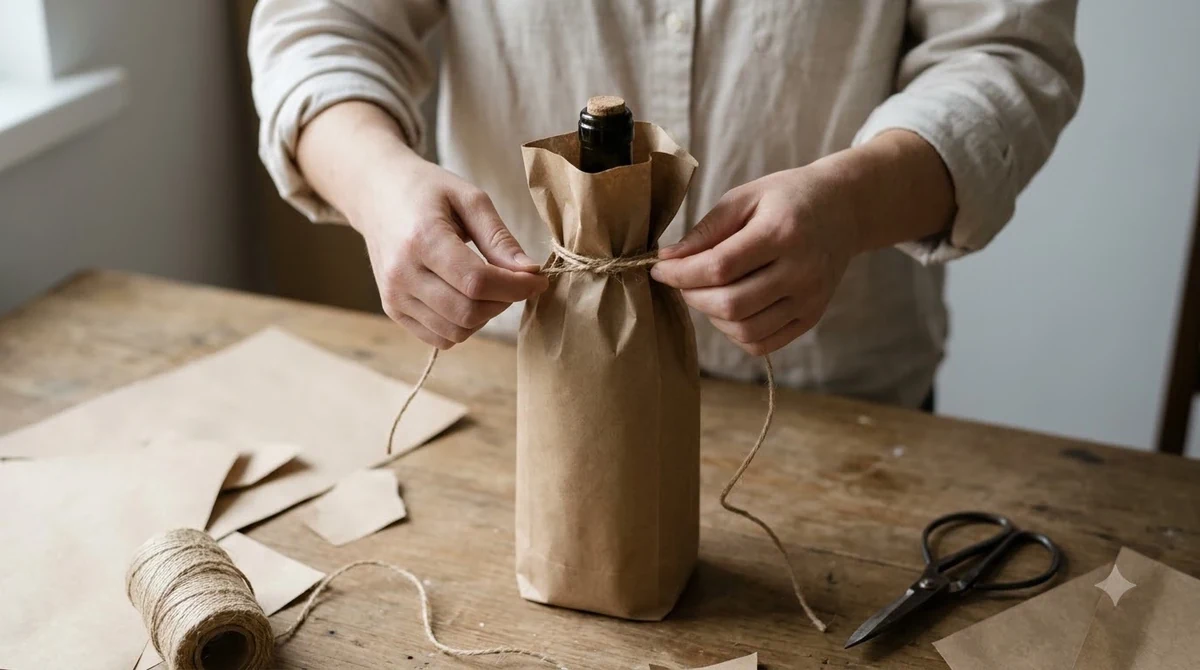
The best gift in this group is a matched set for one or two styles the recipient drinks most, rather than a dozen mismatched shapes. A pair of Burgundy-style glasses for Pinot noir lovers, or a set of ISO-style tasting glasses for someone who likes to judge wines side by side, shows that you paid attention to how they drink. Look for thin rims and a stem that is easy to hold by the base, because holding the bowl warms the wine.
Best for Hosts Who Serve Big Reds: Aerating Decanters
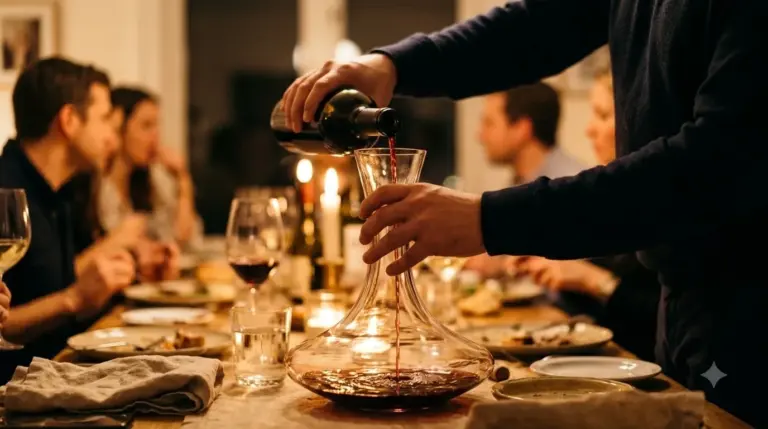
A decanter is a practical gift for someone who serves young, tannic reds and wants them to taste more open. Decanting exposes wine to air, which is often described as letting it breathe, and it mimics the effect of swirling a glass. The Wikipedia entry on decanters notes that decanting also separates sediment from older or unfiltered wines, though modern wines usually throw less sediment than they once did.
Choose a wide-base decanter with a narrow neck. The wide base gives more surface area for air contact, and the narrow neck makes pouring controlled. Crystal looks striking on a table, while plain glass is easier to clean. Expect the recipient to know that very delicate wines, such as lighter Pinot noir, can lose aroma after long exposure, so a decanter pairs best with a gift that also includes a brief guide to which bottles benefit from it.
Best for Collectors Who Open Slowly: Preservation Systems
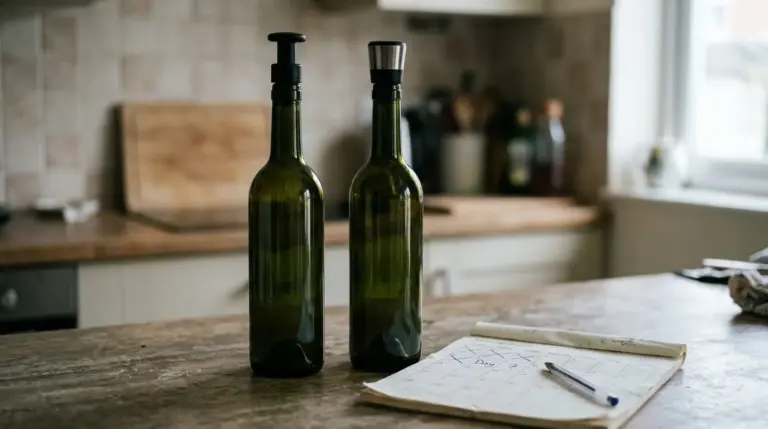
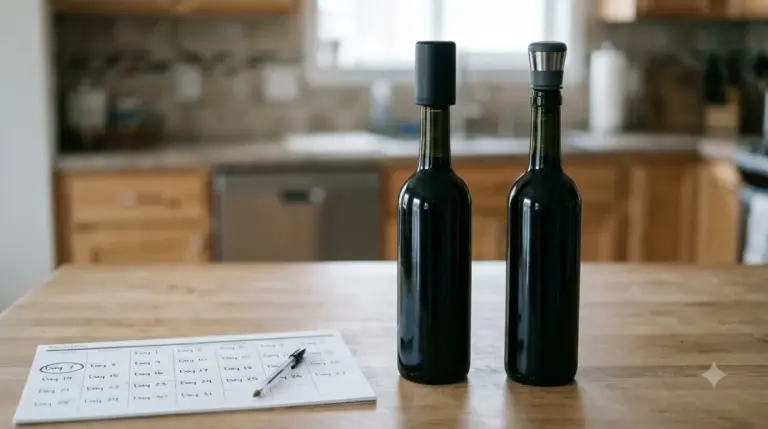
Nobody who collects good bottles wants to pour a glass and watch the rest turn flat within two days. Oxygen is the main enemy of an opened bottle, and the wine oxidizes faster at warmer temperatures. Preservation systems address this by replacing the air above the wine with an inert gas or by removing it with a vacuum pump. Wine preservation systems often use nitrogen to dispense wine, since inert gas helps prevent oxidation and premature spoilage.
This gift works best for a recipient who opens a bottle over several evenings or keeps a few bottles of a favorite wine on hand. Check whether the system uses cartridges that need replacing, and whether it is compatible with the closures they already use. A gift of replacement cartridges along with the system shows that you thought about how the gift will keep working after the first bottle.
Best for Growing Cellars: Temperature-Controlled Storage
A wine cooler is the gift for someone who has moved past the rack in the kitchen and started to care about where each bottle sleeps. Stable temperature matters more than many people expect. Temperature swings cause corks to expand and contract, which can let air into the bottle, and warm storage speeds up aging in ways that are hard to reverse.
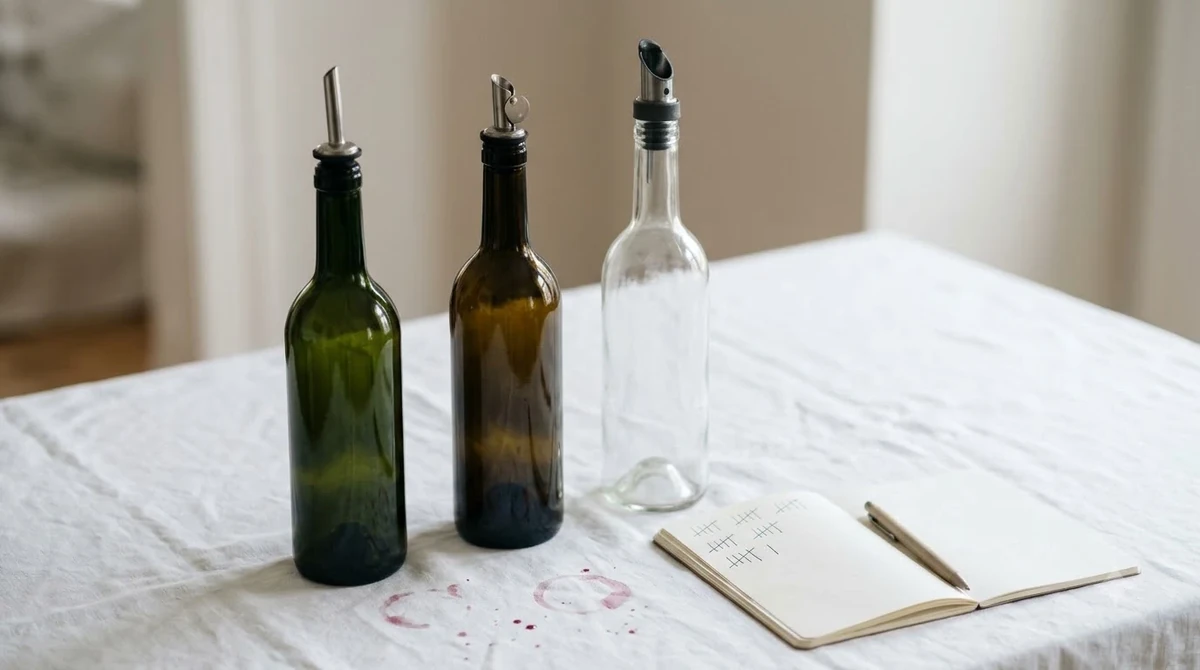
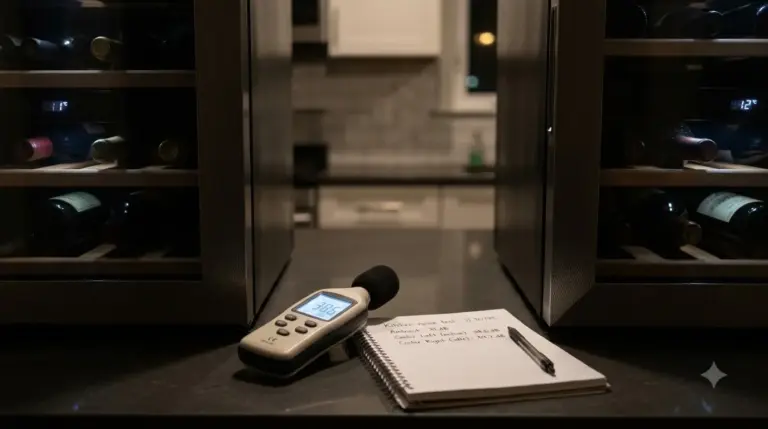
Look for dual-zone units if the recipient keeps both reds and whites, since each style is served at a different temperature. A single-zone cabinet is enough for a collection that is mostly one style. Check the noise level and where it will sit, because the wrong location can cause vibration or heat problems. This is a larger gift, so it suits a major milestone or a shared gift from several friends.
Best for Connoisseurs Who Track Origin: Rare and Regional Bottles
For some recipients, the most meaningful gift is the bottle itself, chosen for a region, producer, or vintage they have been meaning to try. This works when you know what they already own and what they have mentioned wanting. Bottles from a well-documented region, such as a named Burgundy commune or a Napa Valley cabernet from a producer with a long history, give them a story to share along with the wine.
Ask the shop about provenance and storage history before you buy an older bottle. A bottle that was stored badly can taste flat or oxidized, and a connoisseur will notice. For younger bottles, a note explaining the region and what to expect from the style often matters as much as the label. If you are unsure, pair a modest bottle with a tasting glass so the gift feels complete.
How to Choose
Match the gift to the recipient’s routine. Someone who tastes one wine at a time values precision tools. Someone who hosts often values decanters and glassware. Someone who buys ahead values storage and preservation. Before you spend, check three things: the style of wine they drink most, whether they already own a similar item, and how much upkeep they want.
- Usage: Single glass or a table of guests?
- Style: Mostly red, white, or sparkling?
- Space: Is there room for a cooler or a decanter they will use?
- Upkeep: Are they willing to replace cartridges or hand-wash crystal?
Frequently Asked Questions
What is the single best wine gift for a serious wine drinker?
A matched pair or set of tasting glasses in the shape suited to their favorite style is the most useful gift for most serious drinkers. It changes every pour and it does not require upkeep beyond careful washing.
Do wine snobs really need a decanter?
Not every wine needs decanting. Young, tannic reds often benefit from air exposure, while older wines with sediment should be decanted carefully just before serving. A decanter is most valuable for hosts who serve bold reds regularly.
How long does a preservation system keep an opened bottle fresh?
Results depend on the wine, the system, and how full the bottle is. Preservation systems slow oxidation, but they do not stop it entirely, so a wine is usually best enjoyed within a few days, even when preserved.
Is a wine cooler worth it for someone with only a few bottles?
A small cooler makes sense if the recipient keeps bottles for several months or wants to serve reds and whites at the correct temperature. For a few bottles that are drunk within a week, a cool, dark cupboard may be enough.
The best wine gift for a snob is the one that makes the next bottle taste better. Start with the glass, add a tool that fits how they drink, and save the rare bottle for a milestone. For more ideas, see the wine gifts guide, and compare with the wine gifts for women and wine gifts for men picks if the recipient’s style is more casual.
More in Wine Gifts
 Best Wine Bottle Opener Gift Set: Which Opener Style to GiveUpdated Nov 18, 2026
 Best Secret Santa Wine Gift Ideas for Any RecipientUpdated Nov 18, 2026
 Best Personalized Wine Glasses for Valentines Day GiftsUpdated Nov 18, 2026
 Best Personalized Wine Glasses for Mothers Day, by StyleUpdated Nov 18, 2026
 Best Hostess Wine Gift Ideas for Dinner Parties and GatheringsUpdated Nov 18, 2026
 Best Wine Gifts for Wife: Romantic and Practical Picks for Date NightsUpdated Nov 18, 2026