

We may earn a commission when you buy through links on this page, at no extra cost to you. Learn more.
How to keep wine fresh after opening comes down to limiting its contact with oxygen and keeping it cool. Oxygen is the main thing that flattens an open bottle, so the goal is to reduce the air above the wine, reseal the bottle tightly, and store it at a steady, cool temperature. How long the wine keeps depends on its style, but these habits slow down the change in almost every case.
Once a bottle is open, the wine starts a slow chemical change. Fruit flavors fade, the aroma becomes dull, and the color can shift. This guide explains why that happens, which simple steps slow it down, and how to tell when a bottle has gone past the point of drinking.
Why opened wine changes so quickly
Oxidation needs only two things to happen: oxygen and a catalyst. Once the cork is out, the wine has far more contact with air than it did in the sealed bottle. The Wikipedia entry on wine faults describes oxidation as the loss of color, flavor, and aroma that makes a wine taste flat, and it notes that it can also show up as premature browning or yellowing. Cooked fruit and walnut-like notes are common signs.
Oxygen also feeds spoilage. The same article explains that acetic acid bacteria can turn wine vinegary, which is why a bottle left open for a long time can smell sharp rather than simply stale. The two changes often happen together, so the goal is to slow both.
Reseal the bottle tightly and keep it cold
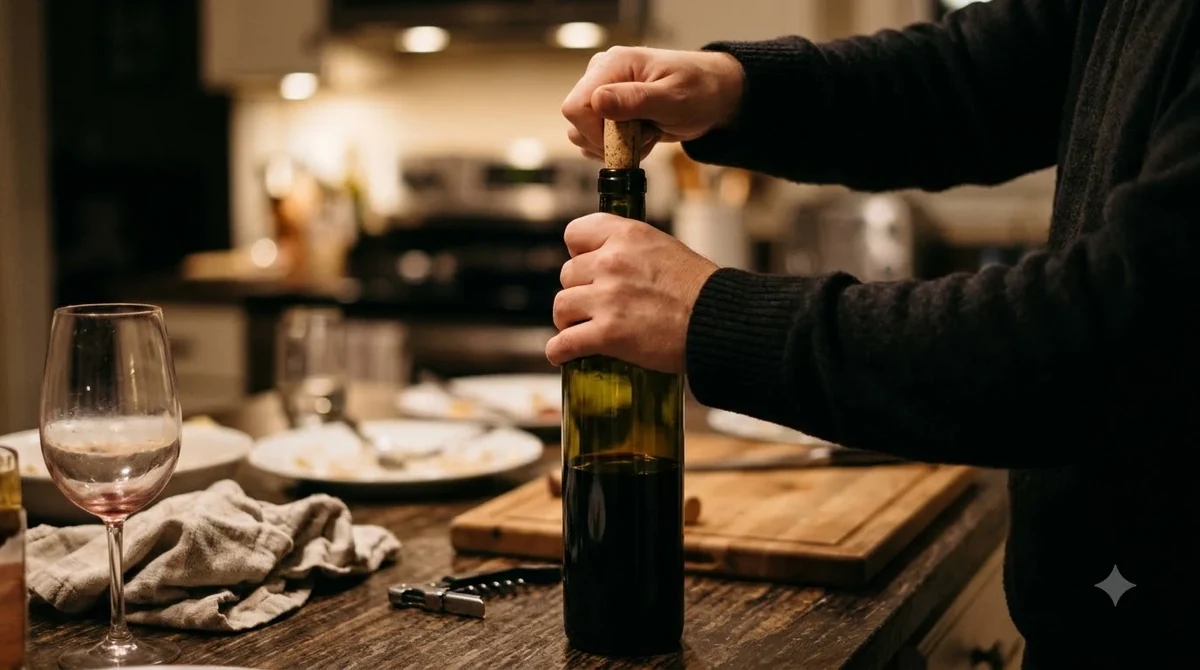
The simplest step is to push the original cork back in or use a stopper that fits the neck snugly. A loose stopper lets more air in with every small movement, and the wine loses freshness faster. Replace the cork right after pouring, not after the glass is finished, because the wine is most exposed while it sits in the bottle with air above it. Cork tightly, then return the bottle to its cool spot without delay. A bottle left on the counter while a meal is cleared can lose a noticeable amount of freshness in an evening.
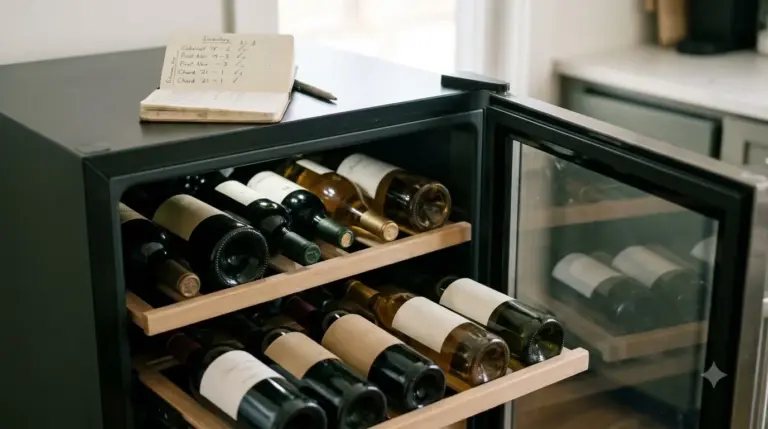
Temperature matters as much as air. The same wine-fault reference notes that heat and temperature swings speed up oxidation, because the expansion and contraction of air in the bottle can pull fresh air past the cork. Keeping the bottle in a steady, cool place helps far more than a warm shelf near an oven or a sunny window. For most opened wines, the refrigerator is the most practical option, although it should be a fridge that holds a steady temperature. If you have a wine fridge that struggles to stay cold, a wine fridge that is not cooling will need fixing before it can protect an open bottle.
Red wine goes into the fridge too, even though it is usually served at cellar temperature. Chill it for storage and let it warm for about half an hour before pouring, so the flavors come back to life.
Use less air: smaller bottles and inert gas
A bottle that is half empty holds much more air than a full one. Pouring the remaining wine into a smaller bottle or a clean, airtight container reduces the air space, which slows the change. Many people keep a few half bottles on hand for this reason, and the trick works well for leftover wine after a dinner.
Two other tools are common in wine shops and homes. Vacuum pumps remove some of the air above the wine before the stopper goes in. Inert gas sprays, usually argon blends, fill the space above the wine with a gas that does not react with it. Both methods help, but they only slow the process. They do not stop it, and a wine treated this way still needs to be drunk within a reasonable window.
How different styles hold up after opening
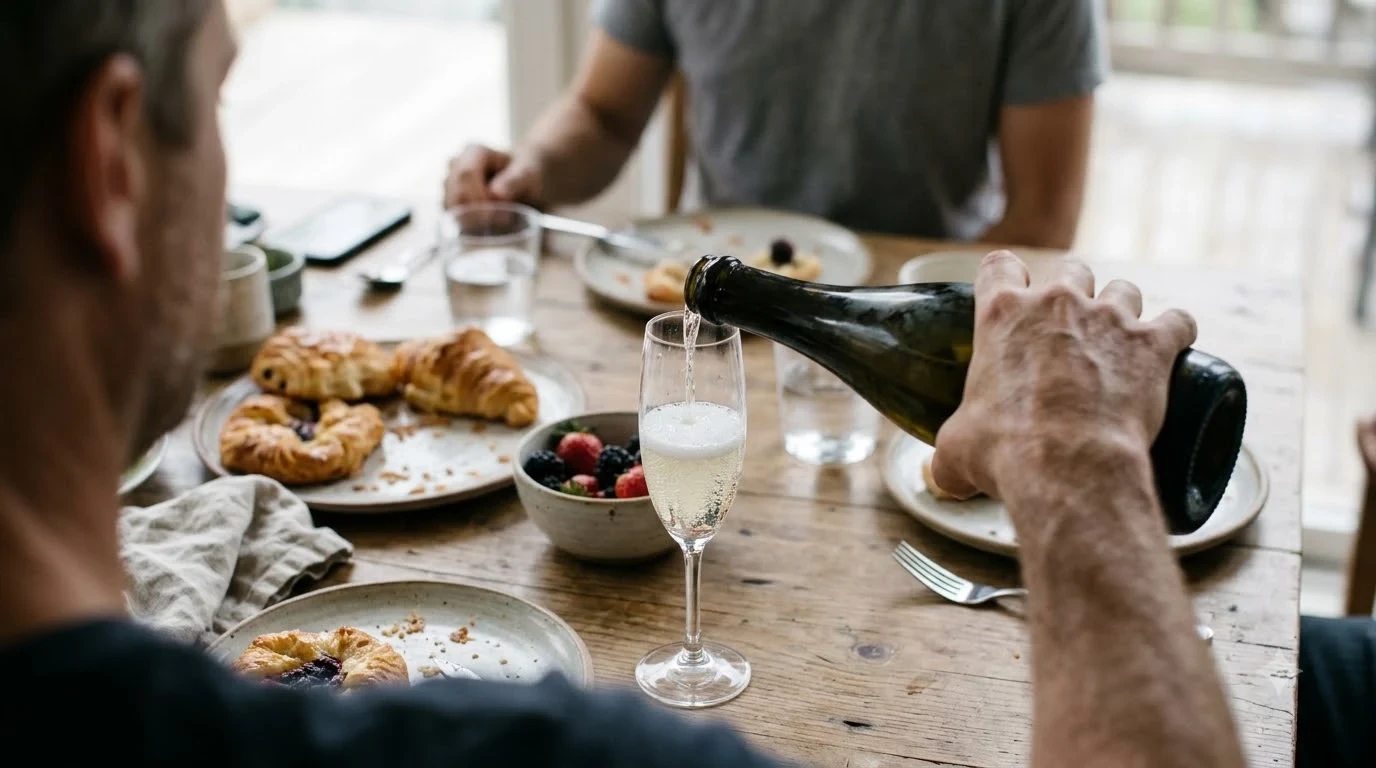
Not every bottle ages the same way once it is open. Light, delicate wines lose their fresh fruit quickly, while fuller reds with more tannin often seem to hold their shape longer. Sparkling wine is a special case because the bubbles fade as soon as the seal is broken, so a dedicated sparkling stopper is the best choice. Fortified wines like port and sherry are more stable because of their higher alcohol and sugar, but they still lose their character over time.
Sparkling wine needs the most attention of all. The guides on how to store opened champagne and how long champagne lasts after opening cover the same principles in more detail, and they apply to most sparkling bottles, not only champagne. Keeping the bottle chilled and sealed with a proper stopper is the single most useful step.
| Wine style | What changes first | Best storage habit |
|---|---|---|
| Light white and rosé | Fresh fruit and crisp acidity fade | Reseal tightly and refrigerate right away |
| Full-bodied red | Fruit dulls and the wine can turn flat | Use a smaller container and keep it cold |
| Sparkling wine | Bubbles fade quickly once opened | Use a sparkling stopper and chill it |
| Fortified wine | Aroma softens over a longer period | Keep it sealed in a cool, dark place |
Tip: Write the date on the stopper or the bottle when you open it. A simple note keeps you from guessing later whether a bottle is still worth pouring.
Signs that an opened wine has gone bad
Trust your nose before your mouth. A vinegar smell, a sharp, burning sensation, or a sherry-like or nail-polish note usually means the wine has spoiled and should be poured out. Wine that tastes flat, dull, or muted but does not smell sour is often still safe to drink, just less enjoyable. Cooking with it is a good second life for a bottle that has lost its freshness, because the heat in a sauce or stew hides much of the flatness.
It also helps to judge the wine by its color. A red that has turned brick-orange at the rim, or a white that has darkened toward amber, often points to oxidation that has already gone far. Color alone does not prove a wine is spoiled, but combined with a dull smell it is a reliable warning. Pour a small taste before serving a bottle that has been open for a long time, especially if guests are coming, so you are not surprised at the table.
Frequently Asked Questions
Does the cork help keep wine fresh after opening?
The original cork helps, but it is not a complete seal once it has been pushed out and pushed back in. A snug stopper or a vacuum pump gives better protection than a loose cork that sits crooked in the neck.
Should red wine go in the refrigerator after opening?
Usually yes, because cold slows oxidation. Let the bottle warm for about half an hour before serving so the aromas and flavors can come forward again.
Is it safe to drink wine that has been open for a few days?
It depends on the wine and how it was stored. Wine that smells sour or vinegary should be discarded. A flat but clean-smelling wine is generally safe, although it will taste less lively.
Does sparkling wine keep the same way as still wine?
No. Sparkling wine loses its bubbles quickly once opened, so a dedicated sparkling stopper that keeps pressure in the bottle works better than a regular cork.
Good habits make a bigger difference than any single gadget. Reseal the bottle right after pouring, keep it cool, and use a smaller container when much of the wine is left. If you are unsure whether a bottle is past its best, use your nose first, and if the wine seems fine, consider cooking with it or serving it chilled with a meal. For more background on preserving bottles after they are opened, the open wine and preservation section collects practical guides on each method.
More in Storage & Fridge Care
 How Long Can You Store Wine in a Wine Fridge? Protect Bottle QualityUpdated Nov 20, 2026
 Can You Store Beer in a Wine Fridge? Keep Both Drinks FreshUpdated Nov 20, 2026
 Is It Worth Repairing a Wine Fridge? Spot the Cheap Fixes Before You ReplaceUpdated Nov 20, 2026
 Wine Fridge Condensation: Identify Causes and Fix Moisture ProblemsUpdated Nov 20, 2026
 Wine Fridge Too Cold: Protect Your Wine and Fix the TemperatureUpdated Nov 20, 2026
 How to Reset Wine Fridge: Restore Cooling and SettingsUpdated Nov 20, 2026