

We may earn a commission when you buy through links on this page, at no extra cost to you. Learn more.
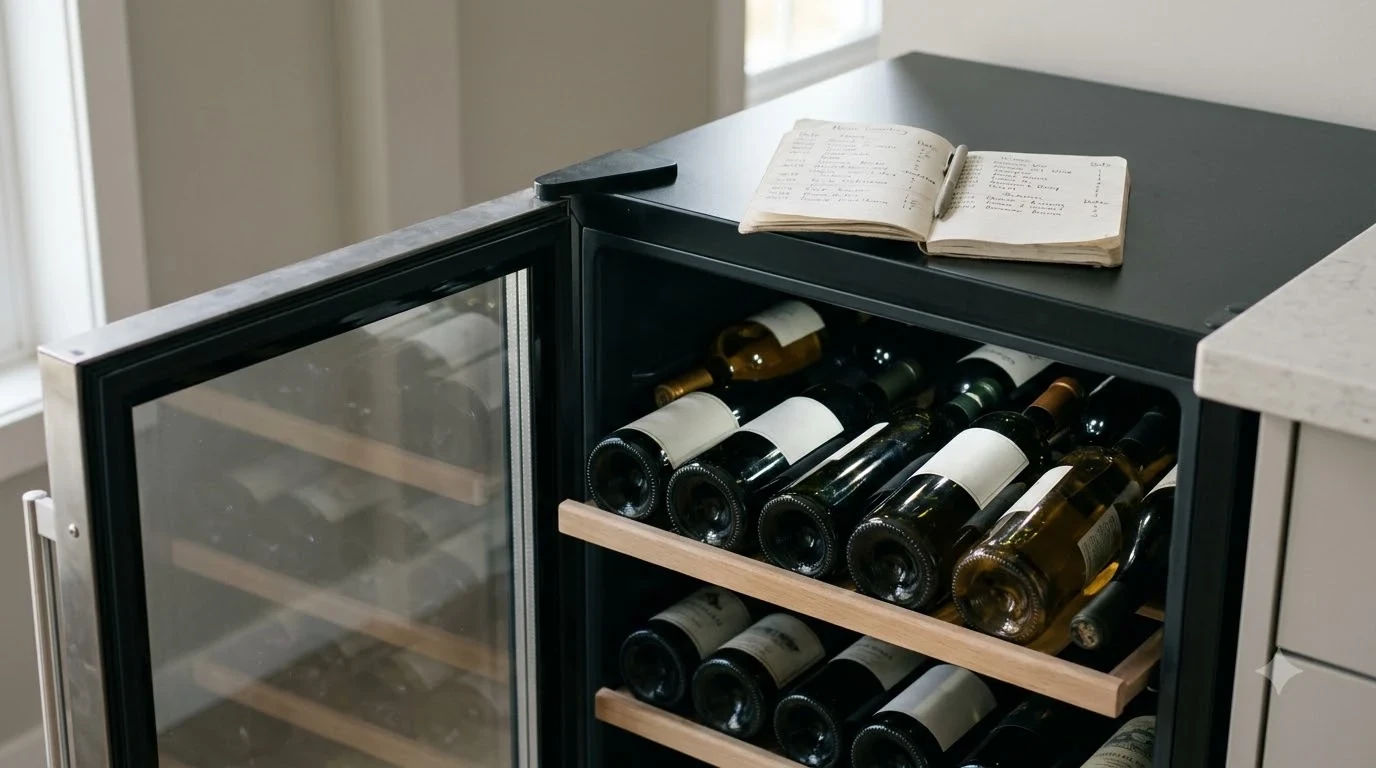
Why is your Hisense wine fridge not cooling? In most cases the cause is something you can check in a few minutes: a temperature setting warmer than the room, blocked airflow around the cabinet, a dusty condenser at the back, or a door seal that no longer closes tightly. The use-and-care guide for Hisense wine coolers supports this same order of checks, and it draws a clear line between what owners can do and what belongs to an authorized technician. Start with the settings and airflow, then move to the door, the level, and the display before assuming the cooling system has failed. If the wine has been warm for a long stretch, protect the bottles as well as the appliance.
A wine fridge is only useful if it holds a steady, cool temperature day and night. When the cabinet drifts warm, the bottles inside are exposed to conditions wine handles poorly, and the fridge itself may be working harder than it should. The encouraging part is that most warm-cabinet problems trace back to settings, airflow, the door, or placement. This guide follows that order, drawing on the use-and-care guide for Hisense’s HWD46029SS wine cooler and on two wine sources for the storage targets. Change one thing at a time, and give the cabinet several hours to respond before deciding nothing has worked.
Start With the Temperature Setting
Confirm the setting before anything else, because a dial set warmer than the room can keep the cabinet from ever reaching the temperature you expect. Hisense’s use-and-care guide for the HWD46029SS gives the figures you need to check it against.
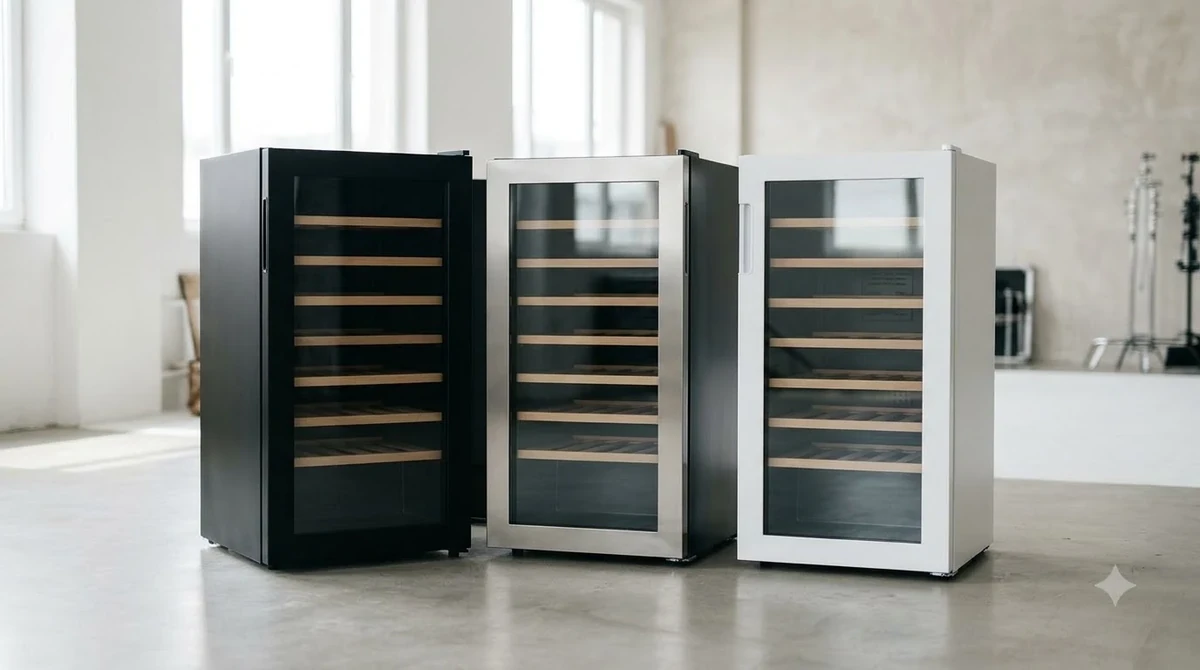
The guide lists a control range of 5°C (41°F) to 18°C (64°F), with the factory preset at 12°C (54°F). If your unit shows a number you did not choose, an earlier bump against the control panel or a previous owner may have moved it, so reset it to the factory value and let the cabinet run for several hours. The same guide states plainly that the appliance does not work properly when the set temperature is higher than the surrounding room. That explains why a correctly set unit can look broken in a warm kitchen during summer.
Keep the operating range of the room in mind as well. The guide gives an ambient operating range of 12.8°C (55°F) to 38°C (100°F). A room hotter than that sits outside the design envelope, and no setting will fully correct it. Move the cabinet to a cooler spot before you assume a fault inside the unit.
| Check | Figure from the Hisense guide | What it means for you |
|---|---|---|
| Temperature setting range | 41°F to 64°F (5°C to 18°C) | Choose a setting within the control’s stated range |
| Factory preset | 54°F (12°C) | Reset to this value if the setting looks wrong |
| Ambient operating range | 55°F to 100°F (12.8°C to 38°C) | A room hotter than this will strain the cabinet |
| Top-to-bottom shelf variance | 2°C to 3°C | A small spread between shelves is expected |
| Storage target for maturing wine | 53.6°F to 57.2°F (12°C to 14°C) | Aim the dial at this window for long-term storage |
Remember that the display shows an average. The guide explains that when you set a temperature, you are setting an average for the whole cabinet, and the top and bottom shelves can differ by 2°C to 3°C. A bottle near the top may therefore feel warmer than the panel suggests, and a small spread is not automatically a fault. If the spread is large, or the whole cabinet stays warm after a full day at the correct setting, move on to the airflow checks below.
Give the Cabinet Room to Breathe
Airflow is the second place to look, and it is the one people most often overlook. A wine fridge rejects heat through its back and parts of its base, so anything that blocks that path forces the cooling system to work harder than it was built to.
Placement comes first. The guide says the appliance should not sit close to radiators or gas cookers, and it should avoid long periods in direct sunlight. Wine Enthusiast’s guide to the enemies of wine calls heat public enemy number one for wine, and it warns that repeated warmth can give wine a cooked or stewed character. A fridge that struggles is therefore also putting your bottles at risk, which makes placement worth fixing early.
Next, look at the back. During normal operation the guide explains that the compressor and condenser heat up considerably, so the unit needs minimum clearance for ventilation. It also warns that keeping ventilation openings clear is essential, and that neglecting this can cause component failure. Pull the cabinet out far enough to see the rear, and make sure nothing is pressed against it, whether that is a wall, a stack of boxes, or a cable tray. The guide also asks owners not to place wine directly against the rear wall of the compartment, so keep that in mind when you restock the shelves.
Tip: Check the vents and grille on the cabinet before you pull it forward. Dust and pet hair collect there quickly, and a partly blocked grille can look like a cooling fault from the outside even when the compressor is fine.
Clean the Condenser and the Interior
Dust on the condenser is a frequent reason a fridge runs constantly without catching up to its setpoint. Cleaning it takes only a few minutes, but the cabinet must be switched off and unplugged first, as the guide requires for any cleaning or maintenance work.
Once the cabinet is unplugged and the bottles are out, use a soft brush or a vacuum with a brush attachment to clear dust from the condenser coils and the grille at the back or bottom. Work gently around the fan blades and avoid bending the fins, because damaged fins restrict airflow even after the dust is gone. Put back any panel or grille cover you removed, plug the cabinet in again, and listen for the compressor and fan to start. If the fan does not spin when the compressor runs, that points toward a service call rather than a home repair.
For the interior, the guide suggests washing with warm water and about 2 tablespoons of baking soda per 4 cups of water, then drying everything thoroughly. It also says to wipe the bottom of the storage area periodically, because the cabinet is designed to hold humidity and condensation can collect there. Standing water on the floor often points to a blocked water drain hole, and the guide sends owners to the cleaning section for that fix. If your cabinet is an Allavino model rather than a Hisense, our allavino wine fridge not cooling guide covers the back-panel checks specific to that layout.
Check the Door Seal and How Often You Open It
A door that lets warm air in can keep a cooling system busy without ever returning the cabinet to temperature. Check the seal and the alarm behavior before you assume the cooling system itself has failed.
The guide describes a door alarm that starts once the door has been open more than 2 minutes. The buzzer sounds three times a minute and stops on its own after 8 minutes, and closing the door clears it. Treat that alarm as a prompt to shorten your visits rather than as a fault. Opening the door often, or leaving it open while you choose a bottle, lets warm room air into the cabinet every time, and a unit in a bright or hot room will feel that more than most.
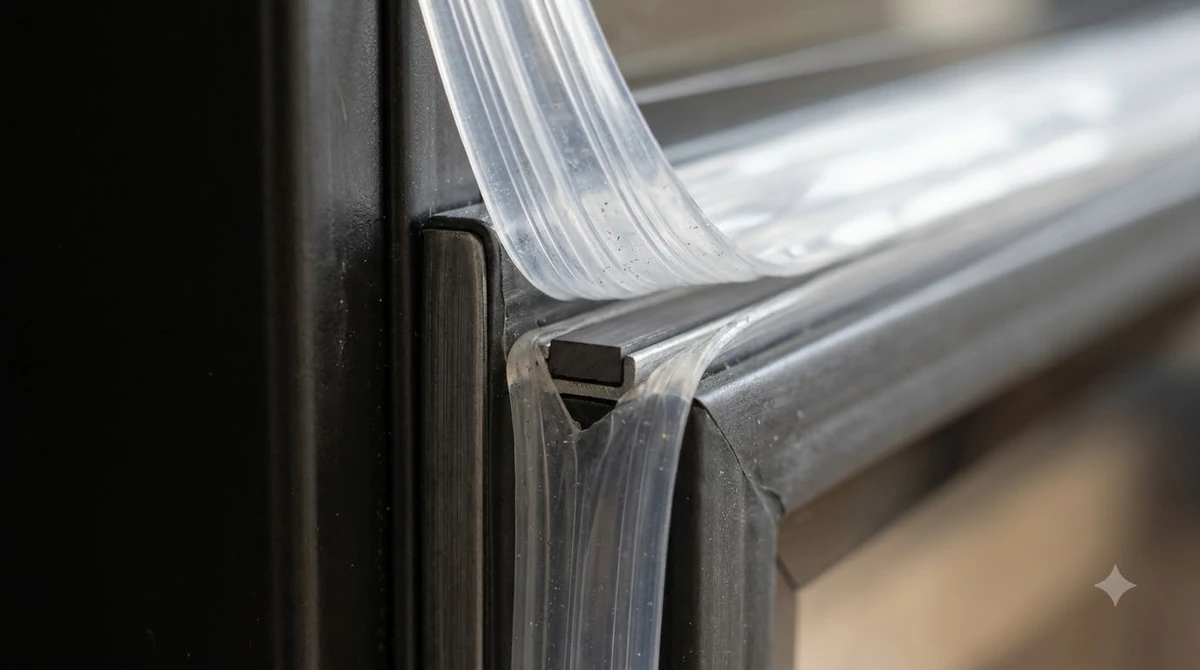
Next, inspect the seal itself. The guide notes that a door seal can stop being airtight after the hinges are changed over, and it lists heavy frost on the door seal among the symptoms owners see. If a section of the gasket does not sit flush, the guide suggests warming the leaking area carefully with a hair dryer, keeping it no hotter than about 50°C (122°F), and then shaping the softened gasket by hand so it seals properly. Clean the door with a mild detergent and dry it with a soft cloth before you test the seal, because a dirty surface can hide a poor fit.
Level the Unit and Keep It Off the Walls
A cabinet that sits unevenly can cause problems with the door, the noise level, and the seal. The guide treats leveling as a basic check that should come before any deeper work.
The guide says the appliance must be level, and it explains that the height can be adjusted by rotating the feet. Use a small spirit level on the top of the cabinet, then turn each foot a little at a time until the unit sits steady and the door swings closed on its own. A cabinet that rocks can rub the door against the frame, and an unlevel door is one reason a gasket stops sitting flush. Recheck the level after you move the unit, since floors and rugs can shift the feet over time. Wine Enthusiast also notes that vibration can disturb the sediment in aging wine, so a rattling cabinet is a storage problem as well as a noise problem.
Contact with other objects causes trouble too. The troubleshooting section lists unusual noises from a cabinet that touches the wall or other objects, and from a pipe at the back that is touching another part of the appliance. The remedy is to move the appliance slightly, and if a pipe is the cause, to bend that component out of the way carefully. Keep a little space behind the cabinet so it does not lean on anything. If your cabinet turns out to be a Haier model, our haier wine fridge not cooling page covers the same leveling and airflow checks with that brand’s layout in mind.
Read the Display for Standby, Alarms and Delayed Starts
Sometimes the fridge has not failed at all. It may be in standby, holding an alarm, or waiting for the compressor after a setting change. Each of these can look like a warm cabinet from across the room.
Standby mode
The guide says standby mode stops cooling completely. To enter or leave it, press and hold the standby key for more than 3 seconds. The buzzer beeps and the display shows “OF” while standby is active. A key pressed by accident, a child, or a pet can switch a unit into standby, and the cabinet will then warm up for no obvious reason. Check the display before you spend an hour on other fixes. If you plan to leave the unit unused for a long time, the guide suggests removing the wine and unplugging the cabinet.
Compressor delays after a change
The guide’s troubleshooting table lists a compressor that does not start immediately after a temperature change, and it says the compressor starts after a period of time. After you adjust the dial, give the cabinet time to respond before judging it. Decide based on a thermometer reading taken over several hours, not on the first few minutes after the change.
Over-temperature alarm
If the display triggers an over-temperature alarm, the guide tells you to press the Cancel Alarm key, take out the wine, and contact customer service. The light changes from blinking to steady once the cabinet cools back to the set temperature. Do not silence the alarm and walk away, because it exists to warn you that the bottles have become warmer than the setting. Keep the 2°C to 3°C shelf spread in mind, and check the bottles nearest the top and bottom with a handheld thermometer if you have one.
When to Stop and Call a Technician
Some faults belong to a trained technician, and the guide is clear about where that line sits. Knowing it early keeps a manageable problem from becoming a costly one.
The guide states that this unit uses R600a, a hydrocarbon refrigerant, and that maintenance and recharging must be carried out only by authorized technicians. Because the refrigerant and insulation gases are flammable, the guide warns owners against attempting repairs themselves. If you find yourself thinking about opening the cooling circuit or the rear panel beyond the cleaning steps above, stop. Unplug the cabinet, move the wine to a cool, dark room, and call for service.
Several other warnings matter here. Do not scrape frost off with sharp instruments, because the liner’s refrigerant channels can be punctured and the unit can be damaged beyond repair. The guide allows a scraper for frost, and it says solid ice should be allowed to thaw rather than being forced off. It also warns against using mechanical devices or other means to speed up defrosting, except the methods the manufacturer recommends. If the problem continues after these checks, the guide points owners to a qualified electrician, an authorized service technician, or the store where the unit was bought.
For symptoms that do not match anything in this guide, our brand troubleshooting section sorts common cooling faults by cabinet type, which can help you describe the problem accurately when you call.
Frequently Asked Questions
What temperature should I set a Hisense wine fridge to?
For storage, aim for the 53.6°F to 57.2°F window that the guide gives for maturing wine. For serving, light whites and rosé usually sit best at 45 to 50°F, full whites at 50 to 55°F, light reds at 55 to 60°F, and full reds at 60 to 65°F. Setting the cabinet for storage and then bringing bottles to serving temperature a little ahead of time is simpler than changing the dial for each bottle.
How many bottles can a Hisense wine fridge hold?
The HWD46029SS guide says the unit can keep 46 standard 750 ml Bordeaux bottles at the same time. Each shelf is rated for a maximum load of 33 lb, and the guide caps the bottom of the compartment at six bottles so they do not roll into one another. Loading the cabinet to its limit can crowd the back, so leave room for air to move around the bottles.
Can I keep wine in the garage or kitchen while the fridge is being repaired?
Decanter advises against both places because their temperatures vary too much, and Wine Enthusiast adds that strong odors from garlic, spices, or garage chemicals can change a wine’s flavor. If the cabinet is down, a cool closet away from appliances and cooking smells is a safer temporary spot. Move the bottles lying down so the corks stay moist.
Why does my wine taste cooked after the fridge warmed up?
Wine Enthusiast notes that wine exposed to heat can take on a cooked or stewed character, and prolonged heat can push the cork out of the bottle. Over time the wine can also turn brown and develop vinegar or sherry-like notes from oxidation. Bottles that have been warm for a long period may be past their best, so taste one before serving a whole case.
How should I clean the outside of my Hisense wine fridge?
The guide suggests spraying water onto the cleaning cloth rather than directly onto the surface, which spreads moisture more evenly. It warns against detergents and abrasive powders, along with thinner, car detergent, Clorox, oils, and organic solvents such as benzene, because these can damage the finish. Unplug the unit before cleaning, and dry the door with a soft cloth after washing it.
Most warm Hisense cabinets come back to temperature once the setting, airflow, door, and level are right. If none of those steps brings the cabinet back into the target window, stop working on it and get a technician involved, because the bottles inside are what you are protecting. A thermometer placed inside the cabinet will show you the trend over time, which is more useful than the dial alone.
More in Storage & Fridge Care
 How Long Can You Store Wine in a Wine Fridge? Protect Bottle QualityUpdated Nov 20, 2026
 Can You Store Beer in a Wine Fridge? Keep Both Drinks FreshUpdated Nov 20, 2026
 Is It Worth Repairing a Wine Fridge? Spot the Cheap Fixes Before You ReplaceUpdated Nov 20, 2026
 Wine Fridge Condensation: Identify Causes and Fix Moisture ProblemsUpdated Nov 20, 2026
 Wine Fridge Too Cold: Protect Your Wine and Fix the TemperatureUpdated Nov 20, 2026
 How to Reset Wine Fridge: Restore Cooling and SettingsUpdated Nov 20, 2026