

We may earn a commission when you buy through links on this page, at no extra cost to you. Learn more.
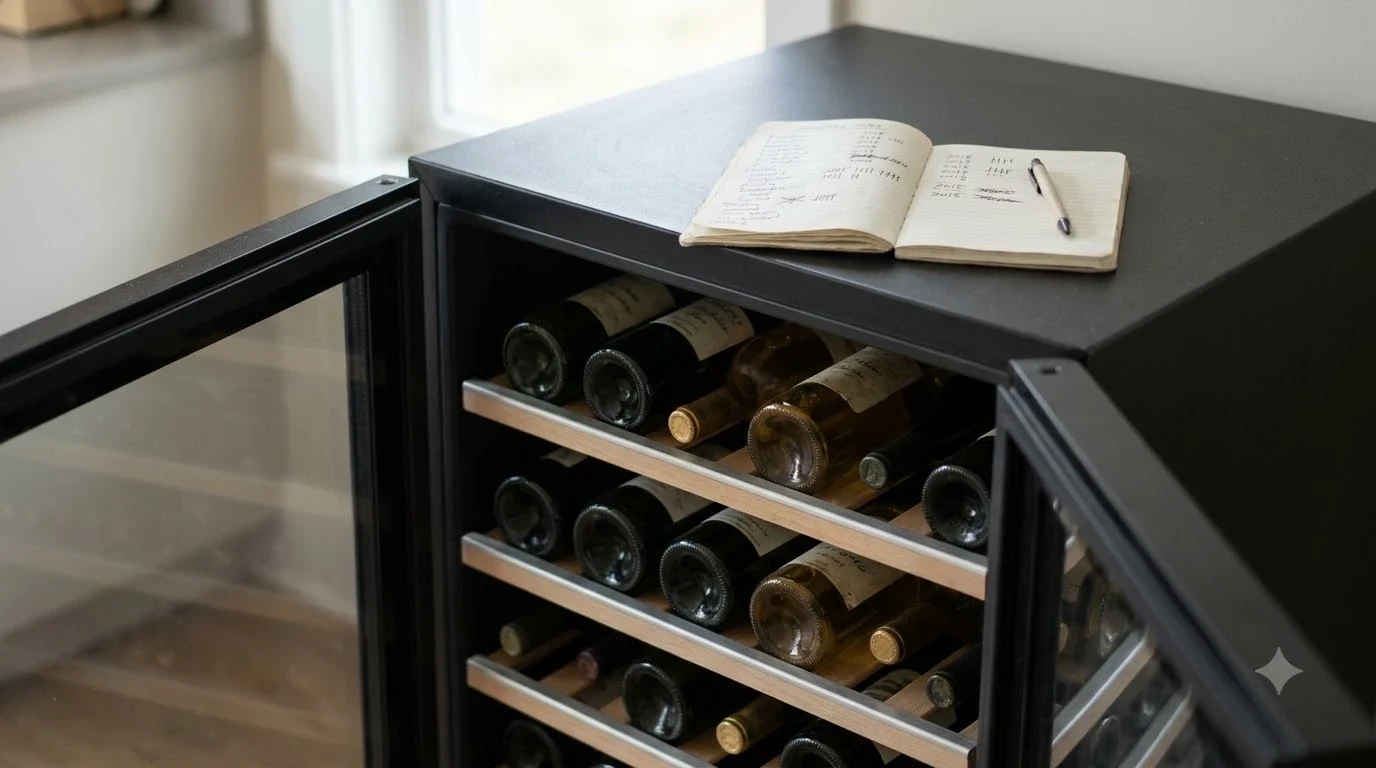
A kalamera wine fridge not cooling usually has a problem with its temperature setting, ventilation, door seal, or refrigeration system. Start by checking the power supply, confirming the selected temperature, clearing the ventilation openings, and making sure the door closes tightly. If the compressor runs without producing cold air, or the temperature remains too high after basic checks, the appliance may need professional refrigeration service.
A wine cooler needs consistent airflow, a reliable door seal, and a functioning refrigeration system to maintain suitable storage conditions. When a Kalamera refrigerator stops reaching its target temperature, the cause may be something simple, such as an obstructed exhaust opening, or something more serious, such as a compressor or refrigerant problem. The most effective approach is to check the accessible components first, monitor the actual cabinet temperature, and avoid dismantling electrical or sealed refrigeration components.
Check the Temperature Setting and Power Supply First
The first step is to confirm that the cooler is receiving power and that its temperature setting is appropriate for the model. An incorrect setting, interrupted electrical supply, or control-panel problem can make a functioning refrigerator appear to have a cooling failure.
Begin by looking at the digital temperature display. Make sure the appliance is switched on and that the displayed setting is lower than the current cabinet temperature. Some Kalamera single-zone models have a temperature range of 40–66°F, while the KRC-46DZB and KRC-157DZB dual-zone models have an upper-zone range of 40–50°F and a lower-zone range of 50–66°F, according to their instruction manual.
These differences matter because a setting that is correct for one model may be unavailable on another. A cooler cannot reach a temperature outside its specified operating range. For example, setting a single-zone model to 38°F will not make it cool below its minimum supported temperature if that model starts at 40°F.
Check the following items before changing anything else:
- Power connection: Confirm that the plug is firmly inserted into a functioning, grounded wall outlet.
- Circuit breaker: Check whether the household breaker has tripped or a fuse has blown.
- Temperature setting: Make sure the selected temperature is within the range supported by the model.
- Display response: Check whether the control buttons respond when pressed.
- Temperature units: Confirm whether the display shows Fahrenheit or Celsius.
The distinction between a set temperature and an actual temperature is important. A display may show the selected target rather than an accurate measurement of the entire cabinet. Use an independent refrigerator thermometer on a middle shelf to confirm whether the wine compartment is actually cooling.
Allow sufficient time for the temperature to stabilize before deciding that the refrigerator has failed. Kalamera’s manual specifies a 24-hour stabilization period before normal use. A cabinet that has been switched off, recently transported, or loaded with numerous room-temperature bottles may need time to recover.
If the display is blank, the buttons are unresponsive, or an unusual error code appears, do not repeatedly disconnect and reconnect the appliance in an attempt to force it to work. A control-board or electrical problem may require diagnosis.
Restore Proper Ventilation Around the Wine Cooler
Restricted airflow is one of the first installation problems to investigate when a Kalamera cooler runs continuously but struggles to maintain its temperature. The appliance needs sufficient space for warm air to escape and fresh air to circulate around its ventilation openings.
Look at the cooler’s installation position. Freestanding models should not be pushed tightly against surrounding cabinets, walls, or furniture unless the specific installation instructions permit that arrangement. A blocked exhaust opening can trap heat and make the refrigeration system work harder without delivering the expected cooling performance.
For example, Kalamera’s KRC-33BSS manual recommends at least 4 inches of space at the rear and sides for its freestanding installation. Its requirements should not automatically be applied to every Kalamera model, however. Built-in appliances can have different ventilation arrangements and clearance specifications.
Kalamera’s official FAQ gives minimum built-in installation clearances of 1 inch at the top, 1 inch at the sides, and 2 inches at the back. The manufacturer’s requirements for the particular model should take priority over generic refrigerator installation advice.
Inspect these areas:
- Front ventilation grille: Remove visible dust and debris without damaging the grille.
- Rear ventilation area: Make sure the cabinet is not pressed against the wall.
- Side clearance: Check that surrounding furniture does not obstruct airflow.
- Internal fan openings: Make sure bottles and shelves are not blocking air circulation.
- Heat exposure: Move the appliance away from direct sunlight, ovens, radiators, and other heat sources when possible.
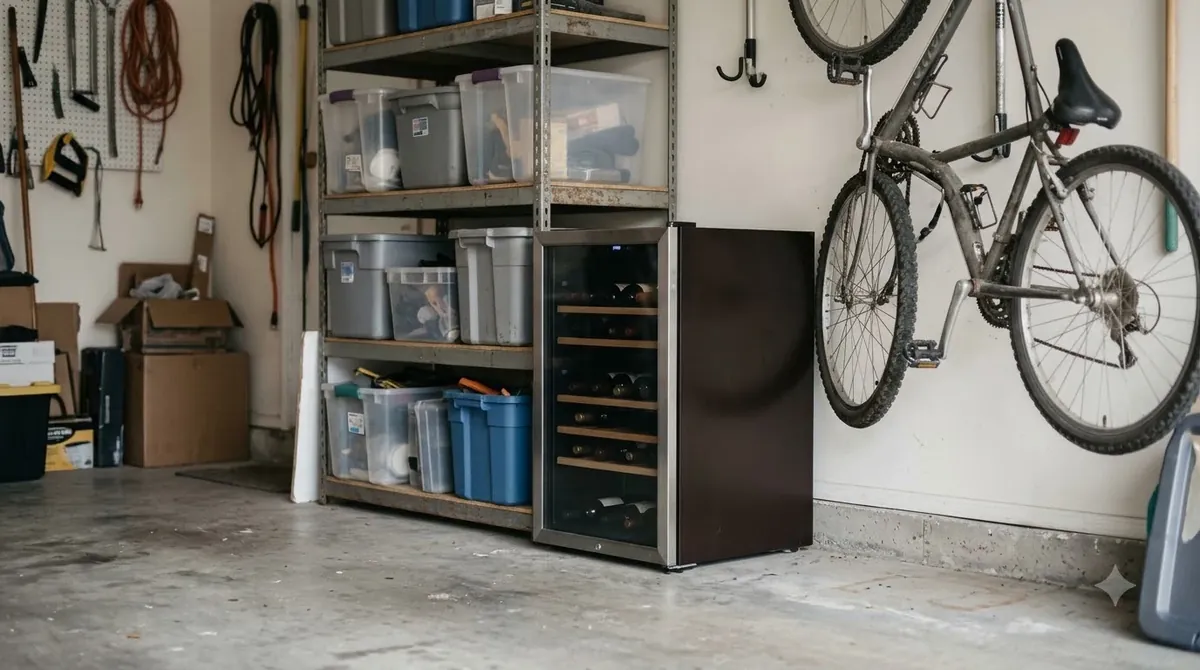
Also consider the room temperature. A wine refrigerator installed in a hot garage, enclosed utility room, or sun-exposed kitchen may struggle more than one operating in a cooler indoor environment. Higher surrounding temperatures increase the amount of heat the cooling system must remove.
Dust accumulation can also interfere with heat removal. Kalamera’s older compressor-cooler manual specifically recommends cleaning the condenser every six months. Follow the cleaning instructions for your model, disconnect the power before permitted maintenance, and do not remove protective panels to reach electrical or sealed refrigeration components.
Tip: Check the ventilation openings before changing the temperature repeatedly. A cooler with restricted airflow may continue running while the cabinet remains warmer than its selected setting.
Inspect the Door Seal and Check for Air Leaks
A door that does not close tightly allows warm, humid room air to enter the wine compartment. This makes temperature control less consistent, increases compressor workload, and can contribute to excessive frost or condensation.
Start by inspecting the entire rubber gasket around the door. Look for dirt, sticky residue, flattened sections, cracks, or areas that have pulled away from their mounting groove. Even a small gap can allow enough warm air into the cabinet to affect cooling performance over time.
Kalamera’s official FAQ recommends a simple paper test to assess gasket pressure. Place a thin piece of paper between the gasket and the cabinet frame, close the door, and gently pull the paper out. Repeat this test at several points around the door, including the top, bottom, and both sides.
The paper should encounter reasonably consistent resistance. If it slides out freely at one location, the gasket may not be making proper contact with the cabinet. This test does not establish whether the refrigeration system is working, but it can identify a potential air leak.
Check the following possible causes:
- Dirty gasket: Clean the rubber seal with a soft, slightly damp cloth and dry it thoroughly.
- Deformed gasket: Look for sections that appear twisted, flattened, or pulled out of position.
- Misaligned door: Check whether the door sits evenly against the cabinet frame.
- Loose hinge: Look for visible hinge movement or an uneven door gap.
- Obstructed shelves: Make sure bottles and shelf edges are not preventing the door from closing.
A wine cooler that has been recently moved or had its door reversed deserves particular attention. Kalamera’s manual explains that incorrect door installation can affect proper closure. If the door is visibly misaligned, consult the model-specific instructions rather than forcing it into position.
Replacement gaskets also need to match the exact model. Kalamera explains in its official FAQ that different gaskets can have different mounting clips and are not necessarily interchangeable. Obtain the complete model number before ordering a replacement component.
Excessive frost is another reason to investigate the seal. A small amount of frost can be normal, but substantial ice buildup may indicate moist air entering through a poorly sealed door. Kalamera also identifies sensor problems and high ambient humidity as possible contributors.
Understand Dual-Zone Temperature Problems
If one compartment cools normally while the other remains warm, investigate the individual temperature settings before assuming that the entire refrigeration system has failed. Dual-zone Kalamera models use separate temperature controls, and problems affecting one zone may involve its sensor, control board, or refrigeration components.
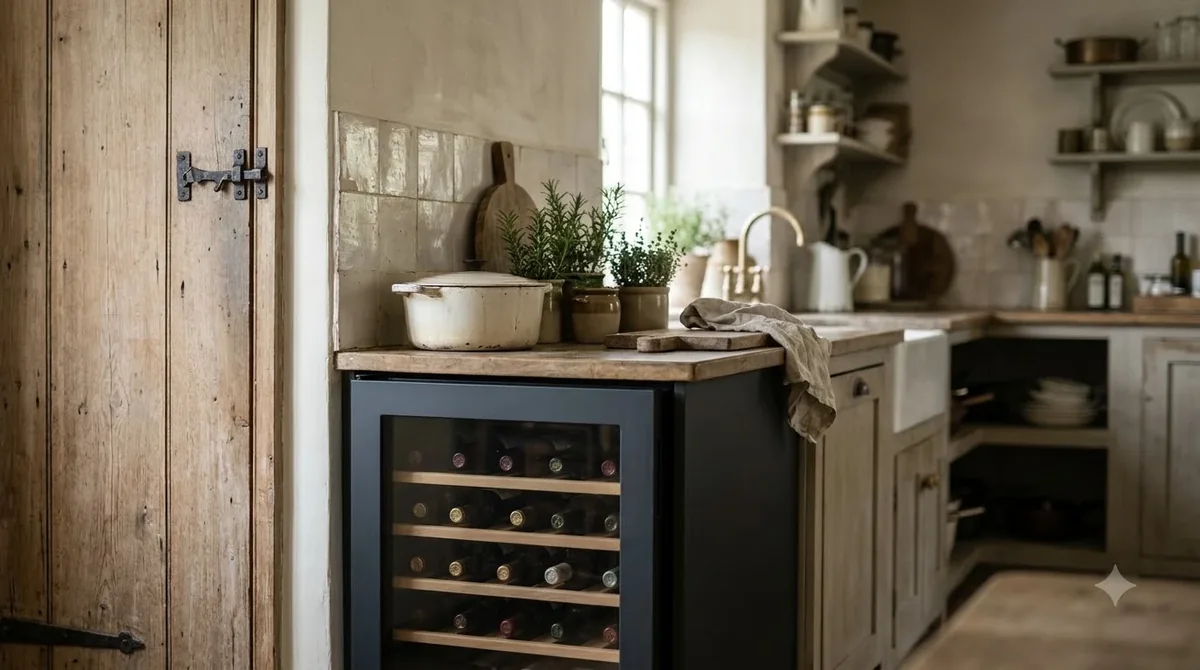
For example, Kalamera’s KRC-46DZB and KRC-157DZB instruction manual specifies an upper-zone range of 40–50°F and a lower-zone range of 50–66°F. The KRC-33BSS manual describes a different configuration, with an upper range of 41–50°F and a lower range of 50–64°F.
These model-specific differences explain why owners should not assume that every dual-zone wine refrigerator uses identical settings. A temperature range appropriate for the upper compartment may not be suitable for the lower compartment.
Use this comparison to identify where to begin:
| Observation | Possible cause | Recommended check |
|---|---|---|
| Both zones are warm | Power, airflow, compressor, or refrigeration problem | Check the outlet, settings, and ventilation |
| Upper zone is warm | Upper-zone sensor or control problem | Verify the upper-zone setting and temperature |
| Lower zone is warm | Lower-zone sensor or cooling problem | Verify the lower-zone setting and temperature |
| One zone fluctuates | Sensor, door seal, or airflow issue | Inspect the gasket and internal airflow |
| Both zones show errors | Possible control-board malfunction | Record the error and contact support |
When diagnosing the compartments, use a separate thermometer in each zone. Position each thermometer away from the door and avoid placing it directly against a cooling surface. Record the readings at consistent intervals so that you can determine whether one compartment is improving or remaining warm.
Also check how the bottles are arranged. Overcrowded shelves can obstruct internal circulation, while bottles positioned too close to the door may interfere with closure. Leave the intended air passages clear and avoid loading the cabinet with large quantities of warm wine at once.
If one compartment remains significantly warmer after the basic checks, a technician may need to examine the temperature sensors, control board, or refrigeration system. Kalamera specifically identifies these components as possible causes of single-zone cooling problems in its official FAQ.
Recognize Compressor, Fan, and Refrigerant Problems
When the temperature setting, door seal, and ventilation are all correct, the next step is to consider whether the refrigeration system is functioning properly. Compressor behavior can provide useful diagnostic clues, although identifying a particular component failure requires professional testing.
A compressor is responsible for circulating refrigerant through the cooling system. If it does not start, the cabinet may remain at room temperature even though the display appears normal. If it runs but the refrigerator produces little or no cooling, the problem may involve refrigerant circulation, a blocked pipeline, or another sealed-system fault.
Kalamera’s official troubleshooting guidance separates these conditions into two broad categories:
- Compressor does not run or become warm: A compressor starter issue or control-board fault may be responsible.
- Compressor runs but the cooler does not cool: A refrigerant leak or clogged pipeline may be involved.
Listen for the normal operating sounds before concluding that the compressor has stopped. A working cooler may produce a low humming noise, occasional clicking, or gurgling as refrigerant moves through the system. Kalamera identifies compressor sounds, solenoid-valve clicks, and refrigerant-flow sounds as normal operating noises.
Unusual sounds are more concerning when they occur alongside a rising cabinet temperature. A fan that has stopped rotating, a blade obstructed by debris, or a loose component can affect cooling performance. However, a fan should not be dismantled or tested with the appliance energized.
A suspected refrigerant leak requires particular care. Wine refrigerators use sealed refrigeration systems, so refrigerant is not something that owners should routinely top up. Kalamera explains that a leak requires a professional technician to locate and repair the source before the refrigerant is recharged.
Signs that warrant professional inspection include:
- The compressor runs continuously without lowering the cabinet temperature.
- The cooler cannot reach its selected temperature despite clear ventilation.
- The compressor does not start even though the appliance has power.
- One zone stops cooling while the other continues operating normally.
- The appliance develops persistent unusual noises together with cooling failure.
Do not puncture refrigerant lines, open the sealed cooling circuit, or attempt to replace a compressor yourself. These repairs require appropriate equipment, technical knowledge, and safe handling procedures.
Follow a Practical Troubleshooting Sequence Before Calling for Service
A systematic troubleshooting process helps separate ordinary installation problems from mechanical failures. Work through the accessible checks in order, change only one condition at a time, and record the results.
The following sequence is suitable for an owner who wants to identify the likely cause without dismantling the appliance.
Step 1: Confirm the electrical supply
Check the wall outlet, power cord, and circuit breaker. If the breaker has tripped, investigate whether there is an electrical problem before restoring power. Never use a damaged power cord or remove the grounding connection to make the refrigerator operate.
Step 2: Verify the temperature setting
Compare the selected temperature with the supported range of your model. For example, the KRC-18SZB and KRC-30SZB support 40–66°F according to their instruction manual. A dual-zone model may have separate upper and lower settings.
Step 3: Clear the ventilation openings
Inspect the grille, rear clearance, and internal airflow passages. Remove accessible dust and move nearby objects that obstruct ventilation. Do not block the front kick plate or other designated air openings.
Step 4: Check the door gasket
Clean the seal, examine the hinges, and perform the paper test at several points around the door. Remove bottles or shelves that prevent complete closure.
Step 5: Reduce the cooling load
If you recently added many room-temperature bottles, allow the refrigerator to recover without repeatedly opening the door. Avoid overcrowding the shelves or blocking the internal fan.
Step 6: Monitor the actual temperature
Place an independent thermometer inside the cabinet and record its reading. Recheck it after several hours and again after a full 24-hour stabilization period when appropriate. A consistent temperature trend is more useful than a single reading immediately after changing a setting.
Step 7: Document unusual behavior
Record whether the compressor starts, whether the fan appears to operate normally, whether one or both zones are affected, and whether an error code appears. These observations can help a technician distinguish a control problem from a refrigeration failure.
If the problem continues after these checks, arrange a professional inspection. For additional troubleshooting comparisons, the same basic diagnostic approach can help when investigating an allavino wine fridge not cooling, a magic chef wine fridge not cooling, or other wine-storage appliances.
Owners can also consult the Kalamera official troubleshooting FAQ for manufacturer guidance about compressor faults, error codes, gasket problems, and replacement parts. The Brand Troubleshooting resources provide additional information about maintaining wine refrigerators.
Know When to Contact Kalamera Support or a Repair Technician
Some cooling problems can be resolved through cleaning, better installation, or correcting a temperature setting. Electrical faults, compressor failures, refrigerant leaks, and damaged control boards require more specialized attention.
Kalamera’s official FAQ recommends contacting a local appliance repair technician who specializes in refrigeration when the cooler is not cooling because of a compressor, refrigerant, or pipeline problem. A qualified technician can test the refrigeration system and determine whether repair or replacement is appropriate.
Before requesting service, collect the following information:
- Complete model number: Find the identification label on the back of the refrigerator.
- Purchase information: Keep the order details and purchase date available.
- Serial number: Photograph the rating label so the manufacturer can identify the appliance.
- Error codes: Record any displayed numbers or warning indicators.
- Temperature readings: Note the actual temperatures in each compartment.
- Operating symptoms: Describe whether the compressor runs, whether unusual noises occur, and whether one or both zones are affected.
Kalamera’s FAQ identifies a display reading of 88 as a typical main control-board fault. It also identifies B2 or B4 codes accompanied by beeping and an extinguished LED as signs of a control-board problem. These symptoms should not be treated as ordinary temperature-setting errors.
Kalamera lists [email protected] as its customer-support email address. Its FAQ requests an order screenshot containing the order number, purchase date, and seller name, together with photographs of the rating label and barcode on the rear of the appliance.
The manufacturer’s FAQ states that its products come with a one-year warranty covering manufacturing defects. Warranty eligibility should be confirmed using the purchase information and the applicable terms. Avoid unauthorized electrical or refrigeration repairs before checking whether the problem may qualify for warranty assistance.
Replacement parts should also be selected carefully. Kalamera explains that door gaskets can have different mounting clips depending on the model, so a visually similar part may not fit correctly. Ask the manufacturer to confirm compatibility using the full model number before ordering.
When the compressor or sealed refrigeration system has failed, compare the professional repair assessment with the overall condition of the appliance. The age of the cooler, availability of parts, extent of damage, and cost of the required work all influence whether repairing or replacing the unit makes more sense.
Frequently Asked Questions
How long does a Kalamera wine fridge last?
Kalamera states that its wine coolers can operate reliably for many years under normal conditions with proper ventilation and use. The compressor is a major factor affecting overall appliance lifespan. Environmental conditions, operating load, and maintenance also influence long-term reliability.
Does a Kalamera wine cooler need regular refrigerant refills?
No. Kalamera describes its wine coolers as using sealed refrigeration systems that do not require routine refrigerant refills. If refrigerant escapes, the leak must be located and repaired before the system is recharged. Repeatedly adding refrigerant without repairing the leak does not solve the underlying problem.
Is a little frost inside a Kalamera wine refrigerator normal?
Yes, Kalamera indicates that a small amount of frost can occur during normal operation. Heavy ice accumulation is different and may indicate excessive moisture entering through the door gasket, high ambient humidity, or a temperature-sensor malfunction. Persistent buildup deserves inspection rather than repeated manual scraping.
Can a Kalamera wine fridge be transported lying down?
Kalamera’s instruction manual recommends keeping the appliance upright during transportation. Its specified manual also recommends leaving the cooler standing upright for approximately two hours before connecting it to power after transport. Always follow the instructions for the particular model being moved.
Can I replace a Kalamera wine fridge temperature sensor myself?
Sensor replacement depends on the model, the sensor’s location, and the construction of the electrical control system. Kalamera identifies sensor faults as a possible cause of cooling problems, particularly when only one zone is affected. Have a qualified technician confirm the fault and identify the compatible replacement component before attempting repairs.
A Kalamera wine refrigerator that stops cooling does not necessarily need a new compressor or a complete replacement. Check the temperature settings, ventilation, power supply, and door gasket first, then monitor the actual cabinet temperature. If cooling does not recover or the symptoms point to a sealed-system or electrical fault, professional diagnosis is the safest way to restore reliable wine storage.
More in Storage & Fridge Care
 How Long Can You Store Wine in a Wine Fridge? Protect Bottle QualityUpdated Nov 20, 2026
 Can You Store Beer in a Wine Fridge? Keep Both Drinks FreshUpdated Nov 20, 2026
 Is It Worth Repairing a Wine Fridge? Spot the Cheap Fixes Before You ReplaceUpdated Nov 20, 2026
 Wine Fridge Condensation: Identify Causes and Fix Moisture ProblemsUpdated Nov 20, 2026
 Wine Fridge Too Cold: Protect Your Wine and Fix the TemperatureUpdated Nov 20, 2026
 How to Reset Wine Fridge: Restore Cooling and SettingsUpdated Nov 20, 2026