

We may earn a commission when you buy through links on this page, at no extra cost to you. Learn more.
How long does champagne last after opening? Usually only a day or two at its best, because the bubbles fade quickly once the bottle is open. A tight stopper and a cold refrigerator slow the loss of fizz, but no method keeps an opened champagne fresh for long. Finish it soon, or use it in cooking if it has gone flat.
Champagne is built to hold pressure, but that pressure is the first thing lost after opening. This guide explains how long opened champagne keeps, why it goes flat, how to reseal the bottle, and where to store it so the remaining wine tastes as good as possible.
How Long Champagne Keeps After Opening
Once the seal breaks, champagne starts losing carbonation and aroma. Most opened bottles are best enjoyed within the same day, and a bottle resealed and refrigerated may still be pleasant the next day, though the sparkle will be weaker. Beyond that point the wine becomes flat and dull, and the fruit and yeast notes fade.
Vintage and rosé champagnes can have more structure, but that does not extend their life once opened. The same general rule applies to all sparkling wines: the less carbonation left, the sooner the wine starts to taste tired.
Why Champagne Goes Flat
Champagne holds carbon dioxide dissolved under pressure. Opening the bottle releases that pressure, and each time the bottle is poured or left uncovered, more gas escapes. A bottle that sits without a proper seal loses fizz steadily, and warm temperatures speed up the process because gas leaves a warm liquid more readily.
Air also plays a role. Oxygen that enters the bottle slowly dulls the fruit, so a wine that has been open for a while can taste more like stale apple or cardboard than like the fresh bread and citrus notes it started with.
How to Reseal an Open Bottle
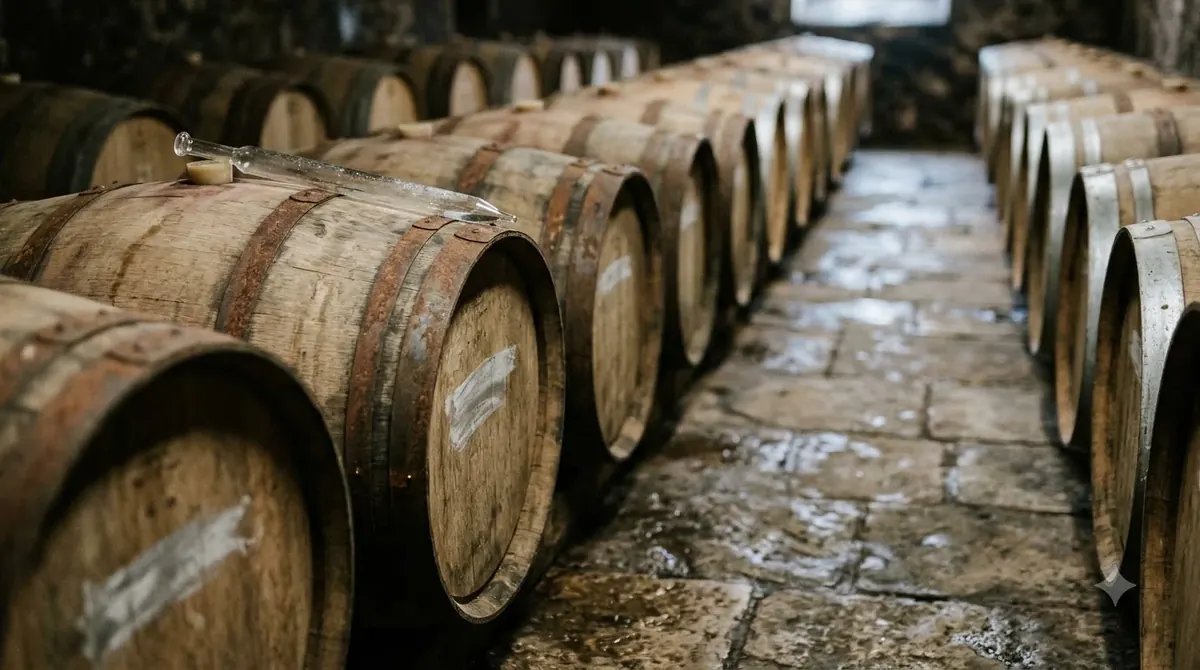
A champagne stopper is the simplest tool for keeping bubbles. It clamps over the lip of the bottle and creates a tight seal that slows the escape of carbonation. A regular cork or a screw cap does not hold pressure as well, so a dedicated stopper is worth using if you open bottles often.
Before resealing, pour the wine and wipe the neck of the bottle so nothing sticky interferes with the seal. Fit the stopper firmly and make sure it sits straight. The VinePair guide on storing open wine also notes that a tight seal and a smaller container with less air above the wine help preserve freshness, and the same principle applies to sparkling wine.
Where to Store an Opened Bottle
Keep the sealed bottle in the refrigerator, upright, and away from the door where temperature swings are common. Cold storage slows the release of carbon dioxide and the oxidation of fruit, which is why refrigeration helps most. A bottle left on a counter in a warm kitchen will lose its fizz much faster, even with a stopper in place.
If you are storing the bottle for later, keep it out of direct sunlight and away from strong smells, which can seep into the wine through a loose seal. The guide to storing opened champagne covers stopper types and cold storage in more detail.
Champagne Styles and How They Hold Up Once Open
Not all champagne behaves the same way after opening. Non-vintage brut bottles, which make up most of what sits on store shelves, are blended to taste the same from year to year, and they usually have a bright, lively profile that fades fairly quickly once the seal breaks. Vintage champagnes and rosé versions often carry more structure and richer fruit, so they can taste pleasant for a short time longer, though the fizz still goes first.
Sweeter styles such as demi-sec can seem more forgiving because the sugar softens the flat feel, but the lively carbonation is still the first thing to disappear. For most bottles, the practical rule is the same: plan to finish the wine within a day, and treat anything beyond that as a bonus rather than a standard.
Keeping Unopened Champagne Ready
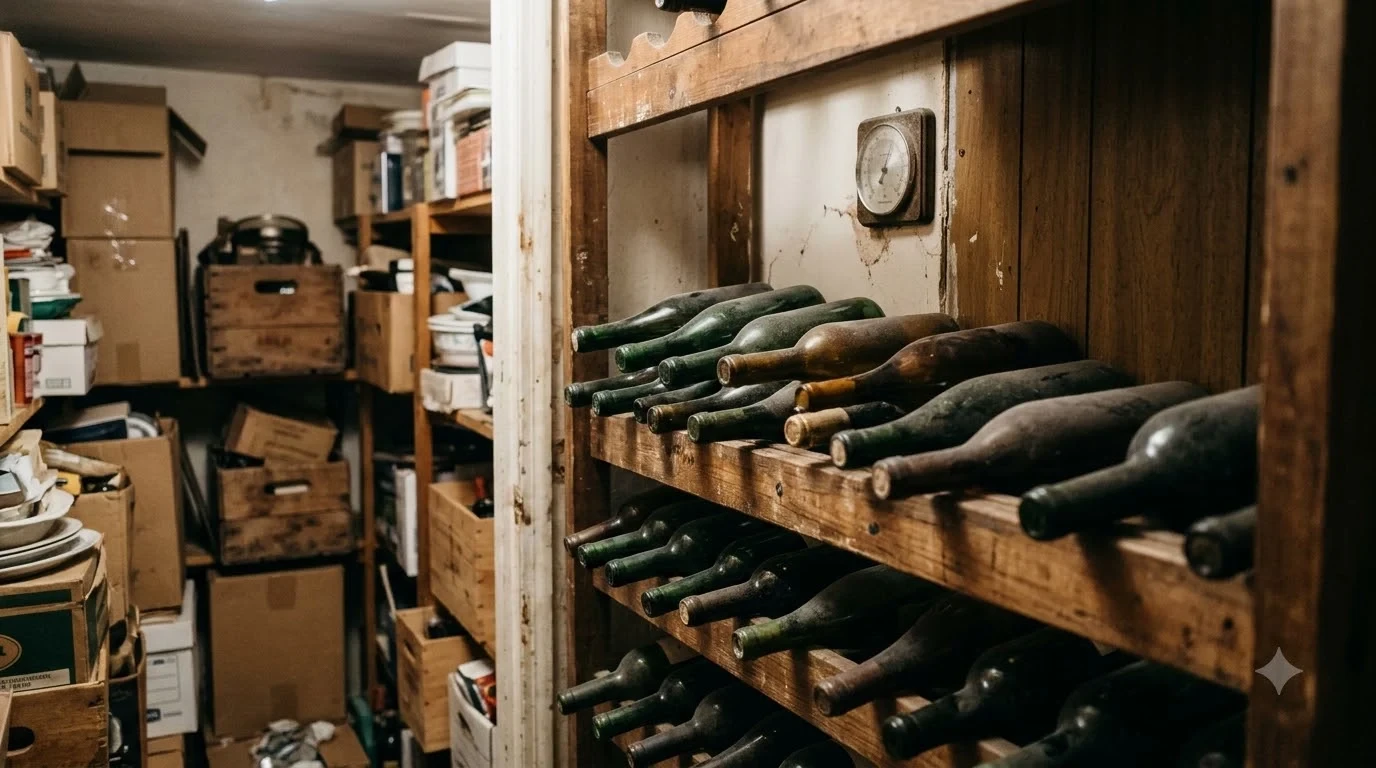
The best way to get the most from champagne is to start with a sound bottle. Keep unopened bottles lying down or upright in a cool, dark place away from heat and strong vibrations, because warmth and movement can disturb the wine and the cork. Chill the bottle before opening rather than in a freezer, so the pressure stays stable and the bottle is ready to pour without rushing. Once the seal is broken, the storage rules change, and the focus shifts to slowing the loss of carbonation and oxidation.
A bottle that has already been opened and then resealed should be treated as a short-term container. Write down the date if you plan to keep it overnight, and keep it refrigerated so the next pour is as close to the original experience as possible.
Signs an Opened Champagne Has Turned
A flat, lifeless wine is the most obvious sign that an opened champagne has passed its best. Other signals include a dull or brownish color, a smell of stale fruit or cardboard, and a sour or vinegar-like taste. Any of these means the wine is no longer pleasant to drink as a sparkling wine.
Taste is the final test. Pour a small amount into a clean glass and smell it first. If the aroma is clean and the wine tastes fresh, even with less fizz, it is still a pleasant drink. If the smell is sour or the taste is harsh, it is time to stop.
A slight loss of sparkle does not make the wine unsafe, but it does change the experience. The fruit may still be pleasant, so the wine can still work in a glass of mixed drink or in a sauce where the bubbles are not needed.
Using Flat Champagne
Flat champagne is not wasted. Cooks use dry sparkling wine in risotto, pan sauces for seafood, and batters for light frying, where the acidity and fruit add brightness and the bubbles are not needed. A splash in a fruit cocktail or a simple spritz also gives an older bottle a second life, and a few spoonfuls in a fruit salad can make the bottle worth finishing without pouring glasses.
For a general reference on storing open wine across types, the open wine and preservation guides on this site cover still wines, sparkling wines, and the best stoppers.
Frequently Asked Questions
How long does champagne last after opening?
Most opened champagne is best within one day. A resealed bottle kept in the refrigerator may still taste acceptable the next day, but the bubbles will be weaker.
Does a champagne stopper really keep champagne fresh?
A proper champagne stopper seals the bottle tightly enough to slow the loss of carbonation. It does not stop the wine from going flat altogether, but it makes a noticeable difference.
Can you refrigerate an opened champagne bottle?
Yes. Refrigeration slows the loss of fizz and the oxidation that dulls fruit. Store the bottle upright with a stopper in place.
Is flat champagne still safe to drink?
Flat champagne is generally safe to drink if it does not smell or taste sour. It tastes less lively, so it is often better used in cooking or mixed drinks.
Opened champagne is at its best within a day, so plan to finish the bottle or reseal it tightly and refrigerate it. Use a proper stopper, keep the wine cold, and use any leftover flat wine in cooking. Enjoy champagne in moderation.
More in Storage & Fridge Care
 How Long Can You Store Wine in a Wine Fridge? Protect Bottle QualityUpdated Nov 20, 2026
 Can You Store Beer in a Wine Fridge? Keep Both Drinks FreshUpdated Nov 20, 2026
 Is It Worth Repairing a Wine Fridge? Spot the Cheap Fixes Before You ReplaceUpdated Nov 20, 2026
 Wine Fridge Condensation: Identify Causes and Fix Moisture ProblemsUpdated Nov 20, 2026
 Wine Fridge Too Cold: Protect Your Wine and Fix the TemperatureUpdated Nov 20, 2026
 How to Reset Wine Fridge: Restore Cooling and SettingsUpdated Nov 20, 2026