

We may earn a commission when you buy through links on this page, at no extra cost to you. Learn more.
Campo Viejo Rioja tasting notes are typically led by ripe cherry, plum, and blackberry, with vanilla, baking spice, and a smooth, balanced finish. The exact profile depends on whether the bottle is a young Tempranillo, Crianza, Reserva, or Gran Reserva. Across the range, expect a dry red built around fruit and measured oak, with the longer-aged styles bringing more savory and toasted details.
Campo Viejo is a familiar name on Rioja shelves, but the label can cover several different expressions. Understanding the fruit, oak, grape blend, and aging term helps you predict what will be in the glass before opening the bottle. The notes below describe the range rather than treating every vintage and bottling as identical.
The Overall Flavor Profile in the Glass
Most Campo Viejo Rioja reds balance ripe red and dark fruit with gentle spice, oak, and moderate structure. Cherry, plum, and blackberry are useful starting points; vanilla, clove, pepper, and toasted wood become more evident in wines with longer maturation.
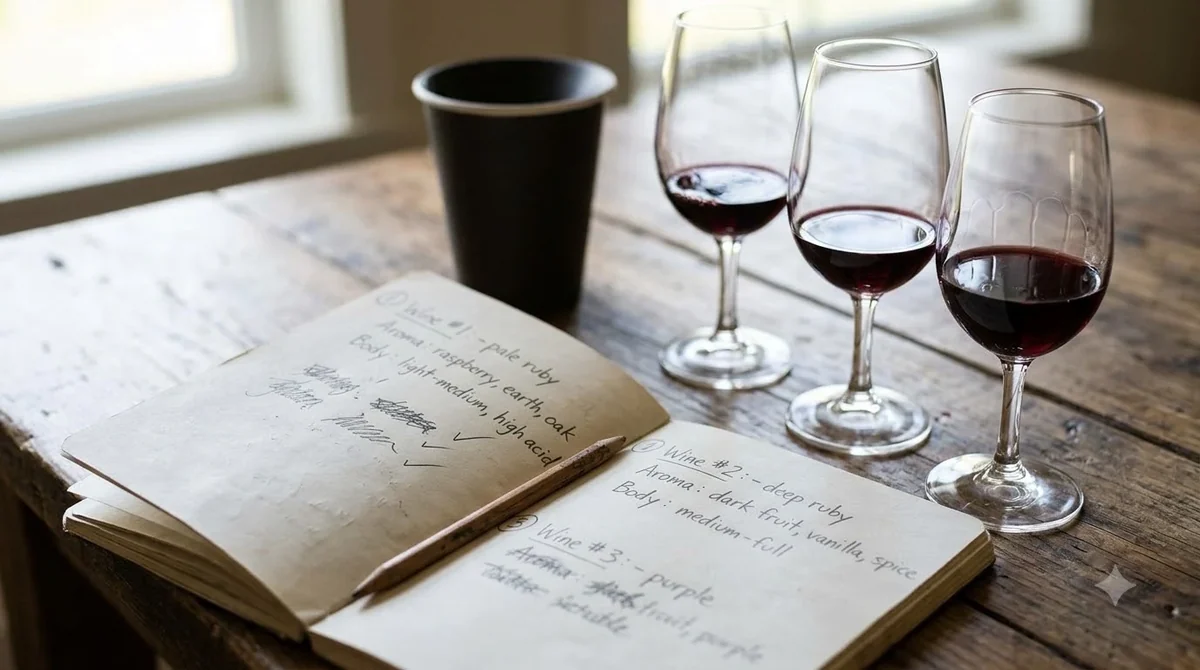
On the nose, a younger Tempranillo-led bottling generally presents the fresher side of the range: red cherry, ripe plum, berry, and sometimes a floral lift, with vanilla or sweet spice in the background. Campo Viejo’s description of its Tempranillo bottling also names black plum and berry alongside violet, lavender, cedar, vanilla, and spice. Those details suggest a wine with both straightforward fruit and a little aromatic complexity, rather than a simple jammy red.
On the palate, fruit usually arrives first, followed by oak-derived notes and a dry finish. Campo Viejo describes its Reserva as medium-bodied, elegant, and softly tannic, with cherry, black plum, blackberry, clove, pepper, vanilla, coconut, ripe fruit, tobacco, and toasted oak. The finish should leave fruit and spice in view, not only raw oak or drying tannin; in a Gran Reserva, darker fruit, coffee, cocoa, or tobacco can last longer.
Independent tasting notes show how a particular vintage can differ from a general brand profile. Decanter’s panel review of Campo Viejo Reserva 2015 described cedarwood, cardamom, and bilberry, with firm tannins; the same panel characterized the 2018 Tempranillo as vibrant in red fruit, lightly spicy, structured, and elegant. These are vintage-specific impressions, not promises that every bottle will show exactly the same aromas.
Tempranillo, Supporting Grapes, and Oak
Tempranillo supplies the central fruit character in many Campo Viejo reds, while Garnacha, Graciano, and Mazuelo can change a blend’s weight, freshness, aroma, and structure. Oak then adds another layer, often showing as vanilla, clove, coconut, pepper, or toast.
The producer’s varietal Tempranillo bottling is listed as 100% Tempranillo. Its profile centers on ripe plum and berry, with lifted notes such as violet, lavender, cedar, vanilla, and spice. The palate is described as full and plush, with gentle acidity and fine-grained ripe tannins. Blended styles bring other Rioja grapes into the picture: Garnacha can contribute richness, alcohol, and spice; Graciano is valued for aromatic intensity, acidity, and color; and Mazuelo can contribute color, acidity, and firmer tannin.
In a blend, these supporting grapes can add dimension without replacing Tempranillo’s recognizable cherry and plum center. The proportion of each grape can shift, so a Reserva and a Crianza need not taste identical even when both are clearly Rioja reds. Mazuelo is also called Carignan in some wine contexts, a useful point to remember when comparing Spanish labels with international tasting records.
Oak is a flavor and texture choice, not simply a mark of quality. Campo Viejo’s Reserva profile includes clove, pepper, vanilla, and coconut, and its notes connect those elements with oak and bottle maturation. American oak is often associated with more pronounced coconut, dill, and tobacco character, while French oak can be more restrained, with vanilla and baking-spice notes. Barrel age, the wood’s origin, and whether a barrel is new or previously used all influence how strongly those impressions appear. For the producer’s fruit, oak, and food descriptors, see its Campo Viejo Reserva tasting profile.
How Crianza, Reserva, and Gran Reserva Differ
Rioja’s aging terms provide a reliable first clue to a red wine’s likely texture and flavor development. The minimum aging periods move from 2 years for Crianza to 3 years for Reserva and 5 years for Gran Reserva, with more time required in oak as the category advances.
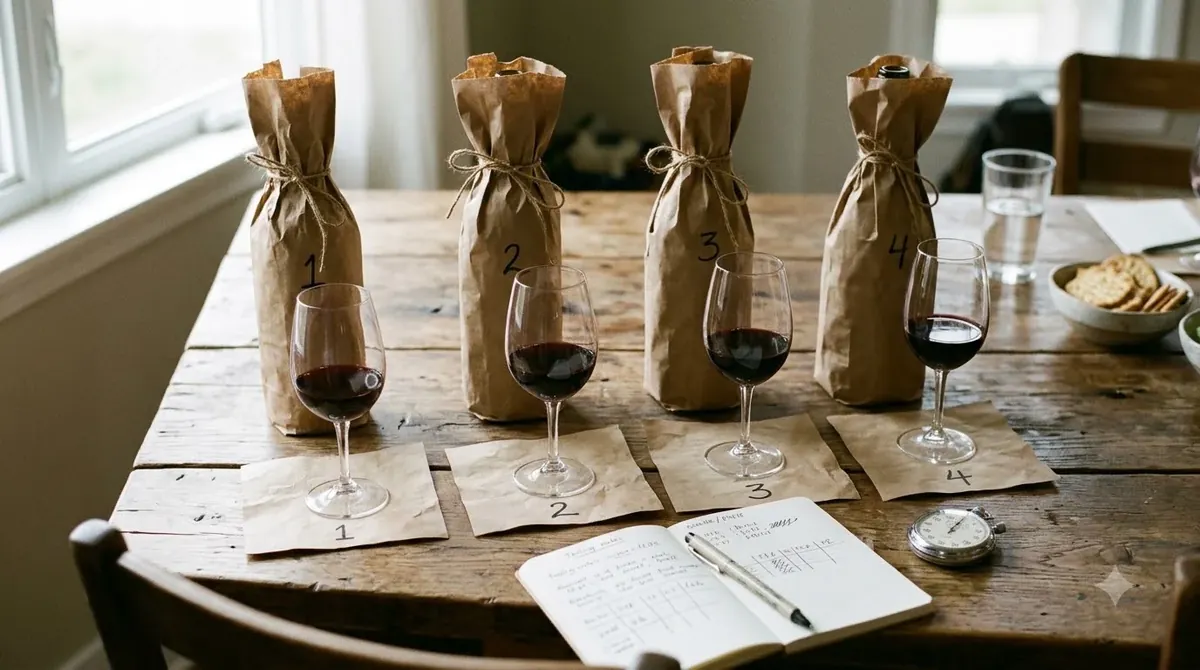
These designations describe minimum regional aging rules for red Rioja, not a fixed flavor recipe. Wine Enthusiast’s overview of Rioja red styles summarizes Crianza as at least 2 years of total aging, including 1 year in oak; Reserva as at least 3 years total, including 1 year in barrel; and Gran Reserva as at least 5 years total, including 2 years in barrel. Producers may age a wine longer than the minimum, and fruit, vintage, and barrel choices still matter.
| Rioja red category | Minimum total aging | Minimum oak aging | Typical direction in the glass |
|---|---|---|---|
| Crianza | 2 years | 1 year | Fresh cherry, plum, vanilla, and lively fruit |
| Reserva | 3 years | 1 year | Darker plum, blackberry, baking spice, and more developed oak |
| Gran Reserva | 5 years | 2 years | More savory, toasted, tobacco, coffee, and mature fruit notes |
Campo Viejo’s own descriptions give the categories a more specific flavor shape. Its Crianza is a soft, velvety blend of Tempranillo, Garnacha, and Mazuelo, with cherry, plum, blackberry, mountain-herb, vanilla, coconut, and oak-spice notes. The producer says its Reserva is made with Tempranillo, Graciano, and Mazuelo and is aged for four years; the tasting notes point to cherries, black plums, ripe blackberries, clove, pepper, vanilla, coconut, tobacco, and toasted oak.
The Gran Reserva description is darker and more developed. Campo Viejo identifies Tempranillo, Graciano, and Mazuelo in the blend and describes the wine as crafted over five years. Its published notes include blackberry, blueberry, plum, smoky and toasted wood, spice, mineral hints, tobacco, and a finish that can recall coffee, chocolate, and dark fruit. The category is not automatically heavier or better; it is simply more mature in its intended style, and the best choice depends on whether you want primary fruit or more evolved savory notes.
Food Pairings That Suit the Wine
Campo Viejo Rioja is at its most versatile beside savory food with enough flavor to meet its fruit, acidity, and oak. Roasted meat, grilled vegetables, mushrooms, hard or blue cheese, and tomato-based dishes are dependable matches for the range.
For Crianza, start with familiar meals such as roast chicken, grilled pork, meatballs in tomato sauce, mushroom rice, or vegetable stew. Cherry and plum work with roasted vegetables and tomato, while moderate tannin is less likely to overwhelm poultry than a very firm red. Cured meats and semi-firm cheeses are natural choices because salt and fat soften the perception of tannin and make the wine feel rounder.
Reserva can handle a richer plate: grilled beef, lamb chops, roast pork, game, or mushroom risotto. Its ripe black fruit and notes of clove, pepper, vanilla, and toasted oak complement browning on grilled or roasted food. Gran Reserva often suits slow-cooked dishes such as lamb stew, braised beef, roast game, and aged cheeses, where darker fruit, tobacco, coffee, and toasted notes can echo browned meat, stock, herbs, and roasted spices.
Vegetarian dishes can work very well, too. Aubergine parmigiana, roasted mushrooms, lentil stew, grilled eggplant, and tomato-based pasta bring savory or browned flavors that complement Rioja. Keep sweetness in mind if serving a sauce or glaze: a dry red can taste sharper beside a distinctly sweet preparation, so choose a savory glaze or serve a sweeter dish with a wine that is at least as sweet as the food. Acidity matters as well: pair tomato sauce, pickled garnish, or vinaigrette with a wine whose acidity is at least as high as the food’s, or the wine can seem dull. Very spicy dishes can make alcohol and tannin feel hotter.
Tip: Match the weight of the food to the wine, then use salt and fat to soften tannin. A grilled lamb chop or a serving of mature cheese can make a firm Reserva feel smoother than it does on its own.
Serving Temperature, Decanting, and Storage
Serve Campo Viejo red slightly cool rather than warm from a heated room. A lighter, fruit-forward red is usually most expressive around 55–60°F, while a fuller Reserva or Gran Reserva can be served around 60–65°F.
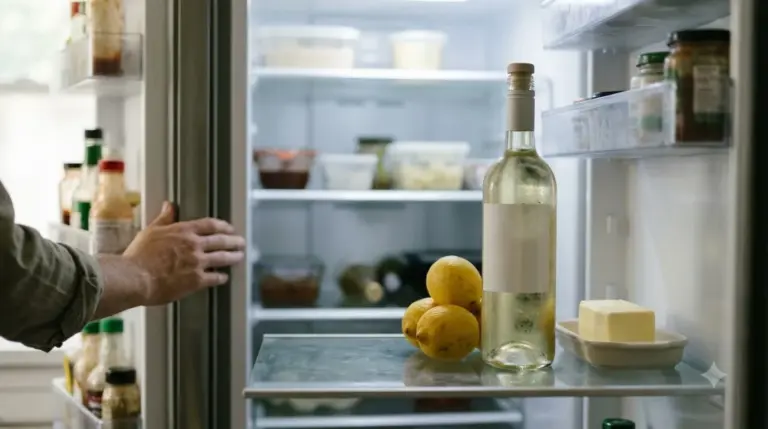
Temperature changes the balance you perceive. Too warm, and alcohol can seem more prominent while fruit and acidity feel less defined; too cold, and tannin can seem firmer while aromas become muted. If the bottle has been sitting in a warm kitchen, a short spell in the refrigerator can bring it closer to serving temperature. Pour a small sample first and let the glass warm gradually if the wine initially seems quiet.
Decanting is optional for most young Campo Viejo reds, but it can help a fuller young red open up. A young, full-bodied red can benefit from roughly 30–60 minutes in a decanter, especially when its first aromas seem closed or its tannins feel compact. Older bottles need a gentler approach: stand the bottle upright in advance if sediment is expected, pour slowly, and stop when sediment approaches the neck. Do not assume that a long decant is always better for a mature wine.
For an unopened bottle, store it away from sunlight, heat, and large temperature swings; a cool space near 55°F is a useful target. Bottles with natural cork are generally stored on their side so the cork does not dry out. Once opened, put the remaining wine in the refrigerator and seal it well; most still wines keep their best character for about 3–5 days. Bring the chilled red back toward serving temperature before pouring again, and use a standard 5-ounce serving to assess how the wine changes as it warms in the glass.
Choosing a Bottle and Understanding Vintage Differences
Choose the Campo Viejo style by the flavor you want, not by assuming the oldest-sounding label is automatically best. Tempranillo and Crianza are useful for fresher fruit, Reserva adds more oak and developed spice, and Gran Reserva leans toward savory complexity.
For a straightforward fruit-led red, the 100% Tempranillo bottling is the clearest varietal reference. It highlights plum, berry, and floral-spice notes and works well with grilled chicken, pasta, and lighter cheeses. Crianza is a good middle ground if you want ripe cherry and blackberry with more vanilla and coconut from oak; it is flexible enough for roast chicken, mushrooms, cured meats, or tomato-based dishes. Reserva makes sense when the meal is richer or you prefer oak-derived aromas, while Gran Reserva is suited to a slower meal where its darker fruit, tobacco, coffee, cocoa, and toasted notes have room to show.
Vintage also matters. Weather across a growing season affects ripeness, acidity, tannin, and the balance between fruit and alcohol, so bottles carrying the same Campo Viejo name can show different levels of red fruit, darker fruit, freshness, or oak. Decanter’s panel notes for the 2015 Reserva and 2018 Tempranillo illustrate that variation: the first was described with cedarwood, cardamom, and bilberry, while the second was framed around vibrant red fruit and spice.
Alcohol content can vary among styles and market releases, so do not treat one bottling’s figure as a universal brand constant. Campo Viejo’s product pages list 13.5% ABV for its Tempranillo and UK Reserva examples, while its Gran Reserva page lists 14%. For a closer comparison of specific labels and regions, see the article on Campo Viejo Rioja alcohol content. The broader Campo Viejo red wine overview can also help distinguish the brand’s different red expressions, while the site’s Wine Brands section gives context for comparing producers beyond Rioja.
Frequently Asked Questions
These quick answers explain Rioja label terms and a few regional details that are useful when comparing Campo Viejo with other Spanish wines.
What does DOCa mean on a Rioja label?
DOCa stands for Denominación de Origen Calificada, a higher Spanish designation for wines with a recognized origin and additional controls. Rioja received DOCa status in 1991 and was the first Spanish wine region to receive it.
What does the name Tempranillo mean?
Tempranillo is often translated as “little early one.” The name refers to the grape’s relatively early ripening compared with other Spanish varieties.
Does Rioja also produce white wine?
Yes. Rioja produces white and rosé wines as well as red wines, and Viura, also called Macabeo, is its best-known white grape. Rioja whites range from fresh, floral styles to richer wines that have spent time in oak.
Is Gran Reserva a single-vineyard designation?
No. Gran Reserva is an aging category, not a statement that the grapes came from one vineyard. Rioja also has place-based designations that can identify a village or a more specific vineyard site.
Does Rioja continue aging in the bottle after oak?
Yes. For the classic red categories, the required total aging period includes time in both oak and bottle; after the minimum barrel period, the wine commonly completes part of its maturation in bottle before release.
Campo Viejo Rioja is easiest to understand as a family of dry, fruit-led reds that gain spice, toast, and savory depth as the aging category advances. Start with Tempranillo or Crianza for freshness, choose Reserva for a deeper oak-and-fruit balance, and save Gran Reserva for a more mature, savory profile. Serve it slightly cool and pair it with food that meets its weight and structure.
More in Wine Brands
 Casal Garcia Wine Price: What to Expect for Your BottleUpdated Nov 21, 2026
 Cade Winery Review: How to Choose Its Howell Mountain WinesUpdated Nov 21, 2026
 Bota Box Cabernet Price: Compare Costs and Get More Wine for Your MoneyUpdated Nov 21, 2026
 Black Box Chardonnay Price: What a 3L Box Costs and How Far It GoesUpdated Nov 21, 2026
 Brancott Estate Wine Price: Compare Bottles and Find Better ValueUpdated Nov 21, 2026
 Bota Box Pinot Grigio Price: What to Expect and How to SaveUpdated Nov 21, 2026