

We may earn a commission when you buy through links on this page, at no extra cost to you. Learn more.
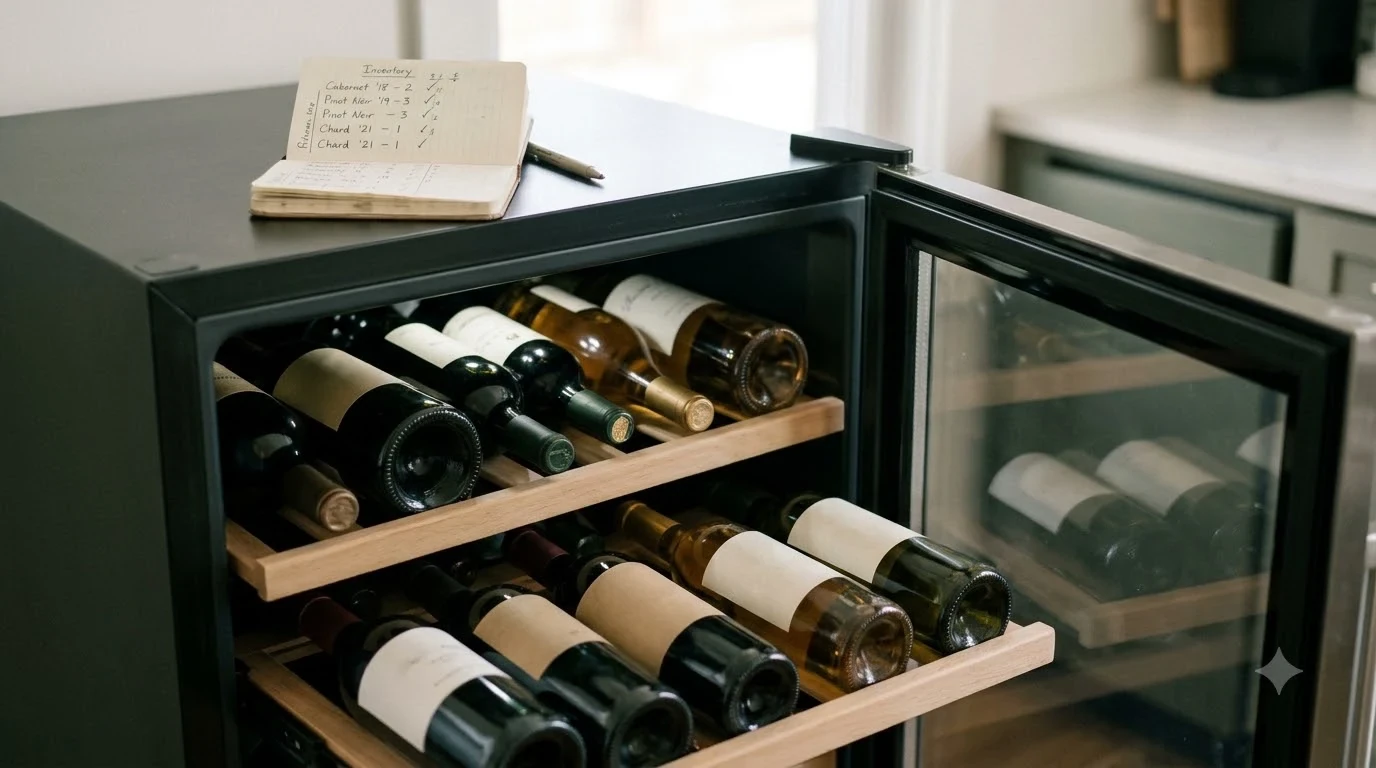
A lanbo wine fridge not cooling usually has a problem with its power supply, temperature setting, ventilation, door seal, condenser, or cooling system. Start by checking the electrical connection, confirming the selected temperature, and clearing blocked air vents. If the compressor or internal fan is malfunctioning, or the refrigerator still cannot reach its target temperature after basic checks, professional service may be necessary.
A Lanbo wine refrigerator needs consistent airflow, a properly sealed door, and suitable room conditions to maintain the right storage environment. When the cabinet becomes warmer than its setting, the cause is not necessarily a failed compressor. Some problems result from installation conditions or everyday use, while others involve electrical components or the sealed refrigeration system.
The troubleshooting process below starts with simple checks and progresses toward more serious faults. Because Lanbo sells different single-zone, dual-zone, and multi-zone models, control layouts, temperature ranges, and installation requirements can vary. Use the instructions for your particular model whenever a procedure differs.
Power Supply and Temperature Controls
Start with the electrical supply and control panel because a wine refrigerator cannot cool if it is switched off or is not receiving power. A display that appears inactive, an unexpected temperature reading, or a compressor that never starts can provide useful clues.
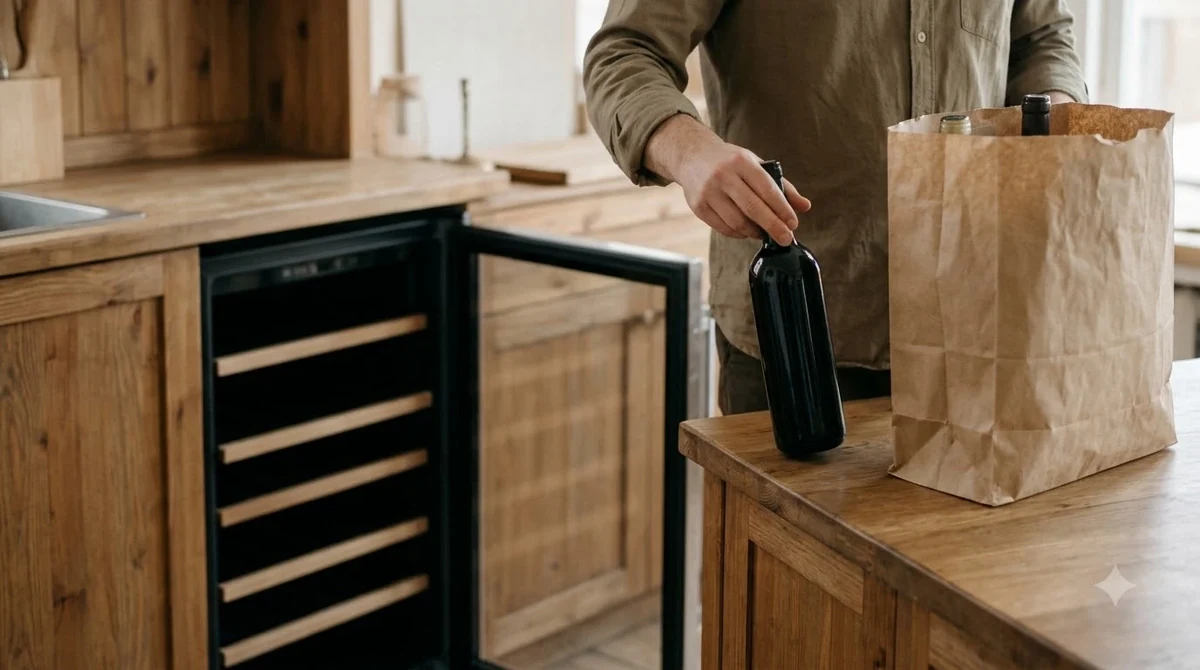
First, confirm that the power cord is firmly connected to a suitable electrical outlet. Inspect the cord and plug for visible damage without dismantling any electrical components. If the outlet is controlled by a wall switch, confirm that the switch is on. Check the household circuit breaker for a tripped circuit as well.
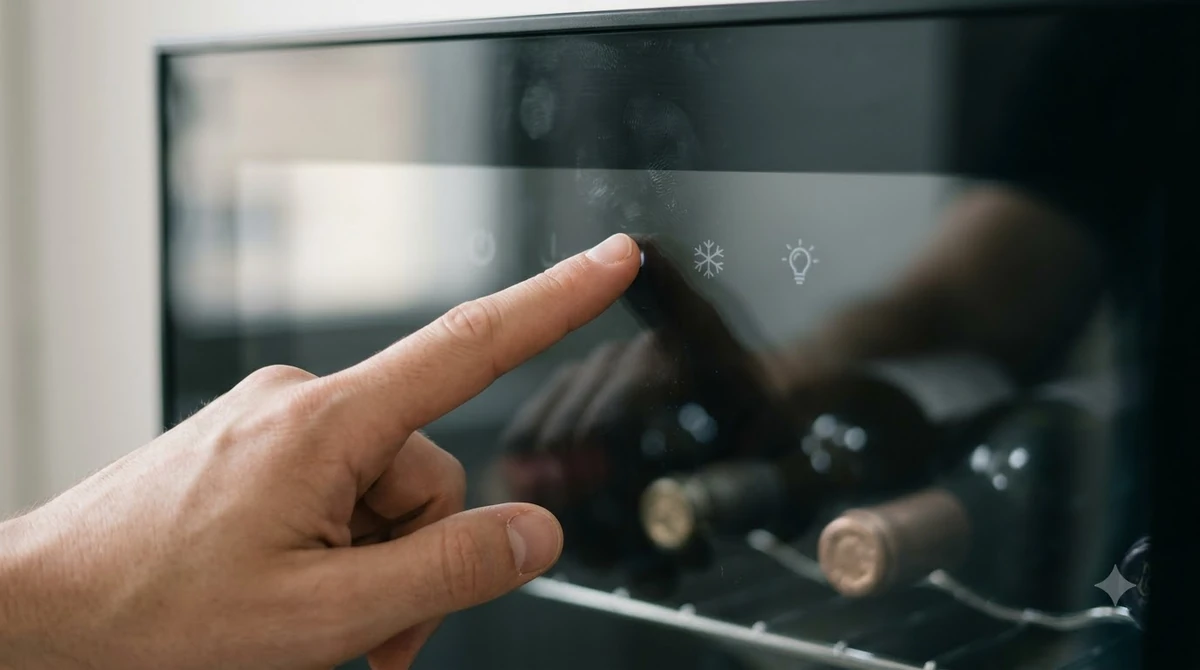
Next, inspect the Lanbo control panel. Some models require you to hold the ON/OFF button for three seconds to start the appliance. A quick tap may not activate the refrigerator on these models. The covered Lanbo control-panel instructions also describe temperature adjustment through dedicated SET, plus, and minus controls, depending on the model.
Check whether the appliance is displaying Fahrenheit or Celsius. A temperature that looks incorrect can sometimes be the result of reading the wrong unit rather than a refrigeration failure. For example, 41°F is approximately 5°C, so confusing the two scales can lead to an unsuitable setting.
Understand the temperature display
Some Lanbo refrigerators have separate displays for the selected temperature and the actual cabinet temperature. On these models, the setting display shows the target, while the chamber display reports the measured temperature. A difference between these readings does not automatically mean the appliance is broken.
For certain Lanbo models, a red RUN indicator illuminates when the compressor operates and switches off when the compressor stops. This can help establish whether the refrigeration system is cycling. However, the indicator alone cannot confirm that the compressor is producing adequate cooling.
When the controls appear unresponsive, avoid repeatedly pressing buttons or rapidly disconnecting and reconnecting the refrigerator. Follow the model-specific operating instructions and allow the appliance to complete its normal startup process.
If the display remains blank despite a confirmed power supply, or the breaker repeatedly trips, stop using the appliance and arrange an electrical inspection. A recurring electrical fault is not something to investigate by opening the control panel yourself.
Ventilation, Room Temperature, and Installation
Insufficient ventilation is one of the important causes to investigate when a Lanbo refrigerator runs but cannot maintain its target temperature. The cooling system must release heat from the cabinet, and restricted airflow can interfere with that process.
Look at the refrigerator’s exterior ventilation openings. Check whether the unit is pushed too tightly against a wall, surrounded by furniture, or positioned where stored objects obstruct an air intake or outlet. Remove any movable obstruction without taking off protective panels or reaching into the compressor compartment.
Lanbo specifies at least 10 cm of ventilation clearance around the appliance in the European manual covering several models. This is a useful reference for those models, but it should not replace the installation instructions for another version. Freestanding and built-in wine refrigerators can have different exhaust arrangements.
For comparison, Vinotemp specifies at least six inches of rear clearance for its freestanding wine coolers with rear exhaust. That requirement illustrates why ventilation instructions should not be transferred blindly between manufacturers or refrigerator designs.
Check the surrounding temperature
Room temperature also affects refrigeration performance. Lanbo lists an operating ambient range of 16°C to 38°C for the models covered by its European manual. Conditions outside that range can limit functionality, and excessive heat may cause the compressor to enter a protective operating state.
Move the refrigerator away from direct sunlight, ovens, radiators, heating equipment, and other heat-producing appliances when its installation instructions permit relocation. A kitchen corner that becomes unusually hot during cooking can create more difficult operating conditions than a cooler, ventilated room.
Do not assume that a garage is automatically suitable. An unheated garage may become too cold during certain seasons, while a poorly ventilated garage can become extremely hot. Compare the room conditions with the climate range specified for the exact model.
Also make sure the appliance stands on a stable, level surface. An uneven installation can interfere with proper door closure and create additional vibration. Adjust the leveling feet according to the manufacturer’s instructions rather than trying to reposition the loaded refrigerator.
Temperature Settings and Cooling Recovery Time
A Lanbo wine refrigerator may appear to have stopped cooling when its selected temperature is inappropriate or its contents need more time to cool. Allowing sufficient recovery time is especially important after installation, a power interruption, or the addition of several room-temperature bottles.
Check the temperature setting before assuming that the thermostat or compressor has failed. For the Lanbo dual-zone models covered by its European manual, the upper chamber operates within 5°C to 12°C, while the lower chamber operates within 12°C to 22°C. These ranges are model-specific, not universal settings for every Lanbo refrigerator.
Other Lanbo models have different control arrangements and temperature limits. Some use a single SET button, while others have separate controls for individual chambers. Make sure you are adjusting the correct compartment, particularly if the upper and lower displays operate independently.
Allow enough time after startup
A wine refrigerator does not instantly reach its selected temperature. The cooling system needs time to stabilize, and the time required depends on the starting room temperature, the number of bottles inside, the amount of warm wine added, and the surrounding conditions.
Sub-Zero’s Model 315W guide advises allowing approximately 24 hours for its wine storage appliance to reach the desired temperature. It also explains that a fully loaded cabinet containing room-temperature wine may operate continuously for up to 24 hours while cooling its contents. These figures provide useful context for wine storage appliances, but they are not a guaranteed recovery time for every Lanbo model.
After changing a setting, avoid making repeated adjustments within a short period. Select an appropriate temperature, close the door, and monitor the actual chamber reading over several hours. Frequent changes make it harder to determine whether the appliance is responding correctly.
A newly installed or recently transported refrigerator needs particular attention. Lanbo’s covered European models call for approximately two hours of upright stabilization before electrical connection. Other Lanbo instructions may specify a different waiting period, so use the guidance supplied for the exact appliance.
Tip: Record the set temperature and actual chamber temperature before troubleshooting. Check both readings again after several hours with the door closed. This simple comparison helps distinguish an incorrect setting from a refrigerator that genuinely cannot cool.
Door Seals, Frost, and Internal Air Circulation
A poorly sealed door allows warm room air to enter the cabinet, making the cooling system work harder. Frost accumulation and blocked internal airflow can create similar symptoms, even when the compressor still operates.
Start by inspecting the door gasket around its entire perimeter. Look for dirt, hardened sections, cracks, tears, or areas that no longer sit evenly against the cabinet. A damaged or displaced gasket can prevent the door from forming a consistent seal.
Clean the gasket with a soft, slightly damp cloth and mild cleaning solution if necessary. Dry it thoroughly before closing the door. Check that the shelves are correctly positioned and that no bottle, rack, or other object prevents the door from closing completely.
Identify frost-related cooling problems
Some frost may appear in certain refrigeration conditions, but heavy ice accumulation around the evaporator can interfere with heat exchange and airflow. Lanbo specifically identifies evaporator icing as a possible cause of inadequate cooling.
The Lanbo manual recommends switching off the refrigerator for one hour and leaving the door open to allow accumulated ice to melt. Before attempting this procedure, consider the wine stored inside and transfer temperature-sensitive bottles to another suitable storage location if necessary.
Do not scrape ice away with a knife, screwdriver, or other sharp object. The evaporator and nearby refrigeration components can be damaged by sharp tools. Also avoid using a heat gun, open flame, or an unauthorized mechanical defrosting device.
Once the ice has melted, dry any accessible moisture and inspect the door gasket for air gaps. If heavy frost returns, the underlying problem may still be present. A defective seal, sensor issue, or temperature-control malfunction may need professional attention.
Prevent airflow restrictions inside the cabinet
Check that bottles and shelves do not block internal circulation paths. Overloading the refrigerator or arranging unusually large bottles in front of ventilation openings can prevent cool air from moving freely through the cabinet.
In a dual-zone refrigerator, pay particular attention to the divider between compartments. An obstruction near a circulation opening can cause one chamber to behave differently from the other. Compare the actual temperature readings of both zones instead of assuming that one functioning compartment proves the entire cooling system is healthy.
Reduce unnecessary door openings while the refrigerator recovers. Every extended opening introduces warmer air and increases the workload on the cooling system. This matters especially when the cabinet contains many bottles or is already struggling to reach its selected temperature.
Condenser Dust, Fan Problems, and Compressor Symptoms
When power, settings, ventilation, and door closure are satisfactory, inspect the accessible maintenance areas before concluding that the sealed cooling system has failed. Dust accumulation and malfunctioning fans can reduce cooling performance even when the refrigerator appears to operate normally.
Lanbo identifies a dusty condenser as a possible reason for inadequate cooling. Dust and lint can restrict heat transfer, making it more difficult for the refrigeration system to release heat from the appliance.
Before cleaning, switch off the refrigerator and disconnect its power supply. Follow the model-specific maintenance instructions to locate the condenser and determine whether it is intended to be cleaned by the owner. Use an appropriate soft brush or vacuum attachment only where the manufacturer permits it.
Never spray water directly into ventilation openings or electrical compartments. Avoid bending delicate condenser fins, pulling on wiring, or removing sealed-system components. If the condenser cannot be accessed safely without dismantling the refrigerator, leave the work to a qualified technician.
Recognize fan-related symptoms
Fans help circulate air through many compressor-based wine refrigerators. Depending on the model, there may be an internal evaporator fan and an external fan associated with heat removal. If either stops operating correctly, the refrigerator may struggle to maintain its target temperature.
Listen for unusual changes in operating sounds, but remember that silence does not establish that a fan is defective. Some fans operate intermittently according to the cooling cycle, and different models use different airflow arrangements.
Lanbo’s troubleshooting instructions identify fans that stop working or operate at low speed as a potential cooling fault. The manual recommends professional investigation rather than treating fan wiring or voltage checks as routine household maintenance.
Understand compressor operation
A compressor normally starts and stops as the refrigerator maintains its selected temperature. Continuous operation immediately after a large addition of warm bottles does not necessarily indicate failure. The cooling system may need an extended period to remove the added heat.
However, a compressor that repeatedly attempts to start, clicks without establishing normal operation, or never produces cooling deserves closer attention. Lanbo identifies compressor startup failure and compressor self-protection as possible reasons the refrigerator cannot reach its preset temperature.
Do not remove the rear access panel to test the compressor, starter, capacitor, or electrical connections. These components involve electrical hazards and require suitable diagnostic equipment and technical knowledge.
| Observation or specification | Value | What it means |
|---|---|---|
| Lanbo ambient operating range for covered models | 16°C–38°C | Room conditions outside this range may limit operation. |
| Lanbo minimum ventilation clearance | 10 cm | Maintain the clearance specified for covered models. |
| Lanbo upright stabilization period | About 2 hours | Applies to the models covered by the European manual. |
| Lanbo evaporator defrost procedure | 1 hour | Manual recommendation for allowing accumulated ice to melt. |
| Lanbo upper dual-zone range | 5°C–12°C | Applies to specified dual-zone models. |
| Lanbo lower dual-zone range | 12°C–22°C | Applies to specified dual-zone models. |
| Sub-Zero Model 315W cooling recovery reference | Up to 24 hours | Manufacturer guidance for that particular wine storage unit. |
| Sub-Zero condenser cleaning interval | 3–6 months | Depends on accumulated dust and lint. |
The table combines manufacturer specifications and troubleshooting references rather than presenting every figure as a universal Lanbo requirement. Always prioritize the installation, operating, and maintenance instructions for your refrigerator’s specific model.
When Professional Repair Is Necessary
Some cooling problems cannot be corrected through cleaning, temperature adjustments, or better ventilation. A failed compressor, defective fan, faulty sensor, electrical control problem, or refrigerant-system blockage requires an appropriate technical diagnosis.
Contact a qualified appliance technician if the refrigerator remains warm after basic checks, the compressor does not start, or the fan appears to have stopped operating. Lanbo specifically recommends engineering assistance for compressor startup faults, fan problems, and cooling-system failures.
Recognize signs of a serious fault
Pay attention to the combination of symptoms rather than relying on one observation. A refrigerator with a functioning display but a steadily rising chamber temperature may have a cooling-system problem. A cabinet that repeatedly switches between running and stopping may have a door-sealing, sensor, or compressor-related fault.
Other warning signs include unusually loud mechanical noises, repeated electrical interruptions, damaged power cords, persistent heavy frost, and visible damage around refrigeration tubing. Stop using the appliance if you notice burning odors, smoke, damaged electrical insulation, or suspected refrigerant leakage.
Lanbo’s covered manual identifies R600a as the refrigerant used in the relevant appliance range and warns that it is flammable. Do not attempt to puncture refrigerant tubing, open the sealed system, or perform an improvised refrigerant refill.
Prepare useful information for the technician
Before arranging a repair, record the complete model number and serial number from the appliance rating plate. Photograph the control panel and any displayed error codes if doing so is safe. These details help the technician identify the correct documentation and replacement components.
Also describe when the cooling problem started, whether the refrigerator was recently moved, and whether the issue affects one chamber or every chamber. Report whether the compressor starts, whether the fans make their usual operating sounds, and whether frost appears inside the cabinet.
Keep track of the selected temperature and actual chamber temperature. A technician can use these readings to understand whether the refrigerator responds to control adjustments and whether the problem is intermittent or continuous.
If the appliance is still covered by a warranty, contact the appropriate retailer or manufacturer service department before authorizing an independent repair. Unauthorized disassembly or repairs may affect warranty coverage, depending on the applicable terms.
For additional brand-specific troubleshooting, the same systematic approach can help with an Allavino wine fridge not cooling, a Magic Chef wine fridge not cooling, or a Haier wine fridge not cooling. The underlying refrigeration principles are similar, but component layouts and manufacturer instructions differ. More storage and appliance maintenance information is available in our Brand Troubleshooting section.
For additional manufacturer guidance, consult the Lanbo wine cooler user manual for its troubleshooting, installation, and maintenance instructions. The Sub-Zero wine storage troubleshooting guide also illustrates how condenser maintenance, door sealing, and compressor operation affect wine refrigerator performance.
Frequently Asked Questions
Why is my Lanbo wine fridge running but not getting cold?
A running fan or illuminated display does not prove that the compressor is producing refrigeration. The cooling system may have a failed compressor, blocked refrigerant circuit, or malfunctioning temperature sensor. A technician can determine whether the problem involves the electrical controls or the sealed refrigeration system.
How long should a Lanbo wine fridge take to cool down?
The recovery time depends on the model, room conditions, starting temperature, and bottle load. Sub-Zero specifies up to 24 hours for its Model 315W to reach its target temperature, including when cooling room-temperature wine. That figure is a reference from another manufacturer, not a guaranteed Lanbo specification.
Why is my Lanbo wine fridge showing an error code?
An error code can indicate a sensor, communication, or control-system problem, depending on the model. Record the exact code and consult the troubleshooting section of the corresponding Lanbo manual. Avoid guessing at replacement parts because identical-looking displays can use different diagnostic codes across model families.
Can I keep wine in my Lanbo refrigerator while it is being repaired?
If the cabinet is no longer maintaining a stable temperature, transfer bottles to another suitable wine storage location rather than assuming the displayed setting represents actual conditions. Keep the bottles away from direct sunlight and major temperature fluctuations. For valuable bottles, record their storage conditions while the appliance is out of service.
Why does my Lanbo wine refrigerator make a gurgling sound?
Gurgling or liquid-flow sounds can occur as refrigerant moves through the cooling circuit. Sub-Zero also identifies normal fan noise during operation. However, a sudden change in sound accompanied by rising cabinet temperature, repeated clicking, or a loss of cooling should be investigated by a qualified technician.
A Lanbo wine fridge that is not cooling properly does not automatically need a new compressor. Begin with the power supply, temperature controls, ventilation, door seal, and condenser maintenance before considering more complicated faults. If the cabinet still cannot maintain its selected temperature, professional diagnosis can help identify the underlying problem and protect the wine stored inside.
More in Storage & Fridge Care
 How Long Can You Store Wine in a Wine Fridge? Protect Bottle QualityUpdated Nov 20, 2026
 Can You Store Beer in a Wine Fridge? Keep Both Drinks FreshUpdated Nov 20, 2026
 Is It Worth Repairing a Wine Fridge? Spot the Cheap Fixes Before You ReplaceUpdated Nov 20, 2026
 Wine Fridge Condensation: Identify Causes and Fix Moisture ProblemsUpdated Nov 20, 2026
 Wine Fridge Too Cold: Protect Your Wine and Fix the TemperatureUpdated Nov 20, 2026
 How to Reset Wine Fridge: Restore Cooling and SettingsUpdated Nov 20, 2026